October is one of the richest months on the classical music calendar when it comes to anniversaries.
It marks the birthdays of Vladimir Horowitz, Franz Liszt, and Charles Ives – the deaths of Chopin, Bruckner, and Jacqueline du Pré – and historic premieres ranging from Schoenberg’s Pierrot Lunaire to Shostakovich‘s withheld first violin concerto.
Below, we walk through the month day by day, pairing each anniversary with a recording and the story behind it.
October 1, 1903
Birth of Vladimir Horowitz
Horowitz playing Schumann’s Träumerei
Born in Kyiv in October 1903, Horowitz started learning piano from his mother at the age of six, ultimately becoming one of the 20th century’s most electrifying pianists.
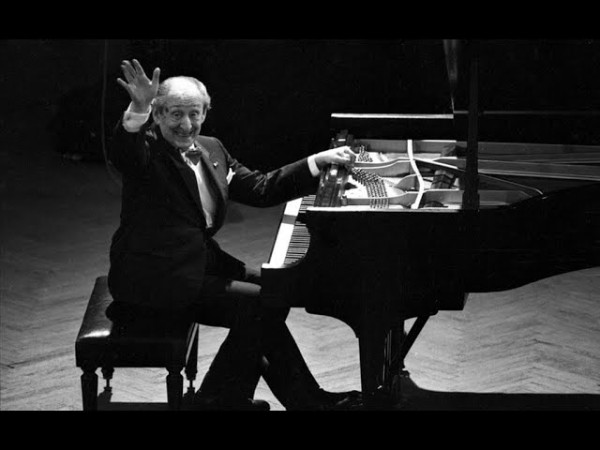
Vladimir Horowitz
His trademark combination of staggering technique and emotional vulnerability made his recordings of Romantic-era repertoire especially satisfying.
We answered the fifteen most-asked questions about Vladimir Horowitz here: https://interlude.hk/the-fifteen-most-faqs-about-vladimir-horowitz-stage-fright-flat-fingers-and-more/.
October 2, 1920
Death of Max Bruch
Bruch’s Violin Concerto No. 1
Max Bruch died in Berlin at the age of 82.
Much to his frustration, he spent his career watching a single work – his first violin concerto – eclipse the rest of his output.
He sold the concerto rights to his publisher outright, meaning he never collected royalties despite its enormous popularity. Then, late in life, when he gave the manuscript to two pianist sisters to sell, they kept it for themselves. He died in poverty.
We explained how they pulled the scam off – and how the end of Bruch’s life was affected: https://interlude.hk/the-sutro-sisters-the-villainous-piano-duo-who-scammed-max-bruch/.
October 3, 1833
Marriage of Hector Berlioz and Harriet Smithson
Berlioz’s Symphonie Fantastique
Hector Berlioz married the Irish actress Harriet Smithson on this day, six years after her performance as Ophelia had first triggered his obsession with her.
He’d created a musical portrait of that obsession in his Symphonie Fantastique, whose idée fixe traces an arc of infatuation, jealousy, and despair.
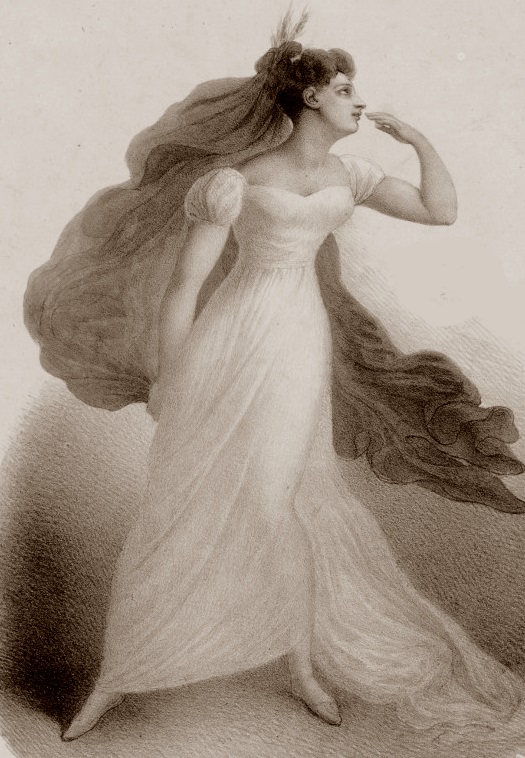
Martinet rue du Coq St Honoré: Harriet Smithson as Ophelia in Hamlet, 1827–1833 (Bibliothèque nationale de France, département Musique)
We wrote about the story of Berlioz’s obsession here: https://interlude.hk/hector-berlioz-harriet-smithson-50-shades-obsession/.
October 4, 1982
Death of Glenn Gould
Glenn Gould playing excerpts from Bach’s Goldberg Variations
Eccentric pianist Glenn Gould died in Toronto on this day, just over a week after suffering a stroke.
His two recordings of Bach‘s Goldberg Variations, made 26 years apart, are a stunning example of how a musician can radically rethink an interpretation over their career.
We wrote about how Glenn Gould fell in love with music here: https://interlude.hk/on-this-day-25-september-glenn-gould-was-born/.
October 5, 1880
Death of Jacques Offenbach
Offenbach’s Overture from Orpheus in the Underworld
Jacques Offenbach died in Paris on this day, months before the premiere of his final opera, The Tales of Hoffmann.
He never lived to see it staged, but his earlier operetta Orpheus in the Underworld had already secured his legacy. Its can-can remains one of the most recognisable pieces of music ever written for the stage.
We delved into it here: https://interlude.hk/a-trip-to-the-underworld-for-a-party-offenbachs-orphee-aux-enfers/.
October 6, 1802
Beethoven’s Heiligenstadt Testament written
Recitation of the Heiligenstadt Testament
The Heiligenstadt Testament is a private letter Beethoven wrote to his brothers as he came to terms with his permanent hearing loss. It reads less like a will than a suicide note.
He never sent it, choosing instead to keep living and composing. But he kept it, and it was discovered after his death.
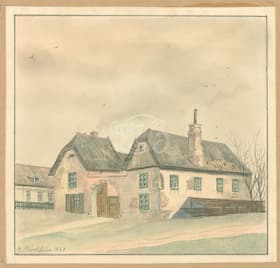
Beethoven’s house in Heiligenstadt
We picked out the most heartbreaking lines from the Heiligenstadt Testament here: https://interlude.hk/most-heartbreaking-lines-of-beethovens-heiligenstadt-testament/.
October 7, 1955
Birth of Yo-Yo Ma
Yo-Yo Ma playing the Prelude from Bach’s Cello Suite No. 1
Yo-Yo Ma was born in Paris to Chinese parents and gave his first public performance at age five.
Few living musicians have done more to bring the cello into mainstream culture. He is especially beloved for his performances of Bach’s cello suites.
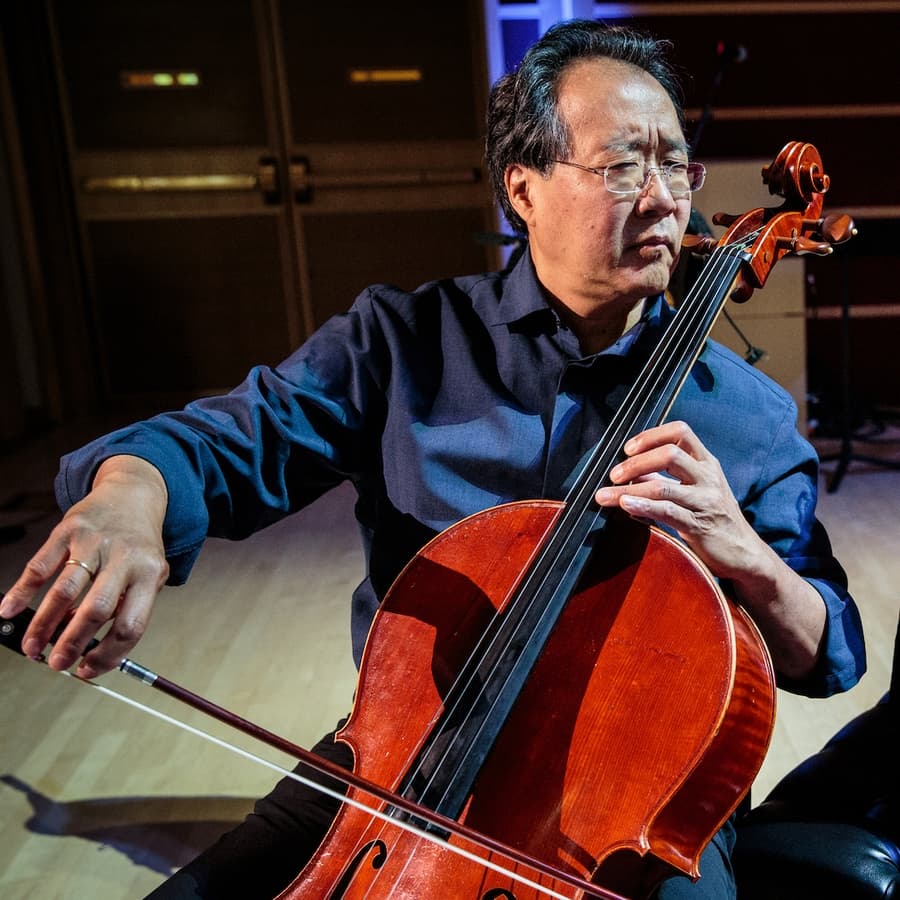
Yo-Yo Ma
In 2025, we celebrated Ma’s birthday by looking at how he has crossed musical boundaries throughout his career: https://interlude.hk/yo-yo-mas-strings-of-unity-partnership-across-cultures-born-october-7-1955/.
October 8, 1870
Birth of Louis Vierne
Vierne’s Messe Solennelle
Composer and keyboard player Louis Vierne was nearly blind from birth due to congenital cataracts.
That didn’t stop him from pursuing a music career. He became organist at Notre-Dame de Paris, where he served for nearly four decades, and his Messe Solennelle stands as one of the great works of the French organ tradition.
We looked at the history behind why some people feel that Vierne was born under an unlucky star: https://interlude.hk/louis-vierne-born-unlucky/.
October 9, 1835
Birth of Camille Saint-Saëns
Saint-Saëns’s Introduction and Rondo Capriccioso
Camille Saint-Saëns was born in Paris on this day. He was one of the great prodigies of music history and ultimately became one of the most famous French composers of his generation.
His Introduction and Rondo Capriccioso for violin and orchestra remains a popular showpiece, prized for its effortless blend of lyricism and intense virtuoso fireworks.
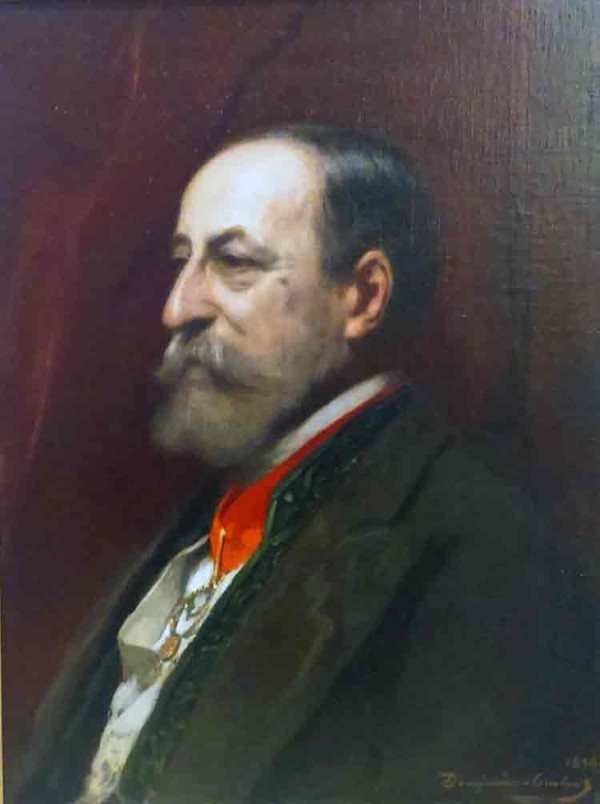
Portrait of Camille Saint-Saëns by Benjamin Constant
We discussed his career here – as well as why he is considered to have been a child prodigy on par with Mozart: https://interlude.hk/camille-saint-saens-composer-of-the-month/.
October 10, 1971
Birth of Evgeny Kissin
Kissin playing Liszt’s La Campanella
Evgeny Kissin was born in Moscow and began playing the piano at age two. Ten years later, he was playing both Chopin concertos.
His interpretations of Liszt, including La Campanella, are regarded as benchmarks of modern-day pianistic technique.
We looked at Kissin’s compositions here: https://interlude.hk/evgeny-kissin-the-composer/.
October 11, 1896
Death of Anton Bruckner
Bruckner’s Symphony No. 7
When Anton Bruckner died in Vienna in 1896, he left his ambitious ninth symphony unfinished.
Fortunately, his Seventh Symphony had already earned him public recognition; the scale of his massive works and their unrelenting solemnity took years for the public to embrace fully.
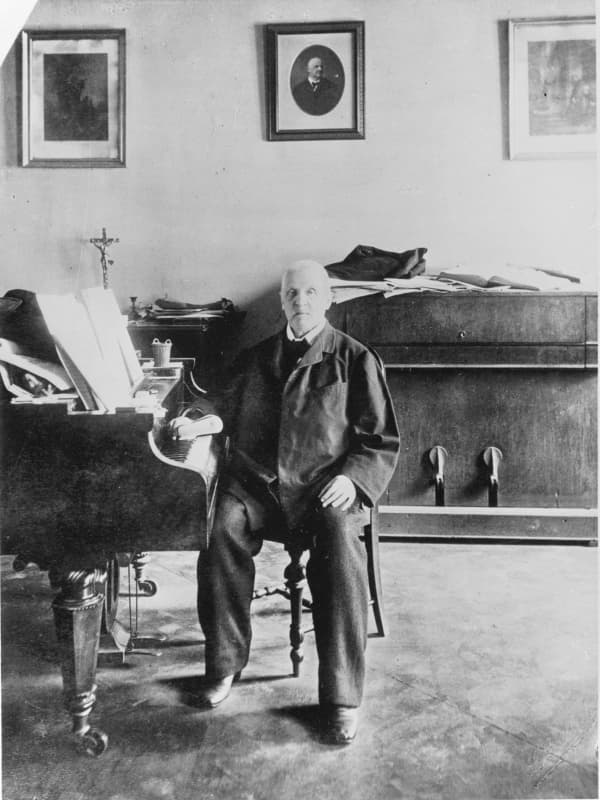
Anton Bruckner © Ludwig Grillich
We looked at the story behind Bruckner’s final illness and death here: https://interlude.hk/on-this-day-11-october-anton-bruckner-died/.
October 12, 1872
Birth of Ralph Vaughan Williams
Vaughan Williams’s Fantasia on a Theme by Thomas Tallis
Ralph Vaughan Williams was born in Down Ampney, England, in 1872.
He embraced folk songs and English musical nationalism. His Fantasia on a Theme by Thomas Tallis for two string orchestras, based on a 16th-century hymn tune by an English composer, is one of his most enduring works.
We paid tribute to Vaughan Williams’s unjustly neglected concertos here: https://interlude.hk/soaring-melodies-and-countryside-dreams-celebrating-the-ralph-vaughan-williams-concertos/.
October 13, 1979
Death of Rebecca Clarke
Clarke’s Viola Sonata
Rebecca Clarke emerged from an abusive childhood to become a professional violist and composer. Sadly, she faced headwinds in both fields because of her gender.
Her muscular, romantic viola sonata nearly won the prestigious Berkshire Prize in 1919. The judging panel was shocked that a woman had written it.
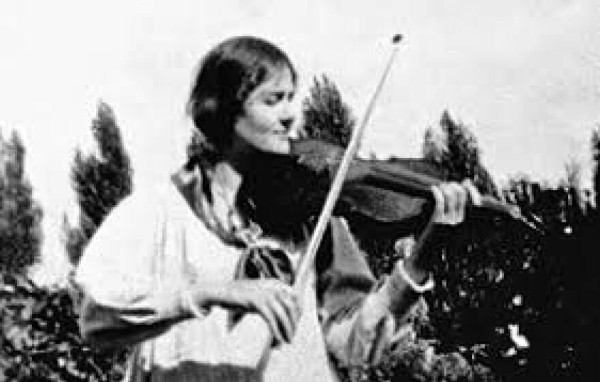
Rebecca Clarke
She composed much less later in her life. Due to the sexism surrounding her, she found it difficult to promote her own works, or even muster the self-esteem to believe in her own talent.
Fortunately, she lived just long enough to see her viola sonata starting to come back into vogue, a development that both bewildered and delighted her. Nowadays it’s hailed as a masterpiece of the genre.
We wrote about the story of Clarke’s abusive childhood here: https://interlude.hk/us-whipped-rebecca-clarke/.
October 14, 1952
Birth of Kaija Saariaho
Saariaho’s Laterna Magica
Kaija Saariaho was born in Helsinki on this day and became one of the most widely performed composers of her generation.
Laterna Magica, inspired by Ingmar Bergman’s memoir of the same name, reflects her signature interest in portraying light and texture in music.
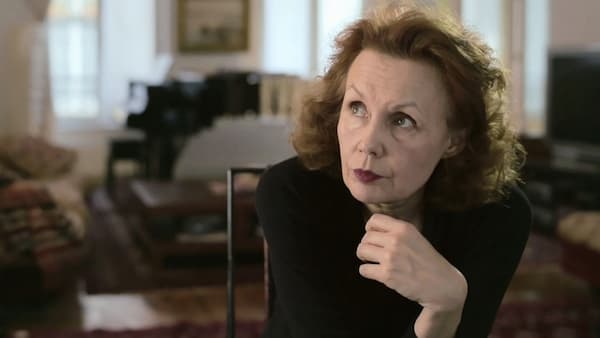
Kaija Saariaho
We wrote about how unicorn tapestries inspired Saariaho in her work D’OM LE VRAI SENS: https://interlude.hk/musicians-and-artists-saariaho-and-unicorns/.
October 15, 1988
Death of Sorabji
Sorabji’s Cadenza from Piano Sonata No. 5: Opus Archimagicum
Kaikhosru Shapurji Sorabji died in Dorset, England, on this day, having had one of the most eccentric careers in classical music history.
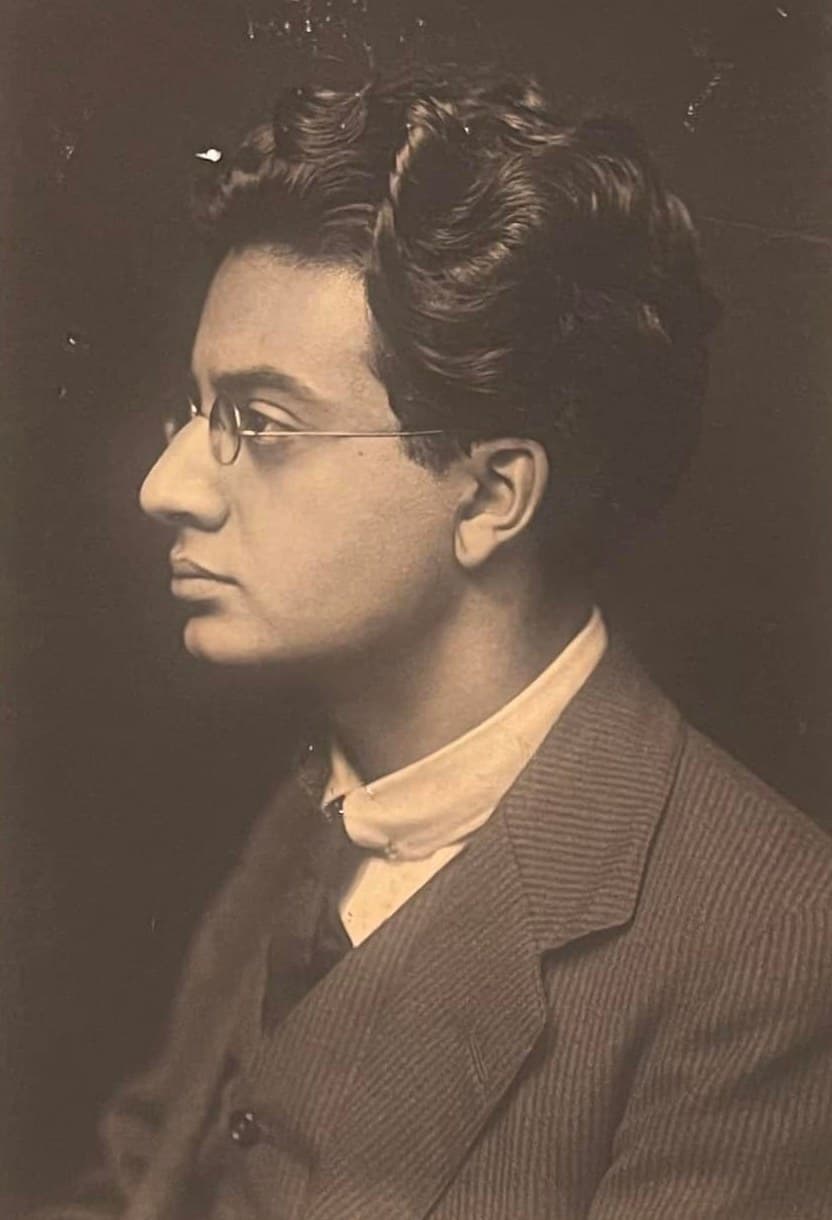
Kaikhosru Sorabji in 1917
His fifth piano sonata, subtitled Opus Archimagicum, runs between six and seven hours long, making it one of the most formidable works in the piano’s repertoire.
We looked at Sorabji’s fascinating life story here: https://interlude.hk/sorabji-inspiration/.
October 16, 1912
Premiere of Schoenberg’s Pierrot Lunaire
Schoenberg’s Pierrot Lunaire
In Arnold Schoenberg‘s Pierrot Lunaire, the composer set 21 poems for a speaking-singing voice called Sprechstimme, accompanied by a small chamber ensemble.
The avant-garde result unsettled its first audiences – and also became one of the most influential scores of the 20th century, heralding the rise of atonality.
In this article, we looked at seven premieres from the 1912–1913 season – including Pierrot Lunaire: https://interlude.hk/seven-premieres-one-year-the-1912-1913-season-that-changed-classical-music-forever/.
October 17, 1849
Death of Frédéric Chopin
Chopin’s Nocturne in C-sharp minor
After a long battle with tuberculosis, Frédéric Chopin died in Paris in 1849, impoverished but supported by friends.
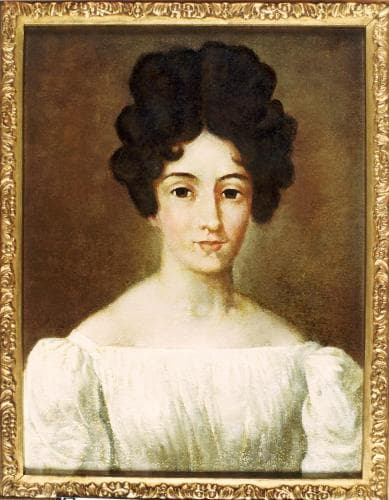
Ludwika Chopin Jędrzejewicz
His sister Ludwika was at his bedside, went through his papers after his death, and defied her brother’s wishes by publishing his posthumous work, including the famous nocturne above.
We told the story of Chopin’s final illness and death here: https://interlude.hk/on-this-day-17-october-frederic-chopin-died/.
October 18, 1893
Death of Charles Gounod
Gounod’s Messe solennelle de Sainte-Cécile
Charles Gounod made his name with his grand operas, but he was also drawn toward sacred music.
The Messe solennelle de Sainte-Cécile remains one of the most moving pieces he ever wrote, sacred or secular.
We wrote about why Gounod called death “the last modulations resolving to the tonic of the eternal concert”: https://interlude.hk/on-this-day-18-october-charles-gounod-died/.
October 19, 1987
Death of Jacqueline du Pré
du Pré playing Elgar’s cello concerto
Jacqueline du Pré died in London in October 1987, sixteen years after a multiple sclerosis diagnosis forced her to stop performing at the height of her fame.
Her recording of the Elgar cello concerto, made when she was barely twenty, is still widely regarded as the definitive interpretation of the work.
We counted down Jacqueline du Pré’s five most popular recordings here: https://interlude.hk/jacqueline-du-pre-why-are-these-her-five-most-popular-performances/.
October 20, 1874
Birth of Charles Ives
Ives’s Three Places in New England
Connecticut-born Charles Ives spent much of his life writing music while working full-time in the insurance business.
His work Three Places in New England is typical of his style: he took everything from marching bands to hymn tunes and reshaped them into dense, often dissonant textures decades ahead of their time.
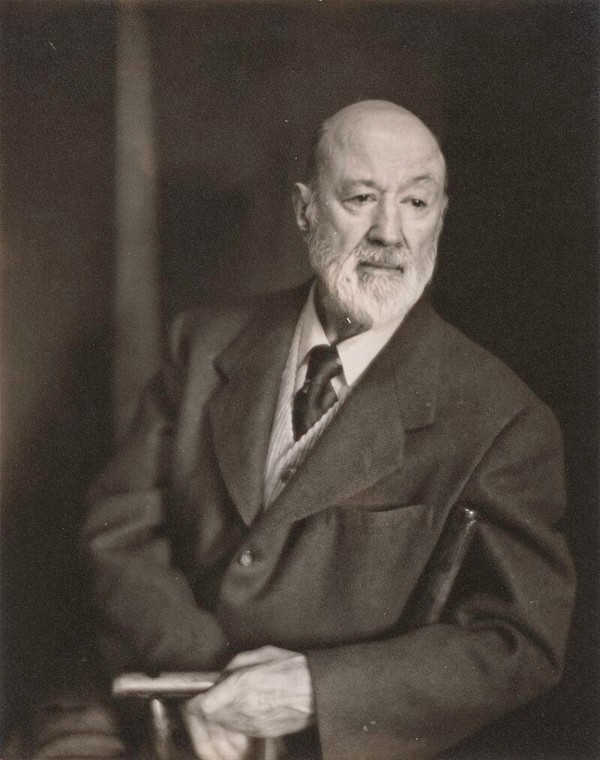
Clara Sipprell: Charles Edward Ives, ca 1947 (Washington, DC: National Portrait Gallery)
We looked at the story of Ives’s unusual double career here: https://interlude.hk/charles-ives/.
October 21, 1912
Birth of Sir Georg Solti
Solti conducting Elgar’s Nimrod from the Enigma Variations
Over the course of his career, Sir Georg Solti became one of the most prolific – and decorated – conductors in recording history.
His interpretation of Elgar’s Nimrod variation from the Enigma Variations demonstrates his mastery of precision and emotional high drama.
We traced his life and career here: https://interlude.hk/on-this-day-21-october-georg-solti-was-born/.
October 22, 1811
Birth of Franz Liszt
Liszt’s Liebestraum No. 3
Franz Liszt was born in Raiding, Hungary, and over the course of his career, he would remake 19th-century piano technique.
His Liebestraum No. 3, inspired by a poem about transcendent love, is one of his most recognisable works, despite its short length.
We shared thirteen pieces for newcomers to Liszt: https://interlude.hk/liszt-for-beginners-thirteen-pieces-to-make-you-love-liszt/.
October 23, 1970
Premiere of Crumb’s Black Angels
Crumb’s Black Angels
George Crumb‘s Black Angels is a string quartet written in response to the violence of the Vietnam War.
Its score is inscribed “in tempore belli” — in time of war.
George Crumb
Its unconventional instrumentation includes electric instruments, tam-tams, and even crystal glasses.
The result was one of the most radical chamber works of its decade.
We wrote about this challenging work here: https://interlude.hk/the-supernatural-in-music-xi-black-angels/.
October 24, 1931
Birth of Sofia Gubaidulina
Gubaidulina’s Offertorium
Sofia Gubaidulina was born 900 kilometres east of Moscow in the city of Chistopol. She spent much of her early career facing Soviet officials’ disapproval for her uncompromising style.
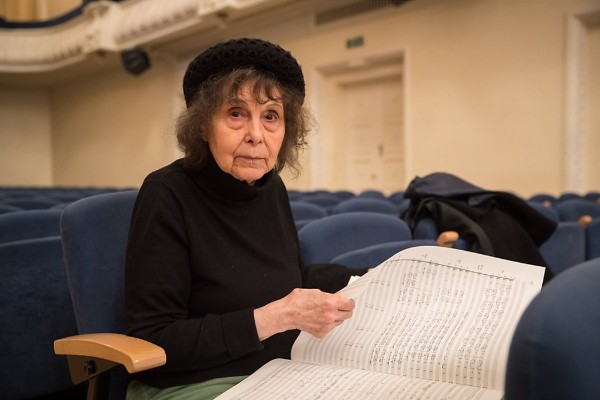
Sofia Gubaidulina
Offertorium, her 1980 violin concerto built around a theme from Bach’s Musical Offering, helped bring her international recognition once Soviet restrictions eased.
We told the story of Gubaidulina’s life and career here: https://interlude.hk/sofia-gubaidulina-composer-of-the-month/.
October 25, 1825
Birth of Johann Strauss II
Strauss’s “Unter Donner und Blitz”
Johann Strauss II was born in Vienna on this day to an orchestra leader father who was determined to keep his son out of music.
However, the son defied the father. Strauss II won their rivalry in his twenties, after his father died of scarlet fever, which was passed on to him by one of his many illegitimate children.
“Unter Donner und Blitz” (“Thunder and Lightning”) demonstrates the theatrical gusto that made Johann II the undisputed heir to the family business.
We shared eleven must-hear works to introduce you to Johann Strauss’s output here: https://interlude.hk/johann-strauss-ii-for-beginners-eleven-pieces-to-make-you-love-strauss/.
October 26, 1685
Birth of Domenico Scarlatti
Scarlatti’s Sonata in D minor, K. 141
Domenico Scarlatti was born in Naples on this day, the son of the celebrated opera composer Alessandro Scarlatti.
After early posts in Italy, including music director at St Peter’s in Rome, he moved to Lisbon to teach Princess Maria Barbara of Portugal, and followed her to Spain when she married the Spanish crown prince. Most of his roughly 555 keyboard sonatas were written for her.
The Irish organist Thomas Roseingrave, who heard him play in Venice, said he thought “ten hundred devils had been at the instrument”. The Sonata in D minor, K. 141, with its hammering repeated notes, shows why. Chopin and Brahms both admired his music, and Horowitz played it throughout his career.
We celebrated the life and keyboard legacy of Scarlatti here: https://interlude.hk/on-this-day-26-october-domenico-scarlatti-is-born/.
October 27, 1782
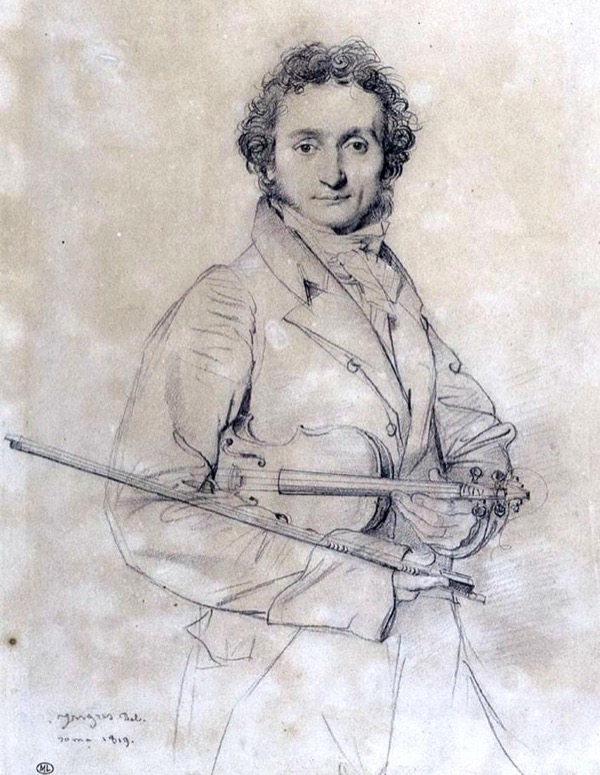
Birth of Niccolò Paganini
Paganini’s Violin Concerto No. 1
Niccolò Paganini’s violin technique was so advanced that rumours circulated that he’d made a pact with the devil to acquire it.
His first violin concerto showcases all the pyrotechnics – rapid double stops, harmonics, left-hand pizzicato, and so much more – that made him the most magnetic performer in Europe.
We made a list of ten of Paganini’s most genius works here: https://interlude.hk/niccolo-paganinis-devilish-genius-10-tracks-that-conjure-his-violin-sorcery/.
October 28, 1893
Premiere of Tchaikovsky’s Symphony No. 6
Tchaikovsky’s Symphony No. 6
Tchaikovsky conducted the premiere of his sixth symphony in St. Petersburg.
Shockingly, he died just nine days later – a biographical twist that has forever altered how audiences interpret its heartbroken bleakness.
We dug deeper into the lore behind this symphony here: https://interlude.hk/the-last-symphony-tchaikovsky-symphony-no-6/.
October 29, 1955
Premiere of Shostakovich’s Violin Concerto No. 1
Shostakovich’s Violin Concerto No. 1
Shostakovich wrote his violin concerto years before its 1955 premiere, but he’d withheld it due to worries over how Stalin would receive it.
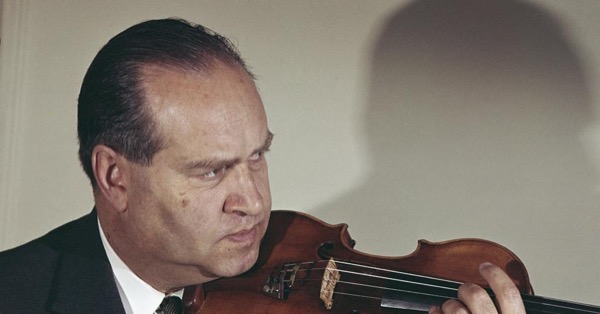
David Oistrakh
After Stalin died in 1953, Shostakovich could finally share it publicly. Violinist David Oistrakh was entrusted with the premiere.
The result was a dark work, among the most personal Shostakovich ever shared.
We counted down ten of the most-viewed violin concertos on YouTube here – and explained how the Shostakovich earned its place on the list: https://interlude.hk/10-greatest-violin-concertos-and-the-most-popular-performance-of-each/.
October 30, 1896
Premiere of Amy Beach’s Gaelic Symphony
Beach’s Gaelic Symphony
Amy Beach’s Gaelic Symphony was an important milestone: the first symphony published by an American woman and performed by a major American orchestra.
Throughout the work, Beach drew on Irish folk melodies and their aesthetic, demonstrating one option of what the emerging American musical identity could sound like.
We told the extraordinary story of Amy Beach’s career here: https://interlude.hk/great-women-artists-shaped-music-vii-amy-beach/.
October 31, 1906
Birth of Louise Talma
Excerpt from Talma’s The Ambient Air
Louise Talma was born in Arcachon, France, in 1906. She became the first woman to win the Sibelius Medal for composition, and her opera The Alcestiad was the first major opera by an American woman staged in Europe.
The Ambient Air, written near the end of her long teaching career, reflects her exacting, rigorous style.
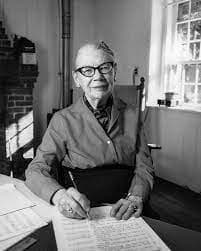
Louise Talma
For more of the best in classical music, sign up for our E-Newsletter