As much as we’d like to, we can’t report on every classical music event around the world. That’s where you come in.
Email: [email protected] We would love to share your classical music experiences with our ever-growing audience. Have you:
heard an intimate church concert or glamorous grand opera lately that you want to write about?
enjoyed an especially meaningful encounter with classical music?
wanted to discuss what studying or enjoying classical music means to you personally?
If so, we want to hear from you. Please Email us your submission in less than 1200 words, with your name, where you are from, and any pictures you take.
Be sure to follow us on Twitter, Instagram and Facebook to read our coverage of the classical music world.
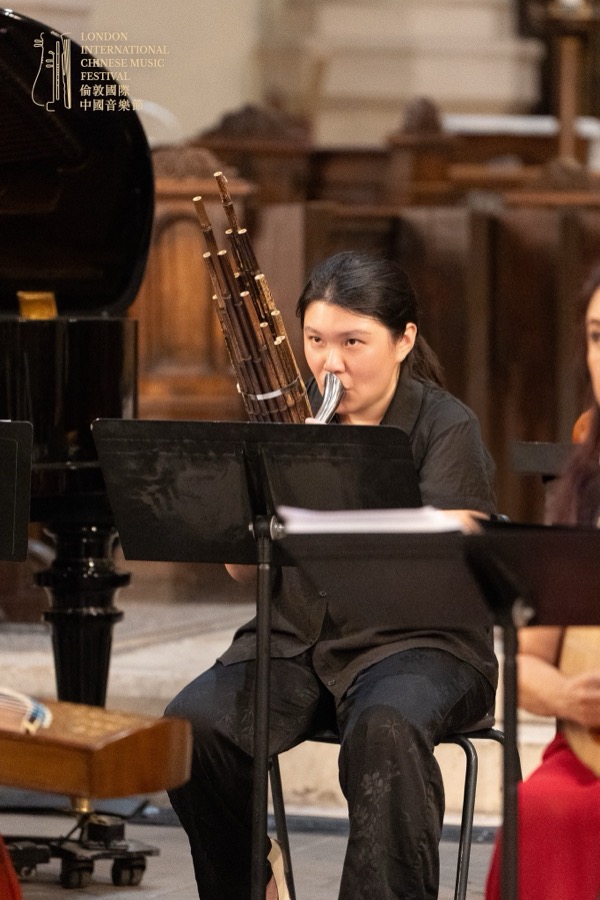
I learned ensemble playing through the euphonium. At Xinghai Conservatory of Music, breath, intonation and rhythm were daily disciplines, but the larger lesson was how to place one sound inside many others. A euphonium line can support the bass, answer
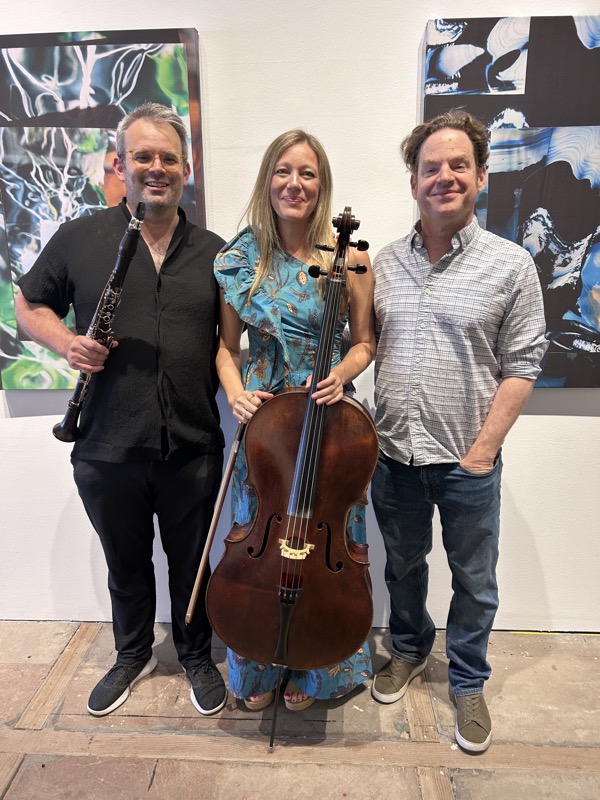
Begun with missionary zeal as an informal gathering in a defunct Albuquerque gas station back in 2002, the Chatter chamber music collective — a unique network of classical and neo-modern musicians and composers — is expanding their latest ChatterPDX offering
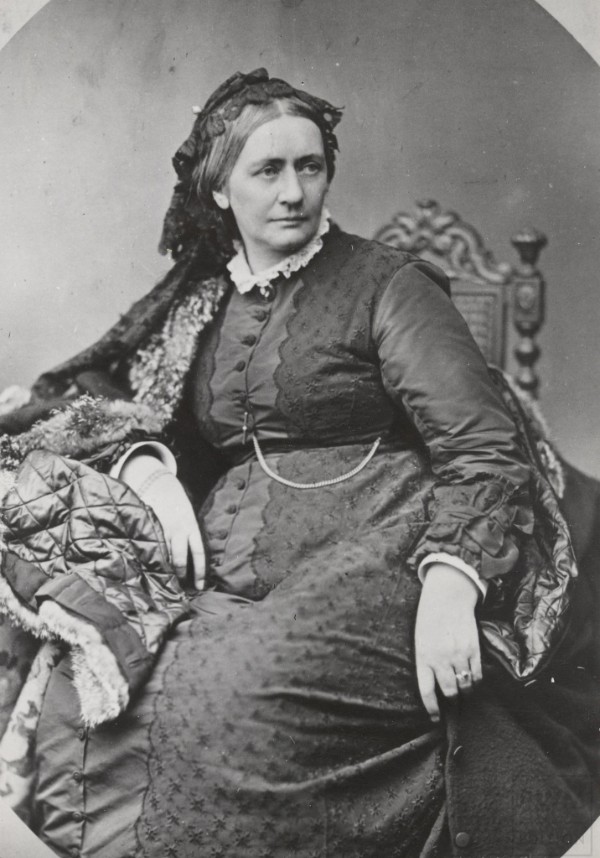
The received wisdom is that Clara Schumann hated Franz Liszt: a rivalry, a grudge, an ageing woman’s bitterness toward a flashier rival. The real story is far more interesting: a friendship that curdled slowly, alongside an ideological war in which
Vache Baroque co-founding music director Jonathan Darbourne delves into the supernatural sounds and music of their new production with Out of Chaos. ‘This music crept by me on the waters’ (Shakespeare’s The Tempest, Act 1, Scene 2) Spoiler alert –
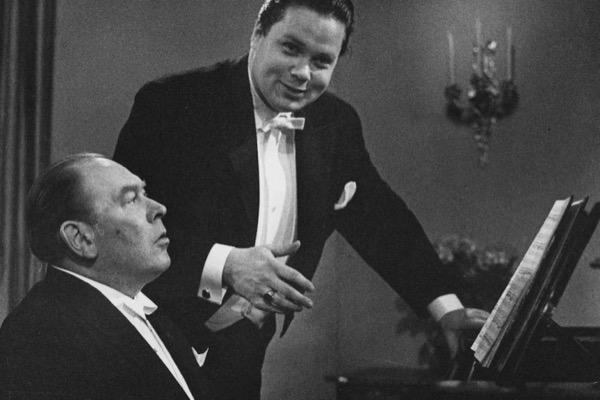
‘You must have played well today, for I did not notice you.’ In his memoirs titled Am I Too Loud?, pianist Gerald Moore recalls the remark of famed (and famously egotistical) British singer John Coates, among many an anecdote from
Brenden Gunnell finds a sense of belonging in England as he explores Midland composer Andrew Downes’s vocal music and prepares for the role of a lifetime, the ultimate ascent for a heldentenor By a circuitous route from the USA’s Midwest,
Having arrived as the newly appointed Festival Manager, I sat at my desk in the King’s Lynn office, surrounded by the cobbled streets of this historic port town, considering the legacy I now help steward. King’s Lynn is steeped in
How physical and psychological adversity shaped some of classical music’s most radical voices There is a persistent myth in the telling of great artistic lives: that genius triumphs despite its hardships. The more honest — and more interesting — story