
Classical music history remembers Mendelssohn, Schumann, Liszt, Dvořák, Wagner, Vaughan Williams, and Stravinsky as “great composers”: men who helped create the orchestral repertoire for a century, between the 1840s and 1940s. But women composers were also composing at the same
Playlists
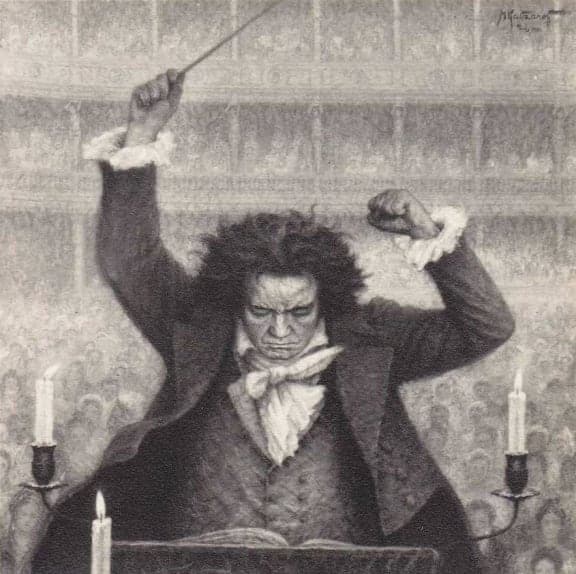
Beethoven’s middle period piano sonatas consist of the sonatas from Op. 31 through Op. 90, twelve piano works composed between 1801 and 1814. This is Beethoven at his most recognisable, writing iconic sonatas like the Waldstein, the Appassionata, and the

Winter listening sometimes calls for a different kind of classical music. During this time of year, many listeners gravitate toward pieces that are quiet and emotionally contained: music that can exist comfortably alongside candlelight, reading, or reflection. The Danes and
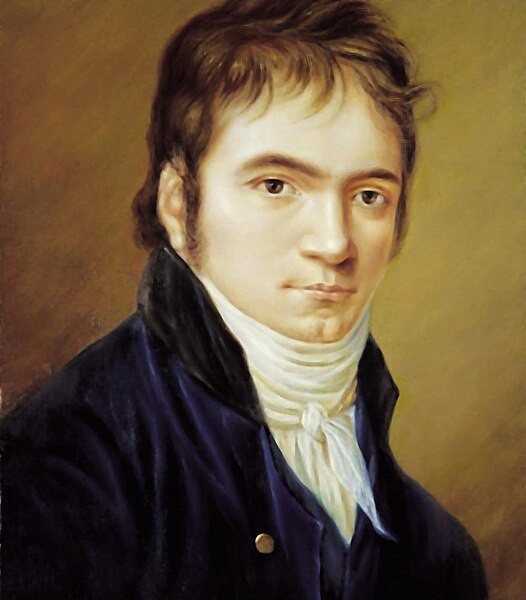
During the 19th century, Beethoven and his affinity for the piano sonata – he wrote 32 in all – made a major mark on the era’s music. Composers from every decade were in constant conversation with Beethoven’s piano sonatas: quoting
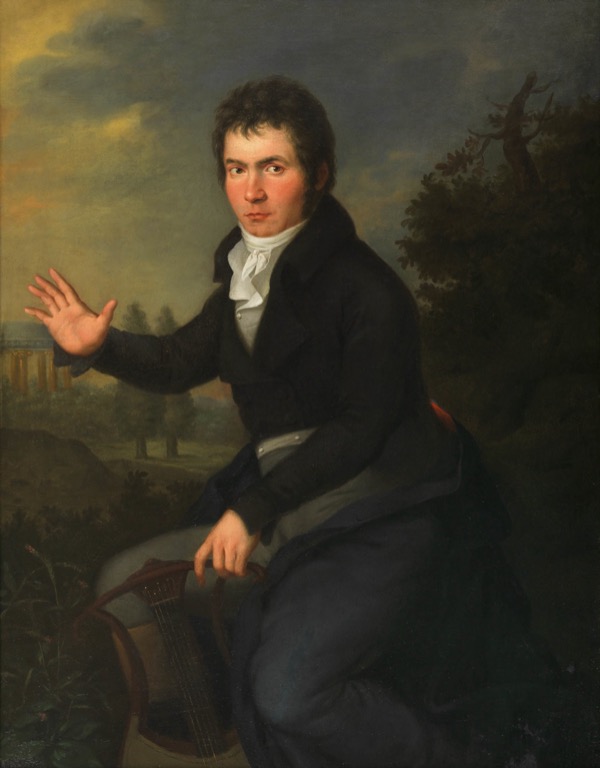
Over his career, Beethoven wrote thirty-two piano sonatas. The first fifteen – covering Op. 2 through Op. 28 – were composed between 1795 and 1801, a time known as his early period. These early period sonatas tell a story. His
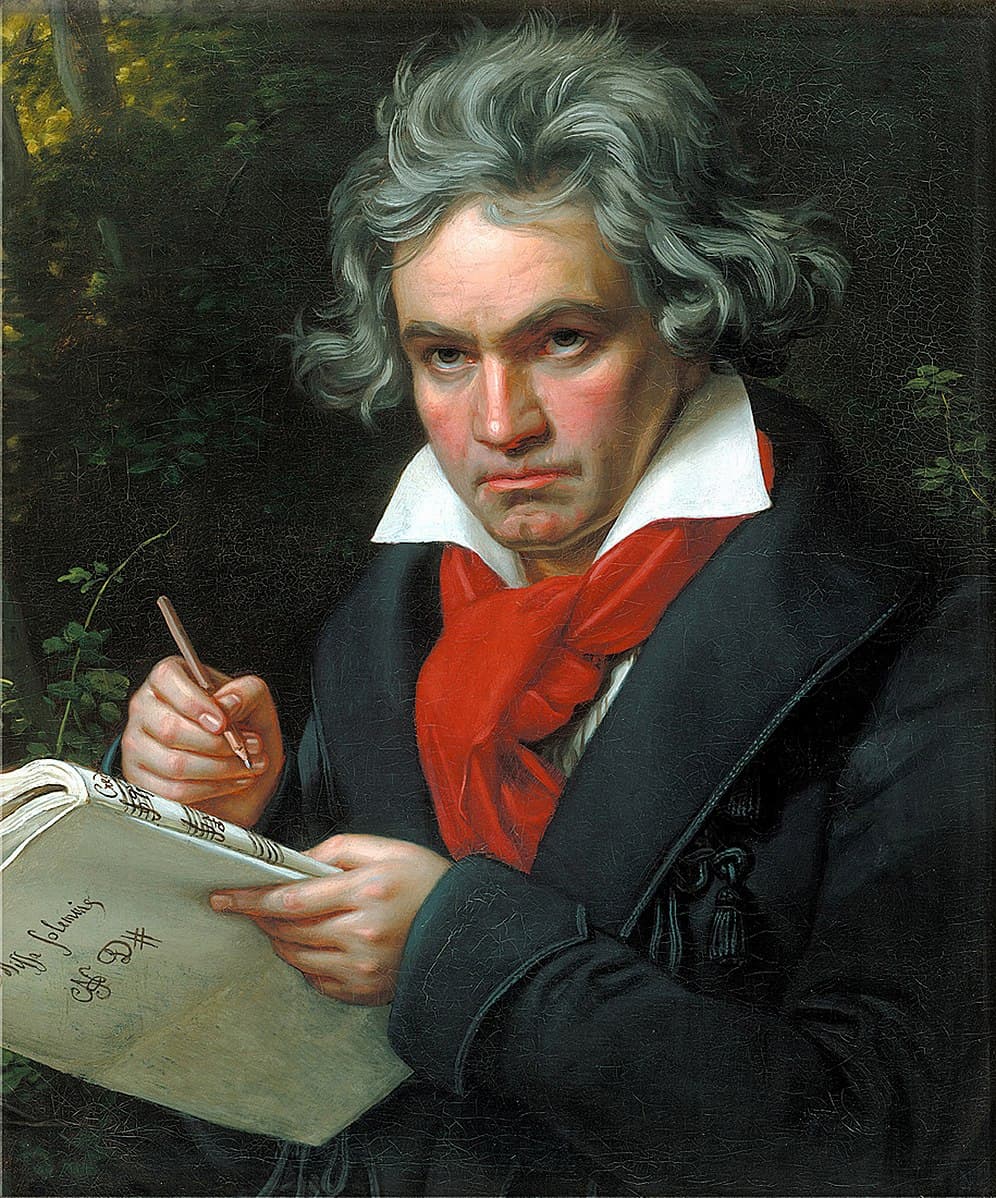
Ten decades, ten concertos – and one long argument about what a violin concerto should be. Today we’re looking back at the musical history of the nineteenth century and deciding which Romantic-era violin concertos best represent their respective decades. In
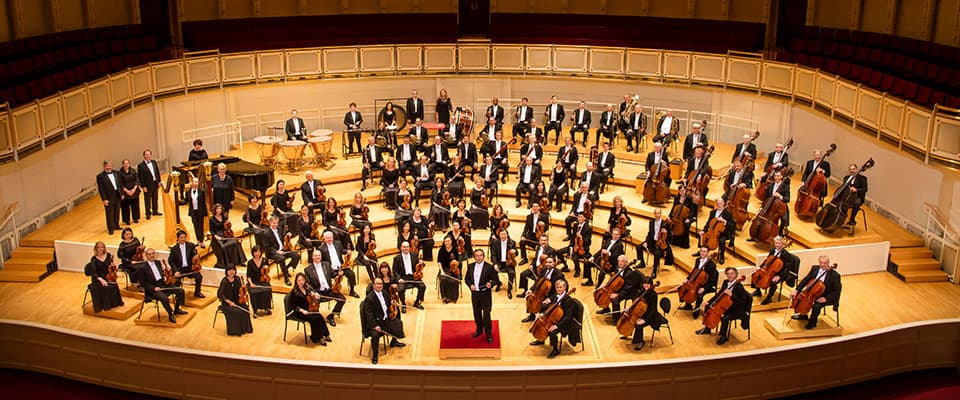
The symphony began as a kind of warm-up act – a short instrumental piece played before a larger work, meant to settle a restless audience. Over the next two centuries, composers turned that warm-up act into one of classical music’s
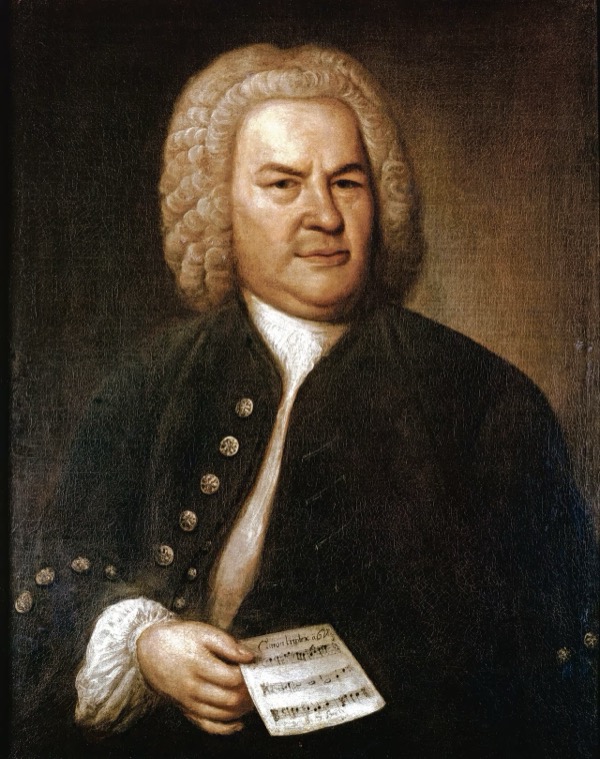
Bach’s Six Sonatas and Partitas for Solo Violin are the Himalayas of the violin repertoire – the phrase is George Enescu’s, and virtually every violinist who has ever attempted them would agree. Written around 1720, they remain the most demanding,