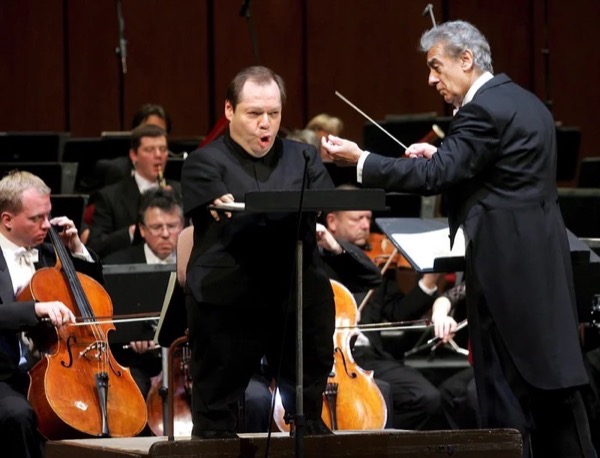
Cellist Leslie Parnas was born on 11 November 1931 into a highly musical family, and he began playing the piano at age five and the cello at eight. Progressing rapidly, he entered the Curtis Institute in Philadelphia at 16 and studied with Gregor Piatigorsky for two and a half years.
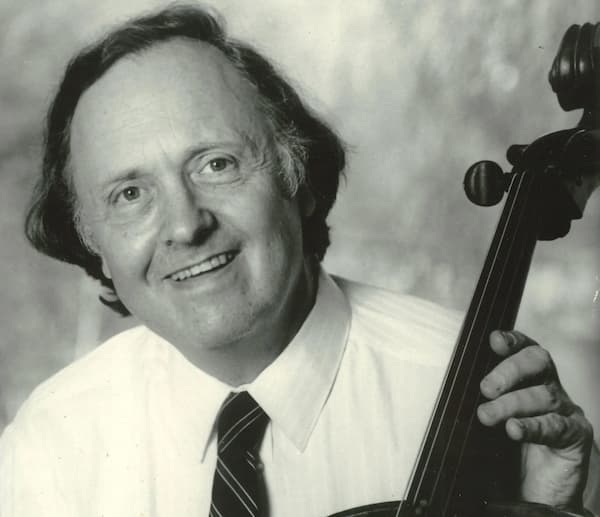
Leslie Parnas
Parnas enjoyed a distinguished career as a performer and pedagogue. He won prizes at the Geneva and Munich International Cello Competition and, in the same year, became the inaugural Pablo Casals Prize winner at the Paris Competition. He also secured second prize at the Tchaikovsky Competition in 1962.
Parnas recorded for several labels, including Columbia, Vanguard, CBS and Arcadia Records. He played the celebrated 1698 Matteo Goffriller cello known as the “Rosette,” named after its unusual carved rosette decoration. To celebrate his birthday, why don’t we browse his recorded legacy and feature some outstanding interpretations?
Leslie Parnas plays Dvořák: Cello Concerto Op. 104 (Tchaikovsky Competition 1962)
Passion and Power
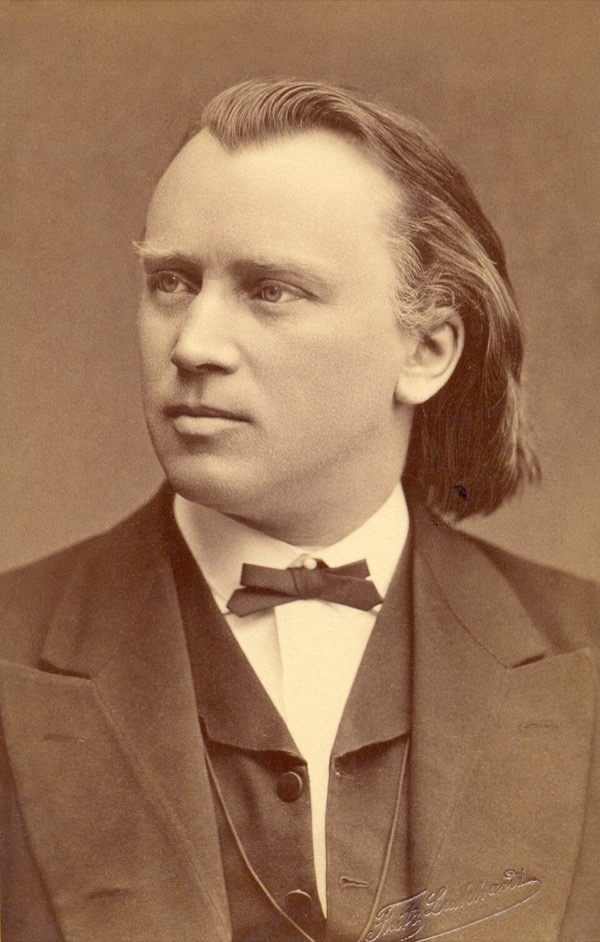
Johannes Brahms
Throughout his distinguished career, Leslie Parnas frequently performed, recorded and championed the chamber and orchestral music of Johannes Brahms. In fact, he recorded the complete Brahms piano quartets, released on Vanguard.
His approach to Brahms has been described as intensely emotional. His crescendos are powerful, his tempos surge, and full-bodied lyricism runs throughout. And while his interpretation is not excessively emotional, it is certainly highly passionate.
There is also genuine musical partnership with pianist Tong-Il Han, and Parnas appears to accentuate the symphonic breath of this particular work, combining muscular energy and lyrical expression.
Johannes Brahms: Cello Sonata No. 2 in F Major, Op. 99 (Leslie Parnas, cello; Tong-Il Han, piano)
Intensity and Imagination
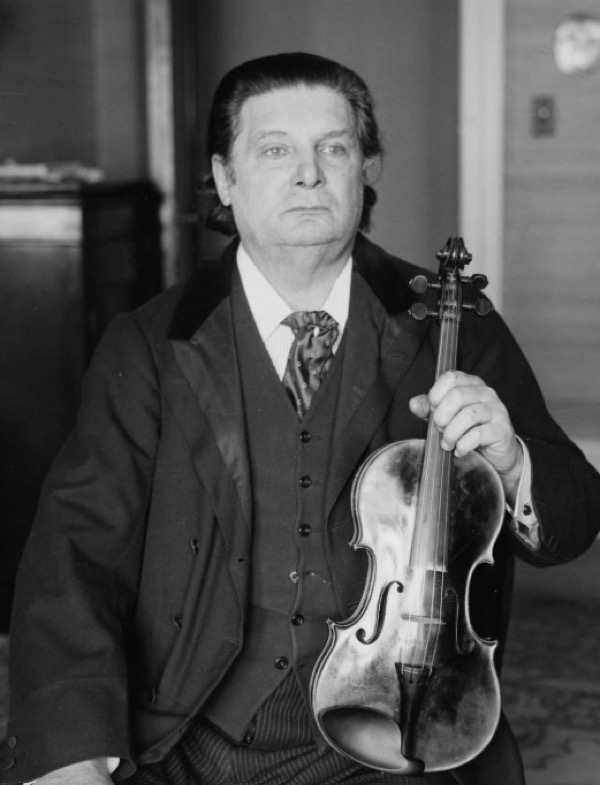
Eugène Ysaÿe
Eugène Ysaÿe is primarily remembered as a violinist and composer. However, he also crafted a cello sonata, an unaccompanied work in four relatively short movements. It is dark, reflective, and introverted, and Parnas must sustain the musical argument on his own.
Parnas creates wonderful contrasts and is not afraid to let the music speak with considerable intensity. Emotionally direct and decidedly Romantic in inclination, Parnas has been taken to task for his aggressive approach to phrasing. In this recording, however, he beautifully draws together the long opening melodic lines with a Finale that sparkles with rhythmic bite.
Eugène Ysaÿe: Cello Sonata, Op. 28 (Leslie Parnas, cello)
Precision and Purpose
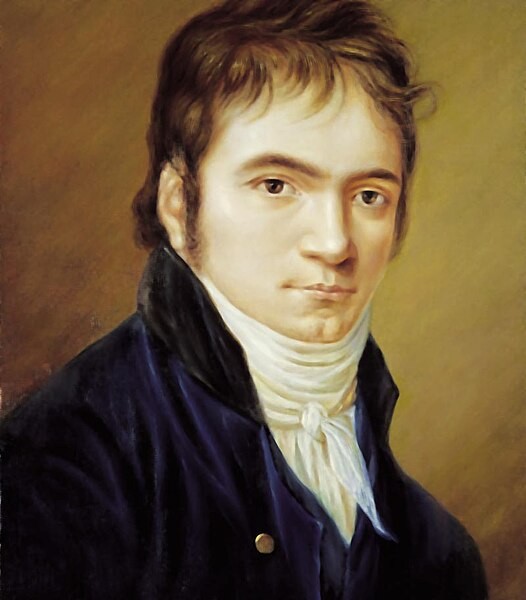
Christian Horneman: Ludwig van Beethoven, 1803 (Beethovenhaus Bonn)
Ludwig van Beethoven was an important part of Parnas’ repertoire, as he recorded the Triple Concerto, the Archduke Trio, and five cello sonatas with pianist Einar Steen-Nøkleberg.
His Beethoven interpretations always feature a generous, singing cello tone. His phrasing is meticulous, and Parnas is always aware of the musical architecture. With a firm rhythmic direction, Parnas achieves a strong expressive projection.
Cellist and former student Eric Edberg recalls that Parnas always insisted on accurate intonation and thoughtful phrasing. In fact, discussions of phrasing made up a substantial part of every lesson.
Ludwig van Beethoven: Cello Sonata No. 3 in A Major, Op. 69 (Leslie Parnas, cello; Einar Steen-Nøkleberg, piano)
Grandeur and Virtuosity
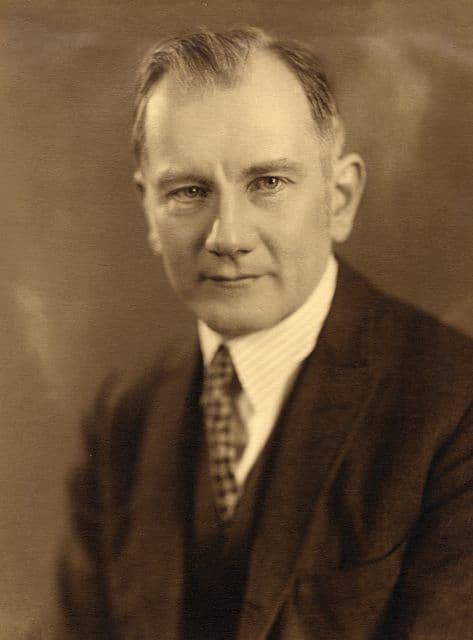
Ernő Dohnányi
Dohnányi wrote the relatively unknown cello sonata in 1899, when he was still in his twenties. We might classify it as belonging to the late-Romantic Hungarian tradition, with Brahms as a major part of its musical background.
The Brahms influence is unmistakable, and Parnas seems thoroughly at home in Dohnányi’s expansive language. As always, he produces a naturally rich cello tone, and effortlessly shifts between sweeping lyricism and moments of intimate reflection.
The concluding variation set is particularly gripping, as each variation has its own personality, imbued with virtuosity and characterisation.
Ernő Dohnányi: Cello Sonata in B-Flat Minor, Op. 8 (Leslie Parnas, cello; Manfred Fock, piano)
A Meeting of Equals
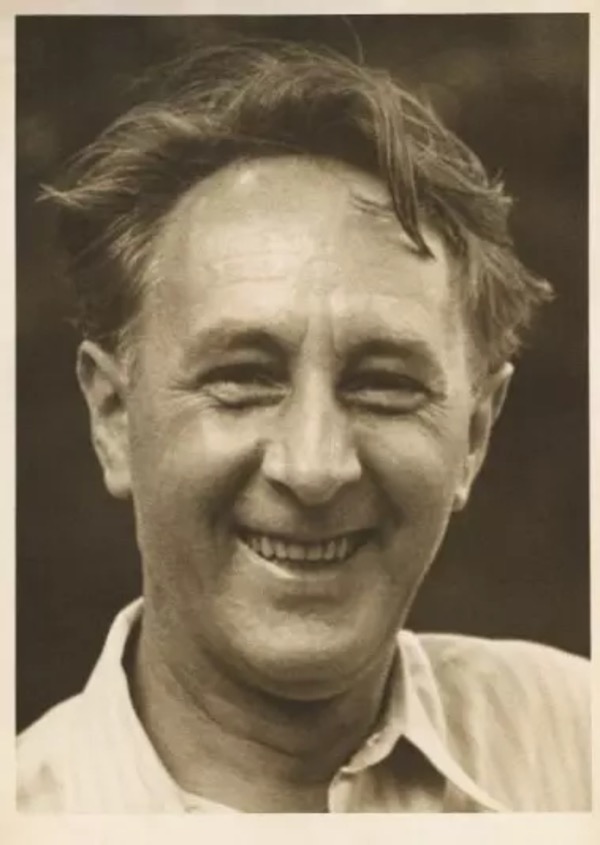
Bohuslav Martinů
Leslie Parnas and Josef Suk team up in Bohuslav Martinů’s Duo No. 1 for Violin and Cello, a work written in Paris in 1927. It reflects the composer’s encounter with the world of Ravel, Stravinsky and jazz.
Scored in two contrasting movements, the work opens with a restless and atmospheric movement and progresses to an exuberant Rondo. The partnership brings together distinguished and seasoned performers.
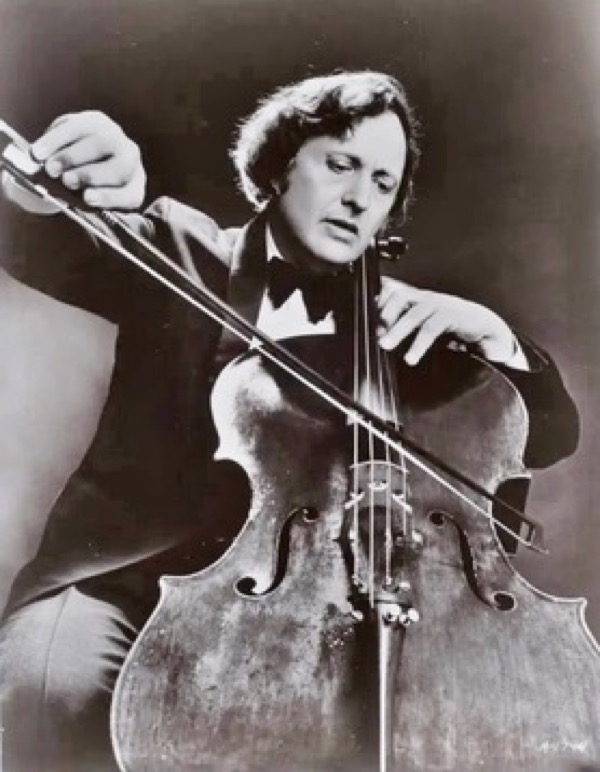
Leslie Parnas
In our featured recordings, we discover the entire range of Parnas’ musical personality. However, these recordings offer only a glimpse of his much wider legacy, which also includes nearly 50 years of dedicated teaching at the Boston University School of Music.
For more of the best in classical music, sign up for our E-Newsletter
Bohuslav Martinů: Duo No. 1 for Violin and Cello, H. 157 (Josef Suk, violin; Leslie Parnas, cello)