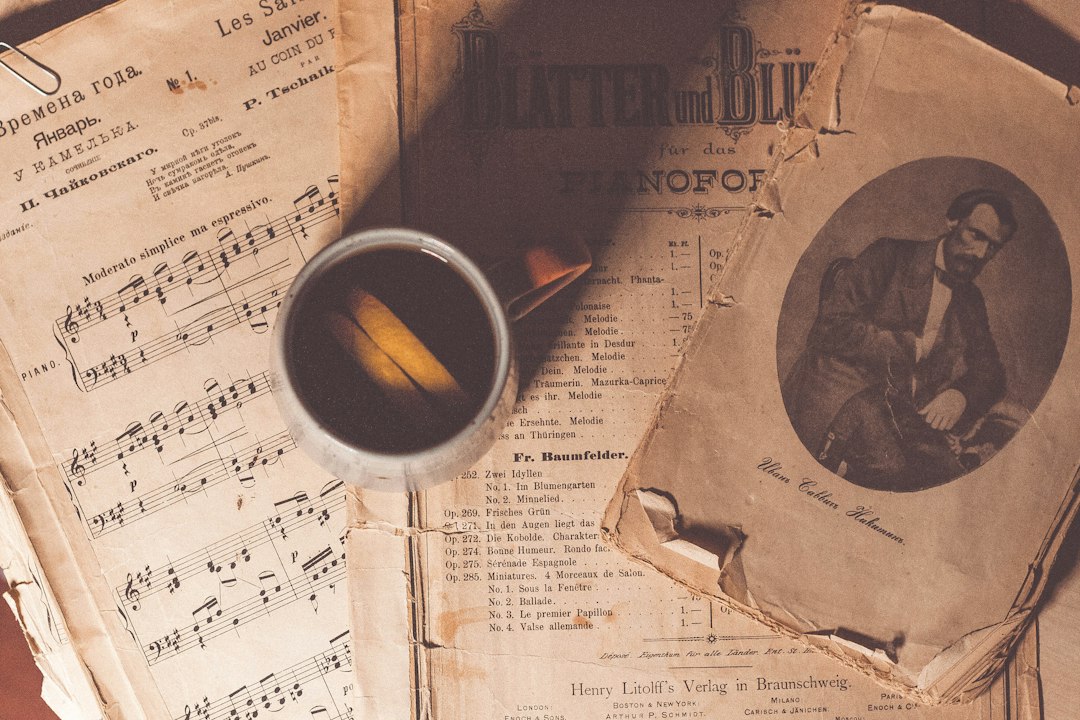
Credit: The Student Music Organizer on Facebook
Explore

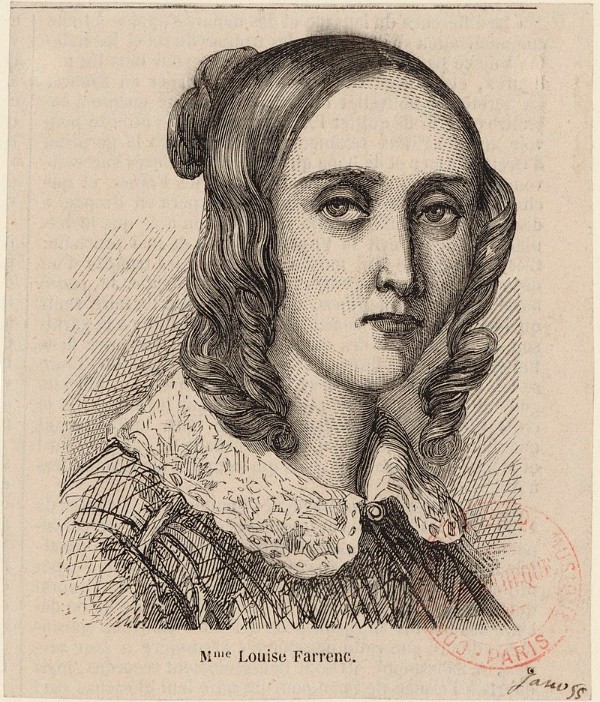
Classical music history remembers Mendelssohn, Schumann, Liszt, Dvořák, Wagner, Vaughan Williams, and Stravinsky as “great composers”: men who helped create the orchestral repertoire for a century, between the 1840s and 1940s. But women composers were also composing at the same
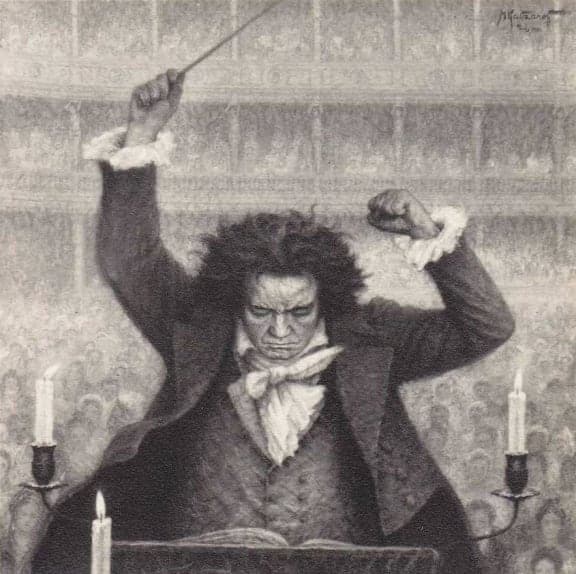
Beethoven’s middle period piano sonatas consist of the sonatas from Op. 31 through Op. 90, twelve piano works composed between 1801 and 1814. This is Beethoven at his most recognisable, writing iconic sonatas like the Waldstein, the Appassionata, and the
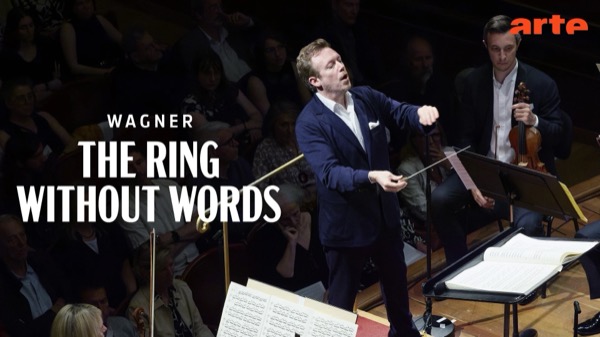
In 1987, American conductor Lorin Maazel, in collaboration with the Berlin Philharmonic, captured Richard Wagner’s mammoth opera cycle in purely orchestral form—the Ring Without Words stripped away all vocal elements while preserving the cycle’s dramatic integrity. Filmed in Geneva in

Winter listening sometimes calls for a different kind of classical music. During this time of year, many listeners gravitate toward pieces that are quiet and emotionally contained: music that can exist comfortably alongside candlelight, reading, or reflection. The Danes and
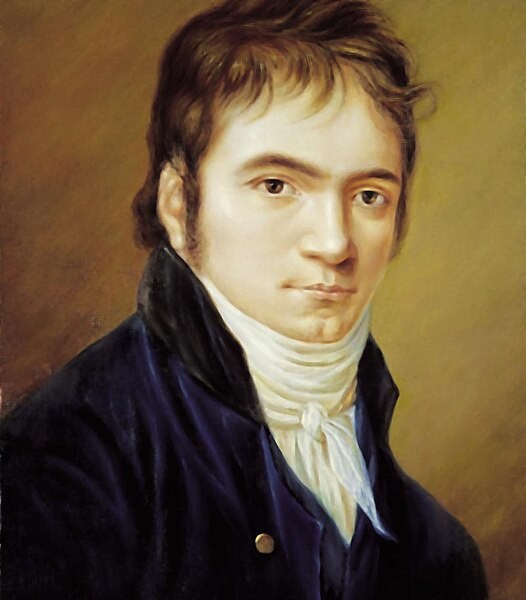
During the 19th century, Beethoven and his affinity for the piano sonata – he wrote 32 in all – made a major mark on the era’s music. Composers from every decade were in constant conversation with Beethoven’s piano sonatas: quoting