
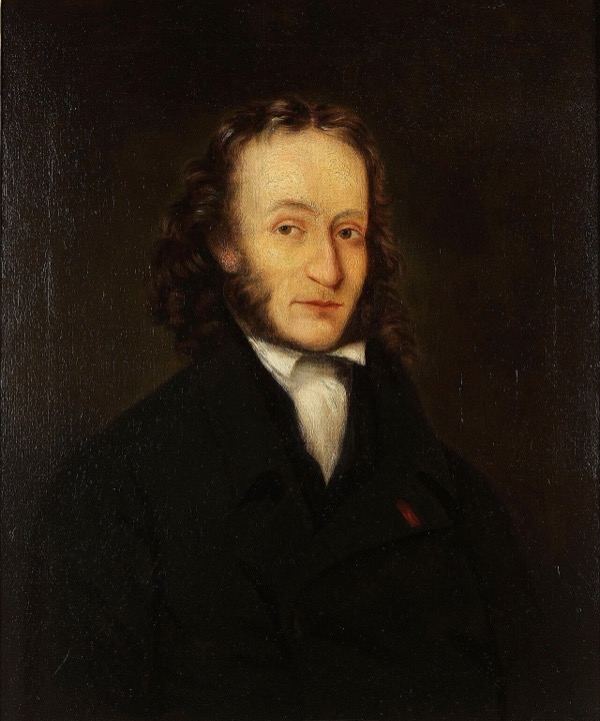
Niccolò Paganini, born on 27 October 1782 in Genoa, Italy, was the ultimate showman long before that term even existed. Reports said that during performances, his eyes would roll back in his head while he played. His magnetism was so
Articles
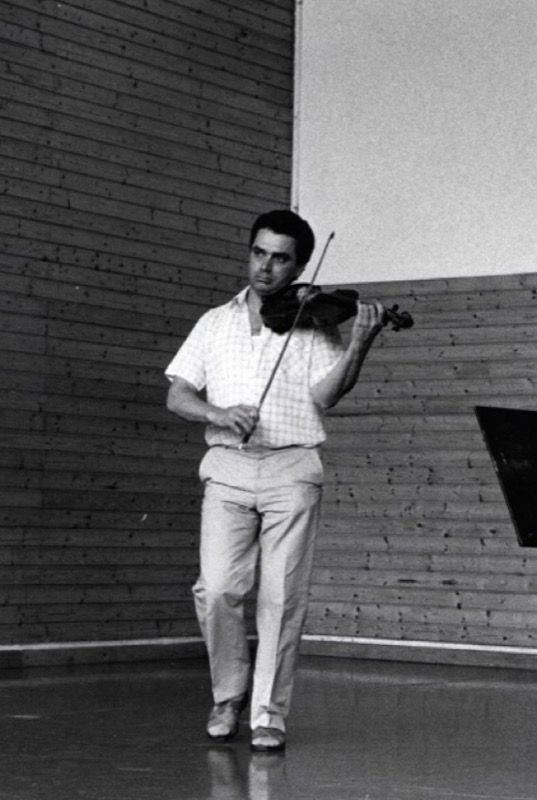
Philippe Hirschhorn won the 1967 Queen Elisabeth Competition with a performance of Paganini’s Violin Concerto No. 1 that many violinists still call the greatest ever recorded – and then all but vanished from the international stage. The Soviet Union wouldn’t

I’ve been writing about music and musicians for over 16 years now – and what started as a hobby has turned into a profession. I’ve reviewed concerts and recordings, interviewed musicians, written about practising and performance, repertoire and interpretation, teaching
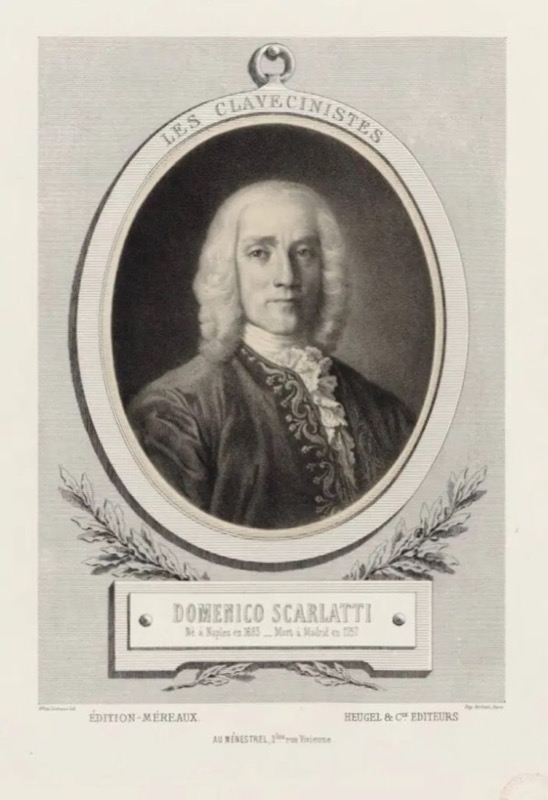
Domenico Scarlatti Beyond the Keyboard (Born on October 26, 1685)
Devotion, Drama & Vocal Brilliance
Devotion, Drama & Vocal Brilliance
Domenico Scarlatti, born on 26 October 1685 in Naples, Italy, composed 555 keyboard sonatas for harpsichord or the earliest pianofortes. Only a small fraction of these sonatas were published during his lifetime, but his most famous collection, his 30 Essercizi,
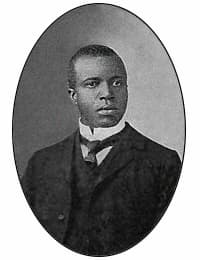
Classical music anniversaries in November span nearly four centuries, from Jean-Baptiste Lully’s birth in 1632 to Nelson Freire’s death in 2021. This month gave us the births of Bellini, Borodin, Falla, Joplin, and Hindemith; the deaths of Mendelssohn, Rossini, Tchaikovsky,
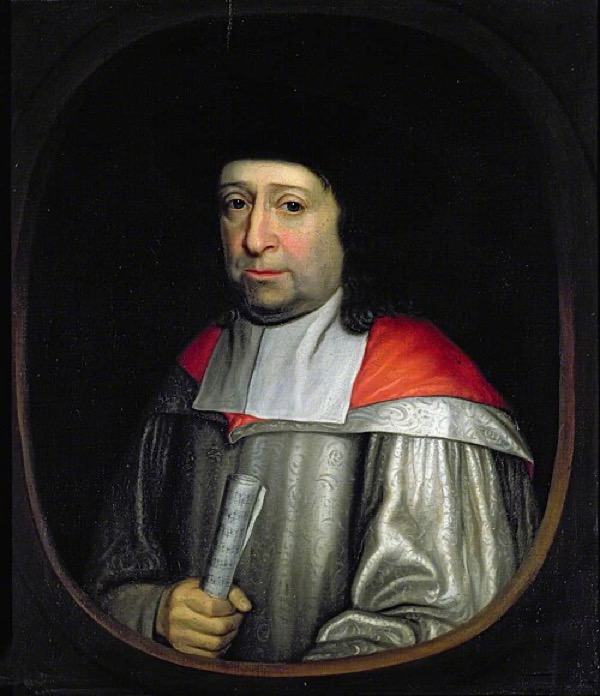
Orlando Gibbons (1583–1625) has been called the “English Palestrina,” and Glenn Gould’s favourite composer. He compared Orlando Gibbons to Beethoven and Webern. He suggested, “Like Beethoven in his last quartets, or Webern at almost any time, Gibbons is an artist
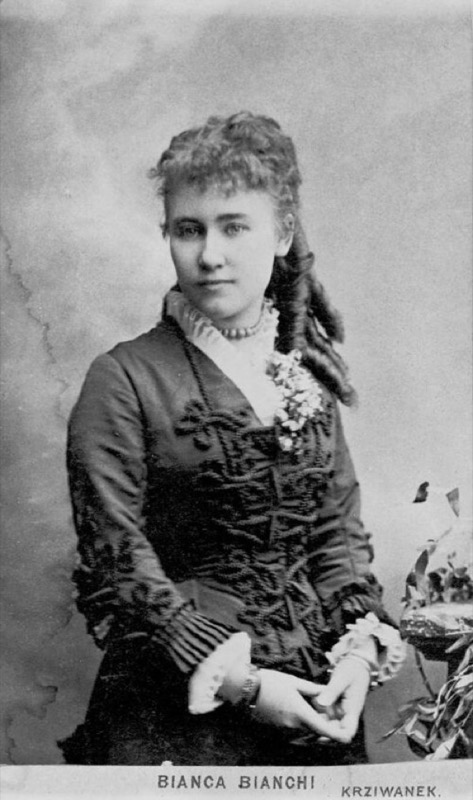
Johann Strauss Jr. (1825–1899) wrote more than 500 waltzes, polkas, quadrilles, and other dance forms. Dubbed the “Waltz King,” his name is synonymous with the Viennese waltz, a form he both refined and immortalised. With his unique blend of charm,
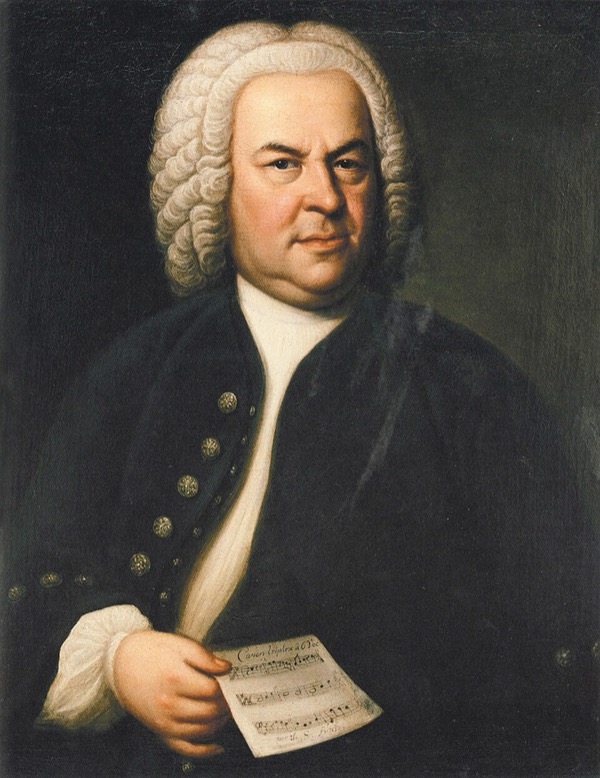
Johann Sebastian Bach is a favourite composer for many musicians; his intricate, intellectual works are the musical equivalent of Holy Scripture. But the person behind the music was decidedly human. He was an orphan and a father of twenty –