When you hear the name Ralph Vaughan Williams, you might picture rolling English hills, folk songs drifting through the air, or grand orchestral works that feel like they capture the soul of a nation.
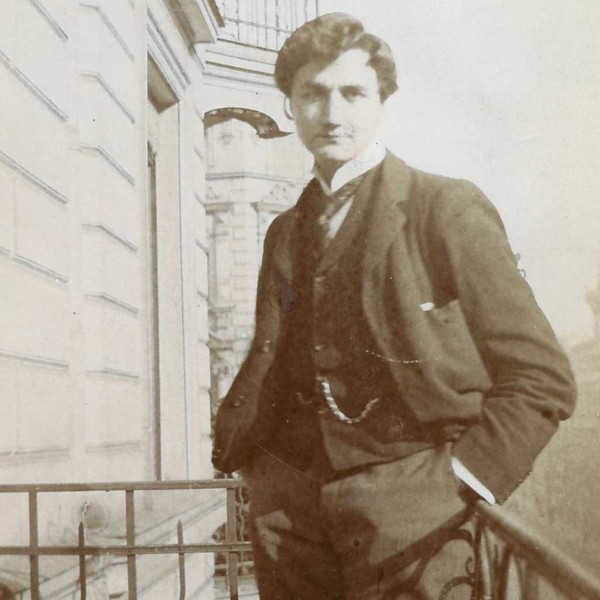
Ralph Vaughan Williams, 1898
Vaughan Williams, one of Britain’s most beloved composers, is known for his symphonies, choral works, and pieces inspired by English folk music.
However, his concertos are some of his most exciting and approachable works. Vaughan Williams died on 26 August 1958, and he wrote concertos for a variety of instruments, the violin, piano, oboe, tuba, and even an unusual one for harmonica.
These works aren’t just for music scholars; they are full of melodies, emotions, and stories that anyone can enjoy. To commemorate the anniversary of his passing, let’s dive into his major concertos and get to know their personalities.
Oboe Concerto in A minor
Let’s get started with something gentle and soulful, like the Oboe Concerto in A minor, composed in 1944. It feels like a song of the landscape, as the warm and reedy sound produces music that feels like a love letter to the English countryside.
This concerto was written during World War II, and you can hear a sense of longing and peace in it, as if Vaughan Williams was dreaming of a calmer world. The oboe plays melodies that sound like folk songs or bird calls, floating over a soft, shimmering orchestra.
The three movements flow beautifully. The first is serene, the second is playful and dance-like, and the third is deeply emotional, with a bittersweet ending. The oboe’s voice is so human and expressive that it feels like it’s singing just for you.
Violin Concerto in D minor
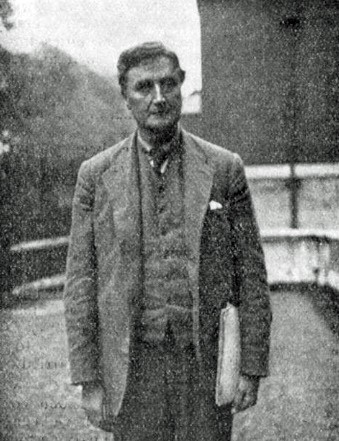
Ralph Vaughan Williams
John Williams: Violin Concerto (Emmanuelle Boisvert, violin; Detroit Symphony Orchestra; Leonard Slatkin, cond.)
Vaughan Williams loved English folk music, and you can hear it very clearly in his Violin Concerto. Actually, it is titled “Concerto Accademico,” and was written in 1925. But don’t let the fancy name fool you, it is just a lovely dance with a touch of elegance.
The solo violin plays melodies that feel like they could come from a village festival, with a bit of a classical twist. The concerto has the typical three movements, and the opener is bright and energetic, like a walk through a bustling market.
The violin darts around with playful tunes, while the orchestra adds rich, warm colours. The second movement is slower and more thoughtful, almost like a quiet moment of reflection by a river. This movement, with its haunting beauty, is a great entry point, and the final movement brings back the energy with the violin leading a spirited dance that feels like a celebration.
Piano Concerto in C Major
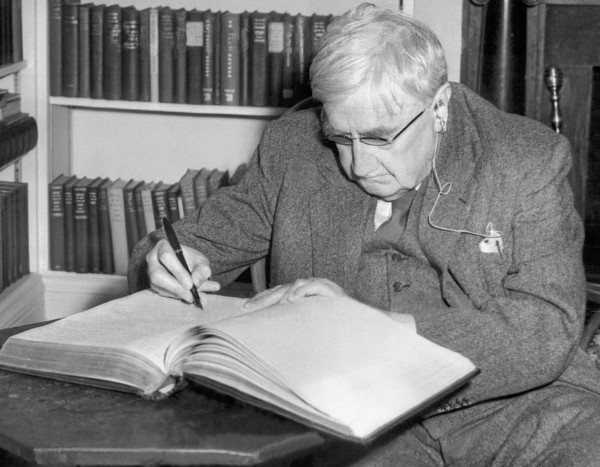
Ralph Vaughan Williams, 1954
Ralph Vaughan Williams: Piano Concerto in C Major (Louis Lortie, piano; Toronto Symphony Orchestra; Peter Oundjian, cond.)
To be honest, the Piano Concerto in C Major is a bit of a beast. Written between 1926 and 1931, it is a big and bold piece that shows Vaughan Williams experimenting with a mixture of romantic, neoclassical and pastoral elements.
Unlike the gentle, folk-inspired violin concerto, this one feels more modern and dramatic, with moments of stormy intensity. The piano in this concerto is like a hero on a quest. It battles the orchestra with powerful chords, then sings lyrical melodies in quieter moments.
The first movement is grand and adventurous, with the piano and orchestra trading big, cinematic ideas. The second movement is slower and dreamier, with a touch of mystery, like moonlight on a lake. The third movement is a wild ride, full of energy and surprises, ending with a bang. You don’t need to know music theory to feel the drama or get swept up in the piano journey. If you like movie soundtracks with big, epic movements, give this concerto a listen.
Concerto for Two Pianos
If you thought one piano in a concerto was exciting, imagine two pianos teaming up with an orchestra. The Vaughan Williams Concerto for Two Pianos and Orchestra in C Major is a vibrant, dramatic, and sometimes quirky work that’s perfect for anyone new to classical music.
It’s actually a reworking of his earlier Piano Concerto in C Major. In 1946, Vaughan Williams revised it for two pianos at the suggestion of pianist Phyllis Sellick, who, along with her husband Cyril Smith, premiered the new version. The result is a piece that’s bold, colourful, and full of personality.
Vaughan Williams originally wrote the single-piano version during a time when he was experimenting with modern, edgy sounds. The original Piano Concerto was intense and dramatic, but some found it a bit heavy for one piano. When Sellick suggested a two-piano version, Vaughan Williams saw a chance to make it even more dynamic. By doubling the pianos, he gave the music more power and sparkle, letting the soloists bounce ideas off each other like a musical conversation.
Tuba Concerto in F minor
The surprising star of the Tuba Concerto in F minor from 1954, you guessed it, is the tuba. Normally, we associate that big, deep-sounding brass instrument with an “oom-pah” band, but Vaughan Williams turns it into a star.
The Tuba Concerto is fun, quirky, and full of personality. And since the tuba isn’t usually a solo instrument, Vaughan Williams had to get creative. He gives the tuba melodies that are surprisingly lyrical, along with some playful and bouncy moments.
The first movement is bold and cheerful, with the tuba showing off its range. The second movement is slower and more tender, proving the tuba can sing like a cello. The third movement is a lively romp, with the tuba dancing around the orchestra. This concerto is a blast because it’s so unexpected. Check out the third movement for its infectious energy and pure fun.
Romance for Harmonica
Ralph Vaughan Williams: Romance (Tommy Reilly, harmonica; Academy of St. Martin in the Fields Orchestra; Neville Marriner, cond.)
If you thought the tuba concerto was unusual, let’s talk about something really unusual: the Romance for Harmonica and Orchestra from 1951. You heard correctly, as Vaughan Williams wrote the piece for harmonica, that little instrument you might associate with folk or blues music.
This short work isn’t a full concerto, but it’s so charming that it deserves a mention. The Romance is a single movement, gentle and nostalgic, with the harmonica playing a sweet, flowing melody over a lush string orchestra. It feels like a memory of simpler times, maybe a quiet evening by a fireplace.
The harmonica’s unique sound gives it a folksy, down-to-earth vibe that’s instantly likeable. For new listeners, this piece is a great introduction to Vaughan Williams because it’s short and feels highly personal. It’s like a warm hug in musical form.
The Lark Ascending
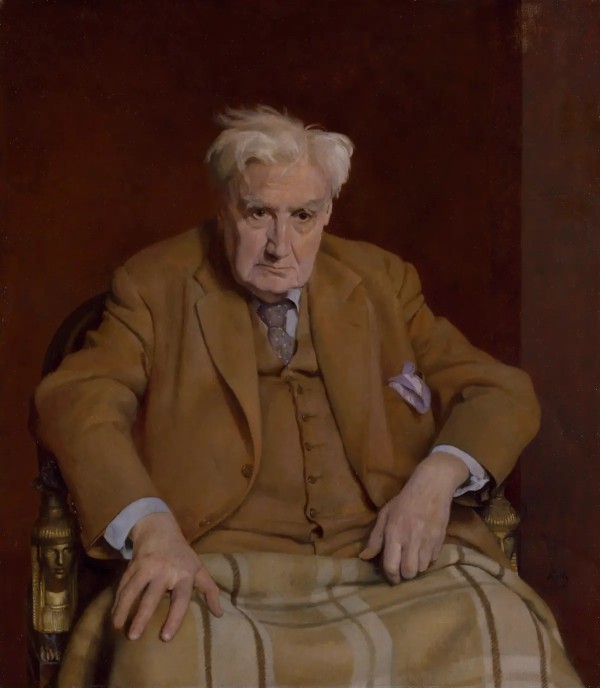
Ralph Vaughan Williams
We can’t talk about Vaughan Williams’ concertante works without featuring his most famous The Lark Ascending was written in 1914 and revised in 1920, and this piece for solo violin and small orchestra isn’t technically a concerto but a “Romance.”
It’s a short and lyrical work full of poetry and emotion, like a bird soaring over the English countryside. It is breathtakingly beautiful and one of Vaughan Williams’ most beloved pieces for good reason.
The composer was inspired by a poem, which describes a skylark’s flight and song as a symbol of freedom and joy. He wrote the piece just before World War I, and there’s a sense of nostalgia and peace in it, as if capturing a perfect moment in nature. The solo violin plays the role of the lark, with delicate, fluttering melodies that seem to float higher and higher, while the orchestra paints a gentle, pastoral backdrop of fields and skies.
The Concerto Legacy
Vaughan Williams’ concertos are like an intimate window into his world. They show his love for English folk music, his knack for making unusual instruments shine, and his ability to capture big emotions in simple melodies.
Whether you’re drawn to the pastoral beauty of the Oboe Concerto, the drama of the Piano Concerto, or the fun of the Tuba Concerto, there’s something in his music for everyone. In fact, these works also remind us why Vaughan Williams is so special.
He wasn’t just writing for concert halls or music experts. He was writing for people who love beauty, nature, and stories. His concertos are a great way to discover classical music because they’re inviting, not intimidating.
So, next time you have a quiet moment, put on one of Vaughan Williams’ concertos. Let the music take you to the English countryside, a stormy adventure, or a playful dance. You don’t need to be a music expert to enjoy it; all you need is an open heart and a curious ear.
For more of the best in classical music, sign up for our E-Newsletter