
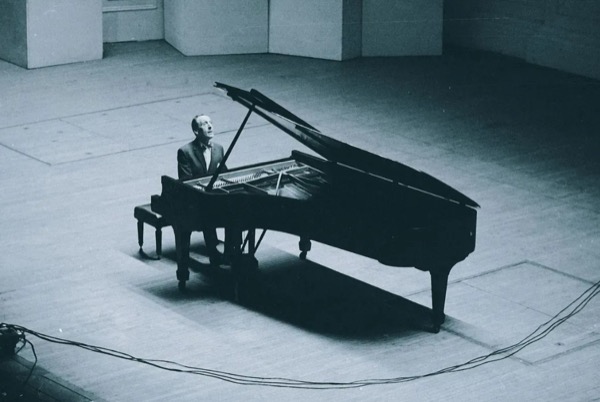
All seven careers on this list stopped for years, sometimes decades – for wildly different reasons. Vladimir Horowitz suffered from nervous exhaustion. Leon Fleisher and Murray Perahia lost the use of their hands. Ivo Pogorelić withdrew from the stage after
Blogs
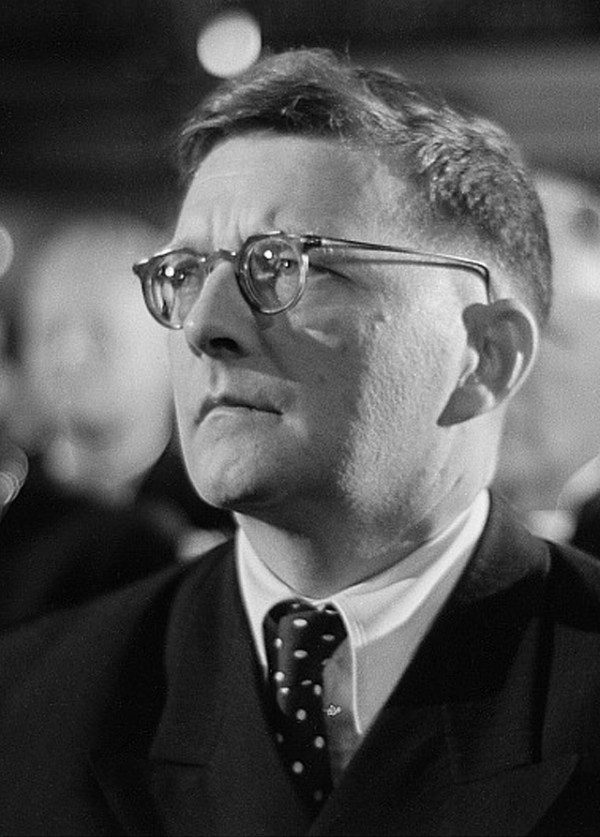
Dmitri Shostakovich wrote several of his greatest works knowing they might never be performed. Between 1936 and 1949, he composed a symphony, a violin concerto, a song cycle, and a string quartet that were too dangerous to premiere under Stalin.
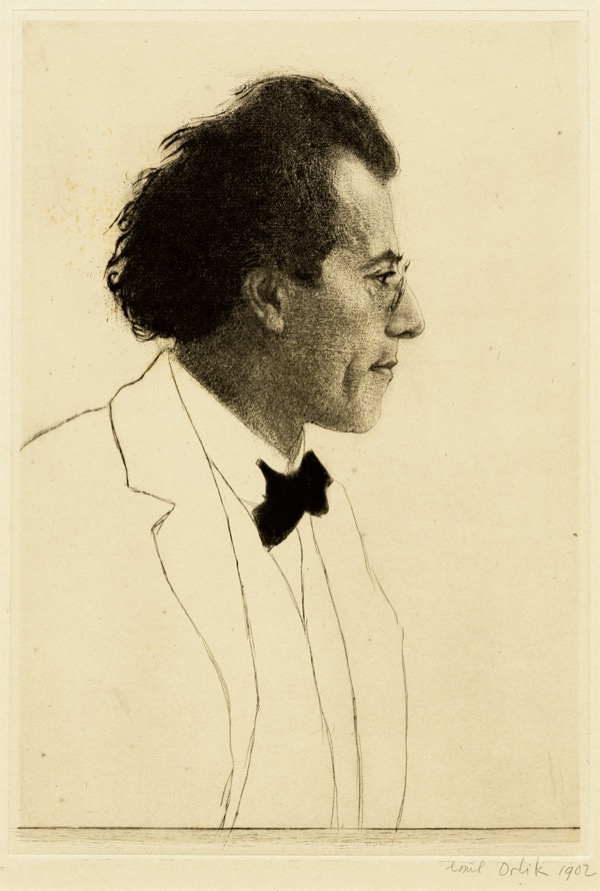
The five composers here represent two different kinds of silencing by the Nazis. Mendelssohn and Mahler were already dead by the time Hitler came to power. Both had converted to Christianity, but that meant nothing to a regime that measured
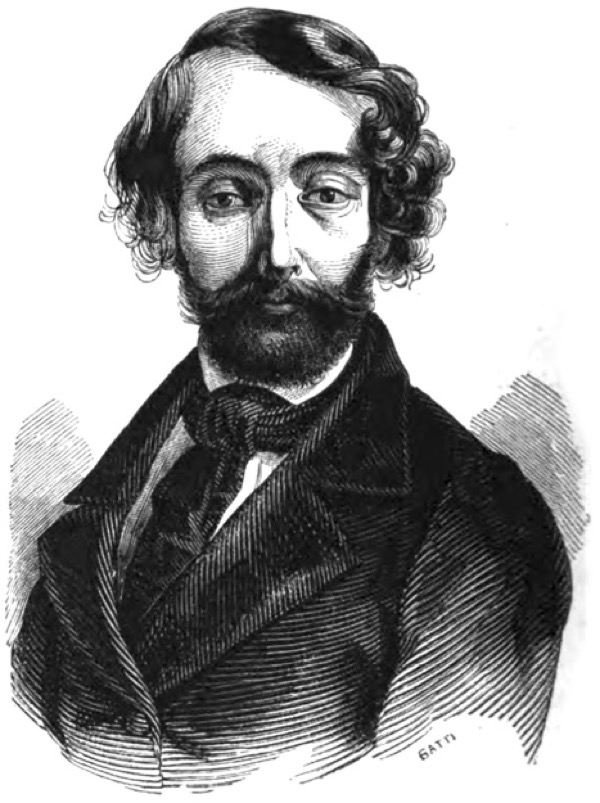
Recently I heard Dario Brignoli—principal clarinet of Chicago’s Grant Park Orchestra and the Tucson Symphony Orchestra—introduce a famous clarinet solo by Verdi before performing it. He mentioned that the solo was written for Ernesto Cavallini, “the Paganini of the clarinet.”
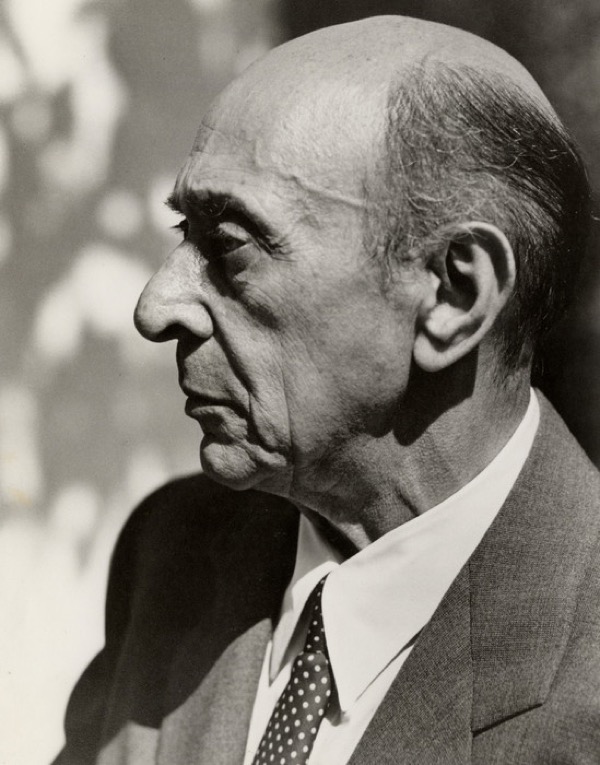
Not every composer targeted by the Nazis died in the Holocaust. The five men on this list got out before it was too late. Every one of their escape stories was dramatic. One sent a coded telegram to his wife;
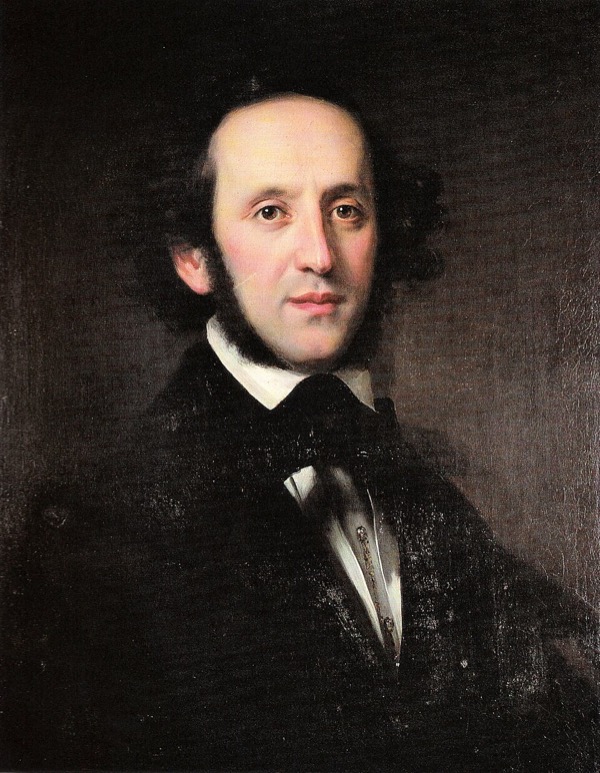
Many pieces of music have names that, on deeper reflection, are really oxymorons: the two words contradict each other. Some familiar oxymorons include jumbo shrimp, deafening silence, awfully good, original copy, and bittersweet, giving us a way to express the
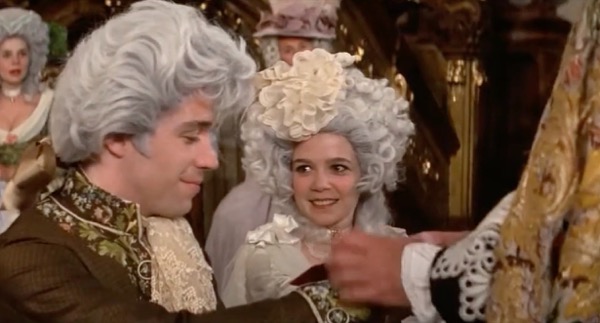
In the 2025–2026 season, Spanish early music master Jordi Savall and his longtime collaborator Luca Guglielmi completed a new performance version of Mozart’s famous unfinished masterpiece, the Mass in C minor (K. 427), and toured it across Europe. This article
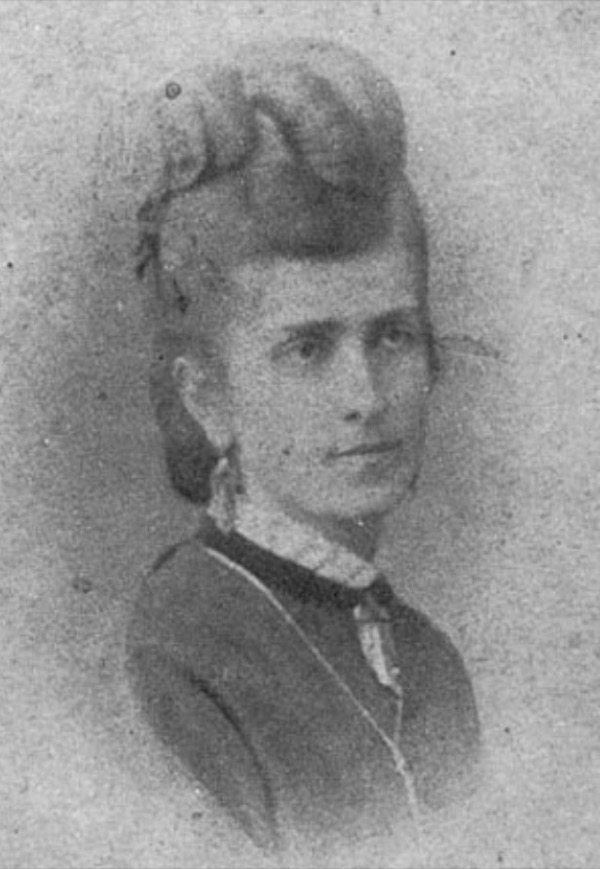
Many great composers had sisters, and those sisters shaped them more than most biographies say. They taught them piano, nursed them through fatal illness, and carried their family’s finances. Some of these women were musicians themselves. Others were nuns, teachers,