September’s classical music anniversaries span both continents and centuries – from a 12th-century abbess who preached at a time when women were forbidden to speak in church, to a 20th-century violinist who spent World War II translating for a government in exile.
The composers and performers born and remembered this month include pioneers of sacred monophony and jazz-inflected opera, visionary teachers and reluctant prodigies, and one famous composer who composed an operatic overture two days before its premiere.
Whether you’re here to hear the stories about Dvořák’s butcher father, Mozart‘s game-changing final triumph, or the cranes that circled above Sibelius’s house in his final days, September’s classical music anniversaries offer some of the most extraordinary stories the art form has to tell.
1 September 1912
Death of Samuel Coleridge-Taylor
Coleridge-Taylor’s Ballade for Orchestra
Mixed-race composer and conductor Samuel Coleridge-Taylor has a plaque on his grave that includes the inscription: “Too young to die – his great simplicity, his happy courage in an alien world, made all that knew him love him.”
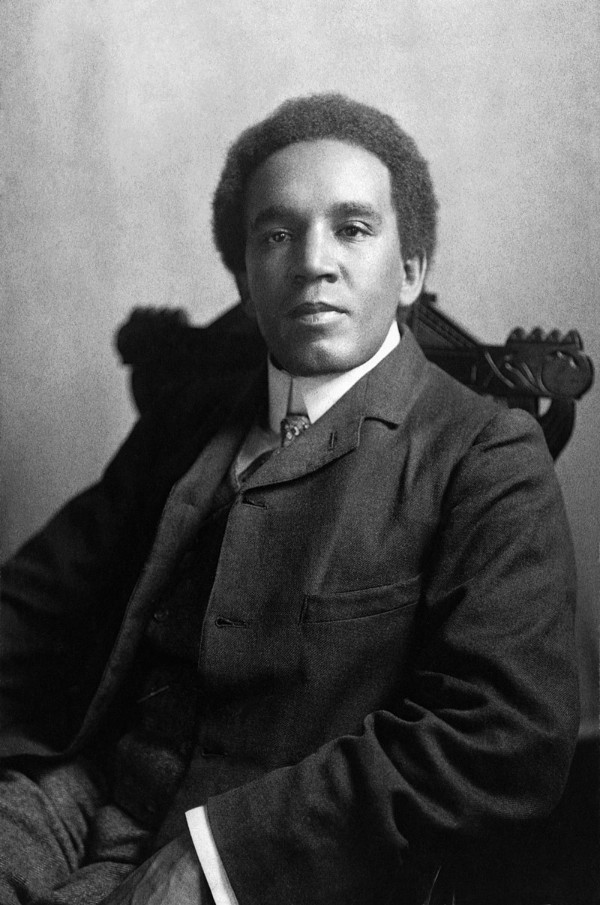
Adam Cuerden: Samuel Coleridge-Taylor, 1905 (Library of Congress, cph.3c22324)
Best known for his three cantatas on Longfellow’s The Song of Hiawatha, Coleridge-Taylor died of pneumonia on 1 September 1912, at the age of 37. His immune system had been worn down by overwork.
We looked at an Ulster Orchestra recording featuring some of Coleridge-Taylor’s greatest works here: https://interlude.hk/a-lost-master-samuel-coleridge-taylors-orchestral-music/.
2 September 1661
Birth of Georg Böhm
Böhm’s Suite in F minor
German Baroque organist and composer Georg Böhm was born in Hohenkirchen, Thuringia, the son of a schoolmaster and organist.
In 1698, he became organist at the Church of St. Johannis in Lüneburg, a post he held for the rest of his life.
A young resident named J.S. Bach almost certainly heard him play there. Bach appears to have taken great inspiration from Böhm’s compositions.
We reviewed a recording made on the same organ from which Bach may have taken lessons from Böhm: https://interlude.hk/playing-with-the-prelude-and-fugue-bachs-prelude-and-fugue-in-c-major/.
3 September 1695
Birth of Pietro Locatelli
Locatelli’s Il labirinto armonico
Italian violinist and composer Pietro Locatelli was among the most technically gifted violin soloists of his generation.
Sometimes called the “Paganini of the eighteenth century,” he played high notes on the violin that others had never dared attempt, and made the written-out cadenza a standard feature of the concerto.
He left behind a large library of Baroque music when he died in Amsterdam in 1764.
We dove into Locatelli’s Il labirinto armonico here: https://interlude.hk/in-the-harmonic-labyrinth-locatellis-capriccio-no-23/.
4 September 1824
Birth of Anton Bruckner
Bruckner’s Symphony No. 4
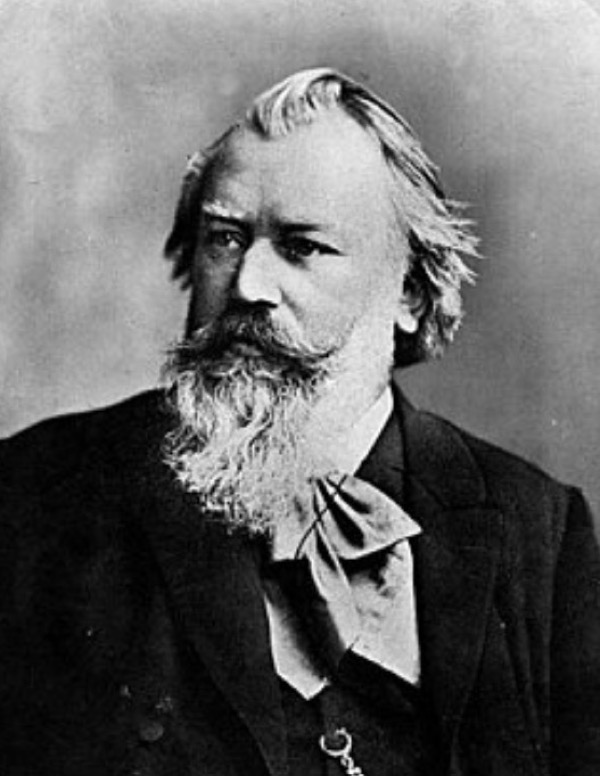
Austrian composer and organist Anton Bruckner, born in Ansfelden, was the eldest of eleven children to a family of schoolteachers.
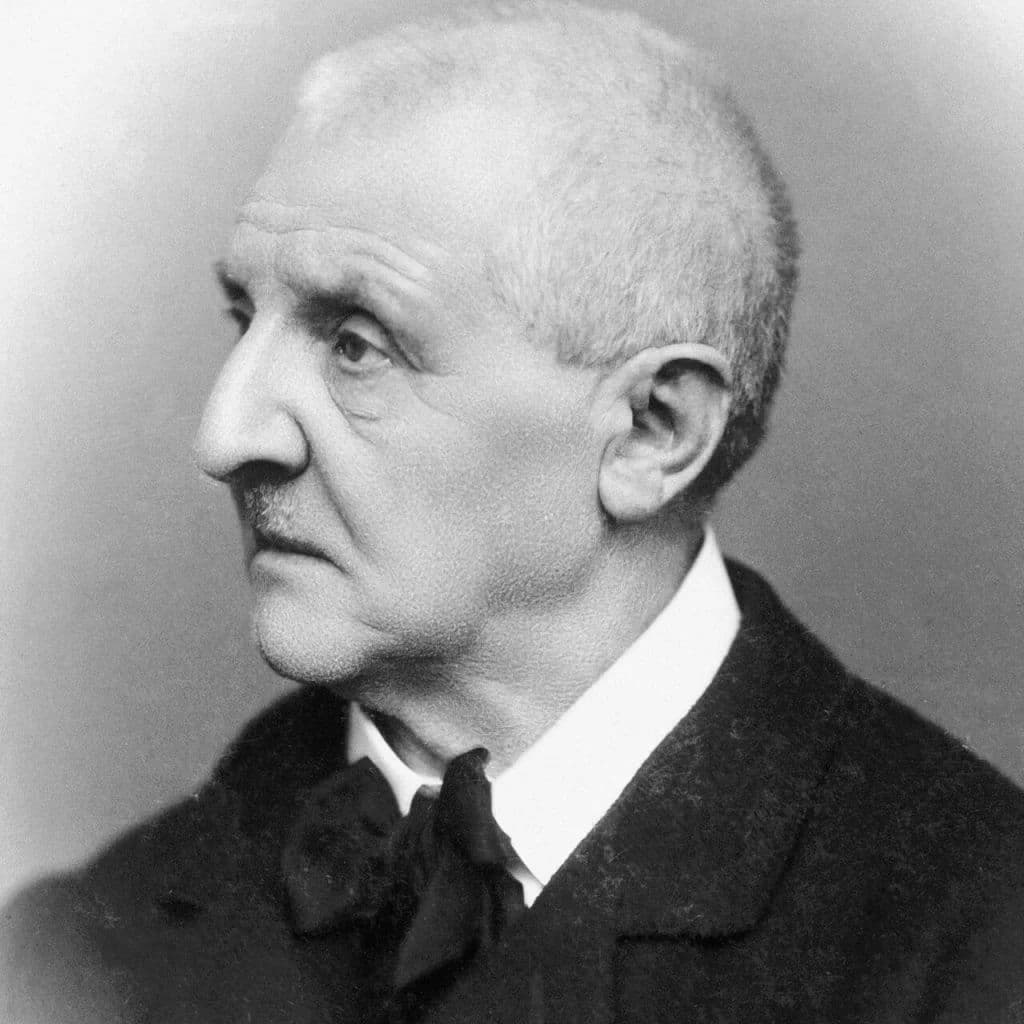
Anton Bruckner
After hearing Wagner‘s opera Tristan und Isolde in 1865, he became a lifelong devotee of the composer.
Although he was notably socially awkward and Viennese audiences usually leery of his music, his fourth symphony received acclaim when it was premiered in 1881.
We celebrated Bruckner’s 200th birthday with this article: https://interlude.hk/anton-bruckner-1824-1896-happy-200th-birthday-anton-bruckner/.
5 September 1867
Birth of Amy Beach
Beach’s Gaelic Symphony
Amy Marcy Cheney Beach was the first internationally successful American woman composer. Her “Gaelic” Symphony, premiered by the Boston Symphony Orchestra in 1896, was the first symphony composed and published by an American woman.
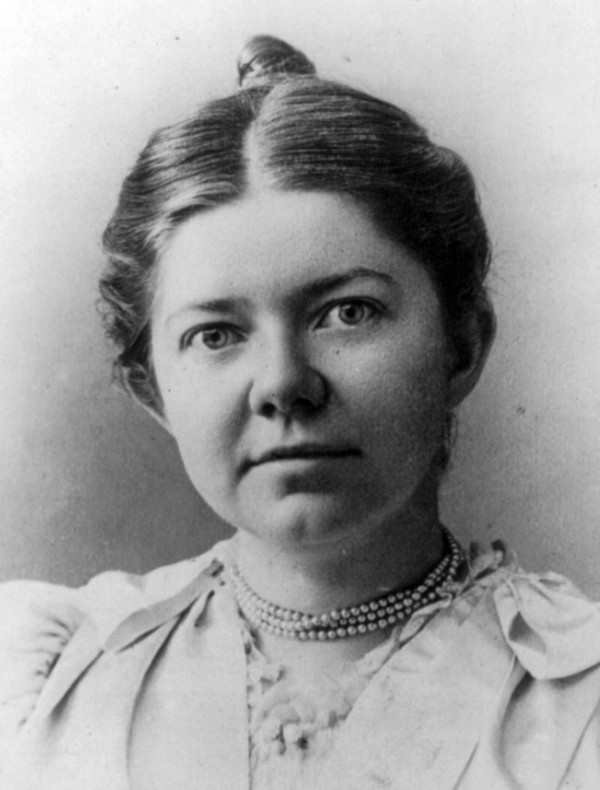
Amy Beach
A self-taught prodigy who reportedly sang in harmony by age two and wrote her first waltzes by age four, she went on to publish more than 300 works.
We delved into the extraordinary biography of Amy Beach here: https://interlude.hk/great-women-artists-shaped-music-vii-amy-beach/.
6 September 1938
Birth of Joan Tower
Tower’s Fanfare for the Uncommon Woman #6
Born in New Rochelle, New York, Grammy-winning composer Joan Tower moved to Bolivia at age nine. She became fascinated by the percussion she heard there while attending local saint’s day celebrations; that fascination later manifested in compositions that prioritised engaging rhythms.
Her 1986 work Silver Ladders won the Grawemeyer Award for Music Composition in 1990, making Tower the first woman and first American-born composer to receive that honour.
We looked at the varied inspirations behind Tower’s work here: https://interlude.hk/joan-tower-paying-homage-unique-statement/.
7 September 1961
Birth of Jean-Yves Thibaudet
Jean-Yves Thibaudet’s Tiny Desk concert
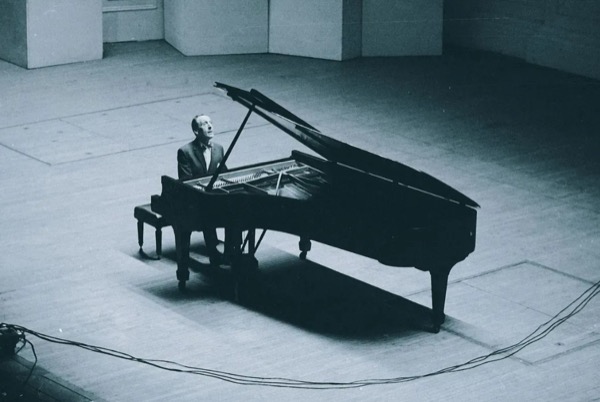
Born in Lyon to academic parents with a deep love of classical music, Jean-Yves Thibaudet began playing piano at age three and was performing with an orchestra by eleven.
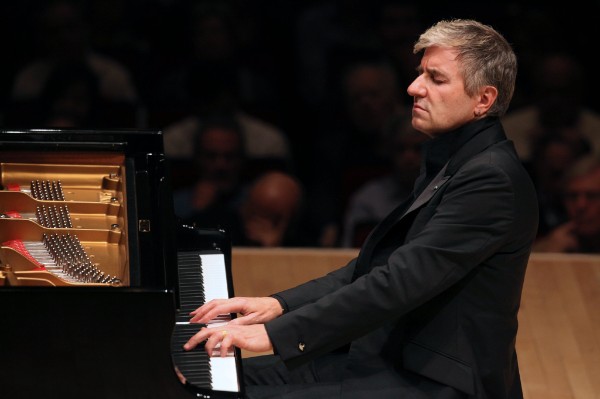
Jean-Yves Thibaudet
Thibaudet once met pianist Arthur Rubinstein backstage after a performance, announcing to the legend that he was going to become a concert pianist himself. Rubinstein took Thibaudet on his knee and told him to love and value his audience above all else – advice that Thibaudet has remembered with fondness in the years since.
We counted down seven of Thibaudet’s greatest recordings: https://interlude.hk/jean-yves-thibaudet-born-7-september-1961-keys-to-brilliance/.
8 September 1841
Birth of Antonín Dvořák
Dvořák’s Symphony No. 9
Born in Nelahozeves, near Prague, to a butcher and innkeeper who also played the zither professionally, Antonín Dvořák grew up surrounded by the folk idioms of his native Bohemia that would shape his mature musical language.
Despite his father’s wish that he take over the family trade, Dvořák trained as a violinist and violist instead, eventually becoming the first Bohemian composer to achieve worldwide recognition.
We looked at Dvořák’s childhood here, and how he went from being the son of a butcher to one of the greatest composers of his generation: https://interlude.hk/on-this-day-8-september-antonin-dvorak-was-born/.
9 September 1899
Birth of Maria Yudina
Yudina’s performances of Schubert’s Impromptus
Soviet pianist Maria Yudina was born into a Jewish family in Nevel, in what was then the Russian Empire, and trained at the Petrograd Conservatory alongside classmates like Dmitri Shostakovich.
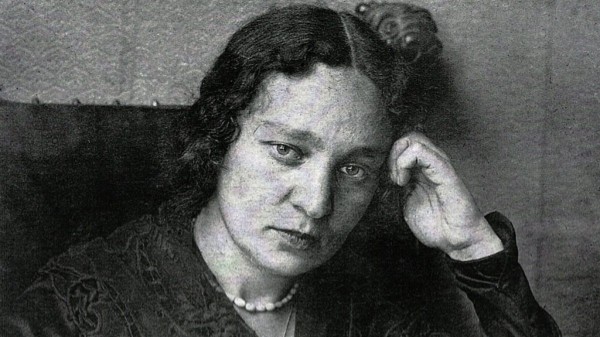
Maria Yudina
After converting to Orthodox Christianity in 1919, she was eventually dismissed from her teaching post at the Conservatory for her religious convictions. However, she continued performing, championing works by Stravinsky, Hindemith, Krenek, and Bartók at a time when these composers were being suppressed in the Soviet Union.
We wrote an article about Yudina’s fascinating biography here – and how she defied Stalin: https://interlude.hk/maria-yudina-the-fearless-soviet-pianist-who-defied-stalin/.
10 September 1838
Premiere of Berlioz‘s opera Benvenuto Cellini
Berlioz’s Overture to Benvenuto Cellini
Berlioz was a well-respected composer in Paris and poised for success when Benvenuto Cellini premiered on 10 September 1838.
But while the overture drew enthusiastic applause, the opera itself was, in his own words, “hissed with admirable energy and unanimity.”
The production managed only a few performances before its lead tenor abruptly abandoned the title role. Berlioz eventually withdrew the opera altogether – and the Paris Opéra never forgave him for it.
The opera’s failure would impact his professional prospects for years to come.
We looked at the plot and premiere of Berlioz’s massive opera here: https://interlude.hk/berlioz-benvenuto-cellini-premiered-today-1838/.
11 September 1935
Birth of Arvo Pärt
Pärt’s Tabula rasa
Composer Arvo Pärt was born in Paide, Estonia, in 1935.
In 1976, he developed a compositional technique he called tintinnabuli, a unique musical style named after the Latin for “little bell.”
As a child, Pärt played on a damaged piano whose middle register didn’t work, so he learned to play only high and low notes – combining, in his words, “reality with fantasy.”
We looked at Pärt’s childhood here, and how that broken piano may have impacted his mature musical language: https://interlude.hk/on-this-day-11-september-arvo-part-was-born/.
12 September 1840
Marriage of Robert Schumann and Clara Wieck
Robert Schumann’s piano concerto
After Clara’s father waged a years-long campaign against the match – harassing Schumann in the streets, intercepting Clara’s mail, and even threatening to shoot Robert – the couple finally married on September 12, 1840, the day before Clara’s 21st birthday, after which she would have been legally free to marry without her father’s consent.
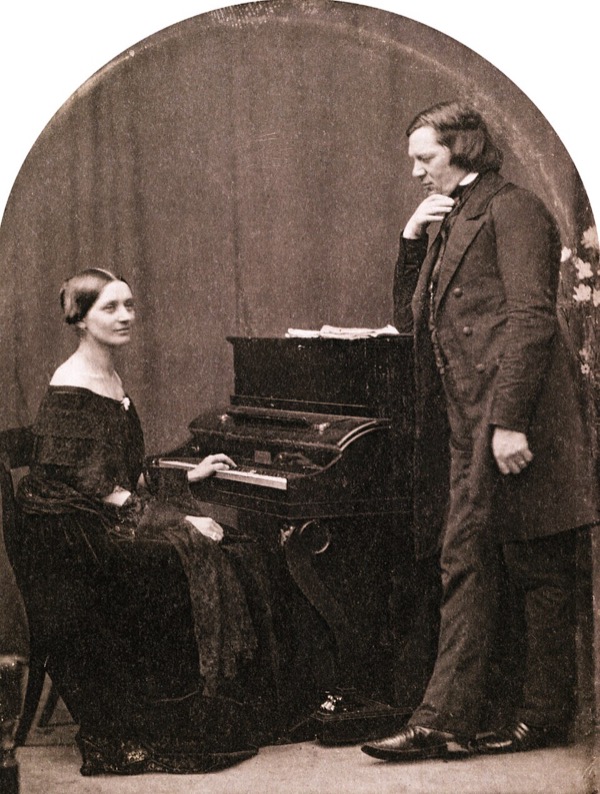
Robert and Clara Schumann, daguerreotype
The wedding was the happy conclusion to a very long and stormy courtship.
We looked at some of the Schumanns’ most romantic love letters here: https://interlude.hk/ten-excerpts-from-robert-schumanns-love-letters-to-clara/.
13 September 1819
Birth of Clara Wieck Schumann
Clara Wieck’s piano concerto
German virtuoso pianist, composer, and piano teacher Clara Wieck Schumann had one of the most influential music careers of the 19th century, giving the public premieres of many works by both her husband and Johannes Brahms, and helping to soften audiences’ prejudices against women piano soloists.
As a child prodigy, she was praised by royalty and the artistic elite of her time, including political royalty (such as the Austrian emperor) and cultural royalty (such as Goethe).
We looked at how Clara Wieck became one of the most astonishing prodigies of the 19th century: https://interlude.hk/on-this-day-13-september-clara-schumann-was-born/.
14 September 1737
Birth of Michael Haydn
Michael Haydn’s Requiem in C minor
Michael Haydn was born in the Austrian village of Rohrau to two amateur musicians, a wheelwright father and a mother who had worked as a cook. He was also the younger brother of Joseph Haydn, one of the greatest composers of all time.
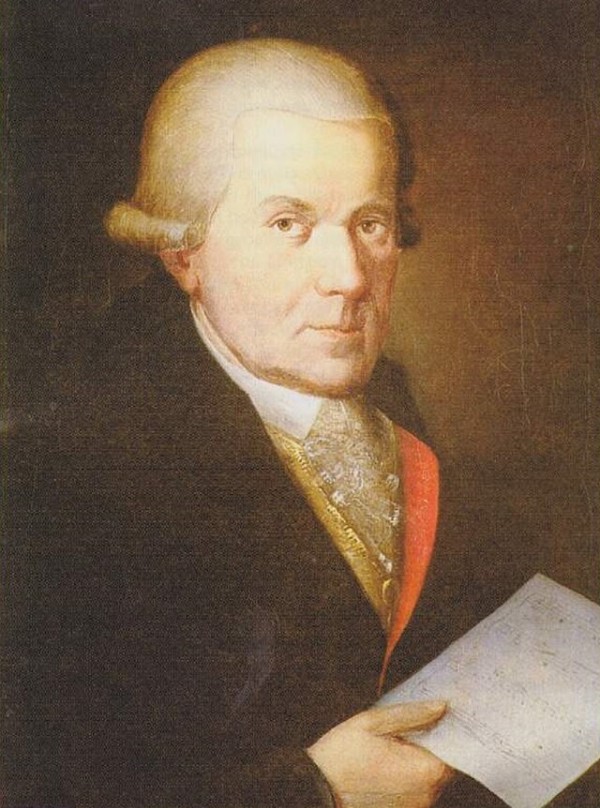
Michael Haydn
Some contemporaries believed Michael was actually the more talented of the two brothers, but today he lives largely in his famous sibling’s shadow.
We looked at the life of Michael Haydn and his relationship to Joseph Haydn in this article: https://interlude.hk/michael-haydn-the-overlooked-genius-behind-his-famous-brother/.
15 September 1945
Death of Anton Webern
Webern’s Cinq Pièces
After a family dinner on the evening of 15 September 1945, Austrian composer Anton Webern stepped outside his refuge in Mittersill to smoke a cigar his son-in-law had given him, so as not to disturb his grandchildren.
He was then accidentally shot by an American soldier who was conducting a sting operation against that son-in-law’s black-market dealings. Before he died, Webern murmured “Es ist aus” (“It is over”).
The soldier responsible, Raymond Bell, was haunted by the incident and died of alcoholism a decade later.
We looked at the dark story of Webern’s death here: https://interlude.hk/death-penalty-for-smoking/.
16 September 1887
Birth of Nadia Boulanger
Nadia Boulanger’s Fantaisie variée pour piano et orchestre
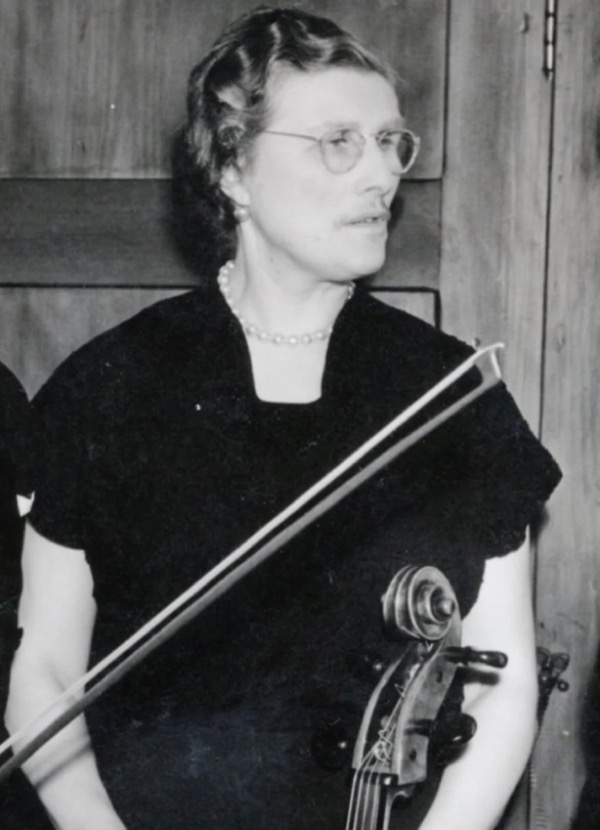
Born in Paris into a musical family, Nadia Boulanger studied at the Conservatoire from childhood.
Her younger sister Lili turned out to be one of the great prodigies in music history, and Nadia decided that, in comparison, she lacked talent as a composer. She turned to teaching instead.
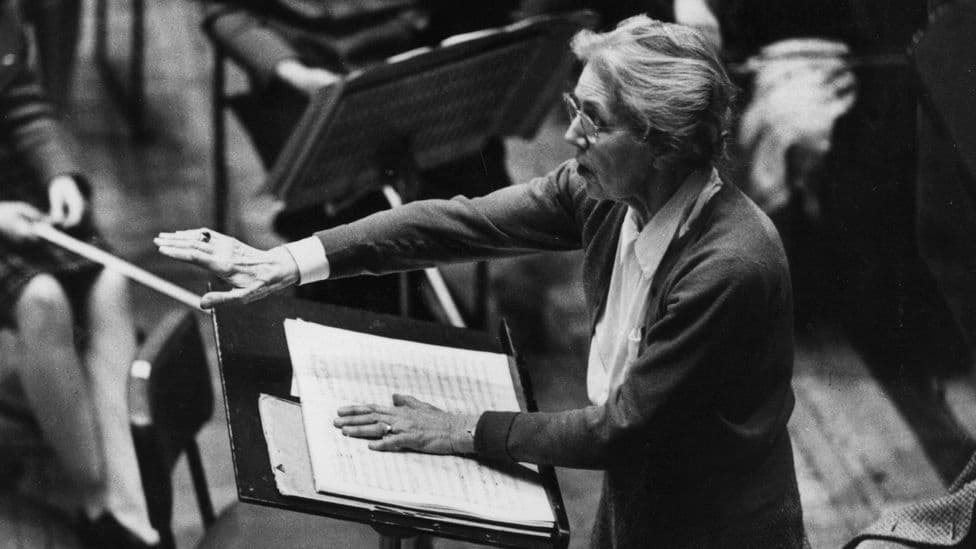
Nadia Boulanger
She went on to become the most important teacher of the 20th century, shaping generations of composers, soloists, and conductors, including Aaron Copland, Leonard Bernstein, Philip Glass, Astor Piazzolla, and Quincy Jones.
She also became the first woman to conduct major orchestras, including the Boston Symphony and the BBC Symphony.
We looked at Nadia Boulanger’s background and childhood here: https://interlude.hk/on-this-day-16-september-nadia-boulanger-was-born/.
17 September 1179
Death of Hildegard von Bingen
Hildegard von Bingen’s De Spiritu Sancto
German abbess, writer, composer, philosopher, and visionary Hildegard von Bingen was one of the best-known composers of sacred monophony, and she remains the most recorded composer of sacred monophony in modern history.
She undertook four preaching tours between 1158 and 1170 – an activity ordinarily forbidden to women – before dying at Rupertsberg at the age of 81.
She was canonised in 2012 and named a Doctor of the Church, one of only four women ever so honoured.
We delved into Hildegard’s many achievements here: https://interlude.hk/hildegard-von-bingen-nun-versatile/.
18 September 1587
Birth of Francesca Caccini
Francesca Caccini’s “Lasciatemi qui solo”
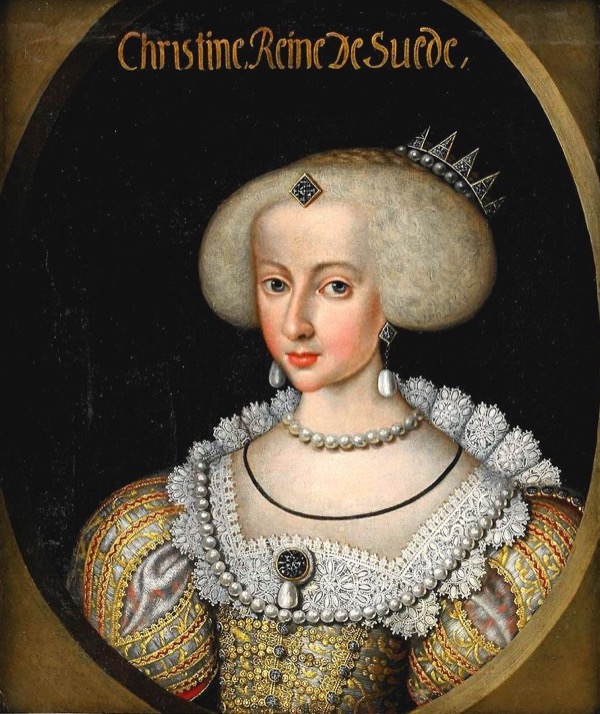
Born in Florence to composer Giulio Caccini, who helped found the genre of opera, Francesca Caccini received a humanistic education alongside her musical training. She went on to become the highest-paid musician at the Medici court.
Her 1625 opera La liberazione di Ruggiero is widely considered the oldest surviving opera by a woman composer.
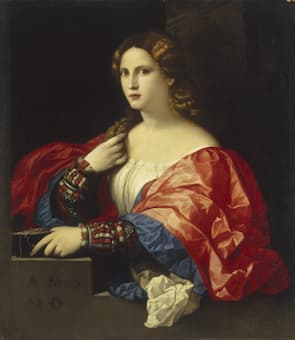
Francesca Caccini
We looked at why Caccini was the godmother of Italian opera here: https://interlude.hk/how-baroque-composer-francesca-caccini-became-the-godmother-of-opera/.
19 September 1908
Premiere of Mahler‘s Symphony No. 7
Mahler’s Symphony No. 7
Mahler premiered his seventh symphony in Prague on 19 September 1908, as part of a festival marking the 60th anniversary of Emperor Franz Joseph’s accession to the throne. It had been a little over a year since Mahler had been forced to resign his prestigious post at the Vienna Opera amid political hostility.
The orchestra itself reflected the era’s tensions: many of the Czech musicians disapproved of being led by a German-speaking conductor in a work of this scale.
However, by most accounts, the premiere went well, with admirers including Otto Klemperer and Bruno Walter in attendance.
We looked at the story of Mahler’s seventh symphony here – and how he was inspired by a rowboat. https://interlude.hk/mahler-symphony-7-premiered-today-1908/.
20 September 1957
Death of Jean Sibelius
Sibelius’s Symphony No. 5
On one of his final mornings, Sibelius returned from his customary walk excited to share that he’d seen a flock of cranes – “the birds of my youth,” he said. One of them broke from formation, circled once above their home, and then rejoined the others.
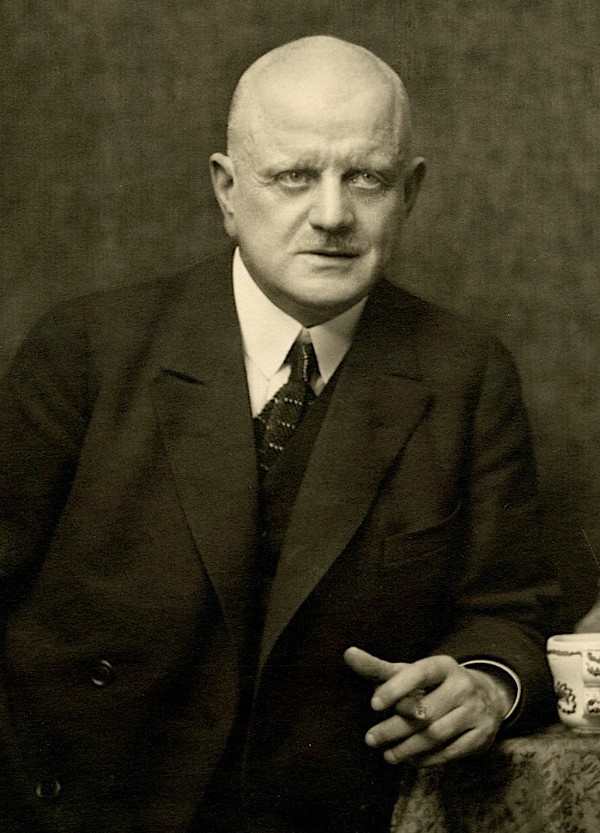
Jean Sibelius, 1923
Two days afterwards, he collapsed at the lunch table from a cerebral haemorrhage. He died that evening at the age of 91, just as a radio broadcast of his Fifth Symphony was underway.
We traced the final years of Sibelius’s life here: https://interlude.hk/on-this-day-20-september-jean-sibelius-died/.
21 September 1874
Birth of Gustav Holst
Holst’s The Planets
Best known for the orchestral suite The Planets, Gustav Holst was born in Cheltenham to a musical family of Swedish, Latvian, German, and British descent.
A nerve condition cut short his hopes of becoming a pianist, so after failing to support himself as a composer, he turned to teaching. In 1905, he took a post at St. Paul’s Girls’ School and kept it for the rest of his life.
We looked at the inspirations behind The Planets here – and if they reflect Holst’s own personality: https://interlude.hk/on-this-day-21-september-gustav-holst-is-born/.
22 September 1918
Birth of Henryk Szeryng
Szeryng’s performance of Tchaikovsky’s violin concerto
Born into a wealthy Jewish family in Żelazowa Wola, Poland, Henryk Szeryng began piano lessons with his mother at age 5 before switching to the violin at age 7. He proved extraordinarily talented, eventually studying with Carl Flesch in Berlin and Jacques Thibaud in Paris.
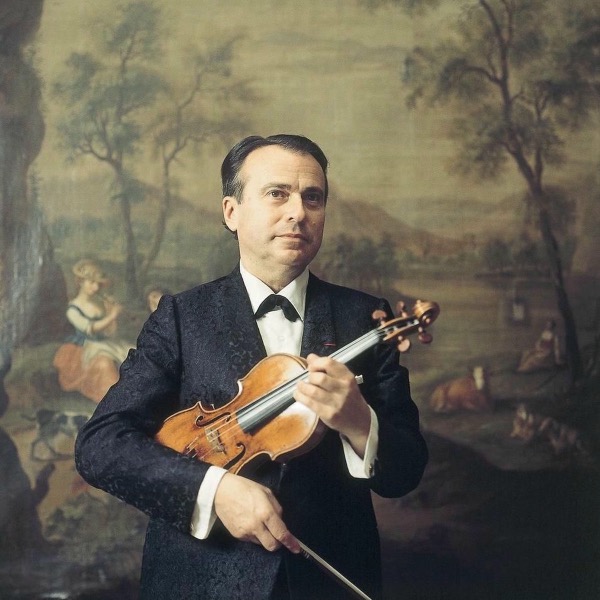
Henryk Szeryng
During World War II, he worked for the Polish government-in-exile as a translator fluent in seven languages. He gave more than 300 concerts for Allied troops, later becoming a Mexican citizen and university professor.
We traced Szeryng’s unusual path to becoming one of the world’s great virtuosos here: https://interlude.hk/on-this-day-22-september-henryk-szeryng-was-born/.
23 September 1835
Death of Vincenzo Bellini
Bellini’s “Casta Diva” from Norma
After writing to a friend in mid-August that he was recovering from a few days of digestive trouble, Bellini’s condition instead worsened. By late September, he suffered a night and day of violent convulsions. He died on 23 September 1835 of acute inflammation of the colon and a liver abscess (now believed to be amoebic dysentery).
He was initially buried in Paris’s Père Lachaise cemetery before his remains were ceremonially returned to his native Catania four decades later.
We looked at the final days, illness, death, and funeral of Bellini: https://interlude.hk/on-this-day-23-september-vincenzo-bellini-died/.
24 September 1914
Birth of Andrzej Panufnik
Panufnik’s violin concerto
Polish composer and conductor Andrzej Panufnik was born in Warsaw in 1914 to a father, a violin-maker-engineer, and a mother, a violinist, and began composing at the age of nine.
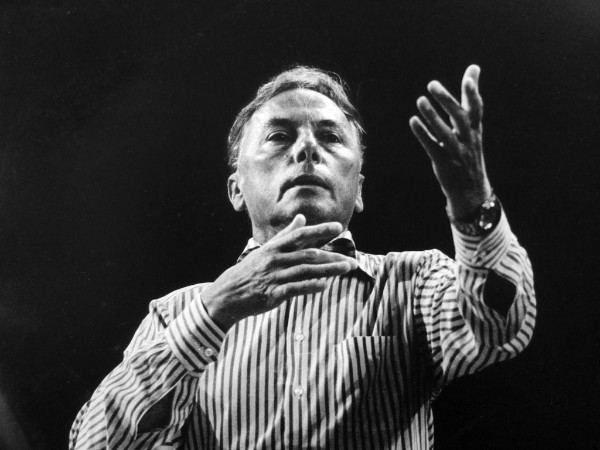
Andrzej Panufnik
His career was scarred by the wartime violence of the 20th century. Nearly all his early works were destroyed in the 1944 Warsaw Uprising. After growing frustration with the demands of Poland’s communist regime, he defected to Britain in 1954.
He went on to write ten symphonies and become a naturalised British subject.
We looked at Panufnik’s student days and his road to becoming a professional composer: https://interlude.hk/on-this-day-24-september-andrzej-panufnik-was-born/.
25 September 1849
Death of Johann Strauss, Sr.
Strauss’s Lorelei Rhein Klänge
Just days after conducting an afternoon concert in Vienna’s Volksgarten, Johann Strauss Sr. came down with scarlet fever – caught from one of the children he’d had with his mistress, Emilie Trampusch. He died within the week, aged 45.
An estimated hundred thousand people – roughly an eighth of Vienna’s population – are said to have followed his funeral procession to the cemetery.
In our article about Johann’s wife Maria Anna, we traced the story of how Johann’s life – and death – impacted his musical family: https://interlude.hk/how-maria-anna-strauss-became-the-mother-of-the-viennese-waltz/.
26 September 1898
Birth of George Gershwin
Gershwin’s Concerto in F
Born Jacob Gershowitz to Russian-Jewish immigrants in Brooklyn, George Gershwin discovered music at age 11 when his family bought a secondhand piano intended for his older brother, Ira.
George went on to blend jazz, popular, and classical idioms in works including Rhapsody in Blue and the opera Porgy and Bess, becoming one of the most significant and popular American composers of all time.
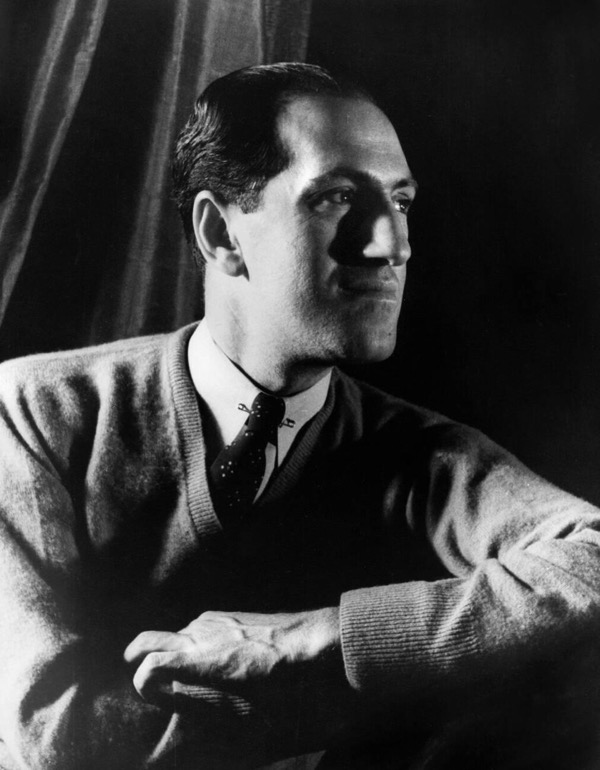
Carl van Vechten: George Gershwin, 1937 (Library of Congress, LCCN 2004662906)
We looked at how Gershwin fell in love with music, even though he initially thought music was just for “girls or effeminate boys.” https://interlude.hk/on-this-day-26-september-george-gershwin-was-born/.
27 September 1879
Birth of Cyril Scott
Scott’s “Lotus Land”
English composer, writer, and occultist Cyril Scott was sent to Frankfurt’s Hoch Conservatory at age twelve, where he belonged to the so-called Frankfurt Group alongside fellow British composers Percy Grainger and Roger Quilter.
He continued composing up until the final three weeks of his life at 91, but it soon became clear he’d be remembered primarily for a handful of early popular mood pieces like “Lotus Land.”
We looked at Scott’s music, as well as his many extramusical interests, here: https://interlude.hk/back-into-the-light-cyril-scott/.
28 September 1870
Birth of Florent Schmitt
Schmitt’s La Tragédie de Salomé
Florent Schmitt was born in Blâmont, near the border that would be redrawn the following year after the Franco-Prussian War, to parents who encouraged his musical interests.
He went on to win the Prix de Rome in 1900 and later worked as a notoriously outspoken music critic, infamous for shouting his opinions from his seat during concerts.
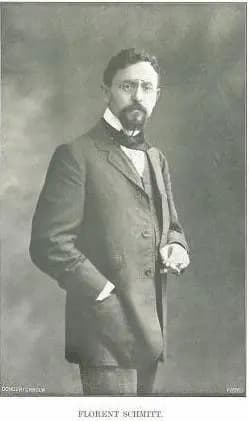
Florent Schmitt
Find out why Schmitt is one of the most interesting French composers of his generation: https://interlude.hk/florent-schmitt/.
29 September 1918
Premiere of Holst’s The Planets
Holst’s The Planets
The premiere of The Planets was arranged at short notice as a farewell gift for Holst from his friend and fellow composer Balfour Gardiner, just before Holst left for Salonika to organise music for troops during World War I.
Conducted by Adrian Boult before an invited audience of about 250 people, the performance was hastily rehearsed: the musicians of the Queen’s Hall Orchestra saw the complex score only two hours beforehand, and the chorus for “Neptune” was recruited from Holst’s own students at St Paul’s Girls’ School.
We celebrated Holst’s 150th birthday here, looking at what he was like as a composer and a person: https://interlude.hk/happy-150th-birthday-gustav-holst-1874-1934/.
30 September 1791
Premiere of Mozart’s The Magic Flute
Mozart’s Overture from The Magic Flute
Mozart composed the music for The Magic Flute‘s “March of Priests” and the overture just two days before the premiere, and personally conducted the first performance from the keyboard, with his student Süssmayr at his side turning the pages of the score.
The opera was an immediate hit, and Mozart went to the theatre almost every night afterwards, taking as much pleasure in the audience’s reactions as in the music itself. By early October, it was clear that the opera would help stabilise his finances, which were on the brink of collapse – just two months before his death.
We looked at the story behind The Magic Flute here…and how Mozart was still writing parts of it two days before the premiere: https://interlude.hk/on-this-day-30-september-mozarts-magic-flute-was-premiered/.
Conclusion
September’s classical music anniversaries remind us how varied musical lives can be – and how often classical music’s most remarkable stories unfold far from the concert hall.
The composers and performers commemorated this month composed under occupation, defected across borders, preached in marketplaces, and shouted their opinions from concert seats. Some died too young; others composed into their tenth decade. What unites them is the depth of their commitment to a life shaped by music.
We hope these September classical music anniversaries send you back to the scores, the recordings, and the stories that make this art form so endlessly fascinating.
For more of the best in classical music, sign up for our E-Newsletter