Throughout the history of Western classical music, composers have continuously looked beyond concert halls and conservatoires for inspiration. Folk traditions — passed down through generations, often orally rather than in written form — have provided an inexhaustible source of melodies, rhythms, harmonies and musical ideas. For some composers, folk music became something to preserve; for others, it was a medium to shape a distinct national identity or to reinvent the current language of music itself.
In Hungary, Bartók and Kodály travelled throughout the countryside of Transylvania, recording Hungarian, Romanian and Romani peasant songs. Their work was as much ethnomusicological as it was artistic, preserving musical traditions that were beginning to disappear. Bartók’s Romanian Folk Dances remain among the finest examples of this approach, translating the raw energy and directness of folk music into the concert hall while retaining its original character.
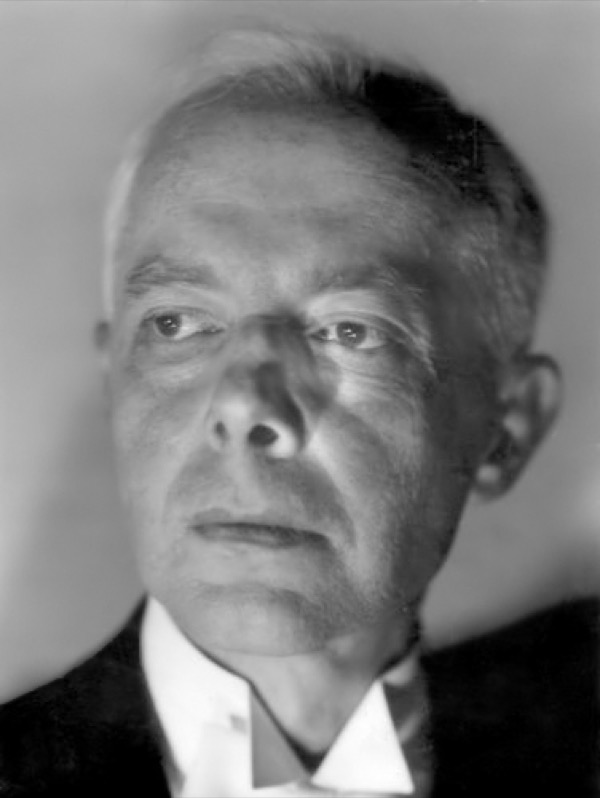
Béla Bartók © Wikipedia
Béla Bartók – Romanian Folk Dances for String Orchestra Sz.56 BB 68
Responding to the rapid industrialisation of his country and the disappearance of rural traditions, Vaughan Williams travelled England extensively, collecting and transcribing folk songs. Rather than quoting them directly though, he often reimagined their melodies within an orchestral setting — as heard in works such as Fantasia on Greensleeves and Norfolk Rhapsody No. 1.
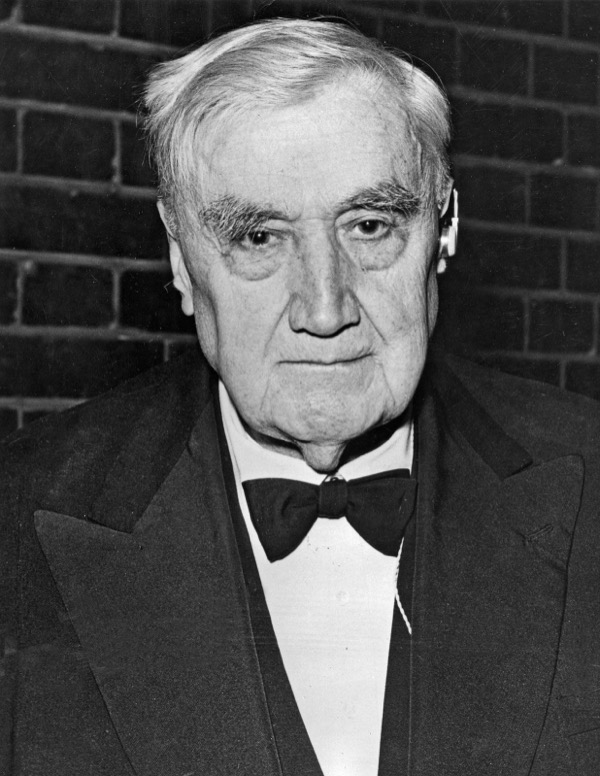
Ralph Vaughan Williams in 1957 © cdn.britannica.com
Across the Atlantic, Alan Lomax undertook a comparable mission; travelling throughout the United States with recording equipment, he documented local musical traditions ranging from blues and folk to work songs and spirituals. His recordings not only preserved an invaluable cultural heritage but also introduced these traditions to much wider audiences, profoundly influencing the course of twentieth-century music and the development of popular music.
A different approach can be found in the music of Dvořák and Sibelius, who rather than collecting folk songs themselves, absorbed the musical language of their respective homelands — Czechia and Finland — and transformed it into an original compositional voice. Through dances, tone poems and orchestral works, they evoked the rhythms, melodic contours and harmonic colours of folk traditions without relying on direct quotation.
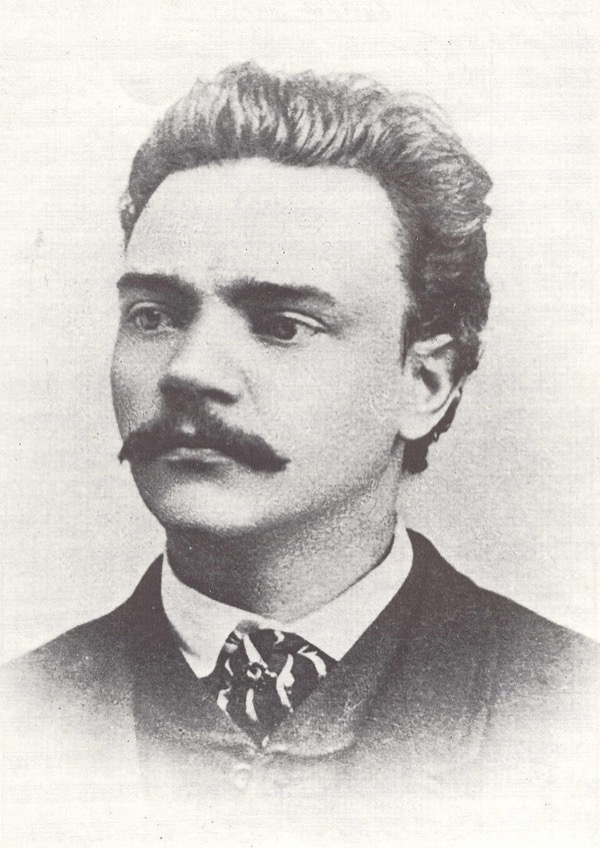
Antonín Dvořák, 1868
Ravel’s musical language was equally shaped by his cultural heritage. Raised near the French-Spanish border, his Basque background introduced him to unique colours, rhythms and sonorities, Folk music allowed him to explore exotic timbres, modal harmonies and dance rhythms, such as in Alborada del gracioso, Rapsodie espagnole and of course his Boléro.
Ravel Boléro (Valery Gergiev, London Symphony Orchestra)
Many composers also borrowed folk material more directly: Tchaikovsky famously based the finale of his Symphony No. 4 on the Russian folk song “Vo pole beryoza stoyala”. Likewise, Brahms drew extensively upon Central European dance traditions in his Hungarian Dances – although history has shown that many of the melodies he admired were in fact Romani rather than authentically Hungarian. Further north, Grieg incorporated in Peer Gynt, drones reminiscent of European folk traditions, together with characteristic intervals associated with the Hardanger fiddle.
Stravinsky’s relationship with folk music was more complex. Unlike Dvořák or Bartók, who openly celebrated their folk influences, Stravinsky treated traditional material as raw, almost industrial material with which to dismantle established classical forms. In works such as The Rite of Spring, folk music becomes a vehicle for primal energy, rhythmic violence and ritualistic expression. Yet despite these unmistakable influences, Stravinsky spent much of his career downplaying the Russian folk roots of his music, preferring to present himself as an entirely modern and avant-garde composer.
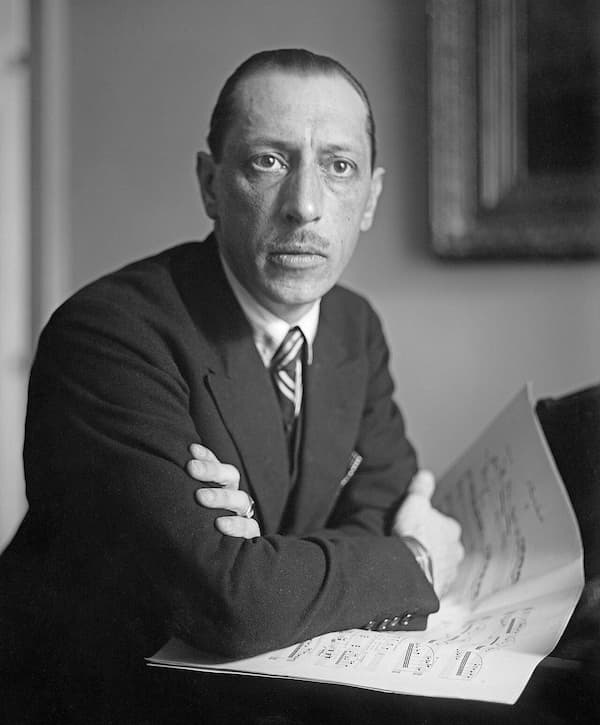
Photo of Igor Stravinsky. Taken by George Grantham Bain’s news picture agency.
Again in North America, Copland became the composer most closely associated with transforming American folklore into concert music, whether through the cowboy songs of Billy the Kid or the Shaker hymn that forms the heart of Appalachian Spring.
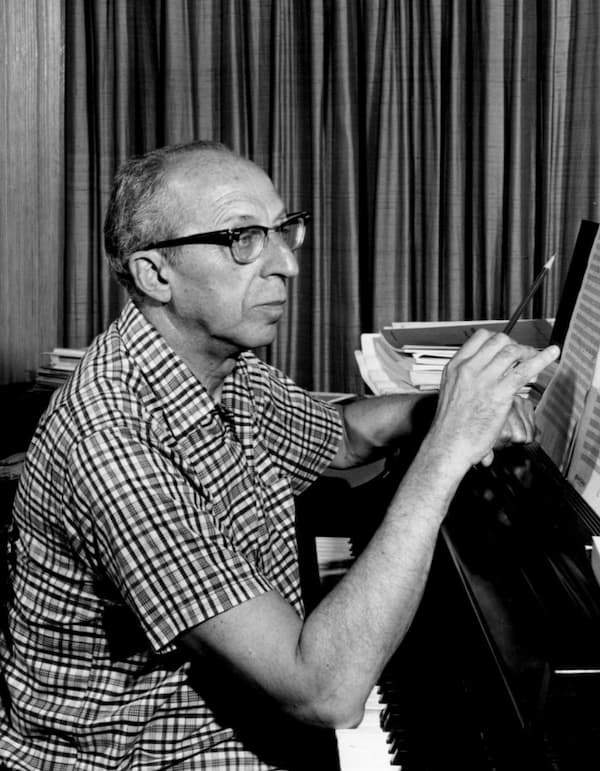
Aaron Copland, 1962
While each composer approached folk music differently, they all recognised its remarkable creative potential. For some, it represented a heritage worth preserving; for others, it became the foundation of a new musical language. In every case, folk traditions proved that some of the most enduring innovations in classical music began not in conservatoires or royal courts, but in villages, fields and communities where music was first — and still is — sung, danced and shared.
For more of the best in classical music, sign up for our E-Newsletter