July is a month of extremes in classical music history.
It gave us some of the most consequential births in the canon – among them, Janáček, Mahler, and Liszt – and also tragically claimed some of its greatest lives, including Gershwin, Schumann, and Bach.
Below, we mark every major classical music anniversary of the month, with music to match.
1 July 1925
Death of Erik Satie
Satie’s Gymnopédie No. 1
Erik Satie was a French composer active in fin de siècle Paris. His unconventional compositions exerted a major influence on 20th-century music.
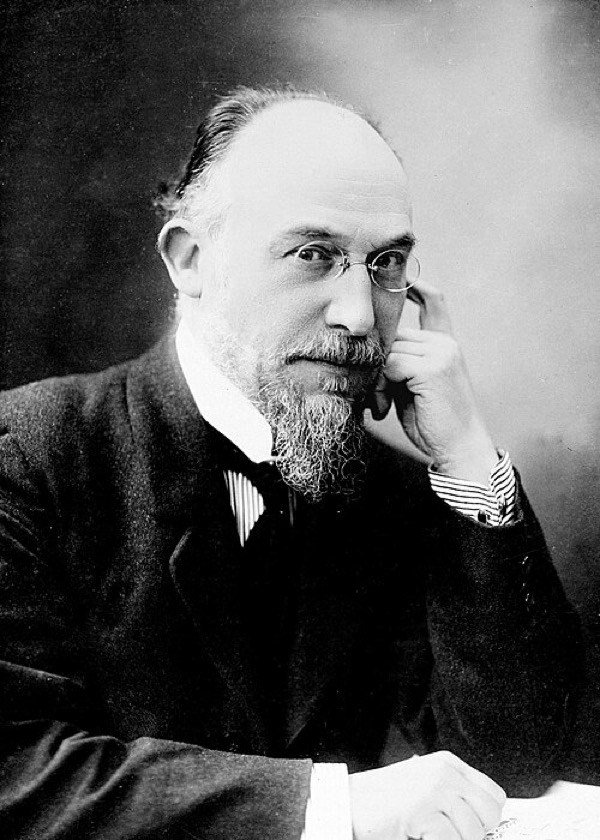
Erik Satie
After his death, a group of friends, including fellow composer Darius Milhaud, discovered that his hoarded apartment contained two broken grand pianos stacked on top of each other. The upper one was used as storage for mail.
We explored why his death was so dramatic here: https://interlude.hk/on-this-day-1-july-erik-satie-died/
2 July 1714
Birth of Christoph Willibald Gluck
Gluck’s “Senza un addio?” from Orfeo ed Euridice
The son of a forester, Gluck ran away from home as a boy to study music in Prague, eventually settling in Vienna.
He had dreams of remaking opera, prioritizing the story and drama over the virtuosic chirruping of star singers. These reforms paved the way for Wagner‘s work, as well as modern opera generally.
Look at Gluck’s fascinating early years – and why he veered away from following his father into forestry: https://interlude.hk/on-this-day-2-july-christoph-willibald-gluck-was-born/
3 July 1854
Birth of Leoš Janáček
Janáček’s Sinfonietta
Leoš Janáček was born in Hukvaldy in what is now the Czech Republic, and spent many years laboring in relative anonymity as a music teacher and choirmaster in Brno.
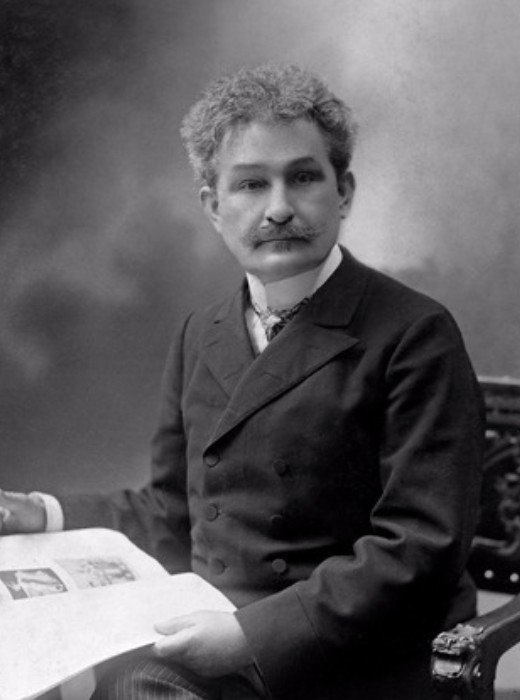
Leoš Janáček
His first smash hit was his opera Jenůfa, premiered in 1916 when he was 62. His Sinfonietta, one of his most celebrated instrumental works, was composed in 1926, the year he turned 72!
We wrote about his childhood and introduction to music, and why he’d bleed when playing the piano as a child: https://interlude.hk/on-this-day-3-july-leos-janacek-was-born/
4 July 1992
Death of Astor Piazzolla
Piazzolla’s Invierno Porteño
Astor Piazzolla revolutionised the tango form by infusing it with elements of classical music and jazz.
He suffered a brain haemorrhage in Paris in 1990, was taken back to Buenos Aires, and died there on 4 July 1992 after nearly two years in a coma.
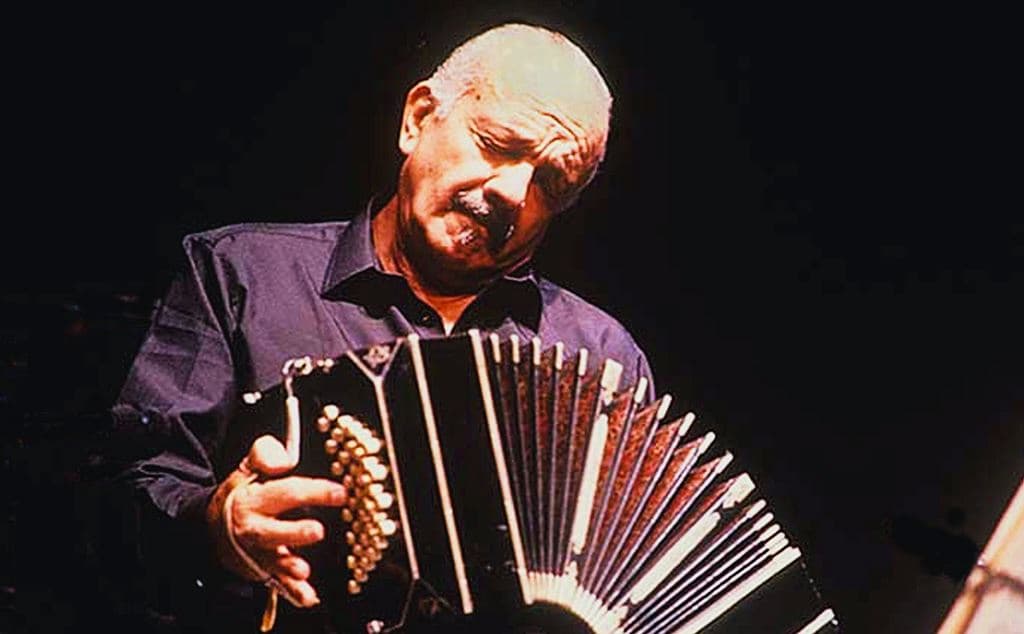
Astor Piazzolla
Read and find out how Piazzolla launched a tango revolution: https://interlude.hk/astor-piazzolla-composer-of-the-month/
5 July 1879
Birth of Wanda Landowska
Wanda Landowska playing Bach
Wanda Landowska was born in Warsaw in 1879. Her performances, recordings, and writings helped to revive the popularity of the harpsichord in the early 20th century.
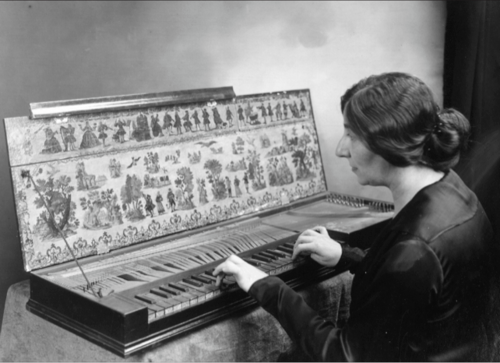
Wanda Landowska
During her childhood, few people played the harpsichord, and its repertoire was generally transposed for piano.
But Landowska was determined to perform this music on the original instrument – and in the process, she helped to save it from music history oblivion.
We looked at how she pulled off the harpsichord’s resurrection in this article: https://interlude.hk/wanda-landowska-born-july-5-1879-revival-of-baroque-brilliance/
6 July 1937
Birth of Vladimir Ashkenazy
Ashkenazy plays Chopin’s Sonata Op. 85 and Etude Op. 10 No. 1 (Excerpt)
Vladimir Ashkenazy was born on 6 July 1937 in Gorky, in the Soviet Union, to parents who were both professional pianists.
He first came to international prominence after winning the gold medal at the Queen Elisabeth Competition in 1956; a few years later, in 1962, he shared a first prize at the Tchaikovsky Competition.
In 1963, he emigrated to the West, eventually assuming Icelandic citizenship in 1972 and forging a second career as a conductor.
We looked at his childhood and why his father was always absent: https://interlude.hk/on-this-day-6-july-vladimir-ashkenazy-was-born/
7 July 1860
Birth of Gustav Mahler
Mahler’s Adagietto from Symphony No. 5
Gustav Mahler was born on 7 July 1860 in Bohemia. He had thirteen siblings, and eight of them died while still children: a relentless parade of early tragedies that shaped his music’s pervasive preoccupation with death.
While his reputation as a conductor was established beyond question during his lifetime, his music didn’t hit its peak of popularity until after World War II.
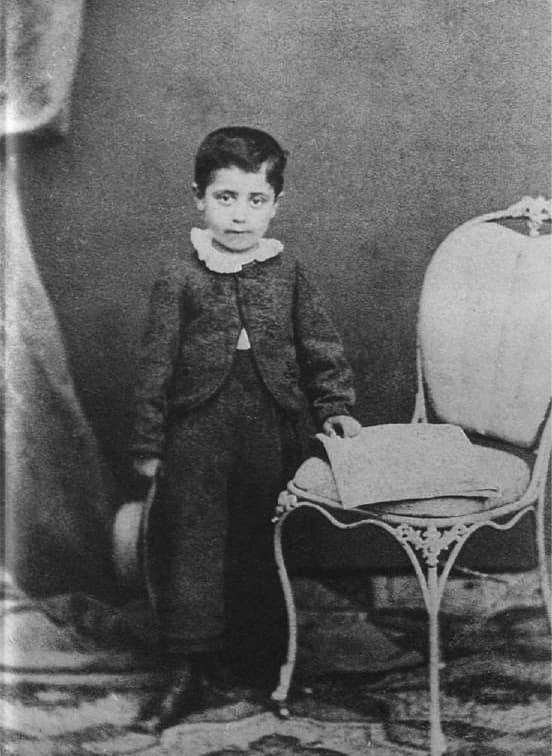
Gustav Mahler as a child
Explore the tragedies of his childhood and what led him to feel so isolated throughout his life here: https://interlude.hk/composers-kids-gustav-mahler/
8 July 1882
Birth of Percy Grainger
Grainger playing his “Country Gardens”
Percy Grainger was an Australian-born composer, arranger, and pianist who played a prominent role in the revival of interest in British folk music in the early 20th century.
The piece with which he is most associated is his piano arrangement of the folk-dance tune “Country Gardens.”
An eccentric free thinker ahead of his time, he was experimenting with electronic music as early as 1937. In the 1950s, he worked on producing Free Music machines that are in some ways precursors of the modern electronic synthesizer.
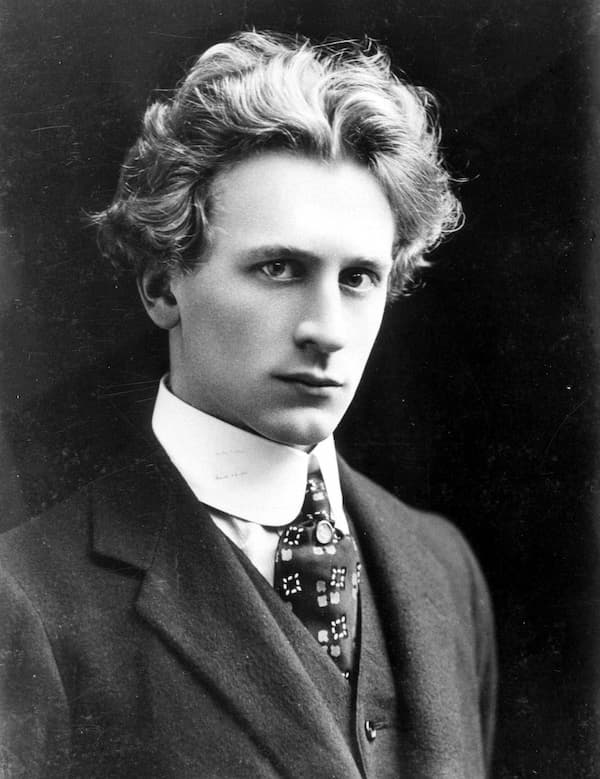
Percy Grainger
In our profile of Percy Grainger, we looked beyond “Country Gardens” to learn more about the man behind the music: https://interlude.hk/percy-grainger-eccentric-piano-wizard/
9 July 1879
Birth of Ottorino Respighi
Respighi’s Pines of Rome
Ottorino Respighi was born on 9 July 1879 in Bologna and studied with Nikolai Rimsky-Korsakov in St. Petersburg. There, he accepted a position as first viola in the Russian Imperial Theatre orchestra – an immersion in Russian orchestral playing that left a lasting mark on his writing.
His triptych of symphonic works inspired by Rome – The Fountains of Rome, The Pines of Rome, and Roman Festivals – brought him international renown. In fact, he named his estate “The Pines” because The Pines of Rome had paid for it.
Learn more about his musical childhood, and why he initially quit the violin at the age of eight: https://interlude.hk/on-this-day-9-july-ottorino-respighi-was-born/
10 July 1835
Birth of Henryk Wieniawski
Wieniawski’s Légende
Henryk Wieniawski was one of the most celebrated violin virtuosos of the 19th century.
Born in Poland, he entered the Paris Conservatory at age eight, graduating with the first prize in violin at the age of eleven.
According to legend, his Légende, Op. 17, was written to persuade the parents of the woman he loved to allow them to marry…which they did in 1860.
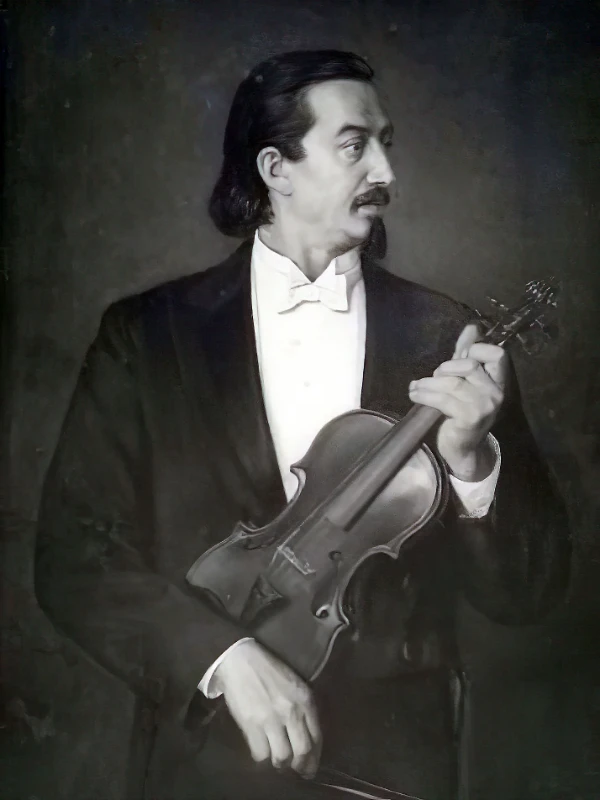
Henryk Wieniawski
We looked at the romantic story of the marriage between Wieniawski and his wife, Isabella Hampton: https://interlude.hk/henryk-wieniawski-and-isabella-hampton-music-may-melt-the-heart-of-stone/
11 July 1937
Death of George Gershwin
Gershwin’s Piano Concerto
American composer George Gershwin is celebrated for his ability to fuse jazz and popular styles with classical forms and instrumentation.
His death was one of the great tragedies in music history. In 1937, when he was at the height of his creative powers, he began experiencing headaches and blackouts.
He lapsed into a coma on 9 July, dying two days later, after surgeons discovered an inoperable tumour in his brain. He was just two months short of his 39th birthday.
Look at the timeline of Gershwin’s illness here: https://interlude.hk/on-this-day-11-july-george-gershwin-died/
12 July 1934
Birth of Van Cliburn
Van Cliburn playing Chopin’s Polonaise in A-flat major
American pianist Van Cliburn achieved worldwide celebrity after winning the inaugural International Tchaikovsky Competition in Moscow in 1958.
It was the height of the Cold War. The judges, impressed by his performances but hesitant to award the prize to an American, discussed their choice with Soviet leader Nikita Khrushchev before finalising the result.
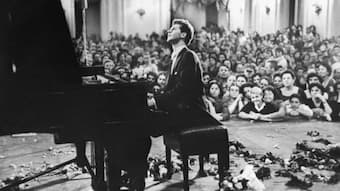
Van Cliburn, 1958
Cliburn became a hero in the United States and was the first musician to ever be honoured with a New York City ticker-tape parade.
We delved into the story of how Cliburn became a Cold War sensation here: https://interlude.hk/on-this-day-12-july-van-cliburn-was-born/
13 July 1951
Death of Arnold Schoenberg
Schoenberg’s Verklärte Nacht
Arnold Schoenberg was an Austrian modernist composer best remembered for his development of the twelve-tone composition technique.
He died on Friday, 13 July 1951, shortly before midnight, having stayed in bed all day, sick, anxious, and depressed. He had feared the number 13 his entire life – rightly, as it turns out.
Discover Schoenberg’s terror of the number 13 – and how it may even have contributed to his death: https://interlude.hk/on-this-day-13-july-arnold-schoenberg-died/
14 July 1901
Birth of Gerald Finzi
Finzi’s Eclogue
British composer Gerald Finzi was born in London on 14 July 1901. When he was still a boy, his father and three of his brothers died (of suicide, of pneumonia, and in action). Then his beloved composition teacher died in World War I.
His melancholy, otherworldly music was inspired by the pastoral, extremely English work of composers like Vaughan Williams and Gustav Holst.
In this article, we looked at three Finzi settings of English poetry: https://interlude.hk/composers-poets-gerald-finzi/
15 July 1857
Death of Carl Czerny
Excerpts from Czerny’s Op. 740
Carl Czerny was an Austrian pianist, teacher, and composer who studied with Beethoven and counted Franz Liszt among his own pupils. Those connections make him an important link between generations in the history of the piano.
Amazingly, he published over a thousand works.
We wrote about Czerny and why so many musicians dismiss his music out of hand: https://interlude.hk/on-this-day-15-july-carl-czerny-died/
16 July 1782
Premiere of Mozart’s The Abduction from the Seraglio
Overture from Mozart’s The Abduction from the Seraglio
The Abduction from the Seraglio – a German-language singspiel that tells the story of a Spanish hero seeking to rescue his beloved from an Ottoman aristocrat – premiered on 16 July 1782 at the Burgtheater in Vienna.
By the second performance, a cabal had been organised against it and Mozart, for political reasons. He described in a letter to his father that “the whole first act was accompanied by hissing,” though loud shouts of bravo during the arias drowned out the opposition, and the crowd as a whole enjoyed it.
Here’s the history of the opera, as well as the infamous critique made by Emperor Joseph II: “Too many notes!”: https://interlude.hk/mozart-die-entfuhrung-aus-dem-serail-k-384-premiered-today-1782/
17 July 1871
Death of Karl Tausig
Tausig’s “The Ghost Ship”
Karl Tausig was probably Liszt’s greatest pupil: he was a Polish pianist and composer who died tragically young of typhoid fever, at the age of 29.
His former student Amy Fay recalled him as “a strange little soul – a perfect misanthrope” who had spent the last part of his life in strict retirement, “a prey to deep melancholy.”
We looked at everything that led up to Tausig’s early death: https://interlude.hk/karl-tausig-the-great-forgotten-liszt-student-who-died-at-29/
18 July 1821
Birth of Pauline Viardot
Viardot’s “La Nuit”
Soprano, pianist, composer, and teacher Pauline Viardot was born in Paris on 18 July 1821.
In her youth, she was a colleague of Chopin, and in her final years, she knew Debussy. In between, she befriended most of the great composers of the Romantic era who lived or passed through Paris.
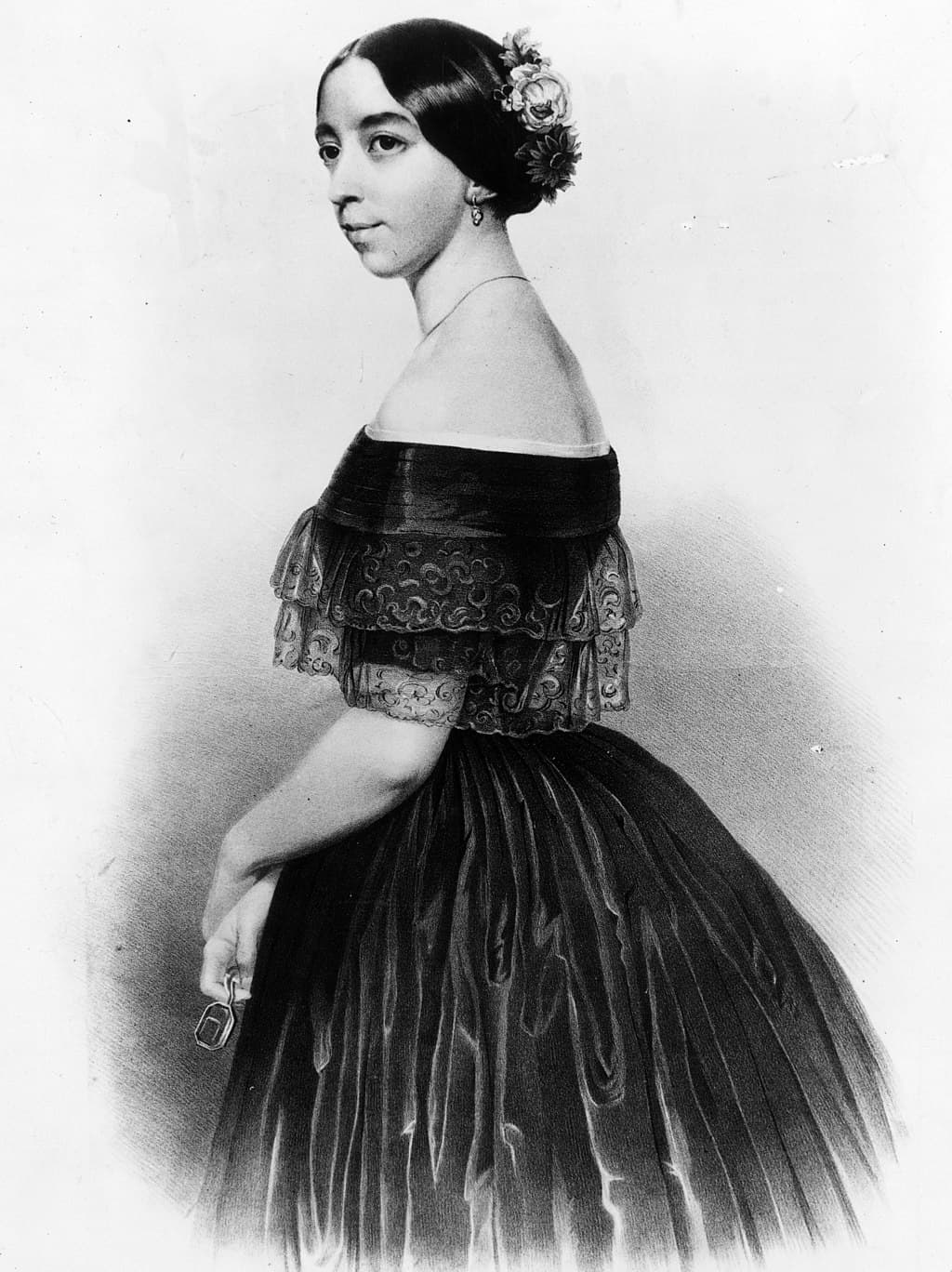
Pauline Viardot
In this article, we examined how Viardot and Chopin teamed up to co-write music together: https://interlude.hk/muses-musings-pauline-viradot-frederic-chopin/
19 July 1965
Birth of Evelyn Glennie
Evelyn Glennie’s appearance on Sesame Street
Evelyn Glennie is the first person to become a full-time solo percussionist.
She began to lose her hearing at age eight and was profoundly deaf by twelve. Her secondary school music teacher helped her learn to hear with parts of her body other than her ears, teaching her that hearing is, in her words, “basically a specialised form of touch.” She performs without shoes so she can better sense the music-making.
20 July 1924
Premiere of Schoenberg’s Serenade
Schoenberg’s Serenade
On 20 July 1924, Schoenberg’s Serenade received its premiere at the Fourth Festival of Chamber Music in the German town of Donaueschingen. It was a historically important occasion: it was one of the first works in which Schoenberg deployed his consequential twelve-tone method.
Its instrumentation calls to mind the traditional Classical era serenade, but its musical language is modern and experimental.
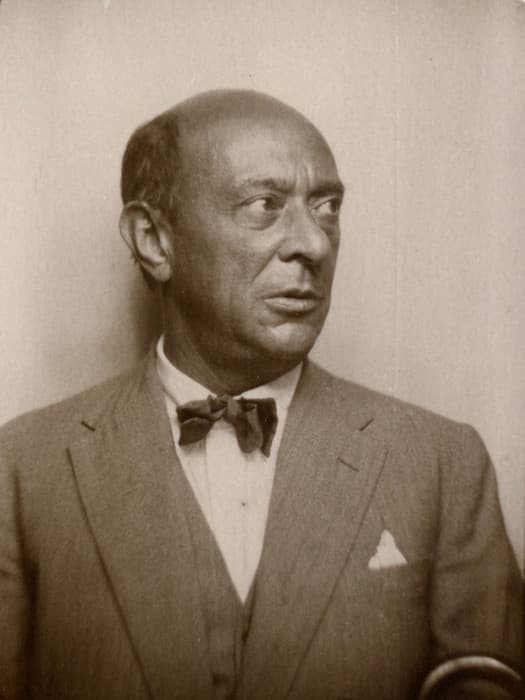
Arnold Schoenberg, ca. 1930
We looked at the reasons Schoenberg’s music hasn’t entered the mainstream classical repertoire – and why people should give his work a second chance: https://interlude.hk/arnold-schoenberg-austrian-composer/
21 July 1920
Birth of Isaac Stern
Isaac Stern playing Mendelssohn’s violin concerto
Violinist Isaac Stern was born on 21 July 1920 in present-day Ukraine and emigrated to San Francisco when he was a baby.
After his 1937 New York debut, he rapidly gained international renown for his expressive, heartfelt playing.
In 1960, he played a key role in saving Carnegie Hall from demolition. Later, he became president of the corporation that administered the hall, holding that post until his death in 2001.
Take a look at how Isaac Stern shaped 20th-century music: https://interlude.hk/isaac-stern-born-21-july-1920-shaping-a-century-of-music/
22 July 1870
Death of Josef Strauss
Josef Strauss’s Dorfschwalben aus Österreich
Josef Strauss was the younger brother of the Waltz King, Johann Strauss II. Music was initially a side interest of his; his first career was as an inventor and engineer, but he eventually got drawn into the family business.
His health was poor, and he suffered from frequent dizzy spells. After a tragic fall from the conductor’s podium while on tour, he died in Vienna on 22 July 1870.
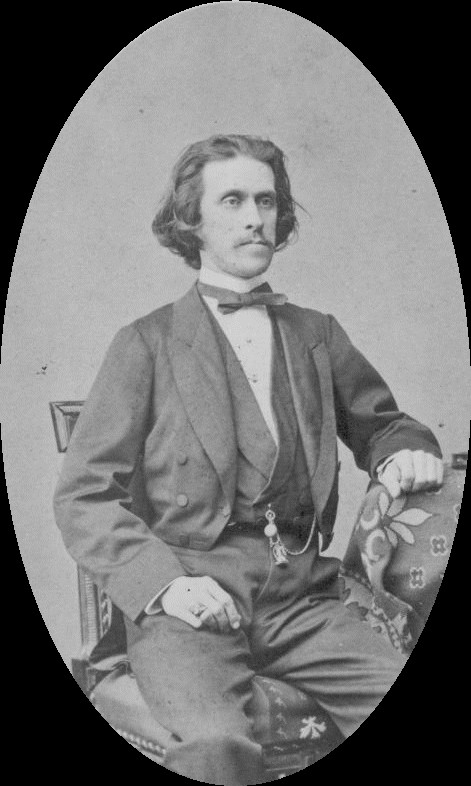
Fritz Luckhardt: Josef Strauss
Johann II once remarked of his brother, “Josef is the more gifted of us two; I am merely the more popular.”
Find out how Strauss’s engineering career impacted his compositions here: https://interlude.hk/josef-strauss-1827-1870-art-imitates-life/
23 July 1757
Death of Domenico Scarlatti
Scarlatti’s Keyboard Sonata in D-minor, K. 141
Domenico Scarlatti died on 23 July 1757. He is remembered for his 555 keyboard sonatas, which substantially expanded the technical and musical possibilities of the harpsichord.
His patron and student, Queen Barbara of Portugal, was a talented musician herself who kept Scarlatti on her payroll for decades, enabling him to create his vast output.
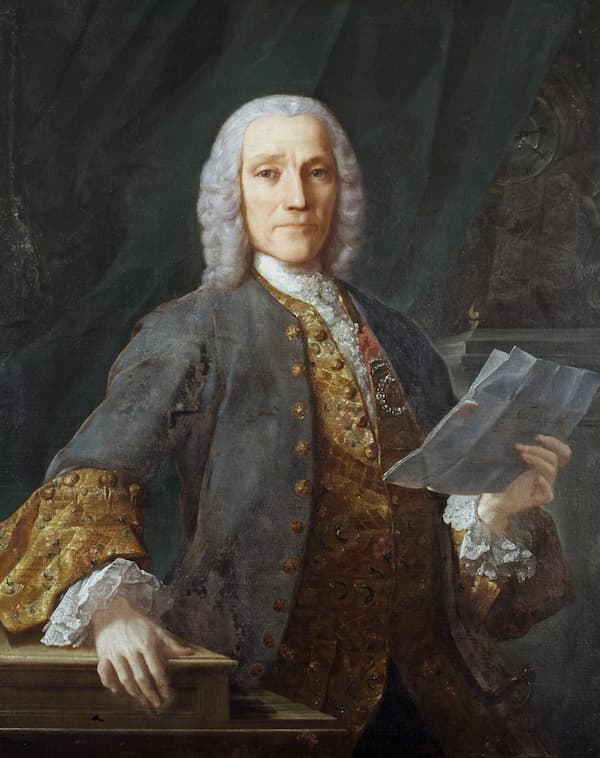
Portrait of Scarlatti wearing the Order of Santiago (1738)
In this article, we looked at his last five years and legacy – including how he fathered his last child at the age of 64: https://interlude.hk/on-this-day-23-july-domenico-scarlatti-died/
24 July 1880
Birth of Ernest Bloch
Bloch’s Schelomo
Ernest Bloch’s music combines Jewish themes with the musical language of the post-Romantic European art music tradition.
Among his most celebrated works are Schelomo, a Hebrew rhapsody for cello and orchestra and the Sacred Service for baritone, chorus, and orchestra.
25 July 1831
Death of Maria Szymanowska
Szymanowska’s Nocturne in B-flat major
Maria Szymanowska was one of the first great women superstars of the piano in Europe. She toured internationally and befriended many of the leading intellectual figures of her day.
Her music may have influenced one of the greatest musical figures of the nineteenth century: her fellow Pole, Frédéric Chopin.
She died during a cholera epidemic in St. Petersburg at the age of 41.
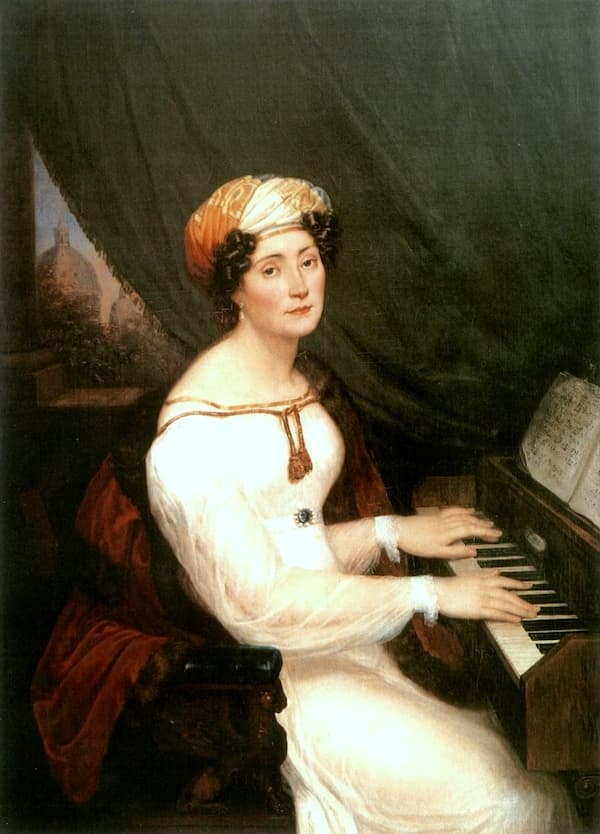
Maria Szymanowska
We told her extraordinary life story here, and how she managed to make a career as a woman pianist and composer in an era when there weren’t many role models for her to follow: https://interlude.hk/great-women-artists-shaped-music-xviii-maria-szymanowska/
26 July 1782
Birth of John Field
Field’s Nocturne No. 11
John Field was born on 26 July 1782 in Dublin and is widely credited as the inventor of the piano nocturne – a type of character piece that features a singing melody over an arpeggiated accompaniment in the left hand.
Chopin would bring the genre to its peak half a century after Field’s death.
Here are our picks for the ten most beautiful John Field nocturnes: https://interlude.hk/john-field-10-most-beautiful-nocturnes/
27 July 1867
Birth of Enrique Granados
“Quejas o la maja y el ruiseñor” from Granados’s Goyescas
Enrique Granados was born on 27 July 1867 in Lérida, Spain. He was a pianist and composer who became a leader of the movement toward nationalism in late 19th-century Spanish music.
His masterpiece, the Goyescas suite, is a series of reflections on the paintings and tapestries of Francisco de Goya.
He drowned in March 1916 after the ship carrying him home from the New York premiere of his opera was torpedoed by a German submarine.
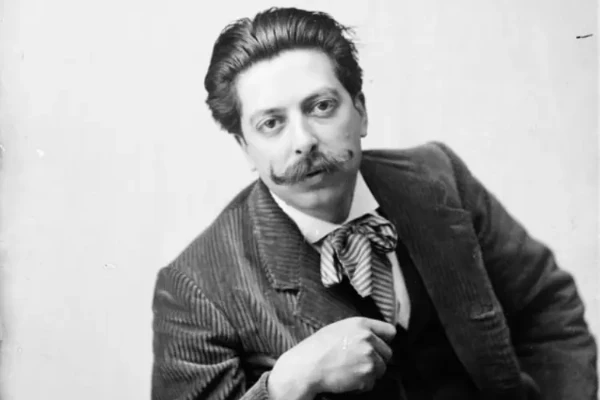
Enrique Granados
In this article, we recount how Granados got his start in music – a process that included playing for hours in cafes as a teenager: https://interlude.hk/on-this-day-27-july-enrique-granados-was-born/
28 July 1750
Death of Johann Sebastian Bach
Bach’s Magnificat in E-flat major
Late in his life, Bach’s health was adversely impacted by two unsuccessful eye operations performed by John Taylor, an itinerant English quack who also botched the surgery of George Frederic Handel.
After declining, Bach died on 28 July 1750 in Leipzig.
His music was recognised as exceptional by experts after his death, but it wouldn’t be embraced by the wider public until the 19th century.
Learn more of the grisly details behind Bach’s final illness and death: https://interlude.hk/on-this-day-28-july-johann-sebastian-bach-died/
29 July 1856
Death of Robert Schumann
Schumann’s Piano Concerto
Robert Schumann spent the last two and a half years of his life in an asylum at Endenich, Germany, after difficult struggles with his mental health.
Following the protocol of the era, his wife, Clara Schumann, was forbidden from seeing him during that time.
But after it became clear he was near death, she was finally admitted to his room on 27 July 1856 to care for him and say goodbye. He passed away just two days later.
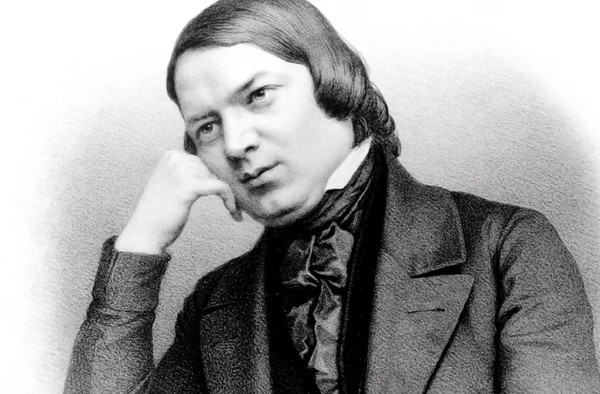
Robert Schumann
We told the heartbreaking story of Schumann’s decline and death in this article: https://interlude.hk/on-this-day-29-july-robert-schumann-died/
30 July 1751
Birth of Nannerl Mozart
Trailer to Mozart’s Sister
Maria Anna Mozart – nicknamed Nannerl – was born on 30 July 1751 in Salzburg.
She was a noteworthy musical prodigy; in fact, during the family’s early concert tours, she received top billing over her younger brother Wolfgang. She was a major inspiration during an integral point of his musical development, and was also a composer in her own right (although none of her works has survived today).
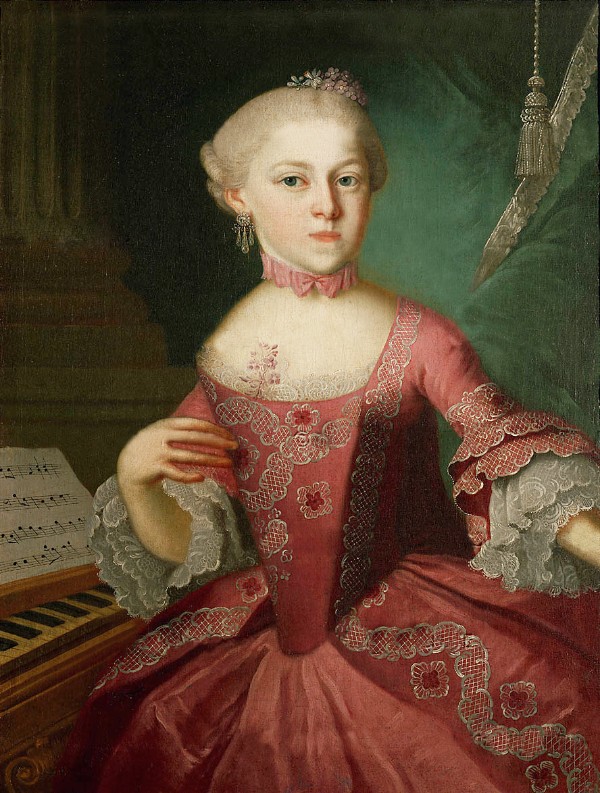
Nannerl Mozart
Sadly, despite her talent, she was overshadowed by Wolfgang throughout her life. In fact, her grave reads “Marianne Baroness von Berchtold zu Sonnenburg, sister of W. A. Mozart.”
We made the case in this article that Nannerl’s story is one of the most haunting what-ifs of classical music history: https://interlude.hk/maria-anna-mozart-the-bittersweet-story-of-mozarts-prodigy-sister/
31 July 1886
Death of Franz Liszt
Liszt’s Liebestraum No. 3
Franz Liszt died on 31 July 1886 in Bayreuth, Germany. He died of pneumonia, likely contracted during the Bayreuth Festival hosted by his daughter Cosima Wagner.
His ageing – he was nearly 75 when he died – worsened after a fall down the stairs in 1881. After the fall, he suffered from a series of health troubles, including asthma and heart disease.
We wrote here about the work that is, arguably, the greatest masterpiece of his life: https://interlude.hk/liszts-ultimate-masterpiece-b-minor-piano-sonata/
Conclusion
From Bach’s death in Leipzig to Gershwin’s in Los Angeles, from the birth of a Polish harpsichord revolutionary to the man who saved Carnegie Hall, July contains multitudes in the history of classical music.
Hopefully, this overview of the July anniversaries in classical music history reintroduced you to some old favourites – or helped you find some new ones.
For more of the best in classical music, sign up for our E-Newsletter