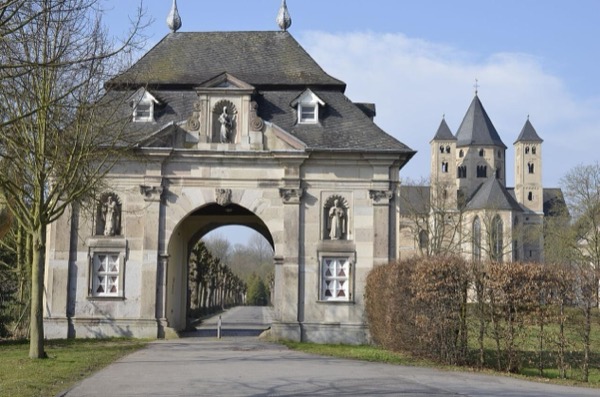
The summer part of the Lucerne Festival runs from 13 August to 13 September, and in those weeks, the city is flooded with over 100 concerts. This year’s festival, the first under the leadership of Executive and Artistic Director Sebastian Nordmann, carries the theme of American Dreams.
Concerts over the Festival portray American music in all its facets, from the late 19th century experiments of Charles Ives through the jazz-influenced works of George Gershwin, the Latin-tinted works of Leonard Bernstein, the minimalism of Steve Reich and John Adams, and a trip into space with Missy Mazzoli.
We’ll take a look at just the August offerings and reveal what a wonderful musical world Lucerne offers.
August 14
The opening concert, with Riccardo Chailly leading the Lucerne Festival Orchestra (LFO), shows America and Latin America in their larger ideal: North America with music by Steve Reich (New York Counterpoint for 11 clarinets) and Latin America with George Gershwin’s Cuban Overture. More Gershwin comes with his jazz-influenced Concerto in F, with Frank Dupree as soloist. The concert closes with Charles Ives’ early Symphony No. 1 in D minor.
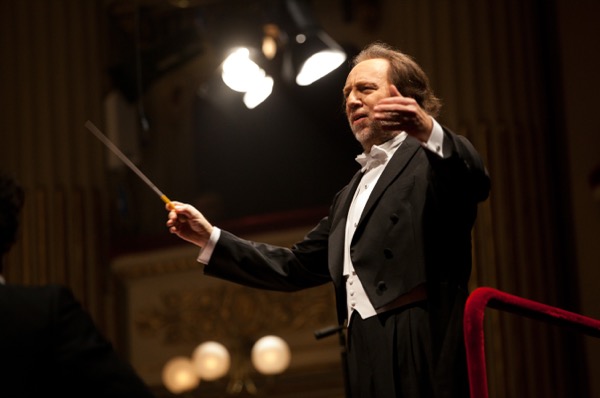
Riccardo Chailly
Charles Ives: Symphony No. 1: IV. Allegro molto (Chicago Symphony Orchestra; Michael Tilson Thomas, cond.)
August 15
Klaus Mäkelä leads the LFO in Samuel Barber’s Violin Concerto, Op. 14, with Augustin Hadelich as soloist.
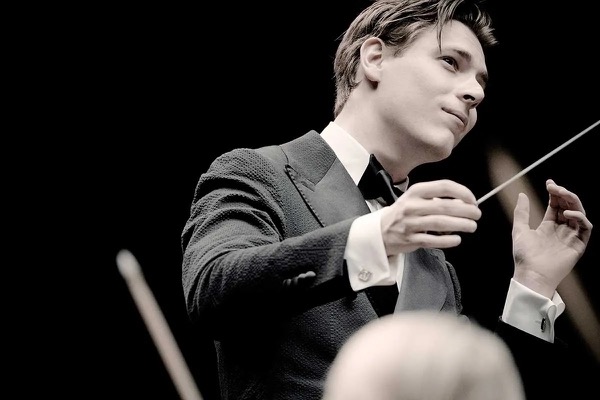
Klaus Mäkelä (photo by Marco Borggreve)
Samuel Barber: Violin Concerto, Op. 14: III. Presto in moto perpetuoso (James Buswell, violin; Royal Scottish National Orchestra; Marin Alsop, cond.)
Mäkelä then turns to Stravinsky and his breakout 1910 ballet, The Firebird, written for Sergei Diaghilev’s Ballets Russes company in Paris. Diaghilev wanted a ballet with distinctly Russian music and, as his first commission for the Ballets Russes, finally found Stravinsky to write the score. Mäkela recorded the ballet in 2023 with the Orchestre de Paris.
Igor Stravinsky: The Firebird (1911 version): Tableau II: Disappearance of the palace and dissolution of Kashchei’s enchantments, animation of the petrified warriors, general thanksgiving (Orchestre de Paris; Klaus Mäkelä, cond.)
August 16
The contemporary music starts with a program devoted solely to Wolfgang Rihm (1952–2024) and his 1980 poème dansé, Tutuguri. This will be an evening full of fire, with ‘explosive brass eruptions, ominously pulsing rhythms, blood-curdling screams’, and a 30-minute final drum barrage from six percussionists.
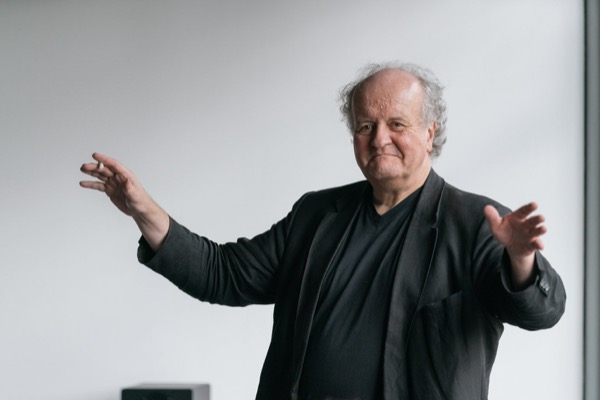
Wolfgang Rihm
August 17
Daniel Barenboim, leading his West-Eastern Divan Orchestra, brings Antonín Dvořák’s Cello Concerto with Yo-Yo Ma as soloist, and follows that with Robert Schumann’s Rhenish Symphony (Symphony No. 3).
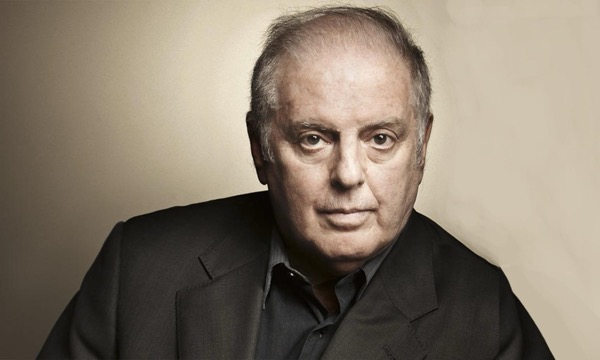
Daniel Barenboim
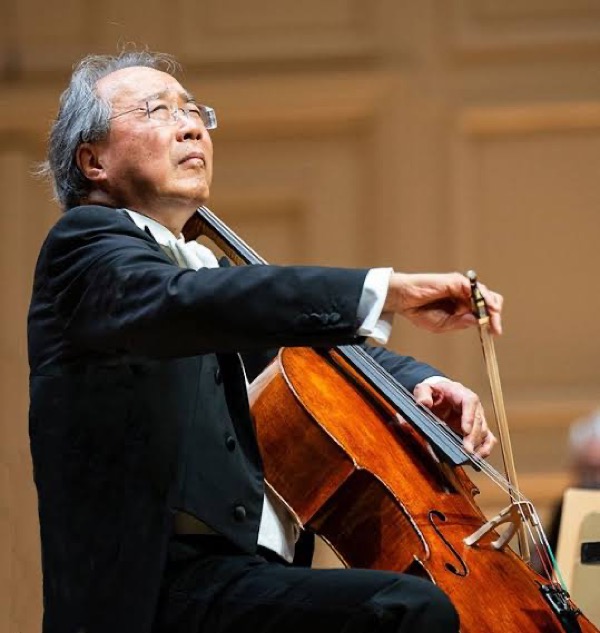
Yo-Yo Ma
Antonín Dvořák: Cello Concerto in B Minor, Op. 104, B. 191: III. Finale: Allegro moderato (Yo-Yo Ma, cello; Berlin Philharmonic Orchestra; Lorin Maazel, cond.)
Robert Schumann: Symphony No. 3 in E-Flat Major, Op. 97, “Rhenish”: I. Lebhaft (Staatskapelle Berlin; Daniel Barenboim, cond.)
August 18
Riccardo Chailly and LFO go to Russia with Scriabin’s Rêverie, Op. 24, and then three pieces by Sergei Rachmaninoff (1873–1943): The 1941 version of his Piano Concerto No. 4, with Lukas Sternath as soloist; Four symphonic pieces from the opera Aleko; and some of his Études-Tableaux (orchestrated by Ottorino Respighi).
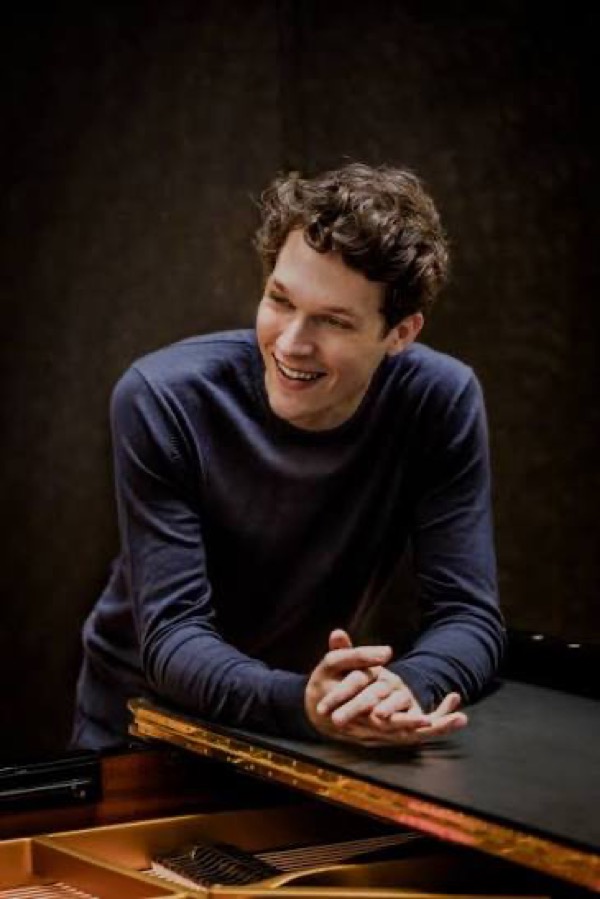
Lukas Sternath
Ottorino Respighi: Rachmaninoff – 5 etudes-tableaux, P. 160: No. 4. Red Riding Hood and the Wolf (after Rachmaninoff’s Op. 39, No. 6) (Minnesota Orchestra; Eiji Oue, cond.)
August 19
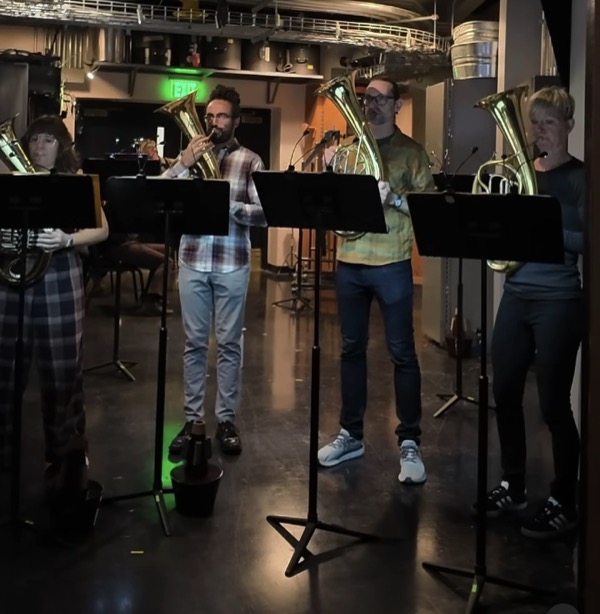
For a lighter touch, the Soloists and Brass Ensemble of the Lucerne Festival Orchestra, conducted by Steven Verhaert, do an all-American concert of Amy Beach (1867–1944) and her Piano Quintet in F-sharp minor (with Lauma Skrideon, piano) and George Gershwin (1898–1937)’s energetic Strike up the Band, arranged for brass ensemble by Manfred Honetschläger. This is followed by one of the most beautiful pieces by Samuel Barber (1910–1981), the Adagio from the String Quartet No. 1 in B minor, arranged for brass ensemble by Steven Verhaert, and closes with a Suite from West Side Story by Leonard Bernstein (1918–1990), arranged for brass ensemble by Eric Crees.
August 20
Making his Lucerne Festival debut is pianist Simon Bürki, in a concert of Frédéric Chopin (1810–1849) and his Polonaise-Fantaisie in A-flat major, Op. 61.
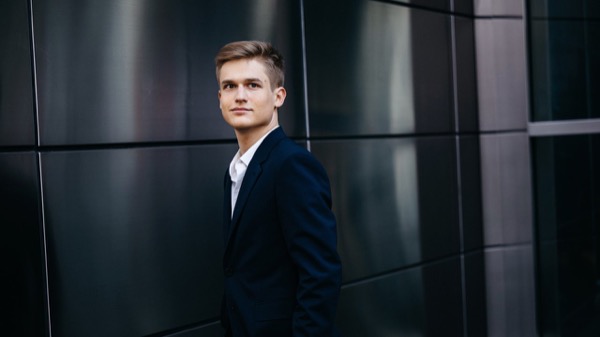
Simon Bürki (photo by Jiyang Cche)
Frédéric Chopin: Polonaise No. 7 in A-Flat Major, Op. 61, “Polonaise-fantaisie” (Stephen Hough, piano)
It will be followed by works by Sergei Rachmaninoff (1873–1943): 12 Songs, Op. 21/5, Flieder (Lilacs) arranged for piano by Sergei Rachmaninoff; Vocalise, Op. 34, No. 14, arranged for piano by Zoltán Kocsis; Hier ist es schön (How Peaceful), Op. 21/ 7, arranged for piano by Arcadi Volodos, and concluded with the 10 Préludes, Op. 23. The famous Prelude in G minor is No. 5 of this set.
Sergei Rachmaninoff: 10 Preludes, Op. 23: No. 5 in G Minor: Alla marcia (Vladimir Ashkenazy, piano)
The evening concert by the Lucerne Symphony Orchestra under Michael Sanderling opens with the Piano Concerto No. 2, Op. 33, The River, by Selim Palmgren (1878–1951). Considered the Finnish master of the piano concerto, his other title, ‘the Nordic Chopin’, gives an indication of the composer’s importance in Scandinavian musical life. The River, here with soloist Alexander Malofeev, remains one of Palmgren’s most popular and most highly-rated piano concertos.
George Gershwin (1898–1937) wrote his 1924 work Rhapsody in Blue for solo piano and jazz band, and the work established Gershwin’s classical reputation. From its opening clarinet glissando to its striking and elaborate ending, it remains a firm declaration that America had arrived in 20th-century composition.
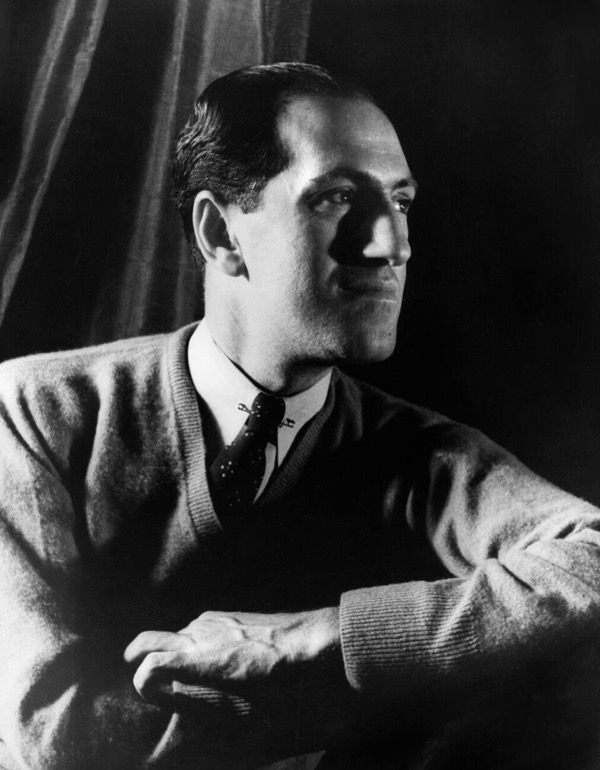
Carl Van Vechten: George Gershwin, 1937
The concert closes with Pyotr Ilyich Tchaikovsky (1840–1893) and his Symphony No. 5 in E minor, Op. 64.
Pyotr Ilyich Tchaikovsky: Symphony No. 5 in E Minor, Op. 64: IV. Finale: Andante maestoso – Allegro vivace (Utah Symphony Orchestra; Maurice Abravanel, cond.)
August 21
Iván Fischer leads the Budapest Festival Orchestra in Symphony No. 7 in B minor, D. 759, Unfinished, by Franz Schubert (1797–1828) and then is joined by the legendary Elisabeth Leonskaja for Wolfgang Amadé Mozart (1756–1791), his Piano Concerto No. 24 in C minor, K. 491, considered one of Mozart’s most advanced concertos, and one of his only two minor-key piano concertos.
The evening closes with a rare performance in both music and pantomime of Béla Bartók‘s (1881–1945) The Miraculous Mandarin. The Orchestra and Fischer are joined by the Eva Duda Dance Company to present the work that Bartok always felt was incomplete without the acting to go with the music.
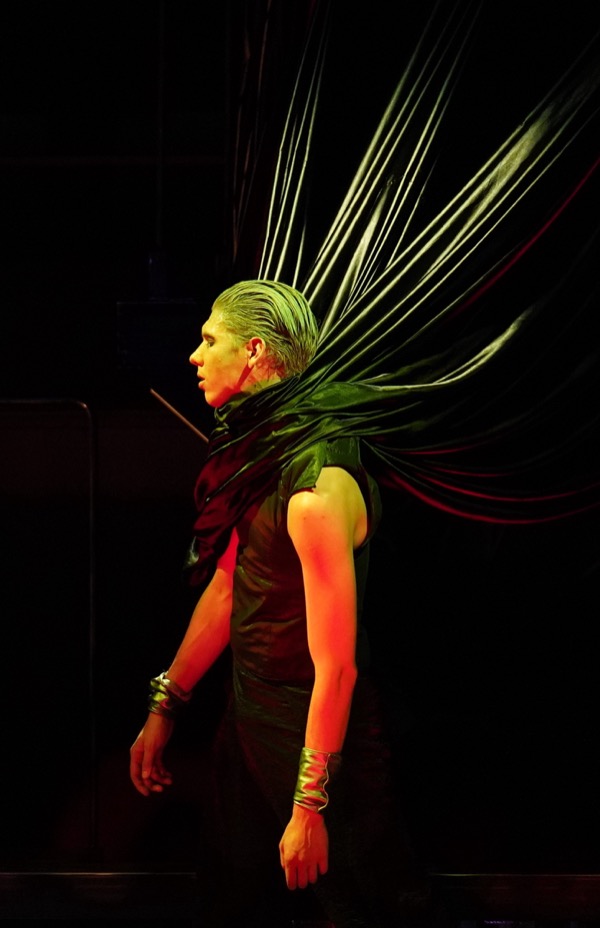
The Miraculous Mandarin in Eva Duda’s staging.
August 22
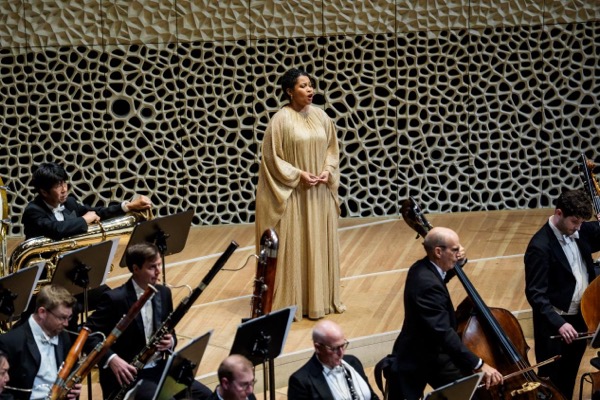
Lucerne Festival Contemporary Orchestra (LFCO), conducted by Baldur Brönnimann, brings an evening of the music of Mark Andre (b. 1964), the festival’s composer-in-residence. The three works are Im Entschwinden (In Vanishing) for orchestra, Im Entfalten (Dem Andenken an Pierre Boulez) (In Unfolding, To the Memory of Pierre Boulez) for orchestra, and the world premiere of a new work commissioned by the Lucerne Festival and the Philharmonie Essen’s NOW! Festival, Im Entsiegeln 1 (In Unsealing) for soprano and orchestra, with soprano Miah Persson.
In the evening, Jakub Hrůša leads the LFO in Erich Wolfgang Korngold (1897–1957)’s filmic Violin Concerto in D major, Op. 35, with soloist Ray Chen. The work, dedicated to Alma Mahler and championed by Jascha Heifetz, was for many years the best-known of Korngold’s works.
Erich Wolfgang Korngold: Violin Concerto in D Major, Op. 35: I. Moderato nobile (Bomsori, violin; Bamberg Symphony Orchestra; Jakub Hrůša, cond.)
The evening concludes with Richard Strauss (1864–1949) and the last of his tone-poems, An Alpine Symphony, Op. 64. Looking back to a schoolboy mountaineering expedition, and its drenching thunderstorm that enveloped the lost boys, the work is not in the expected 4 movements, but rather in 22 related episodes.
August 23
In a Lucerne Festival debut is a concert performance of Christoph Willibald Gluck (1714–1787)’s groundbreaking opera Orfeo ed Euridice (based on the 1769 Parma version). The orchestra, Les Musiciens du Prince – Monaco, is joined by the vocal ensemble Il canto di Orfeo, conducted by Gianluca Capuano. Mezzo-soprano Cecilia Bartoli takes the role of Orfeo, and French soprano Mélissa Petit takes the dual role of Eurydice and Amore. The role of Orfeo, originally written for a castrato, is one of Cecilia Bartoli’s most cherished roles: ‘Orfeo transports us to another world through his magical voice. He celebrates love and even descends into hell to reclaim his beloved Euridice. With this music, one can touch the divine — through the ears and through the soul’.
August 24
In their first appearance as a duo, violinist Augustin Hadelich and pianist Seong-Him Cho bring an evening of Johannes Brahms (1833–1897) (Violin Sonata No. 1 in G major, Op. 78), Leoš Janáček (1854–1928) (Violin Sonata), Amy Beach (1867–1944) (Romance for violin and piano, Op. 23), and Sergei Prokofiev (1891–1953) (Violin Sonata No. 2 in D major, Op. 94a)
Amy Beach: Romance, Op. 23 (Augustin Hadelich, violin; Orion Weiss, piano)
August 25
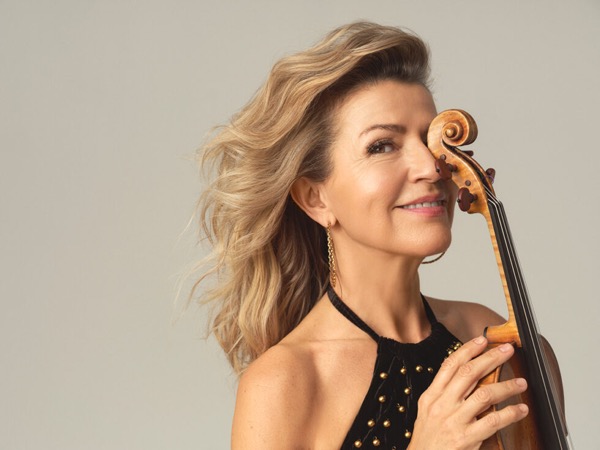
In a concert marking Anne-Sophie Mutter’s 50th anniversary at the festival, she leads the LFO Lucerne Festival Orchestra as conductor and violin soloist in a concert of Mozart (Divertimento in F major, K. 138, Violin Concerto in B-flat major, K. 207, and his Violin Concerto in A major, K. 219). Between the Mozart works are works by Previn and Darvishi. First is the Violin Concerto No. 2 by André Previn (1929–2019), written for Mutter. Then there will be the Swiss premiere of Aftab Darvishi (*1987)’s Likoo for solo violin.
August 26
Kirill Petrenko brings the Berlin Philharmoniker in a concert that pairs Edward Elgar’s Enigma Variations, op. 36, and Pyotr Ilyich Tchaikovsky (1840–1893) and his Symphony No. 4 in F minor, Op. 36.
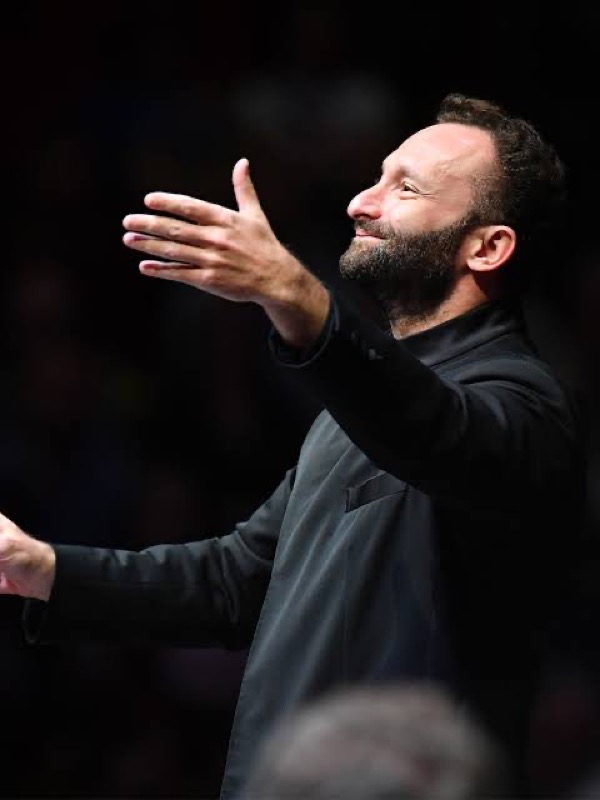
Kirill Petrenko
August 27
Malaysian pianist Bridget Yee makes her Lucerne Festival debut with a program ranging from a Wagner transcription by Liszt to the Swiss premiere of shadow undulations of a bellflower by Laila Arafah (b. 2004). American composers Samuel Barber and George Gershwin are on the program, along with a Haydn Fantasia, before Yee closes with the Liszt Piano Sonata in B minor.
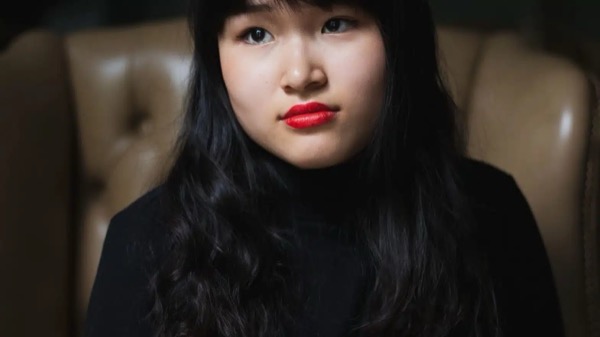
Bridget Yee
The Berliner Philharmoniker with Kirill Petrenko return with Augustin Hadelich and Beethoven’s Violin Concerto in D major, and Le Divin Poème by Alexander Scriabin, his Symphony No. 3.
August 28
Finnish conductor Santtu-Matias Rouvali makes his Festival debut with the Royal Concertgebouw Orchestra with Beethoven’s Piano Concerto No. 5, with Víkingur Ólafsson as soloist, and Prokofiev’s dynamic Symphony No. 5.
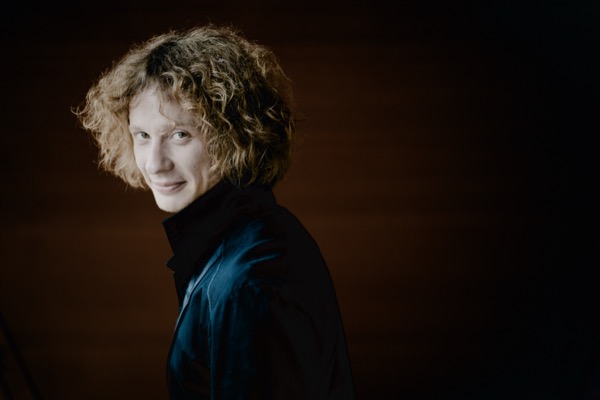
Santtu-Matias Rouvali (photo by Marco Borggreve)
That same evening, in a performance called Mad King & Medea, there are two music-theatre works: Eight Songs for a Mad King by Peter Maxwell Davies (1934–2016) and the world premiere of Mein Name ist der Fluch. Medea’s Monolog by Bushra El-Turk (b. 1982). Maria Radzikhovskiy leads the Lucerne Symphony Orchestra in these two excursions into madness. Davies’ 1968 monodrama about the madness of King George III is built around the king’s own writings. British composer Bushra El-Turk gives one of the most controversial women in mythology, Medea, a new voice. The whole evening moves ‘between self-empowerment and madness, power and arbitrariness, love and hate’, and will provide an unforgettable view of a difficult world.
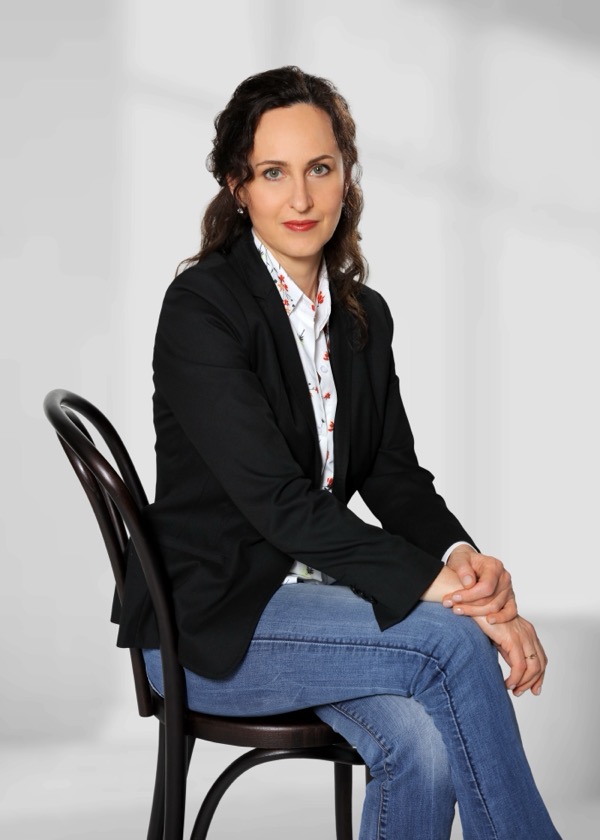
Maria Radzikhovskiy
Peter Maxwell Davies: 8 Songs for a Mad King, Op. 39: No. 4. To Be Sung On the Water (Michael Gallup, baritone; The New Music Settings Ensemble; Rhonda Kass, cond.)
August 29
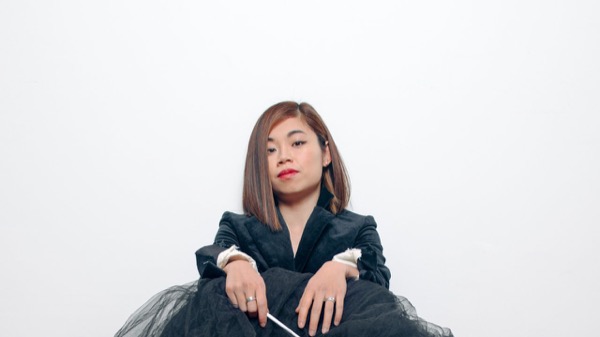
Elim Chan (photo by Simon Pauly)
Hong Kong conductor Elim Chan leads the Lucerne Festival Contemporary Orchestra (LFCO) in Mark Andre’s über for clarinet, orchestra, and live electronics, with Jörg Widmann as clarinettist; the world premiere of Liza Lim (b. 1966)’s Tongue of the Land for orchestra and carnyx, an ancient bronze Celtic war trumpet, played by Marco Blaauw. The evening closes with John Adams (b. 1947) and his Doctor Atomic Symphony based on his opera that grappled with the legacy of the physicist J. Robert Oppenheimer and the first atomic bomb test in New Mexico.
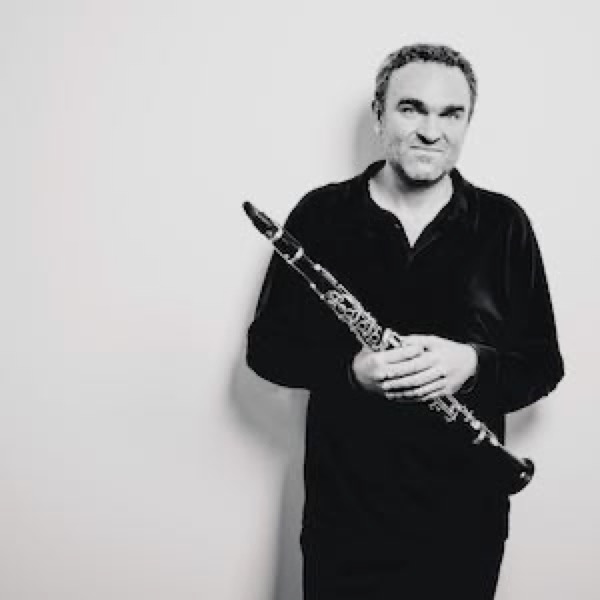
Jörg Widmann (photo by Marco Borggreve)
Andre worked with Widmann to develop a set of new timbres for the clarinet, including key clicks, electronically altered breaths, and whisper-thin multiphonics. The carnyx last sounded in the Lake Lucerne region more than 2,000 years ago. Lim’s work asks about the legacy of our far distant past, while Adams’ work questions the decisions about our future.
The sound of the carnyx
August 30
The Met Orchestra makes its first appearance at the Festival with Yannick Nézet-Séguin, its music director since the 2018–2019 season. They open with American composer Missy Mazzoli (b. 1980)’s Sinfonia (for Orbiting Spheres).
Missy Mazzoli: Sinfonia (for Orbiting Spheres) (Arctic Philharmonic Orchestra; Timothy Weiss, cond.)
The rest of the concert is devoted to Gustav Mahler (1860–1911). Mezzo-soprano Joyce DiDonato sings his Rückert-Lieder before the orchestra continues with Mahler’s Symphony No. 4.
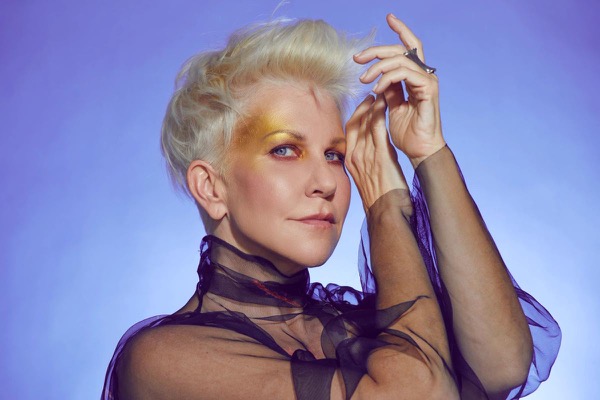
Joyce DiDonato
Gustav Mahler: Rückert-Lieder: No. 2. Ich atmet’ einen linden Duft (arr. for voice and chamber ensemble) (Joyce DiDonato, mezzo-soprano; Il Pomo d’Oro; Maxim Emelyanychev, harpsichord and conductor)
August 31
August ends with a dance as Israeli conductor Lahav Shani leads the Munich Philharmonic in John Adams’ foxtrot for orchestra, The Chairman Dances, considered an ‘outtake’ from his opera Nixon in China. Martha Argerich joins the orchestra for Beethoven’s Piano Concerto No. 2, and the evening closes with Johannes Brahms (1833–1897) and his Symphony No. 4.
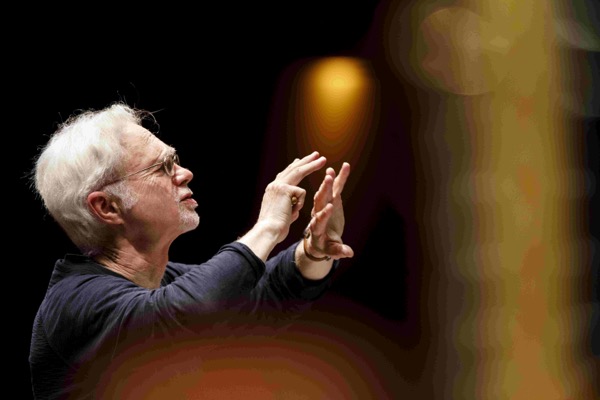
John Adams (photo by Riccardo Musacchio)
John Adams: The Chairman Dances (Hollywood Bowl Orchestra; John Mauceri, cond.)
The Festival continues into September, and it should be remembered that in addition to the concerts listed here, there are dozens more that take place around Lucerne, emphasising all the different musical styles that make up classical music today.
For more of the best in classical music, sign up for our E-Newsletter