March has been one of the most important months in classical music history, packed with pivotal premieres, legendary births, and moments that reshaped how music is written, performed, and understood.
From the births of Frédéric Chopin and Joseph Haydn to the premieres of Mendelssohn’s violin concerto, Verdi’s La Traviata, and Dvořák’s cello concerto, these March classical music anniversaries span more than three centuries of musical history.
In this day-by-day guide, we revisit some of the most important ‘on this day’ moments in March classical music history, pairing each anniversary with historical context and a representative work to listen to.
Whether you’re interested in Baroque foundations, Romantic breakthroughs, or twentieth-century modernism, March offers a uniquely concentrated overview of classical music anniversaries that continue to shape the repertoire today.
1 March 1810
Birth of Frédéric Chopin
Chopin’s Polonaise in A-flat major
Born in the tiny Polish village of Żelazowa Wola, Chopin transformed piano writing with his intensely personal, poetic style.
His music – especially his nocturnes, études, and preludes – expanded the expressive range of the instrument while still remaining deeply rooted in Polish identity and a distinct personal lyricism.
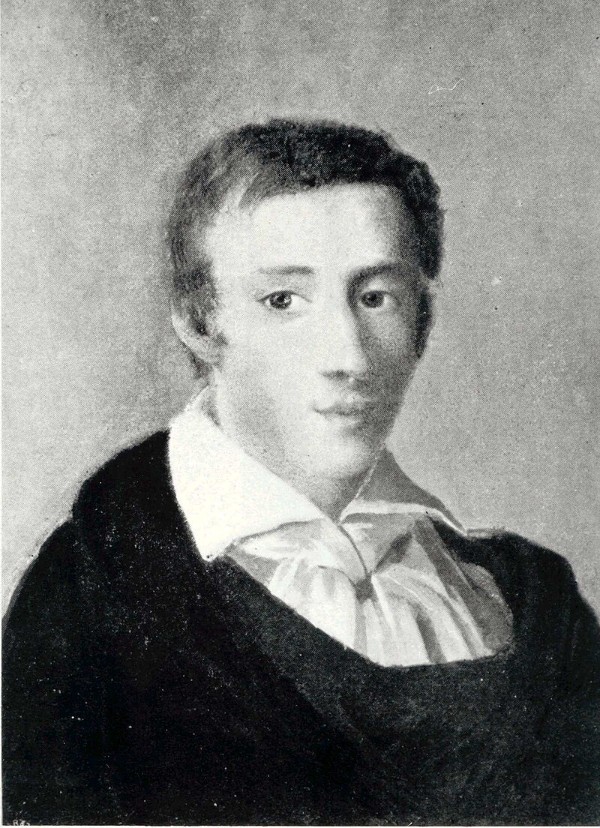
Frédéric Chopin
Read and learn more about Chopin’s early childhood and life as a prodigy.
2 March 1824
Birth of Bedřich Smetana
Smetana’s Vltava (The Moldau)
Often called the father of Czech national music, Smetana fused elements of folksong with Romantic symphonic forms.
Works like Má vlast helped define Czech cultural identity at a pivotal historical moment of political, linguistic, and musical awakening.
Here’s how Smetana went from being a brewer’s son to an important figure in music history.
3 March 1706
Death of Johann Pachelbel
Pachelbel’s Canon in D
Best known today for his omnipresent Canon in D, Pachelbel was a central figure in South German Baroque music.
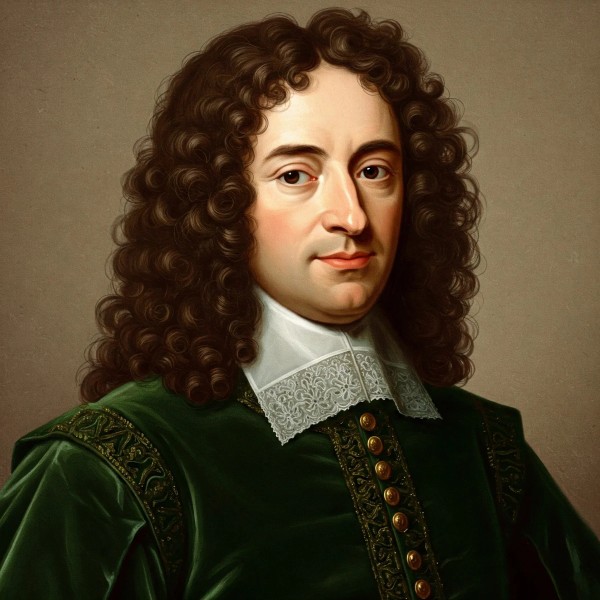
Johann Pachelbel
His chorale-based works and keyboard writing exerted a lasting influence, including on the Bach family. (He taught Johann Sebastian Bach’s older brother, who in turn taught Bach.)
We wrote an article spotlighting how Pachelbel’s Canon became so popular – and why it took hundreds of years to become a standard.
4 March 1678
Birth of Antonio Vivaldi
Vivaldi’s Spring from The Four Seasons
Born in Venice, Vivaldi revolutionised the concerto form with his penchant for vivid musical imagery.
After many years of neglect by performers and listeners, Vivaldi was rediscovered in the twentieth century. He has since become one of the most famous Baroque composers, especially after the popularisation of his Four Seasons violin concertos.
But he was more than a one-hit wonder: his influence and output – including operas, sacred works, and hundreds more concertos – extends far beyond that single cycle.
We covered how Vivaldi managed to escape death as a little boy.
5 March 1887
Birth of Heitor Villa-Lobos
Villa-Lobos’s Bachianas Brasileiras No. 5
In his work, Villa-Lobos blended Brazilian folk traditions with European classical forms, creating a unique and striking musical language.
His vast output ranges from intimate solo works for solo guitar to ambitious orchestral and choral compositions.
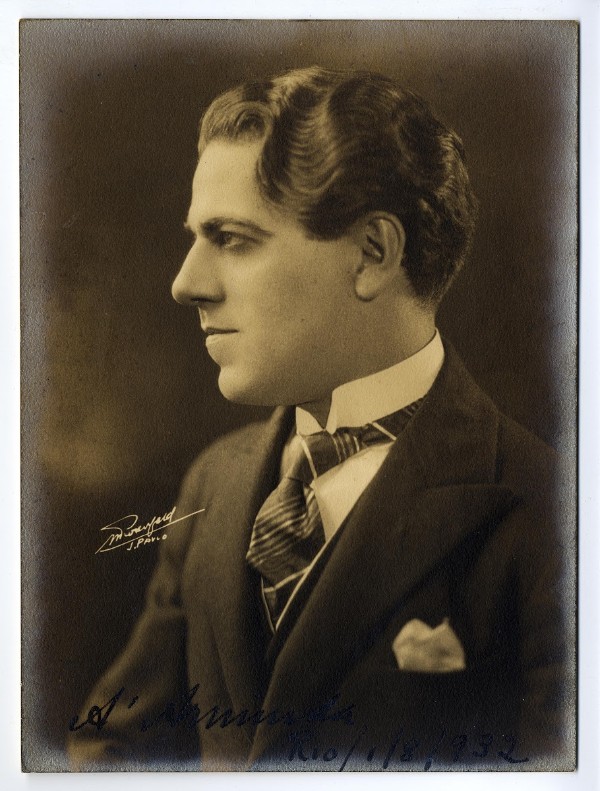
Heitor Villa-Lobos, 1932
Find out how Villa-Lobos’ origins contributed to the inspiration that was a hallmark of his musical career.
6 March 1853
Premiere of Verdi’s La Traviata
Verdi’s La Traviata
Verdi’s opera La Traviata premiered in Venice to audience jeers. Operagoers found it ridiculous that the young consumptive heroine was played by a soprano in her late thirties, and they weren’t impressed by the singing of the baritone and tenor, either.
Verdi famously wrote in a letter on 7 March: “La Traviata last night a failure. Was the fault mine or the singers’? Time will tell.”
Today, La Traviata is one of the most frequently performed operas, admired for its emotional honesty and melodic power.
We told the story of La Traviata’s premiere fiasco.
7 March 1875
Birth of Maurice Ravel
Ravel’s Gaspard de la Nuit
Ravel’s ultra-French music is renowned the world over for its precision, colour, and refinement.
From his flashy orchestral showpiece Boléro to his intimate solo piano works like Gaspard de la Nuit, he crafted sound worlds of extraordinary clarity and depth, balancing emotional restraint with sensual rhythms and harmonies.
Find out how Ravel’s family and childhood impacted his music.
8 March 1869
Death of Hector Berlioz
Berlioz’s Requiem
A radical orchestrator and visionary, Berlioz reshaped symphonic thinking with works like the Symphonie fantastique.
Though controversial in his lifetime, his innovations became foundational to later Romantic and modern orchestral music.
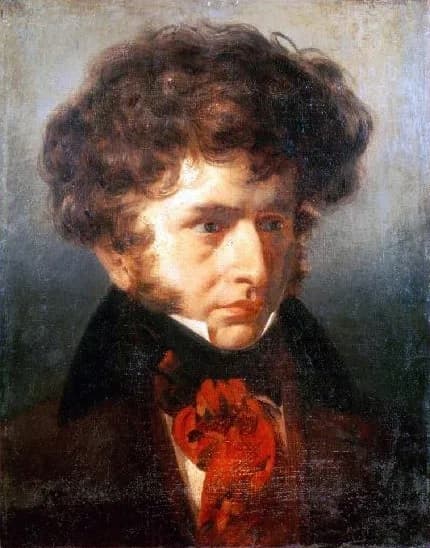
The young Hector Berlioz
We covered the troubles of Berlioz’s final years.
9 March 1910
Birth of Samuel Barber
Barber’s Adagio for Strings
Barber’s music is marked by lyricism and emotional directness, qualities that made works like Adagio for Strings universally resonant.
Even as musical fashions shifted around him, he remained committed to tonal expressiveness.
We wrote about the Adagio for Strings and how Barber later adapted it for choir.
10 March 1844
Birth of Pablo de Sarasate
Sarasate’s Zigeunerweisen
A dazzling virtuoso from Pamplona, Spain, Sarasate wrote showpieces that remain staples of the violin repertoire.
His works combine technical brilliance with Spanish pizzazz and character.
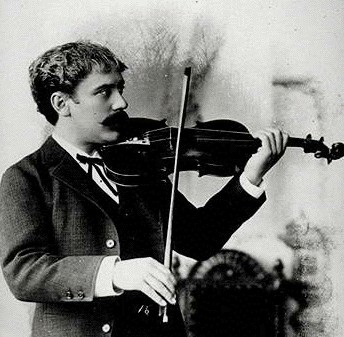
Pablo de Sarasate
He also was the dedicatee of major violin works by Camille Saint-Saëns, Max Bruch, Édouard Lalo, and Henryk Wieniawski.
Here we explored Sarasate’s life and legacy and answered the question, what made Sarasate such a force of nineteenth-century music?
11 March 1829
Mendelssohn revives Bach’s St. Matthew Passion
Bach’s St. Matthew Passion
Mendelssohn’s famous Berlin performance of Bach’s St. Matthew Passion, given when Mendelssohn was just twenty, marked the first time the work had been played outside of Leipzig since Bach’s death.
It also marked the beginning of the Bach revival, reintroducing a neglected masterpiece to the public.
This performance reshaped 19th-century understanding of musical history and canon formation.
We wrote an essay about Mendelssohn and his place in music history.
12 March 1943
Premiere of Aaron Copland’s Fanfare for the Common Man
Copland’s Fanfare for the Common Man
Written during World War II, Copland’s fanfare honoured ordinary citizens rather than military leaders.
Its harmonies, reminiscent of the wide-open, windswept vistas of the heartland, became emblematic of American musical identity.
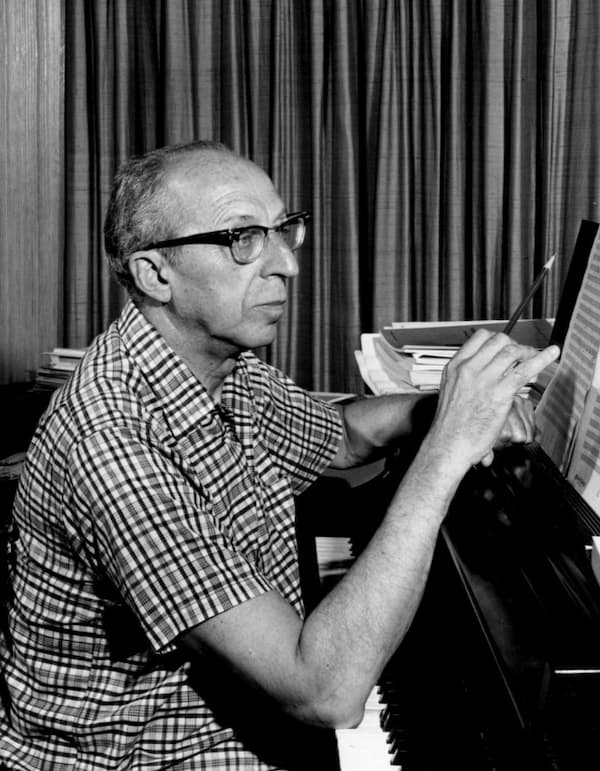
Aaron Copland, 1962
We looked at the history of this famous American fanfare.
13 March 1845
Premiere of Mendelssohn’s Violin Concerto
Mendelssohn’s Violin Concerto
Mendelssohn’s violin concerto premiered in 1845 and remains one of the most beloved and frequently performed violin concertos ever written.
Its structure – three movements connected without pause – was revolutionary for its time.
We listed Mendelssohn’s ten most popular works, including the violin concerto.
14 March 1681
Birth of Georg Philipp Telemann
Telemann’s Sonata in D major, TWV 44:1
One of the most prolific composers in history (he wrote thousands of works), Telemann wrote in virtually every genre of his time.
His music blends elegance, wit, and cosmopolitan influences drawn from across Europe.
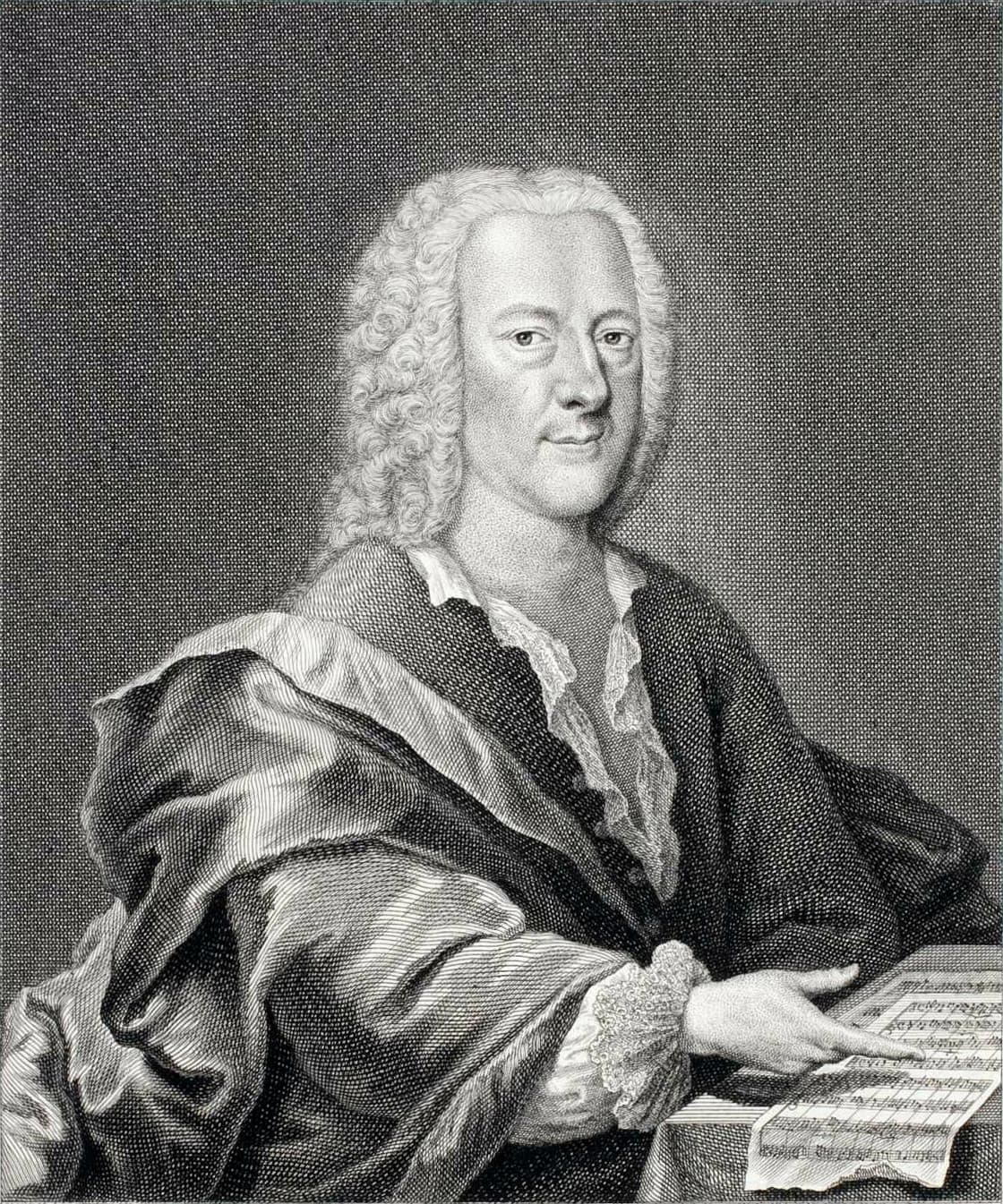
Georg Philipp Telemann
We looked at how Telemann got to be so prolific.
15 March 1918
Death of Lili Boulanger
Boulanger’s Nocturne pour violon et piano
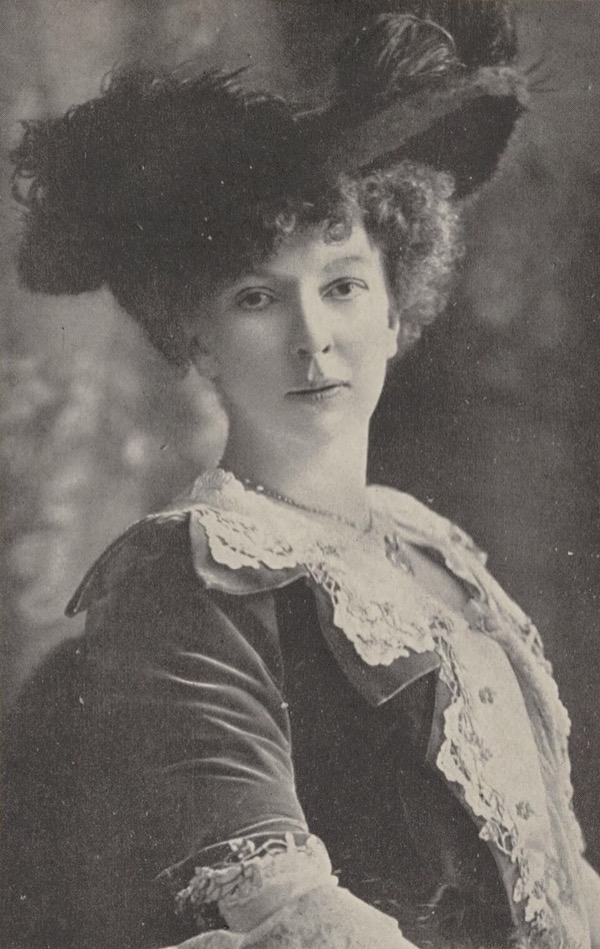
Lili Boulanger’s career was tragically brief due to her battle with terminal illness, but her music reveals extraordinary originality and emotional depth.
In 1913, at the age of nineteen, she became the first woman to win the prestigious Prix de Rome, a major milestone for women composers. Her unfairly neglected works are gaining more popularity today.
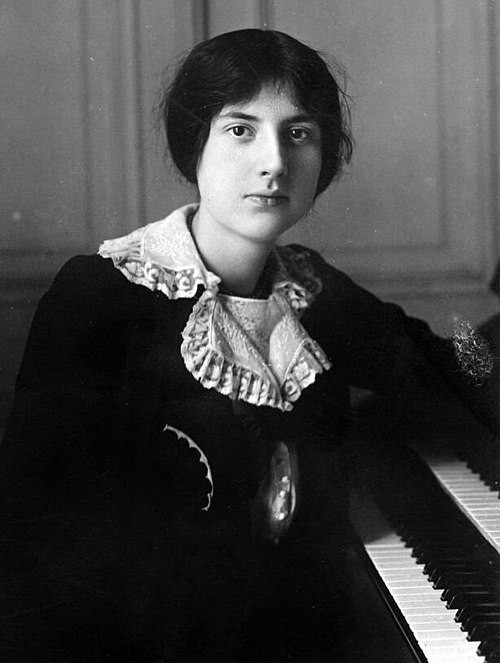
Henri Manuel: Lili Boulanger, 1913
We looked at the tragically short life story of Lili Boulanger and provided a recommended listening list.
16 March 1736
Death of Giovanni Pergolesi
Pergolesi’s Stabat Mater
Pergolesi died of tuberculosis at just 26, but his Stabat Mater was one of the most influential sacred works of the 18th century.
His operatic intermezzi also helped shape the development of comic opera.
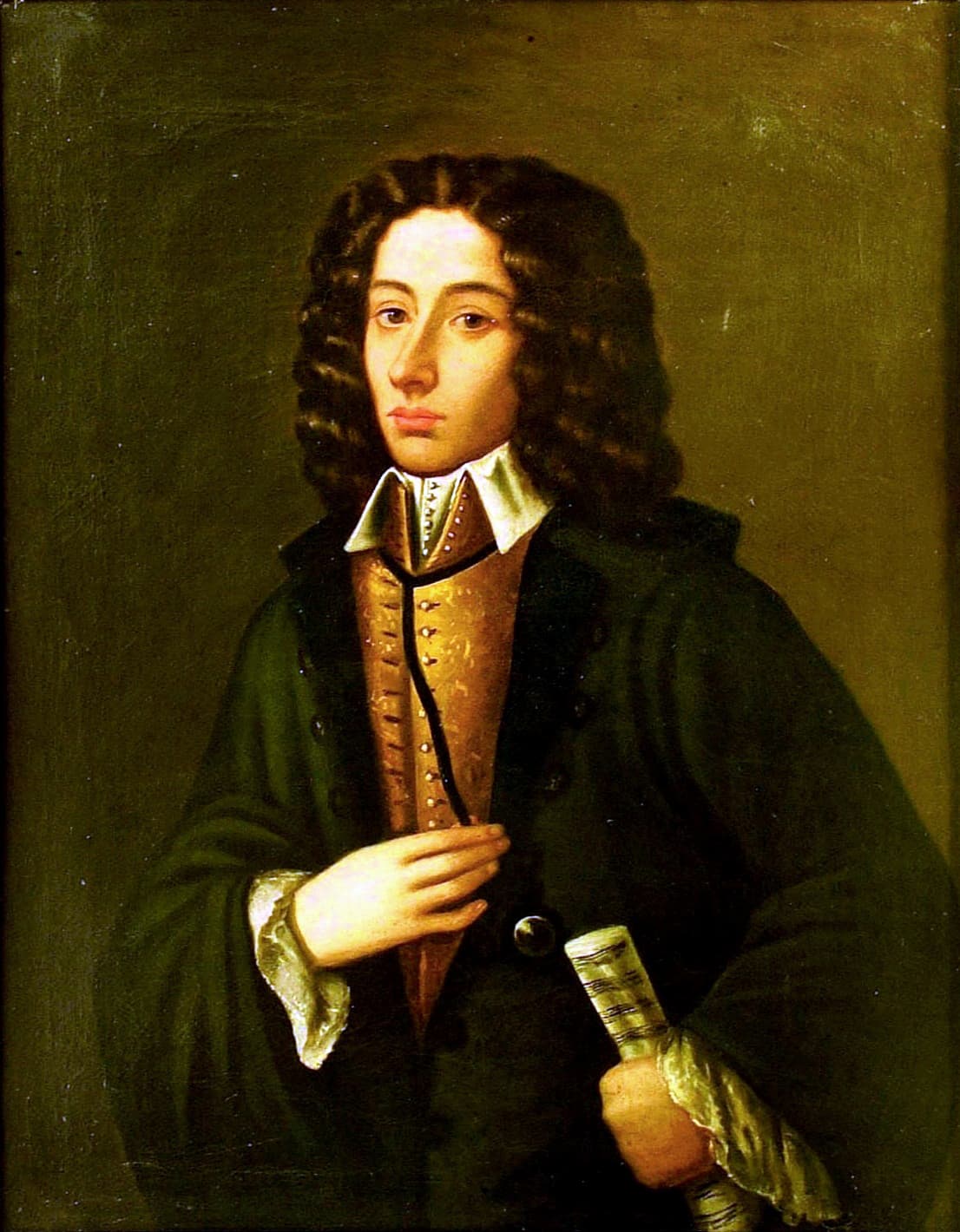
Giovanni Battista Pergolesi
His death is one of the major what-ifs in the history of music.
We wrote about the history of Pergolesi’s Stabat Mater.
17 March 1830
Premiere of Chopin’s Piano Concerto No. 2
Chopin’s Piano Concerto No. 2
Premiered in Warsaw two weeks after his twentieth birthday, shortly before he set out on an international tour to make his name as a piano virtuoso, this concerto showcases Chopin’s gift for lyrical piano writing.
Its slow movement remains one of the most gorgeous moments in his output.
We wrote about the concerto’s inspiration and premiere.
18 March 1844
Birth of Nikolai Rimsky-Korsakov
Rimsky-Korsakov’s Scheherazade
A master orchestrator, Rimsky-Korsakov played a central role in the development of Russian nationalist music.
His teaching and treatise on orchestration influenced generations of composers.
You can read about Rimsky-Korsakov’s Russian heritage and how it impacted his music.
19 March 1896
Premiere of Dvořák’s Cello Concerto
Dvořák’s Cello Concerto
Dvořák’s cello concerto premiered in London and quickly established itself as one of the greatest – maybe the greatest – cello concerto ever written.
It balances symphonic breadth with deeply personal, aching lyricism.
We compared recordings by six different virtuoso cellists.
20 March 1915
Birth of Sviatoslav Richter
Richter playing Chopin Etudes
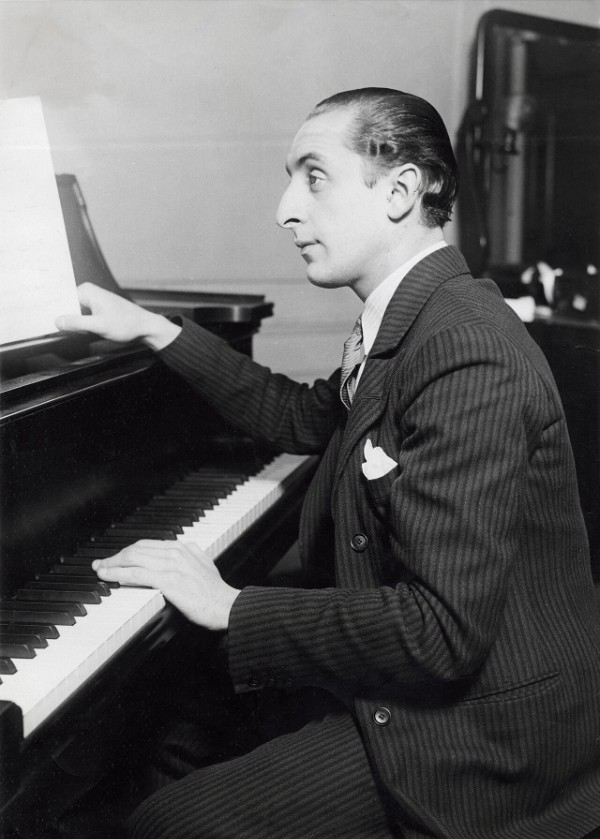
Richter was one of the most formidable pianists of the twentieth century, known for his intellectual rigour and interpretive depth. Despite his towering reputation, his education was largely self-directed.
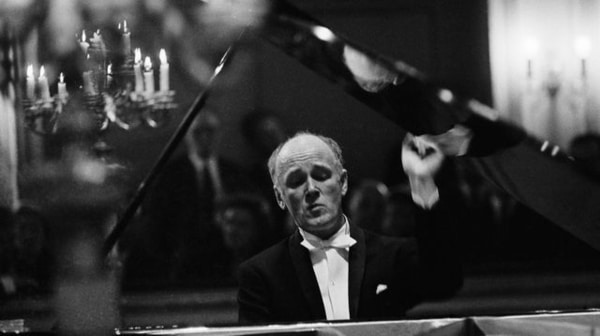
Sviatoslav Richter
His repertoire spanned centuries, and his performances were legendary for their intensity.
We delved into the history of how Richter became such a well-known pianist.
21 March 1839
Birth of Modest Mussorgsky
Mussorgsky’s Pictures at an Exhibition
A fiercely original voice, Mussorgsky’s music prioritised realism and speech-like melody.
Works like Pictures at an Exhibition (later orchestrated by Maurice Ravel) challenged norms and reshaped Russian musical expression.
We explained how a friend’s art inspired Mussorgsky’s Pictures at an Exhibition.
22 March 1687
Death of Jean Baptiste Lully
Lully’s “Marche pour la Ceremonie des Turcs”
Lully dominated French court music under his employer, Louis XIV. In that job, he shaped French opera and ballet.
His tragic death – caused by an infected injury sustained after accidentally stabbing his foot with a conducting staff – became infamous in classical music history.
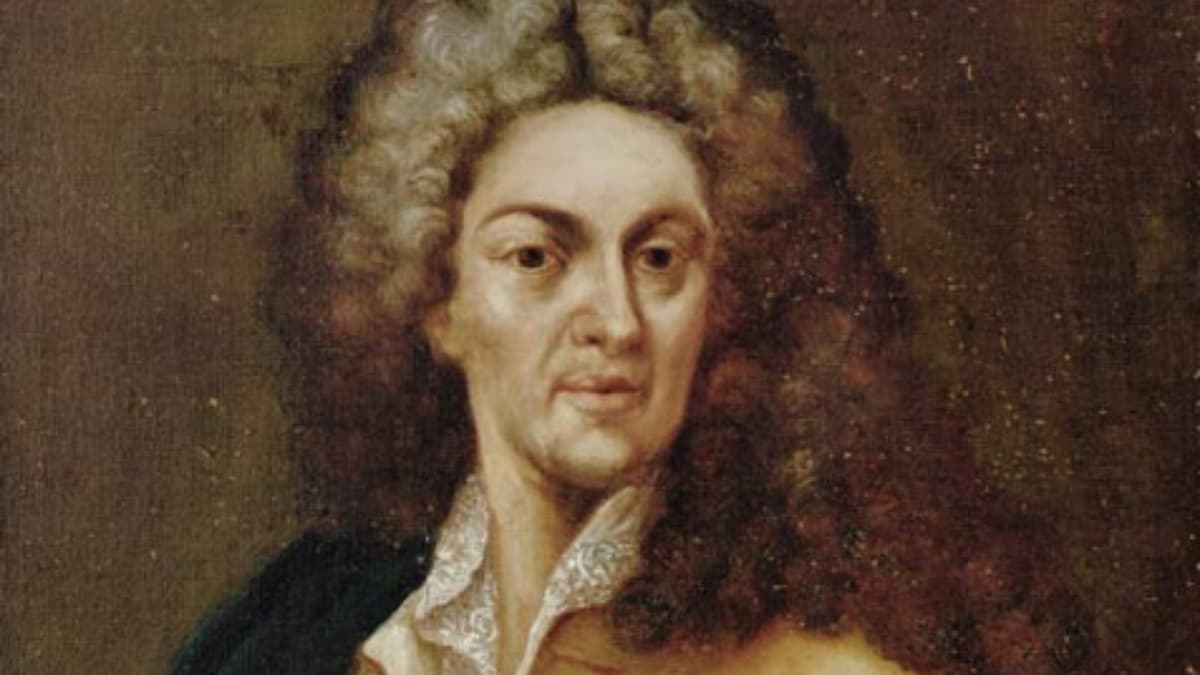
Jean-Baptiste Lully © dallassymphony.org
We looked at the story of Lully’s death, as well as four other composers who died or had fatal accidents while on the podium.
23 March 1783
Premiere of Mozart’s Symphony No. 35
Mozart: Symphony No. 35 Haffner
Mozart’s 35th Symphony received the nickname “Haffner” after the family who commissioned it to celebrate the ennoblement of Sigmund Haffner the Younger (Sigmund Haffner the Elder had been mayor of Mozart’s hometown of Salzburg).
It started life as a serenade to be played in the background during the ceremony, but turned into one of the Classical era’s most beloved symphonies.
24 March 1916
Death of Enrique Granados
Granados’s Intermezzo from Goyescas
Granados died tragically traveling between New York and England when his ship was torpedoed during World War I. He died trying to save his wife, but neither survived.
His piano suite Goyescas remains a cornerstone of Spanish Romantic music.
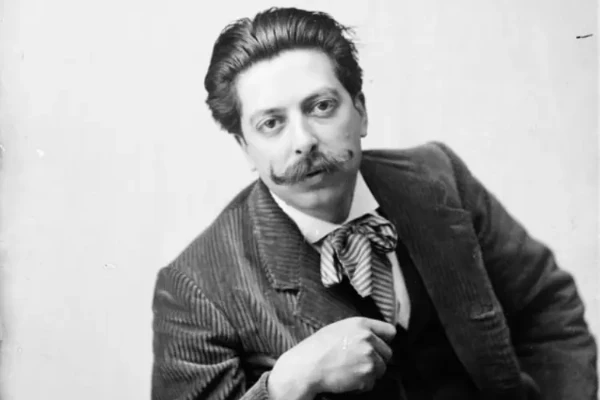
Enrique Granados
We told the tragic story of Granados’ death.
25 March 1881
Birth of Béla Bartók
Bartók’s Music for Strings, Percussion and Celesta
Born in the town of Nagyszentmiklós in the Austro-Hungarian Empire, Bartók became one of the most influential composers of the twentieth century.
A pioneering ethnomusicologist as well as a composer, he collected and studied thousands of Eastern European folk melodies, integrating them into a highly personal modernist style.
Works like Music for Strings, Percussion and Celesta exemplify his trademark fusion of folk elements with rigorous classical structure, helping to redefine what modern orchestral music could sound like.
We looked back at Bartók’s childhood.
26 March 1827
Death of Ludwig van Beethoven
Beethoven’s Grosse Fuge in B-flat Major
After years of bad health, Beethoven died in the spring of 1827. His death marked the end of the career of arguably the most influential composer of all time.
His music permanently transformed Western art music, bridging the Classical and Romantic eras with unprecedented confidence, innovation, and emotional expression.
We looked at what happened when Beethoven died.
27 March 1897
Premiere of Rachmaninoff’s Symphony No. 1
Rachmaninoff’s Symphony No. 1
The premiere of Rachmaninoff’s first symphony was one of the great fiascos in the history of classical music.
The conductor – fellow composer Alexander Glazunov – was likely drunk, and Rachmaninoff left the hall before it was over.
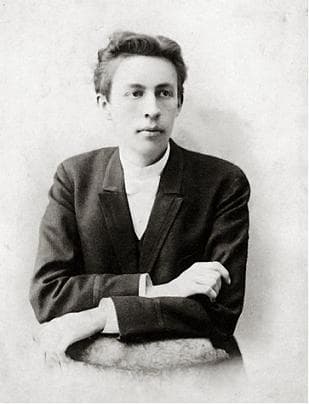
Sergei Rachmaninoff
This premiere devastated the young composer and triggered a creative crisis. After months of psychotherapy, he eventually emerged with the score of one of his best-known works: the second piano concerto.
We wrote about one of the memorably bad reviews of this performance, as well as some other bad reviews from classical music history.
28 March 1881
Death of Modest Mussorgsky
Mussorgsky’s Night on Bald Mountain
Mussorgsky’s death at 42 from the effects of alcoholism cut short a fascinating, revolutionary career.
Though many works were left unfinished, their sheer originality continues to influence composers and performers.
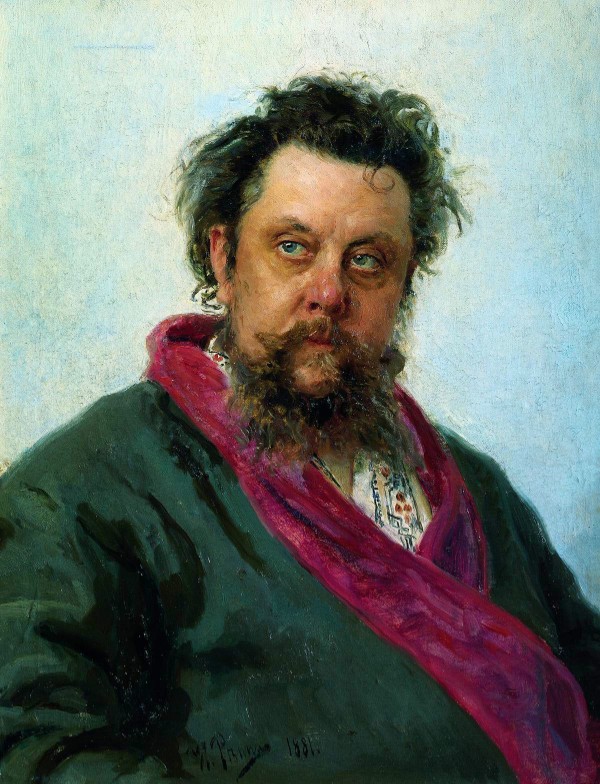
Modest Mussorgsky
We traced Mussorgsky’s struggles with alcoholism in this article.
29 March 1827
Beethoven’s funeral
Beethoven’s Symphony No. 3, Funeral March
Beethoven’s funeral in Vienna drew tens of thousands of mourners, reflecting his status as a cultural hero. The event underscored how profoundly his music had entered public consciousness.
We wrote about Beethoven’s death and funeral in this article.
30 March 1787
Death of Anna Amalia, Abbess of Quedlinburg
Anna Amalia’s Flute Sonata in F-major
The sister of Frederick the Great, Anna Amalia, used her royal education to study music. She became a talented composer.
She also helped preserve important Baroque era and Classical era manuscripts. That library became a vital resource for later generations.
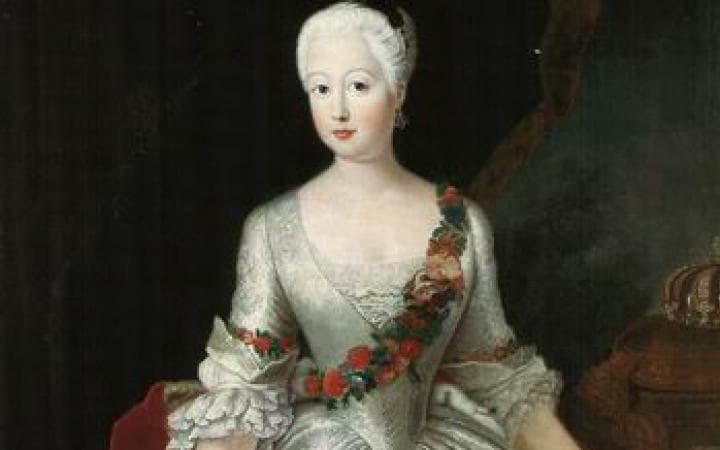
Anna Amalia
We looked at Anna Amalia’s remarkable career.
31 March 1732
Birth of Joseph Haydn
Haydn’s String Quartet No. 62
Often called the “father” of the symphony and string quartet, Joseph Haydn’s innovations laid the groundwork for Classical form.
His influence on Mozart and Beethoven in particular was profound. Many of his works remain in the repertoire of orchestras and string quartets to this day.
We looked at the surprisingly dark childhood of Haydn.
Conclusion
Seen as a whole, these March anniversaries paint a vibrant cross-section of classical music history.
Within this single month alone, we encounter the births of composers who defined entire eras, premieres that initially failed before becoming cornerstones of the repertoire, and moments of loss that changed music history forever.
It’s simply impossible to imagine classical music as it currently exists without the events and legacies we’ve charted here.
For more of the best in classical music, sign up for our E-Newsletter