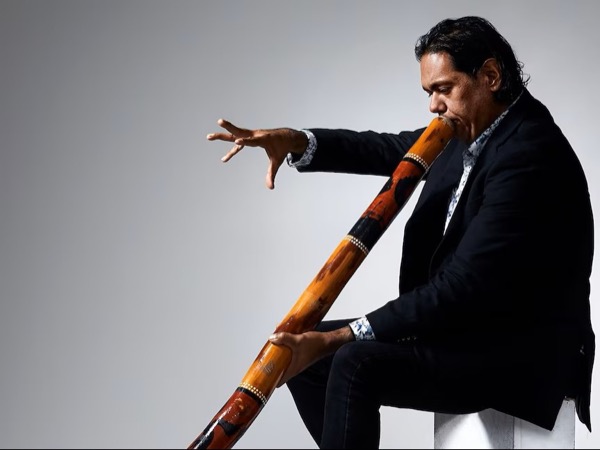
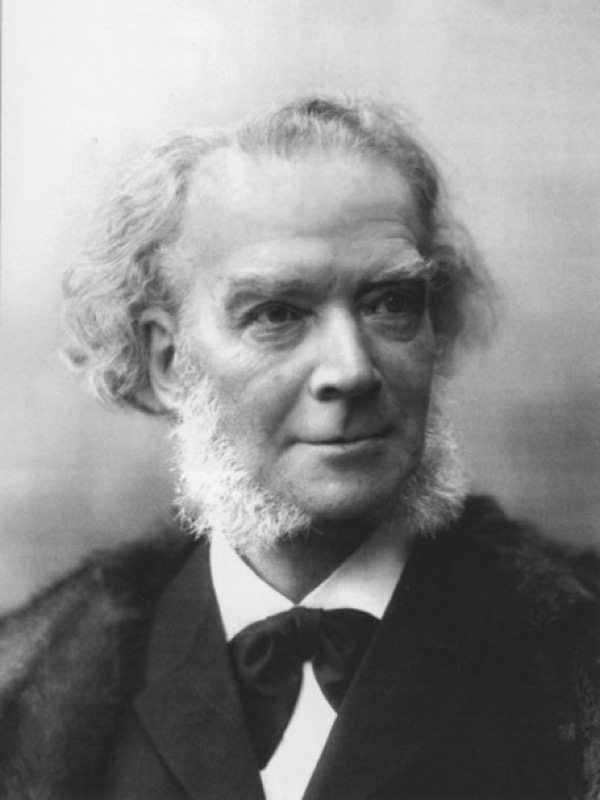
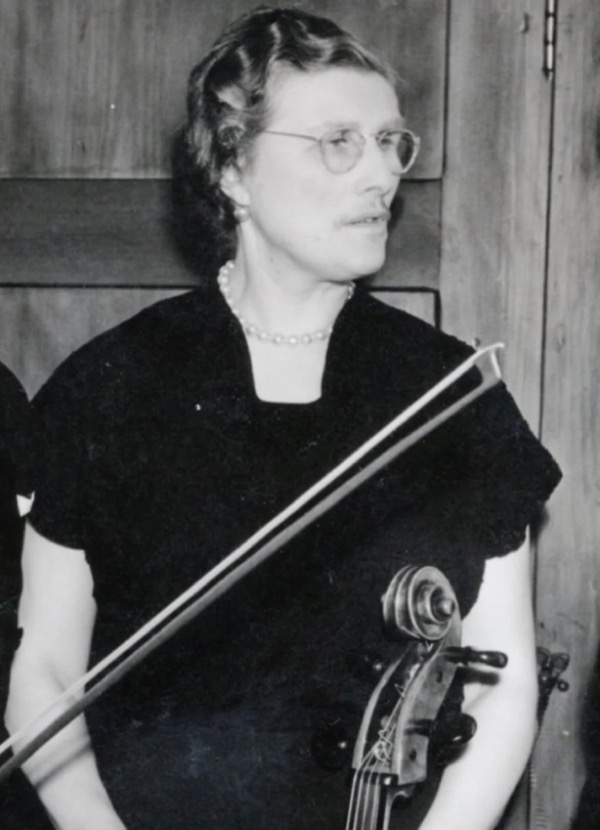
“We live in a society that wants stars. We (the pianists) are not the stars.” – pianist Leon Fleisher (1928-2020)
In classical music, the idea that “the music is the star” holds that the composition itself – not the performer – should remain at the centre of attention. Unlike many forms of popular entertainment, where personality, image, and celebrity often dominate, classical performance has traditionally been rooted in service to something larger: the music.
A pianist performing a sonata by Beethoven is expected not merely to display technical brilliance or personal charisma. The deeper task is to reveal the structure, character, tension, emotion and humanity already embedded in the work by the composer. Similarly, a conductor interpreting a symphony by Brahms, or a choral work by Bach, must balance personal insight with fidelity to the music, ensuring that their interpretation illuminates rather than overwhelms the score. In this sense, classical musicians are ‘custodians’ and communicators rather than ‘creators’ in the modern celebrity sense.
Johann Sebastian Bach: St. John Passion, BWV 245: Part I: Herr, unser Herrscher (Chorus) (Mainz Bach Choir; Mainz Bach Orchestra; Ralf Otto, cond.)
For a long time, many traditions within classical music culture have sought to keep the music at the fore. Concert dress is often formal and understated; orchestras sit in standard formations; audience etiquette discourages interruptions such as applause between movements (although this habit was common in the eighteenth and nineteenth centuries). All of these customs developed to focus attention on the music itself rather than on spectacle or personalities. The ideal performance creates the impression that the music speaks directly to the listener, almost independently of the performer.
Musicians, however, are human beings, and personality and ego inevitably enter the picture. In moderation, individuality is essential. Great performers are memorable because they bring their own imagination, musical insight/experience, and emotional depth to their interpretations. The playing of pianist Glenn Gould, for example, was unmistakably personal, while conductors such as Sir Simon Rattle have highly distinctive artistic identities. For many seasoned concert-goers, a particular performer or conductor can be as much of an attraction as the repertoire itself.
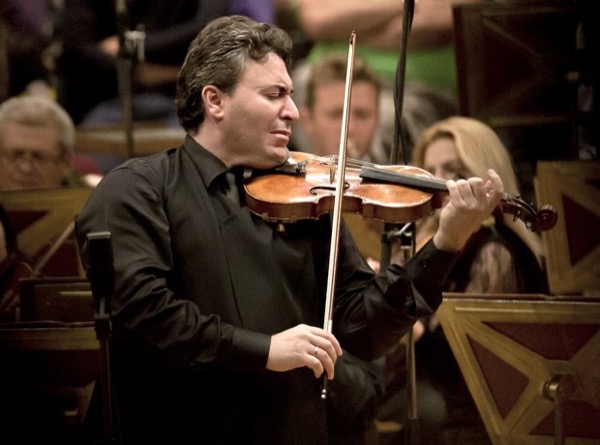
Maxim Vengerov
Glenn Gould – Pt. 3: Piano Sonata B Flat Major, K. 333 (On How Mozart Became A Bad Composer)
Leonard Bernstein: Candide: Overture (Berlin Philharmonic Orchestra; Simon Rattle, cond.)
But problems arise when the performer’s ego and stage persona get in the way of the music (and I don’t need to mention any examples here!). Some musicians treat concerts as vehicles for self-display, using exaggerated or flamboyant gestures (extreme physical movements, hair tossing and the like) simply to appear original or impressive. Virtuosity becomes theatrical self-promotion rather than meaningful expression, obscuring the music. Some musicians are unaware of how their gestures may affect the performance, and many are nonetheless fine artists.
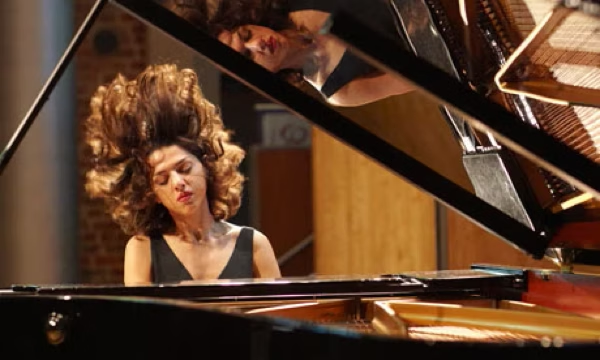
Khatia Buniatishvili
In ensemble settings, ego can be even more of an issue. Orchestras and chamber groups depend on listening, cooperation, and a shared purpose. A soloist who dominates excessively, or a conductor who rules by intimidation, can undermine unity. Historically, classical music has featured many authoritarian figures whose reputations for brilliance have coexisted with destructive personal behaviour. In such situations, rehearsals become battles over status and control rather than collaborative explorations of the music.
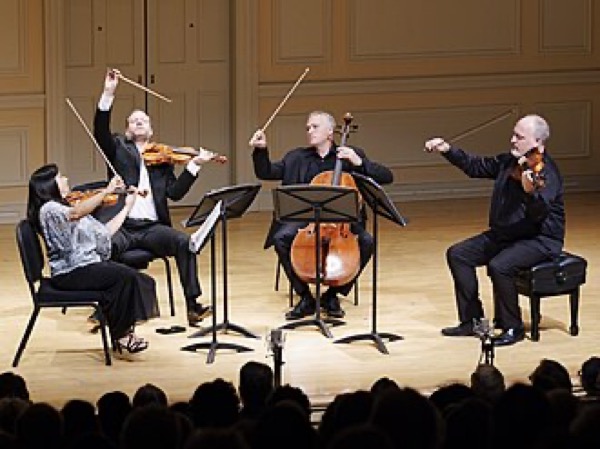
Pacifica Quartet performs at the Library of Congress Stradivari Anniversary concert, December 18, 2024
Ego can also affect programming and artistic priorities. Musicians may choose works that showcase themselves rather than those that best serve audiences or artistic development. Classical music marketing today reinforces this tendency by promoting performers as celebrities first and as musicians second, while social media can intensify the pressure to cultivate a ‘celebrity’ image or build a personal brand, shifting the focus away from actual musicianship and service to the art form.
The greatest classical performances often arise when performers combine mastery with humility, allowing the music to speak and ‘be the star’. Humility in this context does not mean a lack of confidence; it means recognising that the music carries enduring value beyond the performer’s own identity. The musician then becomes the means of communication through which listeners encounter something profound – beauty, tragedy, joy or transcendence.
When “the music is the star,” audiences leave a performance reflecting on how deeply the music moved them – the ultimate achievement in classical performance.
For more of the best in classical music, sign up for our E-Newsletter
Wolfgang Amadeus Mozart: Piano Concerto No. 25 in C Major, K. 503: III. Allegretto (cadenza by E. Istomin) (Leon Fleisher, piano)