January has, historically speaking, been the month of a number of important beginnings in classical music history.
This is the month we celebrate the birthdays of giants like Mozart and Schubert, as well as the premieres of The Flying Dutchman, Tosca, and Prokofiev’s Fifth.
It’s also the month when we remember the passing of composers like Johann Christian Bach, John Field, Grazyna Bacewicz, and Léo Delibes.
Enjoy our day-by-day journey through January’s most important classical music anniversaries as we trace how each of these composers, performers, and premieres contributed to the art.
1 January 1782
Death of Johann Christian Bach
Johann Christian Bach | Sinfonie in g Moll Op. 6 Nr. 6 W.C12
Known as the “London Bach”, Johann Christian Bach was the youngest son of J.S. Bach and one of the more influential composers of his time. As you can guess from his nickname, he worked in Britain for many years.
His elegant style bridged the Baroque and Classical eras and influenced the young Mozart.
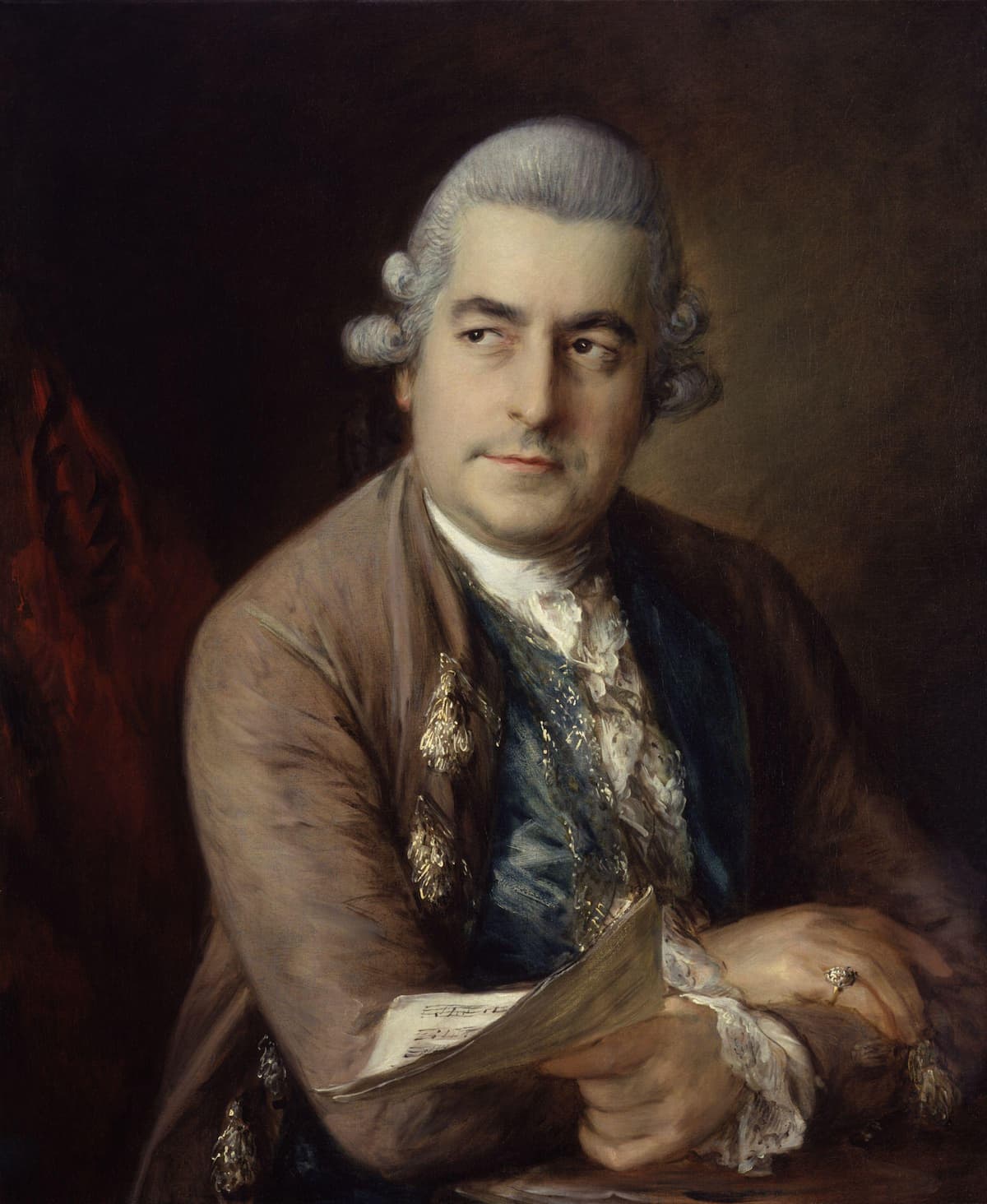
We wrote an article about how Johann Christian Bach’s battles in court impacted the modern concept of copyright.
2 January 1843
Premiere of Wagner’s opera The Flying Dutchman
Wagner’s Overture to The Flying Dutchman
Richard Wagner’s storm-tossed opera The Flying Dutchman premiered in Dresden in 1843.
It was inspired by a terrifying real-life storm that he endured while sailing to London to flee his creditors.
His musical depiction of the storm can be heard in the work’s overture.
3 January 1909
Birth of Victor Borge
Victor Borge performing on The Muppet Show
The Danish-American pianist and comedian Victor Borge was born in Copenhagen in 1909, then fled Europe for America after the Nazis came to power.
Beloved for blending virtuoso piano playing with razor-sharp wit, he became one of the 20th century’s most popular musical entertainers.
4 January 1710
Birth of Giovanni Battista Pergolesi
Pergolesi – Stabat Mater (complete/full) – Nathalie Stutzmann
Italian composer Giovanni Battista Pergolesi was born in the town of Jesi in present-day Italy.
Although tuberculosis killed him when he was just 26, his music was hugely influential.
In fact, his Stabat Mater became one of the most celebrated sacred works of the eighteenth century.
5 January 1931
Birth of Alfred Brendel
Brendel playing Schubert’s Piano Sonata No. 22
One of the great intellectual pianists of the modern era, Alfred Brendel was born in Wiesenberg, Moravia, in 1931.
His probing interpretations of Beethoven, Schubert, and Liszt helped redefine piano artistry in the twentieth century.
We wrote this tribute about Alfred Brendel’s remarkable career after his death in June 2025.
6 January 1838
Birth of Max Bruch
Bruch: 1. Violinkonzert ∙ hr-Sinfonieorchester ∙ Hilary Hahn ∙ Andrés Orozco-Estrada
German Romantic composer Max Bruch was born in Cologne in present-day Germany in 1838.
His first violin concerto in G-minor is one of the most beloved violin concertos ever written. It’s a lyrical masterpiece that made him immortal amongst violinists, despite an otherwise modest reputation today.
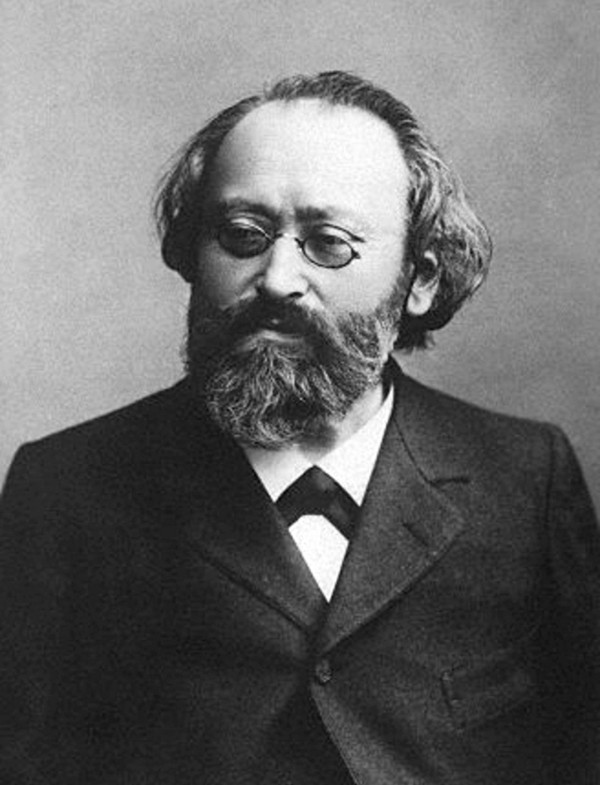
Max Bruch
We explored the question of why Bruch’s other works have been so neglected.
7 January 1899
Birth of Francis Poulenc
Poulenc: Orgelkonzert ∙ hr-Sinfonieorchester ∙ Iveta Apkalna ∙ Andrés Orozco-Estrada
French composer Francis Poulenc was born in Paris.
A member of the group of French composers known as Les Six, he was famous for his elegance and wit. That personality is evident in everything from his irreverent songs to his radiant choral works.
We wrote about Poulenc’s sparkling music and career.
8 January 1812
Birth of Sigismond Thalberg
Thalberg: L’art du chant appliqué au piano, Op. 70 – 19. Casta diva, de l’opéra “Norma”
Pianist-composer Sigismond Thalberg, born in Geneva, rivaled Franz Liszt when it came to virtuosity.
His dazzling “three-hand effect” on the keyboard made him a sensation on the nineteenth-century concert stage.
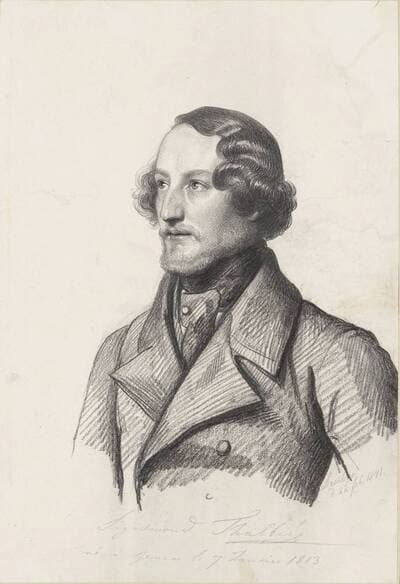
Carl Christian Vogel von Vogelstein: Sigismund Thalberg, 1841 (Staatlichen Kunstsammlung Dresden)
We took a closer look at Thalberg’s unique keyboard technique.
9 January 1839
Birth of John Knowles Paine
PAINE, J.K.: Symphony No. 2
Born in Portland, Maine, John Knowles Paine became America’s first internationally recognised composer.
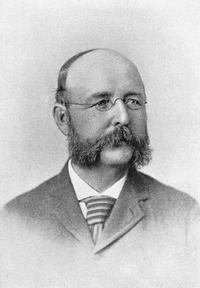
John Knowles Paine
He helped to establish Harvard’s music department in 1875, a prestigious program that helped to kickstart higher education for musicians across America.
10 January 1948
Birth of Mischa Maisky
Maisky playing Bach’s Cello Suite No. 1
Cellist Mischa Maisky was born in Riga, Latvia.
A student of both Mstislav Rostropovich and Gregor Piatigorsky, his intensely emotional playing made him one of the most distinctive cellists of his generation.
11 January 1837
Death of John Field
Alice Sara Ott – Field: Nocturne No. 14 in G Major, H. 58
Irish pianist and composer John Field was a pioneer of the nocturne genre that Chopin went on to perfect.
After years of battling alcoholism and deteriorating health, he died of pneumonia in 1837.
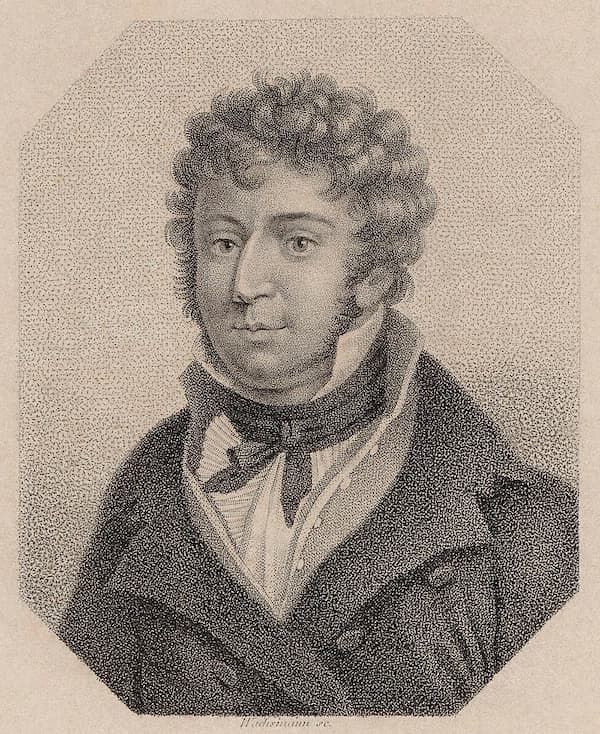
Anton Wachsmann: John Field, ca 1820 (Gallica: btv1b84179686)
His gorgeous lyricism set the stage for piano music in the Romantic Era.
We ranked John Field’s ten most beautiful nocturnes.
12 January 1887
Death of Leopoldine Blahetka
Leopoldine Blahetka: Polonaise op. 19
Viennese pianist and composer Leopoldine Blahetka died in Boulogne-sur-Mer, France.
A child prodigy who was one of the first pianists to play Beethoven’s piano concertos, she toured Europe, impressing Berlioz, Schumann, and Chopin, among others.
She wrote elegant salon pieces in the early Romantic style.
We wrote about Leopoldine Blahetka’s hugely impressive career.
13 January 1945
Premiere of Prokofiev’s Symphony No. 5
Prokofiev’s Symphony No. 5
Prokofiev’s triumphant Symphony No. 5 premiered in Moscow during the final months of World War II.
Its bold themes and monumental orchestration combined to create an indomitable symbol of artistic and national resilience in the face of the Nazis.
14 January 1900
Premiere of Puccini’s opera Tosca
Puccini’s Tosca
Puccini’s gripping opera Tosca had its world premiere in Rome, shocking audiences with its realism and emotional violence.
Even today, well over a century after its composition, it remains one of the most frequently performed operas in the world.
15 January 1941
Premiere of Messiaen’s Quartet for the End of Time
Messiaen: Quartet for the End of Time
Olivier Messiaen’s haunting Quartet for the End of Time was premiered by fellow prisoners in a German POW camp.
Scored for clarinet, violin, cello, and piano, it’s one of the most spiritual works of the twentieth century.
We made a playlist of some of Messiaen’s best works for newcomers.
16 January 1891
Death of Léo Delibes
Delibes: Lakmé – Duo des fleurs (Flower Duet), Sabine Devieilhe & Marianne Crebassa
French composer Léo Delibes wrote luminous scores for the ballets Coppélia and Sylvia, paving the way for Tchaikovsky’s later masterpieces.
We wrote about Léo Delibes’ “life of muted passions” and why he is widely known for composing one aria in particular.
17 January 1969
Death of Grażyna Bacewicz
Grażyna Bacewicz: Concerto for String Orchestra | The Orchestra Now
Polish composer and violinist Grażyna Bacewicz died in Warsaw at the age of 60.
One of the twentieth century’s great female composers, she combined neoclassical clarity, intellectual rigour, and her trademark Polish intensity of emotion.
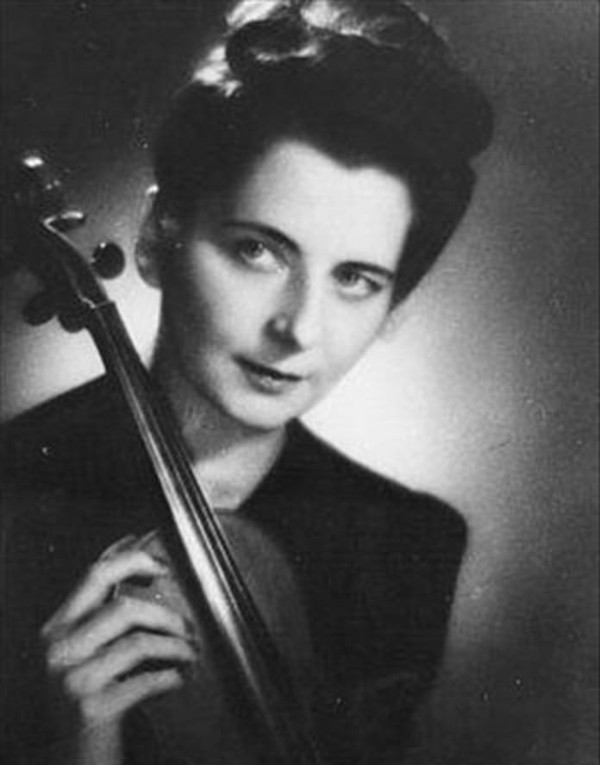
Grażyna Bacewicz
We wrote about why Grażyna Bacewicz’s Concerto for Strings is so impressive.
18 January 1841
Birth of Emmanuel Chabrier
Emmanuel Chabrier – España Rhapsody For Orchestra
French composer Emmanuel Chabrier was born in Ambert, France.
His vibrant harmonies and wit influenced Debussy and Ravel, along with the entire next generation of French composers.
We looked at why Chabrier wrote a famous work called España.
19 January 1787
Premiere of Mozart’s Prague Symphony
MOZART “Symphony No.38 in D major K504” (Prague) BERNARD HAITINK (2017)
Mozart’s radiant Symphony No. 38 – nicknamed the Prague – was first performed in the Czech capital on this day in 1787.
Czech music-lovers had a special fondness for Mozart and his music.
20 January 1855
Birth of Ernest Chausson
Janine Jansen: Ernest Chausson – Poème for Violin and Orchestra, Op. 25
French composer Ernest Chausson was born in Paris in 1855.
His lush, introspective music combined the carnal energy of Wagner with French romance and refinement.
In this article, we looked at the fictional story that inspired Chausson’s most famous work, the passionate Poème for Violin and Orchestra.
21 January 1858
Birth of Mel Bonis
Mel Bonis: Femmes de légende (Complete)- Live Concert
French Romantic composer Mel Bonis was born in Paris.
A prolific composer who studied alongside Debussy, she struggled with societal sexism and an unhappy marriage to a husband who discouraged her career.
Despite the turmoil in her private life, she produced over 300 works of lyrical, finely crafted music.
22 January 1916
Birth of Henri Dutilleux
Brooklyn Rider – “Ainsi la nuit” by Henri Dutilleux
Henri Dutilleux (1916–2013) was a French composer whose meticulously crafted works bridged Impressionism and modernism with luminous orchestration and great emotional depth.
We made a listening guide to Dutilleux’s most iconic works.
23 January 1752
Birth of Muzio Clementi
Muzio Clementi-Etude №.44 [Gradus ad Parnassum]
Italian-born pianist, composer, and publisher Muzio Clementi was born in Rome on this day in 1752.
Nicknamed the “Father of the Pianoforte,” and famous for his pedagogical work Gradus ad Parnassum, he shaped modern keyboard technique and was a major influence on Beethoven, among others.
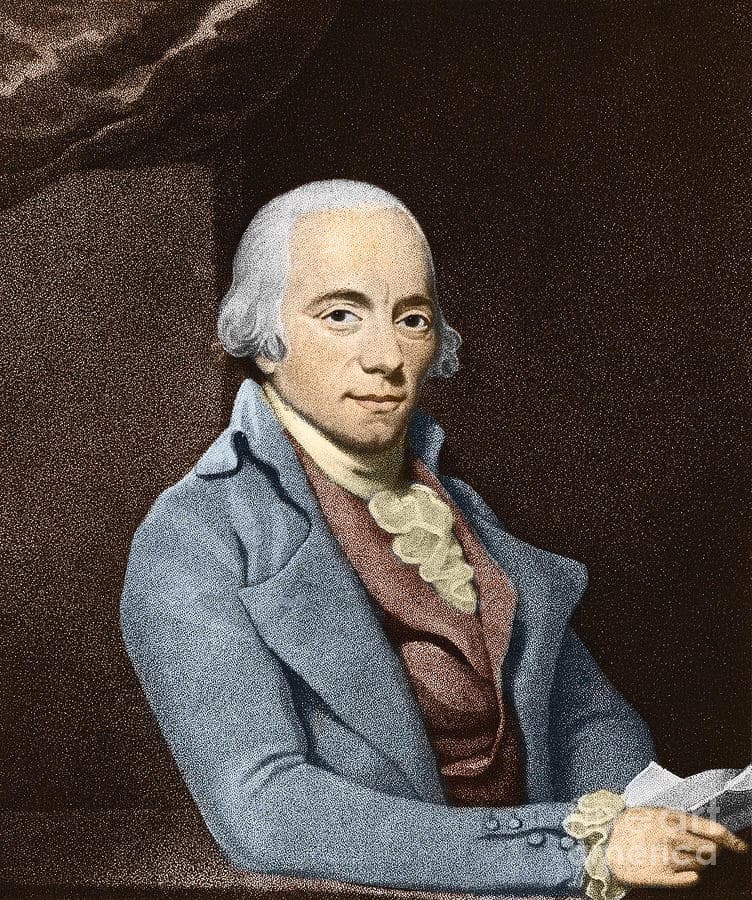
Muzio Clementi
We looked at how Clementi got the nickname “Father of the Pianoforte.”
24 January 1915
Birth of Vítězslava Kaprálová
Vítězslava Kaprálová – Partita for piano and Strings op.20
Czech composer and conductor Vítězslava Kaprálová was born in Brno. She died of typhoid fever at the age of 25.
Despite her youth, she left behind a striking body of orchestral and chamber works.
We wrote an article with thirteen facts about the life of Kaprálová.
25 January 1913
Birth of Witold Lutosławski
Witold Lutoslawski – Concerto For Orchestra
Witold Lutosławski was one of Poland’s greatest twentieth-century composers, known for blending folk influences with a modernist bent.
His masterpieces, including the Concerto for Orchestra and Symphony No. 3, combine intense intellectual rigour with moments of haunting lyricism.
We celebrated Lutosławski’s unique musical language.
26 January 1945
Birth of Jacqueline du Pré
Jacqueline du Pré’s performance of the first movement of the Elgar cello concerto
Cellist Jacqueline du Pré was born in Oxford, England, in 1945.
Her passionate, incandescent performances – especially of the Elgar concerto – made her a legend before multiple sclerosis ended her career in her mid-twenties.
We looked at five of Jacqueline du Pré’s most essential recordings.
27 January 1756
Birth of Wolfgang Amadeus Mozart.
Mozart: Symphony No. 40 | Nikolaus Harnoncourt & Concentus Musicus
Mozart was born in Salzburg, Austria.
A child prodigy turned professional freelance musician, he wrote more than 600 works that are still considered to be the high points of the Classical Era today.
We wrote an article about Mozart’s most famous quotations from his writing.
28 January 1887
Birth of Artur Rubinstein
Rubinstein playing Chopin’s Piano Concerto No. 2
Polish-American pianist Artur Rubinstein was born in Łódź in present-day Ukraine.
Celebrated for his warmth and charisma, as well as his Chopin interpretations, he was one of the most beloved pianists of the twentieth century.
We looked at five of Artur Rubinstein’s most striking recordings.
29 January 1862
Birth of Frederick Delius
Delius: In a Summer Garden ∙ hr-Sinfonieorchester ∙ Sir Andrew Davis
English composer Frederick Delius was born in Bradford, England.
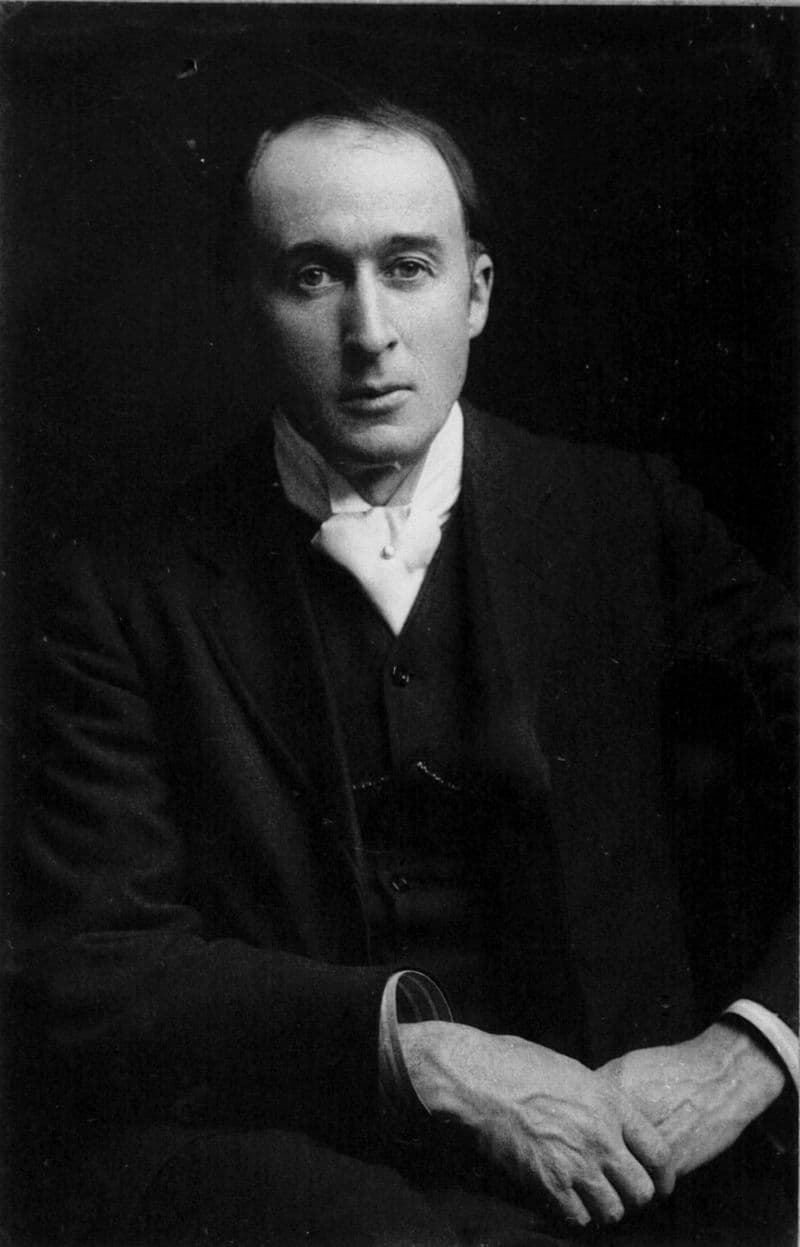
Frederick Delius
His impressionistic orchestral works, often inspired by nature, evoke a dreamlike world totally unique to him.
30 January 1944
Birth of Lynn Harrell
Lynn Harrell playing Max Bruch’s Kol Nidrei
American cellist Lynn Harrell was born in New York City on this day in 1944. He became one of the most admired cellists of his generation, known for his rich tone.
We wrote this tribute to Lynn Harrell after his death in 2020.
31 January 1797
Birth of Franz Schubert
Schubert Ständchen : Camille Thomas and Beatrice Berrut
Franz Schubert was born in Vienna on 31 January 1797.
Over the course of just 31 years, he wrote over 600 songs, chamber pieces, and orchestral works that helped to lay the foundations of the Romantic Era.
We wrote an article containing eleven pieces that will make you fall in love with the music of Franz Schubert.
Conclusion
Clearly, January is rich with classical music anniversaries, from famous composer birthdays like Mozart, Schubert, and Poulenc to landmark premieres by Wagner, Puccini, and Prokofiev.
Each and every date tells an important part of the long and thrilling story of classical music history.
Which January date on the classical music calendar means the most to you?
For more of the best in classical music, sign up for our E-Newsletter