In our previous episode on forgotten Romantic piano concertos, we discovered unexpected and wonderful music by Moscheles, Benedict, Holbrooke, Bennett, and Villiers Stanford.
These much-neglected nineteenth- and early twentieth-century piano concertos and concertante works have been brought to light in 87 volumes of recordings from Hyperion, released between 1991 and 2023.
This musical treasure trove holds plenty of riches, and it’s time to continue our exploration with the German virtuoso pianist and composer Adolf von Henselt.
Adolf von Henselt: Piano Concerto in F Minor, Op. 16 (Marc-André Hamelin, piano; BBC Scottish Symphony Orchestra; Martyn Brabbins, cond.)
Adolf von Henselt
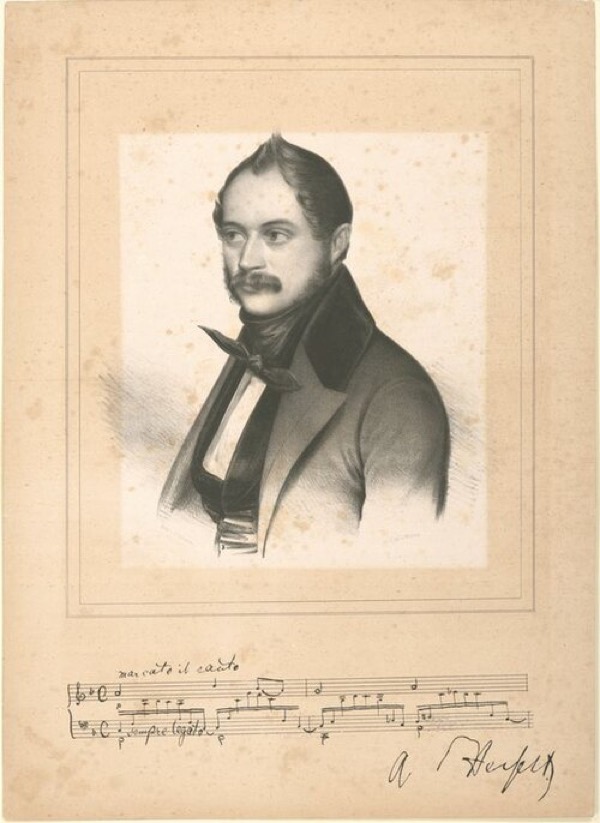
Adolf von Henselt
During his lifetime, Adolf von Henselt (1814–1889) was easily considered the equal of Mendelssohn, Chopin, Schumann, Liszt, and Thalberg as both a performer and a composer. An exceptional musical prodigy, he began violin and piano lessons at age three and later studied with the famous Johann Nepomuk Hummel in Weimar.
His reputation as a piano virtuoso spread like wildfire, leading to extended concert tours. However, he was also eager to become a better composer. To that end, he travelled to Vienna to study composition with Simon Sechter and later worked with Henri Vieuxtemps and Anton Bruckner.
Henselt also developed his own brand of keyboard technique, gradually stretching his hands so that he could easily reach the interval of a tenth. This allowed Henselt to use extended chords and, more importantly, gave him complete control of his cantabile playing without the sustaining pedal.
His great rivals on the concert circuit couldn’t believe their ears. Yet Henselt suffered from horrible stage fright. The thought of playing in public made him physically ill, and in the last thirty-three years of his life he gave no more than three public recitals.
His Piano Concerto in F minor dates from 1844, and Clara Schumann gave its first performance. By then, Henselt had established himself in Russia, and the first two measures contain three ascending notes that become a motif for each subsequent theme. Meanwhile, the three descending bass notes bear a striking resemblance to Rachmaninoff’s Op. 2, No. 3 Prelude. We know Rachmaninoff played this concerto when he was young.
Emil von Sauer: Piano Concerto No. 1 in E Minor (Stephen Hough, piano; City of Birmingham Symphony Orchestra; Lawrence Foster, cond.)
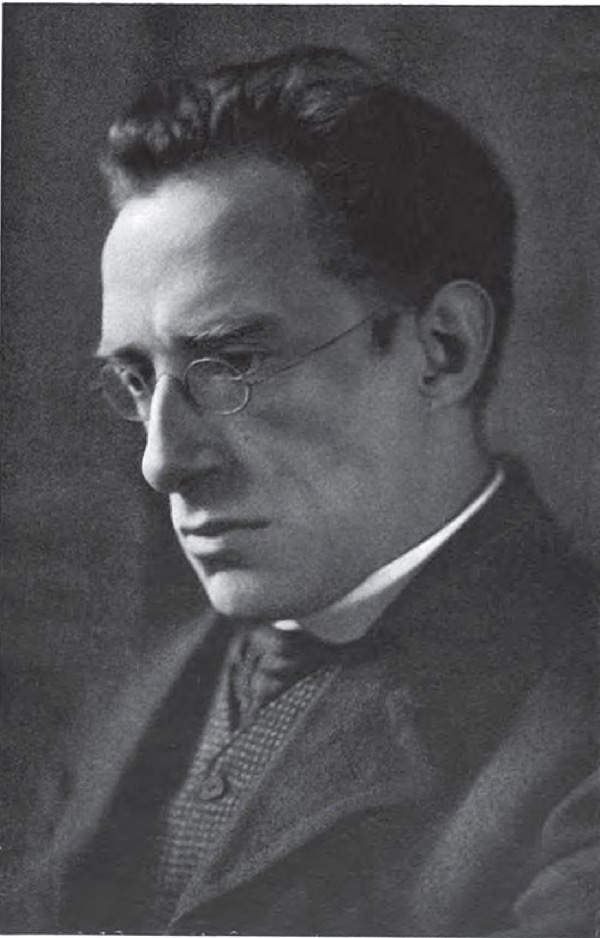
Emil von Sauer
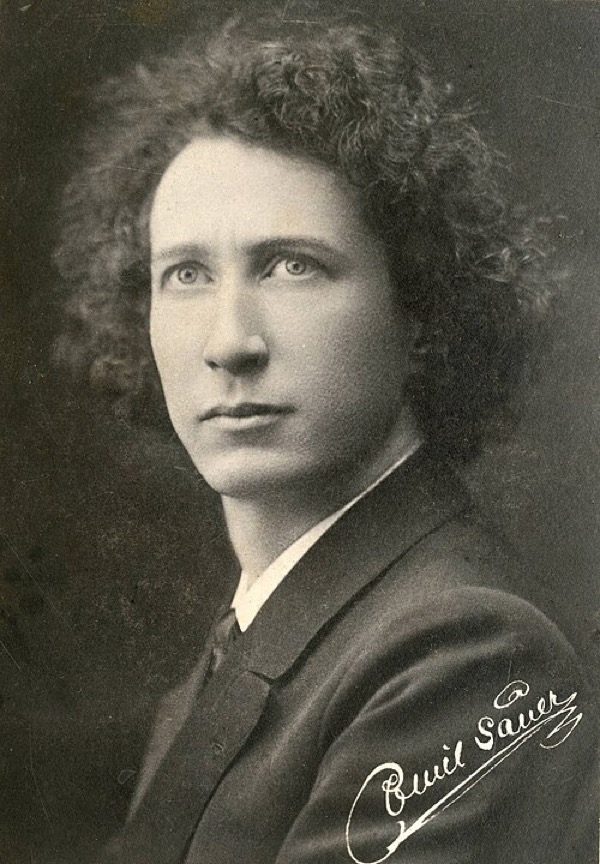
Emil Sauer
I first came across Emil von Sauer (1862–1942) during my piano studies. Not as a composer, mind you, but as the editor of Johannes Brahms’s complete piano works.
Sauer was born in Hamburg and studied with Nikolai Rubinstein at the Moscow Conservatory before embarking on frequent and successful tours as a piano virtuoso. When he met the Countess von Sayn-Wittgenstein, she recommended that he might study with Franz Liszt.
Sauer studied with Liszt for two years, but he was clearly unhappy to be labelled a Liszt student. In fact, Sauer’s opinion of Liszt changed over the years. As a young man, he was rather dismissive of Liszt’s music, but later he fully realised the extent of Liszt’s influence, both on him and on music in general.
As a pianist, Sauer was considered a truly great virtuoso, and one of the most distinguished pianists of his generation. His compositions, including two piano concertos, two sonatas, and several bravura works for piano, enjoyed only a short time in the repertoire.
His E-minor Concerto premiered in 1900, and Sauer played the work exclusively during his 1908 American tour. Local critics wrote, “It was no matter for astonishment that when the pianist-composer had brought the work to its conclusion a storm of genuine enthusiasm should sweep the house from gallery to floor… Mr Sauer represents a school of piano-playing that has all but vanished.”
Joachim Raff: Piano Concerto in C Minor, Op. 185 (Michael Ponti, piano; Hamburg Symphony Orchestra; Richard Kapp, cond.)
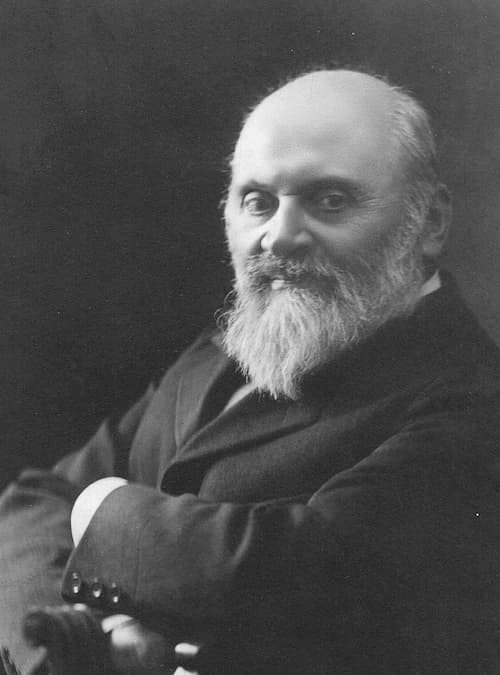
Joachim Raff
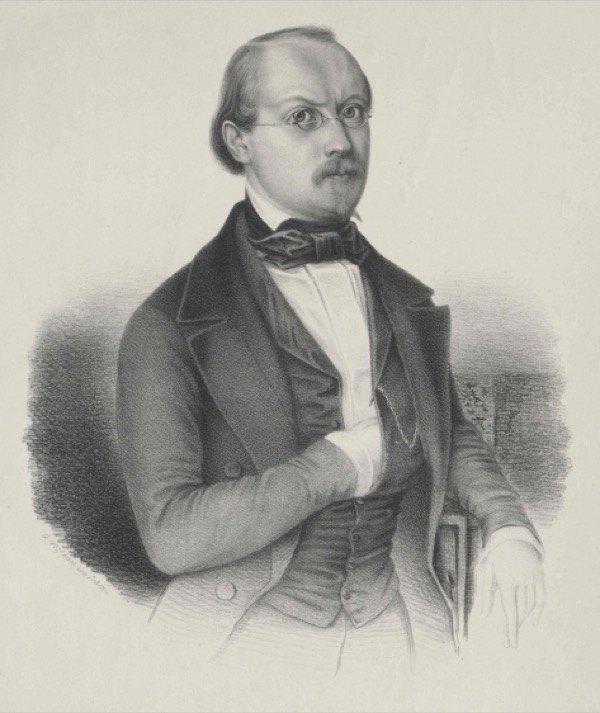
Joachim Raff
Born in Switzerland to a German father and a Swiss mother, Joachim Raff’s reputation was once so high that during the 1860s and 1870s he was regarded as the foremost symphonist of his day.
Franz Liszt was one of his early idols, and Raff joined him in Weimar between 1850 and 1856. Raff was part of the Liszt household, acting as his amanuensis. Although the relationship grew increasingly strained as Raff resented his mentor’s overbearing musical personality, his time in Weimar helped him develop a distinct musical voice.
Entirely self-taught, Raff composed nine works for soloist and orchestra, three of which are for piano. His C-minor concerto dates from 1873 and is dedicated to his lifelong friend, the pianist and conductor Hans von Bülow.
The work follows a traditional three-movement design, and the dramatic but lyrical opening blends Beethovenian drama with the lyricism of Mendelssohn or Schumann. The central slow movement feels like an extended lyrical meditation, while the finale is full of energetic heroism and popular appeal.
Raff was not interested in a mere virtuoso showpiece, as plenty of orchestral action and sophisticated musical artistry lie beneath the surface. Virtuosos everywhere took up the concerto immediately, but it disappeared with surprising speed after the composer’s death. More recently, it has undergone a modest revival and has been recorded by a number of pianists.
Carl Reinecke: Piano Concerto No. 3 in C Major, Op. 144 (Simon Callaghan, piano; St. Gallen Symphony Orchestra; Modestas Pitrėnas, cond.)
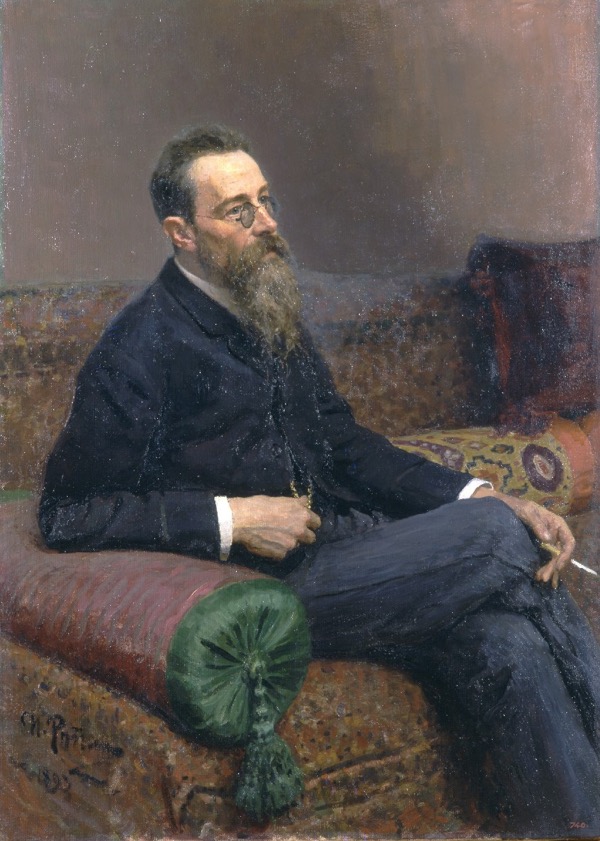
Carl Reinecke
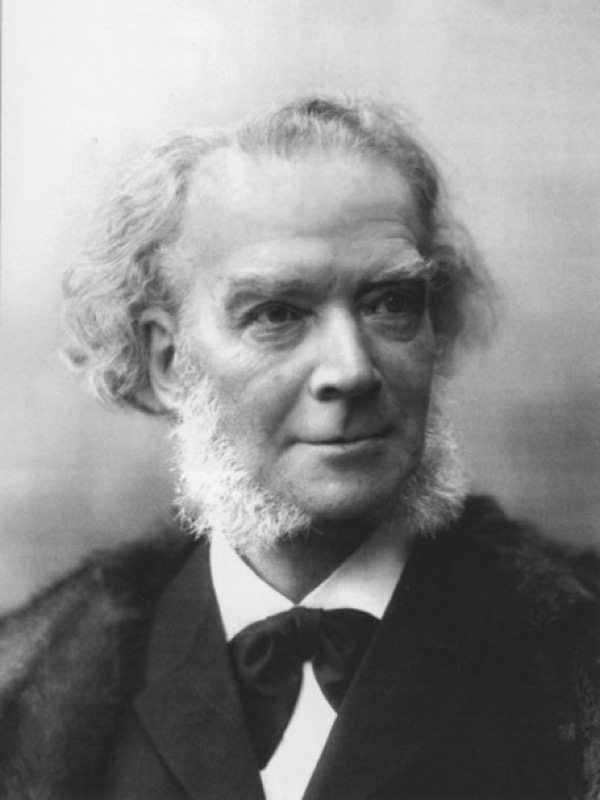
Carl Reinecke, 1890
Carl Reinecke (1824–1910) published the first of his more than three hundred works in the 1830s, when Mendelssohn, Schumann, and Liszt were at the height of their fame. By the time his final scores were printed, Schoenberg, Webern and Berg were already exploring entirely new musical directions.
Born in Altona, near Hamburg, Reinecke heard Clara Wieck in 1835 and Franz Liszt in concert in 1841. As such, he decided to become a concert pianist himself and took his first lessons at the Leipzig Gewandhaus, with Felix Mendelssohn as director.
After numerous concert tours and various appointments, Reinecke took on the post of conductor of the Leipzig Gewandhaus Orchestra, a post he held for thirty-five years. During his lifetime, Reinecke was held in the highest regard, even ranking above Brahms in England.
Today, we primarily remember Reinecke for a myriad of didactic compositions, with his exercises for young pianists and the piano sonatinas enjoying great popularity. Reinecke also contributed three symphonies, and while his chamber music is rather distinguished, his operas were not successful.
Completed in 1877, Reinecke’s Piano Concerto No. 3 was regarded by contemporaries as the most significant new piano concerto of its day. It avoids grand soloistic mannerisms, and his playing style, with hands still and fingers curved, reflected his belief in classical principles. For one reason or another, the work has been unable to maintain its place in the concert repertoire.
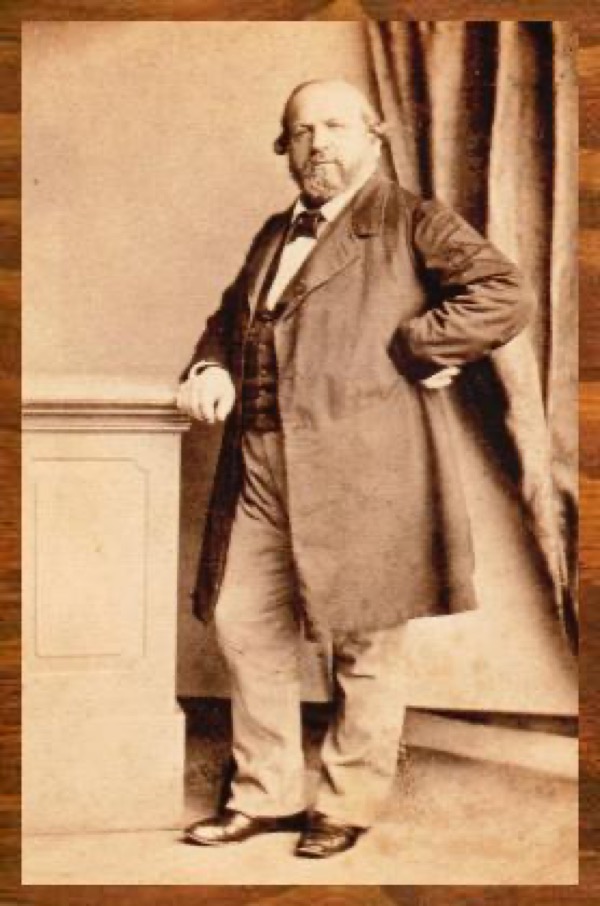
Theodor Kullak
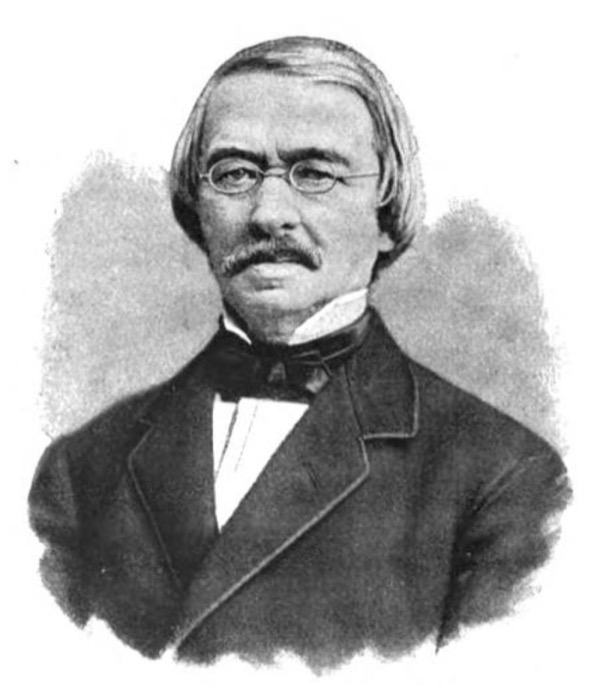
Theodor Kullak
After Liszt, Theodor Kullak was one of the nineteenth century’s outstanding piano teachers. He was appointed pianist to the Prussian court in 1846 and founded the conservatory later known as the Stern Conservatory in Berlin.
In 1855, he established the Neue Akademie der Tonkunst, which specialised in the training of pianists. It quickly became Germany’s largest private institute for musical education. Towards the end of Kullak’s life, the institute employed 100 teachers and taught 1100 students.
His most famous students included Hans Bischoff, Moritz Moszkowski, Nikolai Rubinstein, Julius Reubke, and Xaver and Philipp Scharwenka. Predictably, most of his many piano compositions are didactic pieces, but he also wrote a piano concerto in C minor around 1850 in Leipzig.
Kullak’s style blends virtuoso elements, like double notes, octaves, scales and arpeggios, with lovely operatic melodies influenced by Chopin, Hummel, Weber, and Bellini. It is a highly tuneful and charming work that never pretends to be deeply profound.
I hope you have enjoyed this little series on forgotten romantic piano concertos. Not every concerto featured can be called a masterpiece, but the universe of neglected nineteenth- and early twentieth-century piano concertos is truly endless. If you’d like to see additional episodes, please let me know!
For more of the best in classical music, sign up for our E-Newsletter
Theodor Kullak: Piano Concerto, Op. 55 (Piers Lane, piano; BBC Scottish Symphony Orchestra; Niklas Willén, cond.)