In our previous episode on forgotten Romantic piano concertos, we discovered unexpected and wonderful music by Thalberg, Kalkbrenner, Pixis, Herz, and Hiller.
These much-neglected nineteenth- and early twentieth-century piano concertos and concertante works have been brought to light in 87 volumes of recordings from Hyperion, released between 1991 and 2023.
This musical treasure trove holds plenty of musical riches, and it’s time to continue our exploration with the Bohemian composer and piano virtuoso Ignaz Moscheles, who, together with Jan Ladislav Dussek and Muzio Clementi, established the “London School” of Pianoforte playing.
Ignaz Moscheles: Piano Concerto No. 5 in C Major, Op. 87 (Howard Shelley, piano; Tasmanian Symphony Orchestra; Howard Shelley, cond.)
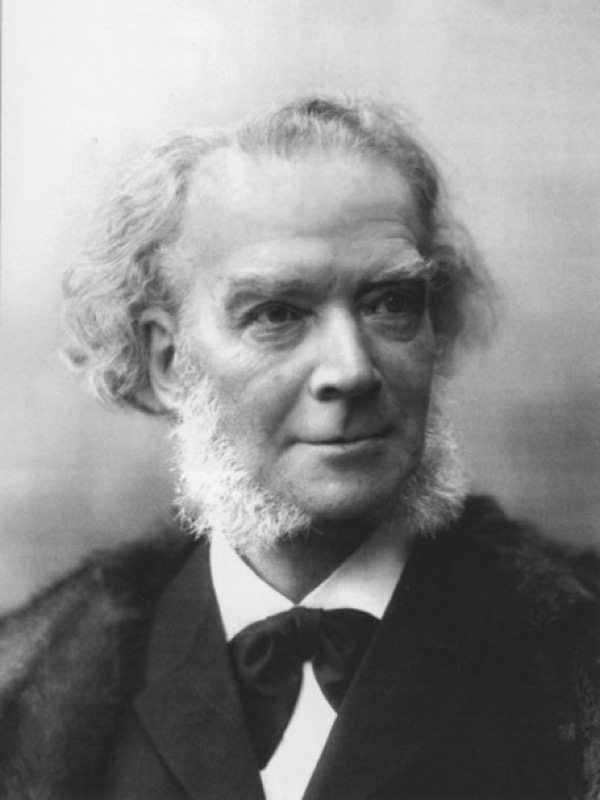
Ignaz Moscheles
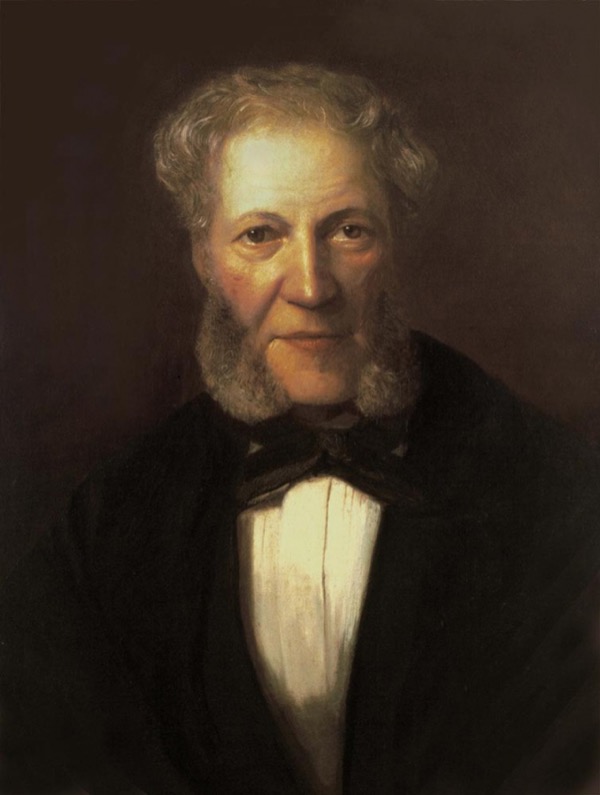
Ignaz Moscheles (1860)
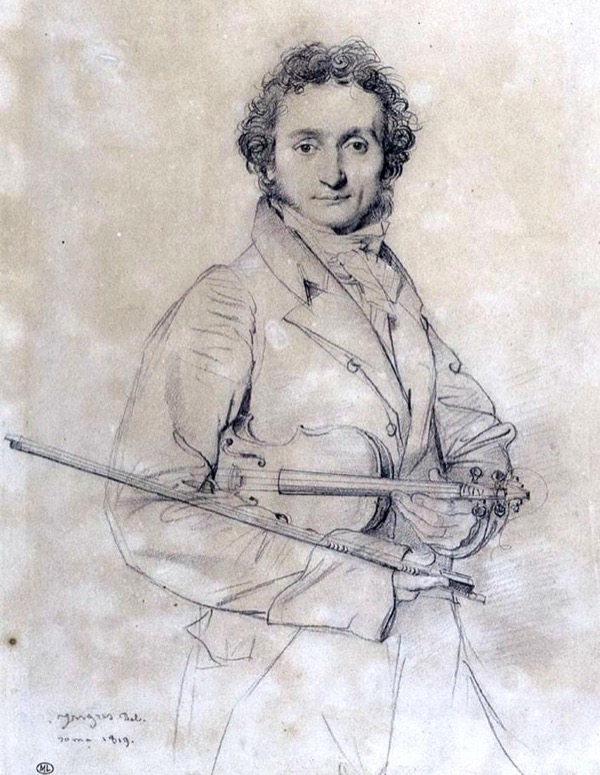
Ignaz Moscheles (1794–1870), born in the Jewish quarter of Prague, went to Vienna to study counterpoint with Albrechtsberger and composition with Salieri. He became friends with Beethoven, and forged important friendships with Hummel, Meyerbeer, and Spohr.
Without doubt, Moscheles was one of the finest pianist-composers of the first half of the nineteenth century. Many considered him the supreme virtuoso of his day, combining technical brilliance and unmatched expressive depth with true compositional and artistic mastery.
In 1822, Moscheles was awarded an honorary membership of the London Academy of Music, and after marrying Charlotte Embden in 1825, he made London his home for the next 25 years. He became conductor of the Philharmonic Society, and was instrumental in bringing Felix Mendelssohn to London in 1829.
His virtuoso performances, owing much to the Italian vocal tradition, won him an enthusiastic following, and he eagerly took advantage of the increased sonorities and more responsive action of the rapidly developing pianoforte.
Between 1818 and 1838, Moscheles composed eight piano concertos, and he wrote the C-major Concerto after settling in London. Actually, this concerto was put together over a period of years, and the complete work was heard for the first time at a Philharmonic Society concert in March 1832.
Julius Benedict: Piano Concerto No. 1 in C Minor, Op. 45 (Howard Shelley, piano; Tasmanian Symphony Orchestra; Howard Shelley, cond.)
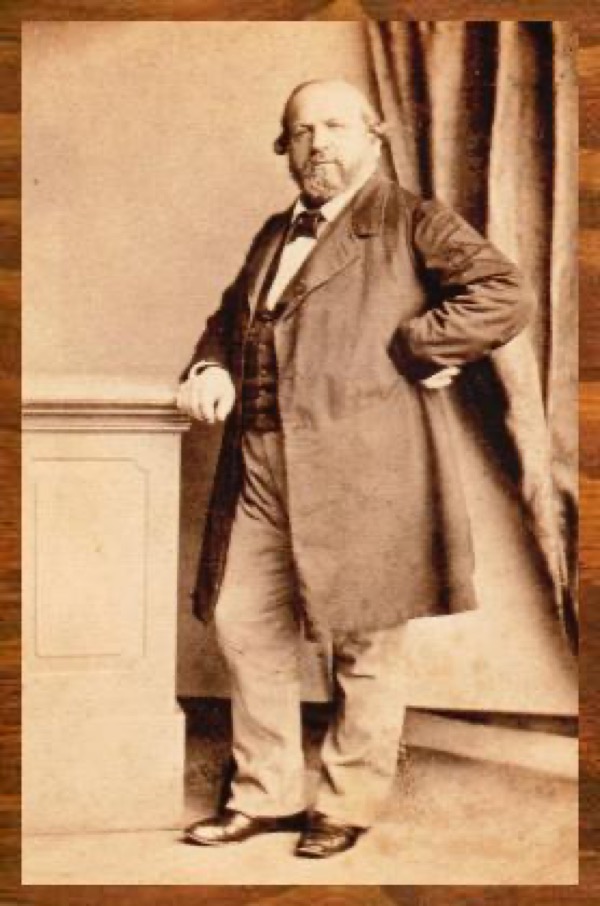
Julius Benedict
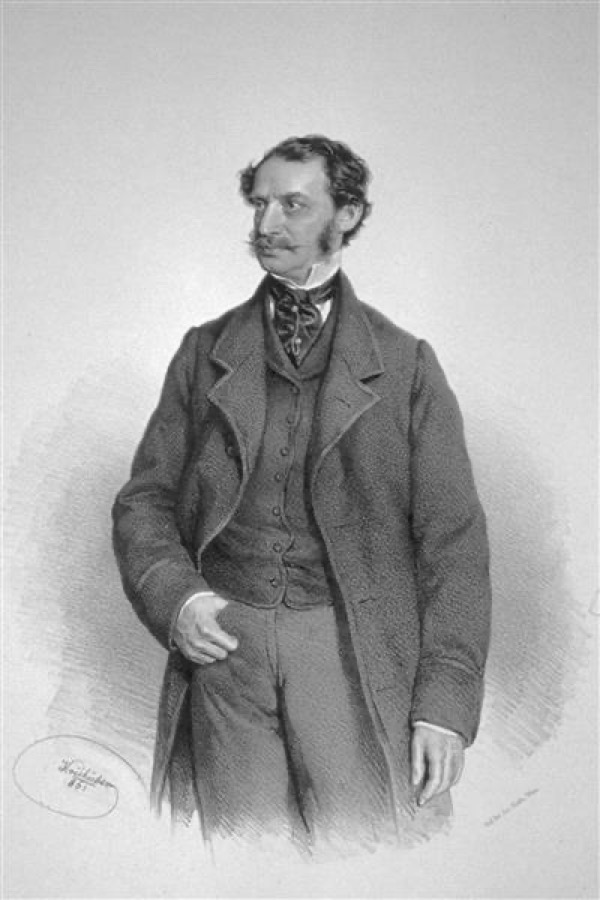
Julius Benedict (Kriehuber)
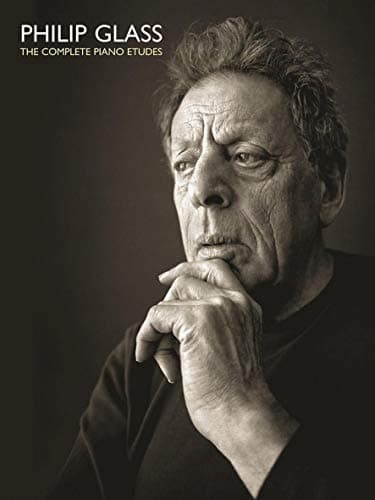
Julius Benedict (1804–1885) was born into a banking family in Stuttgart, and at the age of 15 he went to Weimar as a student of Hummel. He subsequently took lessons with Carl Maria von Weber, and Domenico Barbaja took him to Naples, where he conducted, taught, and wrote three operas over the next nine years.
He eventually went to London in 1835, where he made it his home for the rest of his long career. He was appointed conductor at the Opera Buffa at the Lyceum Theatre and engaged as musical director at Drury Lane.
His operas achieved only modest success, but his engagement with provincial festivals, specifically the Norwich Festival, became legendary. He was described as “one of the busiest musicians of the time, composing during the night and teaching during the day.”
The piano concerto was popular in Victorian London, and often included in the mixed orchestral concert programmes of the period. And Benedict was one of the most accomplished pianists of his day.
His three piano concertos are firmly based on classical models, and call for the light-textured virtuosity we know from Field, Hummel, and Weber. Pre-Lisztian in style, they are skilfully orchestrated, and feature some surprisingly original touches. The featured C-minor concerto, for instance, opens with the piano in E major, and plenty of mysterious passages in the slow movement suggest a romantic programme.
Joseph Holbrooke: Piano Concerto No. 1, Op. 52, “The Song of Gwyn-ap-Nudd” (Hamish Milne, piano; BBC Scottish Symphony Orchestra; Martyn Brabbins, cond.)
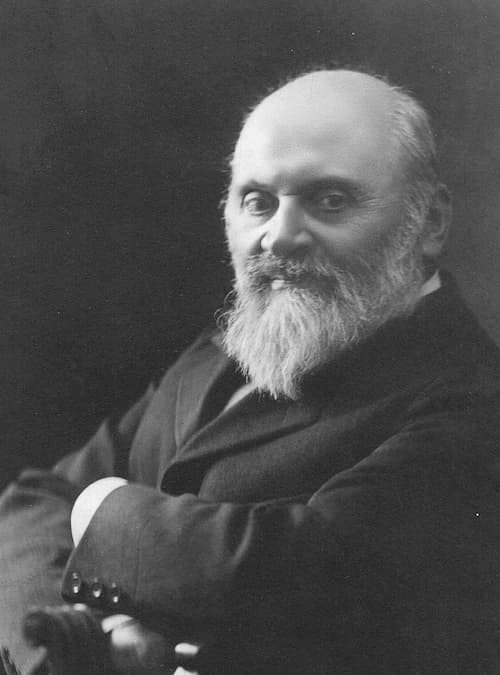
Joseph Holbrooke
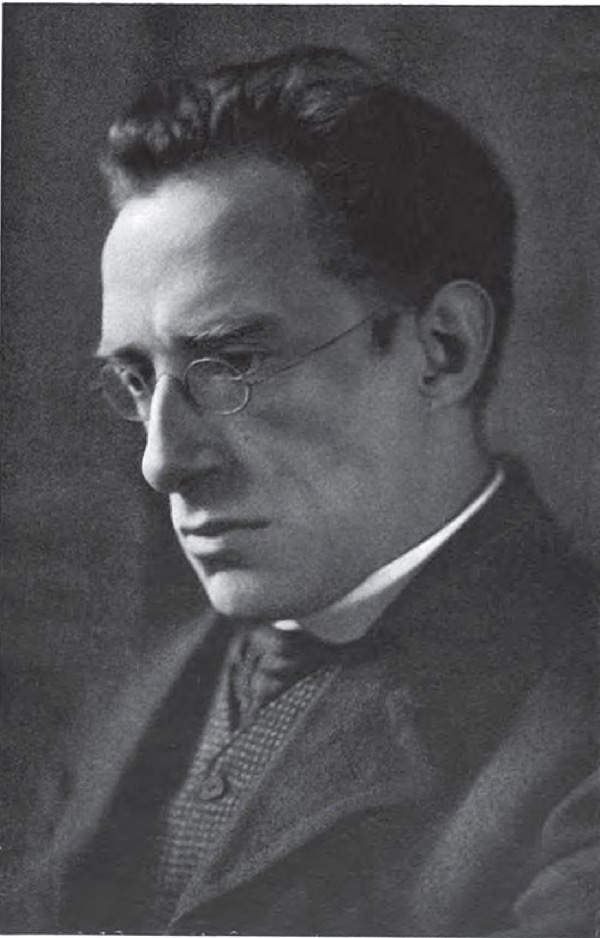
Joseph Holbrooke
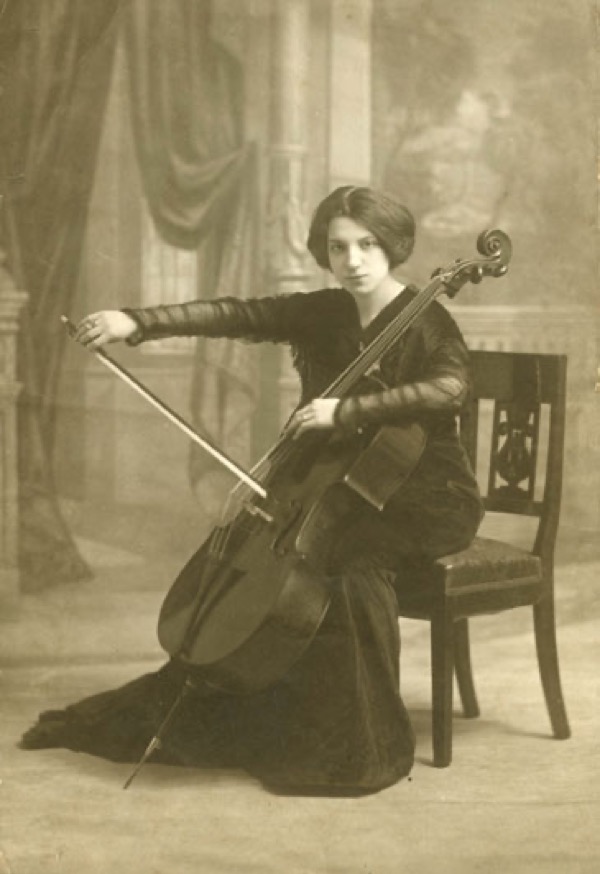
Joseph Holbrooke (1878–1958) was born in the south London suburb of Croydon into a family of travelling music hall entertainers. Musically gifted, he composed music for home use at age 9, and his father soon introduced him to the music hall.
Acquainted with the leading entertainers of his time, Holbrooke fashioned numerous arrangements and subsequently enrolled at the Royal Academy of Music to further his studies. He made his solo debut as a concert pianist in 1896 and composed many pieces in a variety of genres.
His initial success as a composer rested on several large-scale orchestral works, which earned him a reputation as “an innovative and original contemporary English composer.” Commentators even dubbed him the “Cockney Wagner.”
Holbrooke composed two numbered piano concertos, the first based on a Welsh legend, written between 1906 and 1908. The composer called the work a symphonic poem, and the story’s words appear throughout the score.
Gwyn ap Nudd, the King of Faerie, is the lover of Cordelia, daughter of Ludd or Lear, familiar from Shakespeare’s play. He fights for her with Gwythyr ap Greidawl on the first of May each year until the day of doom. You can enjoy this music as a Romantic piano concerto, or by reading along with the story.
William Sterndale Bennett: Piano Concerto No. 3 in C Minor, Op. 9 (Howard Shelley, piano; BBC Scottish Symphony Orchestra; Howard Shelley, cond.)
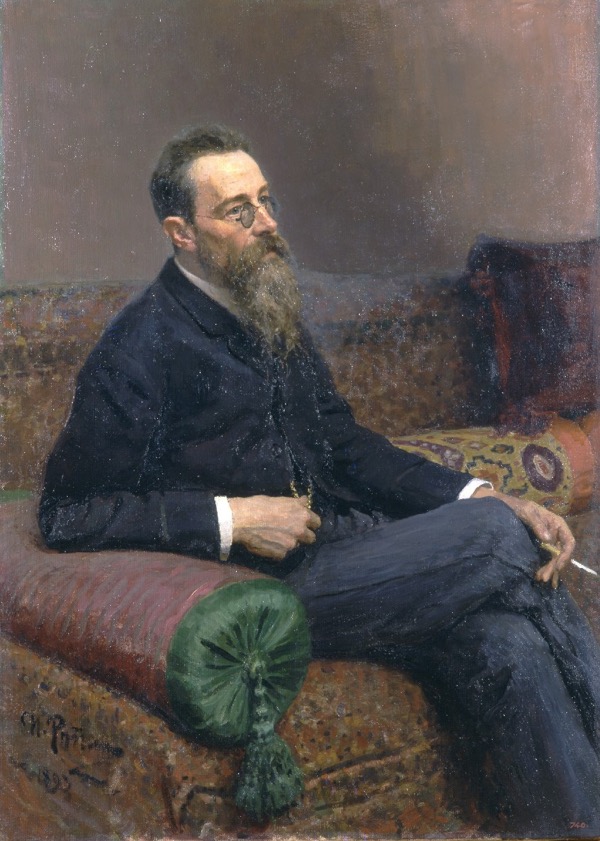
William Sterndale Bennett
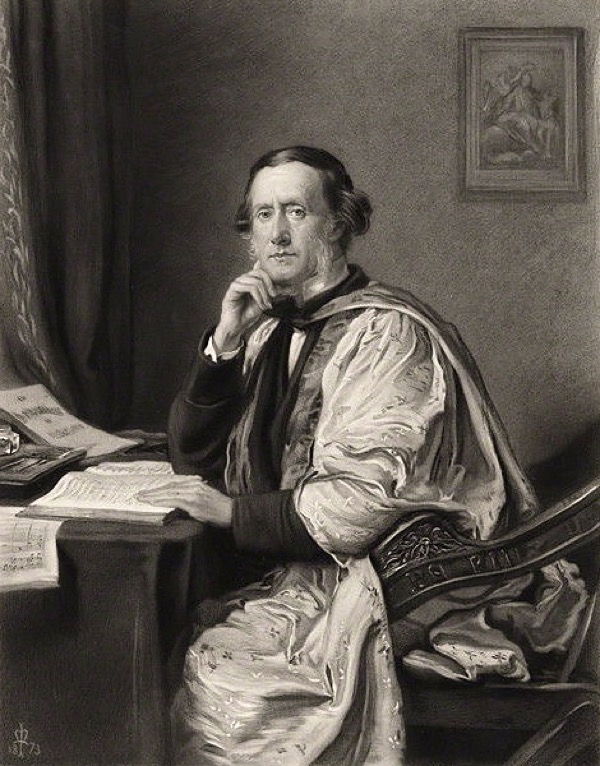
William Sterndale Bennett, engraving after a portrait by John Everett Millais (1873)
William Sterndale Bennett (1816–1875) was described as “a most brilliant artist” by none other than Robert Schumann. And Felix Mendelssohn declared in 1836, “I think him the most promising young musician I know.”
Bennett made several journeys to Germany, including extended visits to Leipzig where he dined with “Mendelssohn, Ferdinand David, and a Mr Schumann, a musical editor, who expected to see me a fat man with large black whiskers.” Bennett’s relationship with Mendelssohn remained formal, but his friendship with Schumann was genuine.
Scholars have long acknowledged Bennett’s piano concertos as among the finest embodiments of the classical spirit between Beethoven’s and Brahms’s concertos. In all, he composed six piano concertos primarily during his late teens and early twenties.
Bennett was still a student at the Royal Academy of Music, and his second piano concerto established his reputation as a pianist-composer. However, his Piano Concerto No. 3 in C minor, dedicated to Cramer, brought the eighteen-year-old composer public adulation.
It premiered in 1835 at the RAM and, a year later, at the Philharmonic. Bennett then took the work on the road and performed it in Leipzig on 19 January 1837. Schumann was on hand and wrote, “Nothing, on the whole, is out of place; there is nothing in the work that does not appear inwardly related to its fundamental plan…”
Charles Villiers Stanford
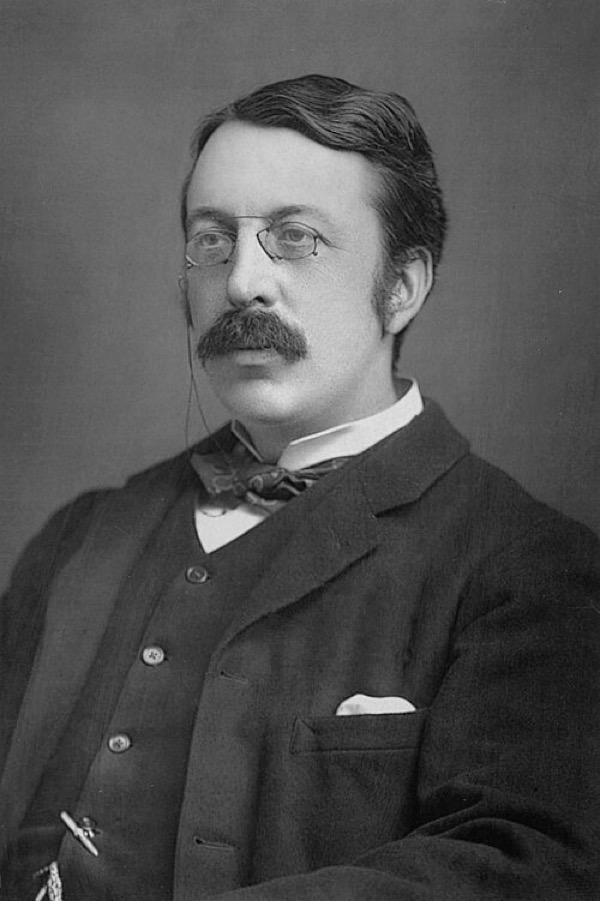
Charles Villiers Stanford (c. 1894)
As a composer, Charles Villiers Stanford (1852–1924) might not be a household name. Still, he is remembered as a teacher of several generations of British composers at the RCM and Cambridge University.
Charles Villiers Stanford was highly lauded during his lifetime as an exceptional composer of large works for chorus and orchestra, and he received a knighthood at King Edward VII’s coronation.
As Ralph Vaughan Williams wrote, in “Stanford’s music the sense of style, the sense of beauty, the feeling of a great tradition is never absent. His music is in the best sense of the word Victorian.” To be sure, Stanford was a busy man: he composed roughly 200 works, including seven symphonies, about 40 choral works, nine operas, 11 concertos, and 28 chamber works.
His First Piano Concerto, composed in 1894, offers, according to Jeremy Dibble, an orchestration and lyricism in the tradition of Mendelssohn and Brahms. Stanford deliberately wanted this work to have a bright, butterfly-like character to contrast the usual epic character of the late nineteenth-century concerto tradition.
In this work, we find the traditional three movements, but it is overall conceived as two larger movements interspersed by a shorter intermezzo. This concerto was never published, and once his Piano Concerto No. 2 became popular, it was quickly forgotten.
For more of the best in classical music, sign up for our E-Newsletter
Charles Villiers Stanford: Piano Concerto No. 1 in G Major, Op. 59 (Piers Lane, piano; BBC Scottish Symphony Orchestra; Martyn Brabbins, cond.)