Beethoven’s violin sonatas and concerto exist because of men he alternately charmed and infuriated.
One was dedicated to a man he called incomprehensible and never played. Another had an illness and physical limitations reflected in the sonata Beethoven wrote for him. Yet another commissioned a concerto for his own benefit concert, then showed up and reportedly played a piece with his violin upside down. And one lost a dedication over a falling-out, possibly over a woman.
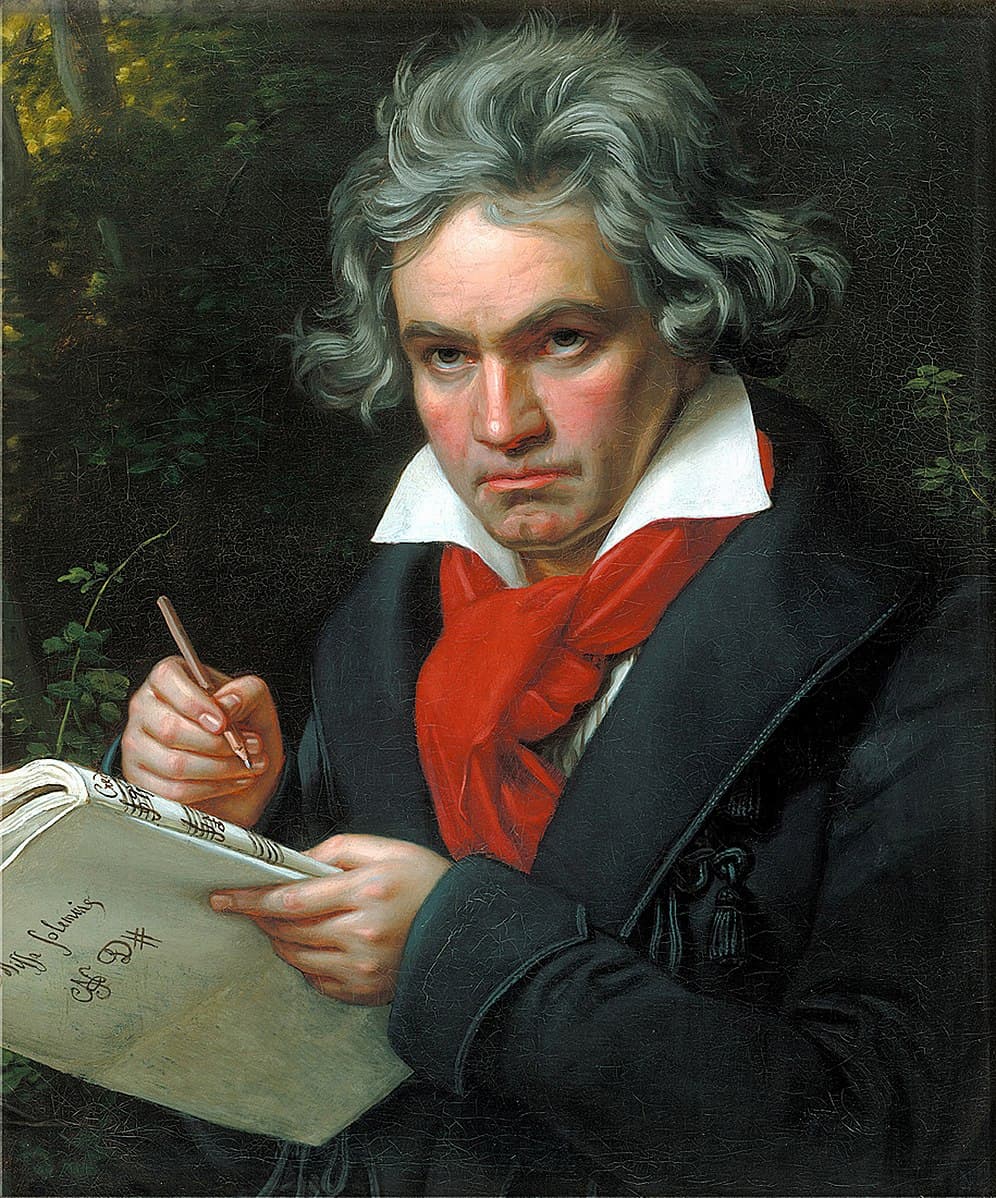
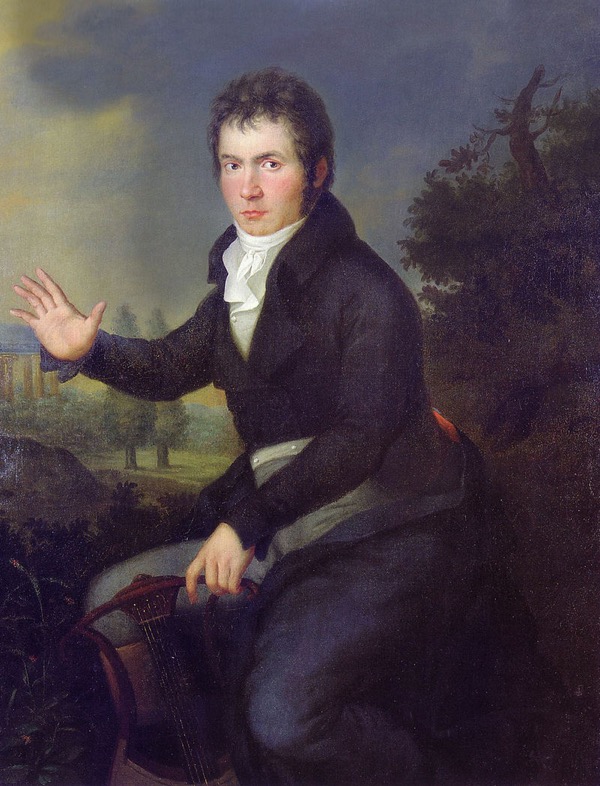
Portrait of Ludwig van Beethoven
Each of these four men left marks on Beethoven’s violin music – and how we remember it today. Today we’re looking at their stories.
Rodolphe Kreutzer (1766–1831): Beethoven’s Hater
Kreutzer’s Etude No. 1
Rodolphe Kreutzer was born in Versailles to a German father who worked in the court orchestra.
Rodolphe became a leading violinist of the era, touring across Europe and composing. (Violinists today still use his book of 42 etudes for pedagogical purposes.)
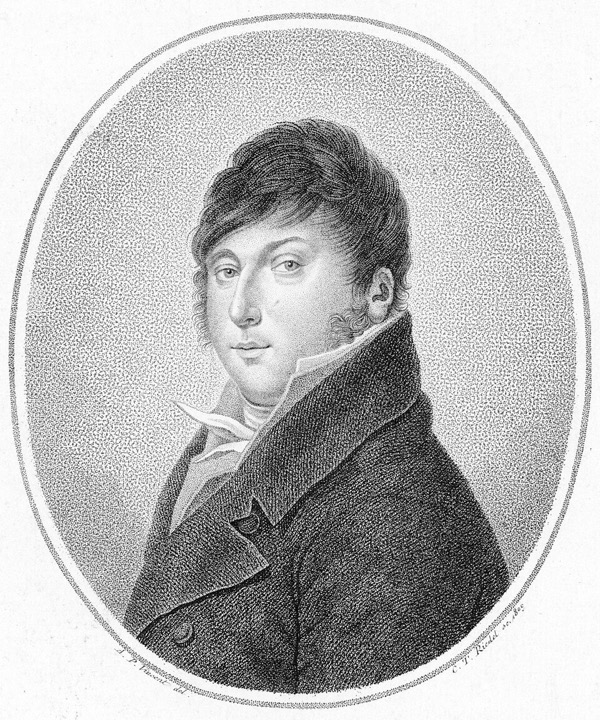
Rodolphe Kreutzer
One of his jobs was embedding with the French Army of Italy. In 1797, while under Napoleon’s command, he travelled to Italy and copied Italian music as he went.
He also served as a French ambassador in Vienna, where he met Beethoven in 1798.
Beethoven liked Kreutzer. He later wrote to his publisher that Kreutzer was “a dear, kind fellow” whose visit gave him “a great deal of pleasure.”
Kreutzer, on the other hand, was not keen on Beethoven – or at least his music. When he returned to Paris, he reportedly walked out of a performance of Beethoven’s second symphony, hands over his ears. And when Beethoven dedicated his ninth violin sonata to him, he found the work “unintelligible.”
Pierre Rode (1774–1830): Beethoven’s Ill Inspiration
Beethoven’s Violin Sonata No. 10
Pierre Rode was born in Bordeaux in 1774. In 1787, he moved to Paris. As an adult, he enjoyed an international career and eventually joined Napoleon.
At some point during his career, it is believed he developed a bacterial infection that impacted his bow arm.
After he returned from a multi-year sojourn in Russia, another leading violinist of the day, Louis Spohr, noted that Rode’s playing had deteriorated and was now “cold and full of mannerism.”
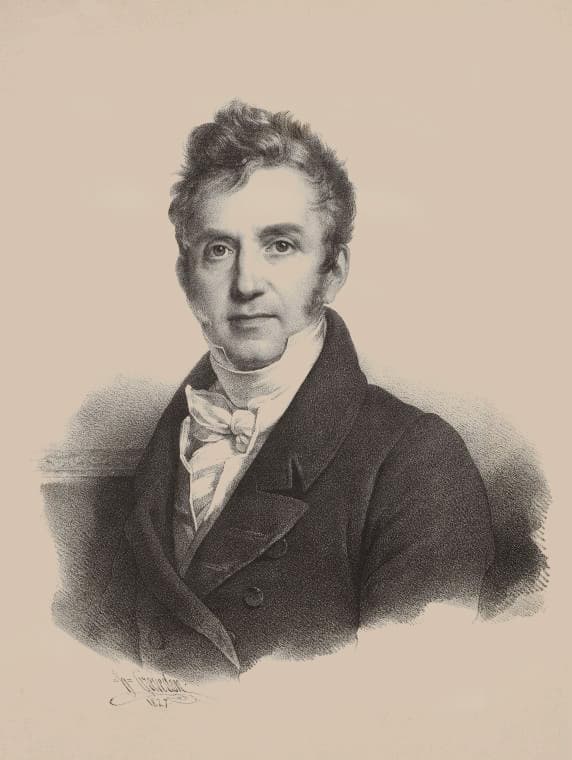
Pierre Rode
Despite his health setbacks, he pressed on with his career, eventually stopping in 1812 in Vienna, where he met Beethoven.
By this time, Beethoven’s hearing loss was nearly complete, and he was moving closer to his terser, later style, emphasising leanness and artistic inscrutability.
He wrote a violin sonata for Rode, but instead of a traditional explosive, virtuosic finale, he chose a gentler theme and variations, keeping Rode’s physical limitations in mind.
Beethoven wrote to his pupil, Archduke Rudolf of Austria, that a bravura finale wouldn’t be suitable for this project: “…this does not please R and – this hinders me somewhat.”
Archduke Rudolf played piano at the premiere, with Rode on violin.
George Bridgetower (1778–1860): Beethoven’s Frenemy
Beethoven’s Violin Sonata No. 9
George Bridgetower was born in Biała Podlaska, Poland, in 1778, to a West Indian father and a Polish mother. He was one of the era’s few leading violinists of mixed-race ancestry.
Bridgetower was a violin prodigy and was giving concerts internationally by the time he was ten. He studied and concertized in London for a decade, sponsored by the future King George IV.
In 1802, the year he turned 24, he was granted leave to visit the Continent. While there, he stopped in Vienna and met Beethoven.
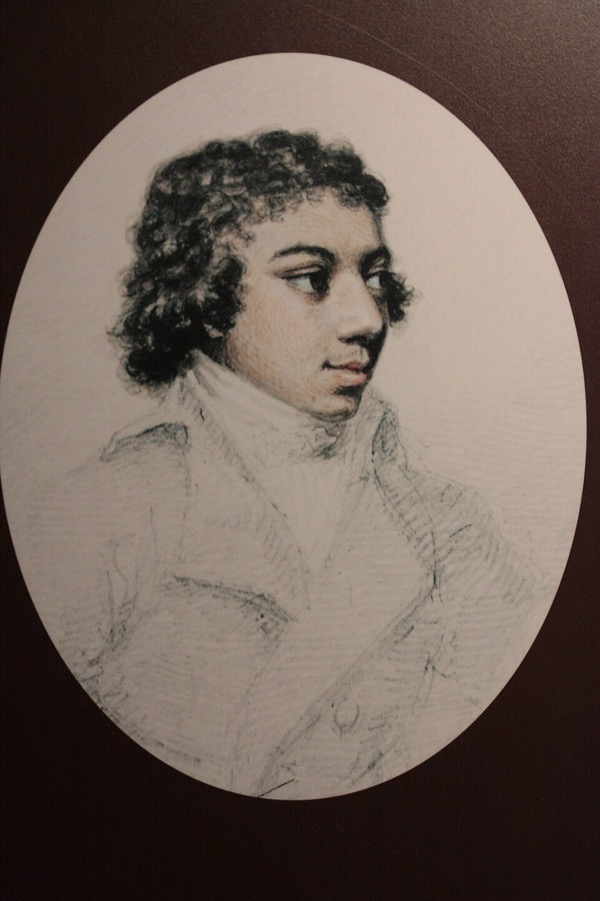
George Bridgetower
Beethoven was so inspired by the playing that he set to work writing a revolutionary sonata for him: his ninth.
The writing in it was more like a virtuosic concerto than a violin sonata – and Beethoven barely finished in time to give the premiere. (In fact, Bridgetower had to read the second movement part over Beethoven’s shoulder. Luckily, he was up for the challenge.)
Beethoven initially dedicated the work to the violinist, but the two fell out before Bridgetower left Vienna, possibly over a woman.
Before publication, Beethoven re-dedicated the work to Rodolphe Kreutzer instead – who never played it and, unlike Bridgetower, found it incomprehensible.
Franz Clement (1780–1842): Beethoven’s Violin Concerto Commissioner
Beethoven’s Violin Concerto
Franz Clement was born in Vienna ten years after Beethoven. He began studying violin with his father at age four and became a violin prodigy.
Beethoven attended one of Clement’s concerts in 1794, when Clement was 14, and left an encouraging autograph in his autograph book.
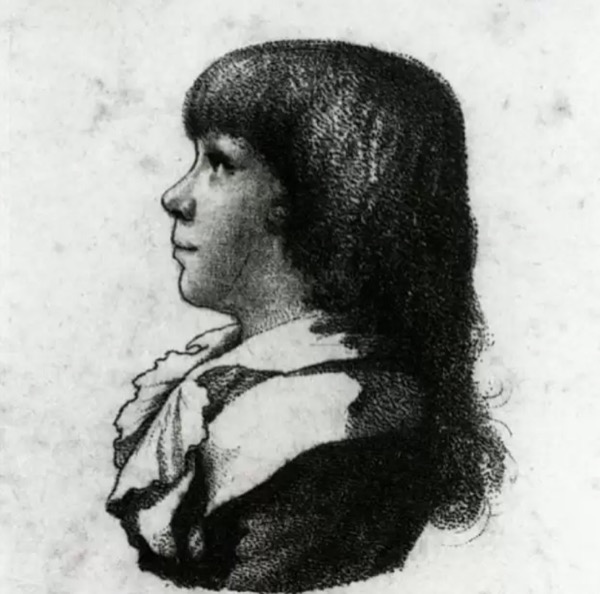
Franz Clement
In April 1805, a benefit concert was held on Clement’s behalf at the Theatre an der Wien. There Beethoven premiered his third symphony – arguably the single most consequential composition in classical music history. At the same concert, Clement also premiered his own violin concerto.
Apparently Clement wasn’t put off by the confused reception to Beethoven’s masterpiece; the two decided to work together again. This time, Clement wanted a violin concerto from Beethoven.
Intriguing connections link Clement and Beethoven’s concertos: both are expansive in length, in D major, and feature rondo finales.
Franz Clement: Violin Concerto in D Major (Rachel Barton Pine, violin; Royal Philharmonic Orchestra; José Serebrier, cond.)
The Beethoven concerto was premiered at Clement’s next benefit concert, in December 1806. Like Bridgetower, Clement was apparently forced to sight-read portions of the score because Beethoven was late in finishing it.
Either in the middle of the performance or at the end (sources differ), Clement played a piece with the violin upside down to entertain the audience after the taxing 40-minute concerto.
If a violinist tried a move like that today, the entire classical music world would be apoplectic, but Beethoven apparently didn’t mind.
The two remained friends, and Clement was in the orchestra for future important Beethoven premieres, including the fifth, sixth, and ninth symphonies.
Conclusion
Beethoven’s violin writing clearly didn’t evolve in a vacuum. The bold Bridgetower championed the ninth violin sonata; it later stood out in listeners’ minds because of its (however tenuous) connection to Kreutzer. The tenth violin sonata is what it is because of Rode’s limitations. And the expansive violin concerto in D major was written in the wake of Clement’s own expansive violin concerto in D major.
Today these works are better known than the violinists who inspired them. But the stories of these violinists add a fascinating layer to every one of these beloved works.
For more of the best in classical music, sign up for our E-Newsletter