During my long career as a professional cellist, I have seen the popularity of the cello dramatically increase. Audiences love the cello, and so do performers, and the level of playing is extraordinarily high. This is exemplified in this year’s Queen Elisabeth Competition taking place in Brussels, Belgium, from 4 May to 10 June, the third time the competition has featured the best young cellists from around the world. This is some background to the competition.
“One of the most demanding and most widely publicised international competitions, the Queen Elisabeth Competition, since its creation in 1937, is a springboard for young violinists, pianists, singers, and cellists on the threshold of an international career. The competition serves as an intermediary between those young virtuosos and the world’s great musical venues.
The project, initiated by Eugène Ysaÿe and Queen Elisabeth, the competition seeks to discover complete artists; it owes its reputation to a prestigious jury, strict rules, and unparalleled media coverage, as well as to the friendly and enthusiastic hospitality offered by an entire country and its Royal Family…”
To compete, candidates were selected from carefully scrutinised video recordings. Those who were accepted for the competition had a long list of challenging repertoire to prepare, which would take any cellist tremendous commitment and weeks of practice.
Sixty-four young cellists were selected for the first round. You can hear for yourself how remarkable these cellists are.
https://queenelisabethcompetition.be/en/watch-listen-detail/doc/72647/
They each performed a sonata by Luigi Boccherini (1743-1805) with cello accompaniment. Boccherini, a remarkably prolific composer, composed 30 sonatas with basso continuo accompaniment. The most famous are the six sonatas published in 1771, and they are all extremely virtuosic.
The cellists also had to choose between the following pieces with piano accompaniment— either Meditation by Nikolai Roslavets, Ballade op. 3 by Josef Suk, 3 Pièces for cello by Nadia Boulanger, or Lullaby for solo cello by Kaija Saariaho. And they were played exquisitely by the cellists. To give you an introduction to a couple of these works, here are the Suk and Boulanger works performed by other artists.
Josef Suk: Balada, Op. 3, No. 1 (Josef Suk IV, violin; Jan Panenka, piano)
Nadia Boulanger: 3 Pièces (Astrig Siranossian, cello; Nathanaël Gouin, piano)
Believe me, the jury and organisers must have needed an Excel spreadsheet to map out the daily five or six public performances that took place over six days.
Of these fine performers, twenty-four cellists were selected to play for the semi-finals. No doubt this was an exceedingly difficult choice. It was for me.
The semi-finals consisted of two parts. Each of the 24 semi-finalists performed a recital with piano accompaniment, and on another day, a concerto by Michael Haydn, Leopold Hofmann, or Anton Kraft, with the Orchestre Royal de Chambre de Wallonie, conducted by Vahan Mardirossian.
Once again, the performances took place over six days with four candidates performing each day. A compulsory work was added to each recital, entitled Caffeine by Harold Noben. We were treated to imaginative programming including a wonderful array of sonatas by Prokofiev, Poulenc, Schubert, Britten, Kabalevsky, Kodaly, Martinů, Brahms, Hindemith, Debussy, Schnittke, Franck, and Ligeti, and other great works such as Igor Stravinsky Suite Italienne, Frédéric Chopin Introduction et Polonaise Brillante in C major Op. 3, Robert Schumann 5 Stücke im Volkston Op. 102, Fauré Elegie, as well as more unfamiliar works of Lutosławski, Penderecki, Dutilleux, and Bloch. Talk about gruelling! You can listen to both the recital and the concerto of the contestants in the semi-finals here.
Interestingly, there was only one performer who chose to play a Beethoven Sonata.
Several of my colleagues and I were pleasantly surprised at the choices of required concerti. We enjoyed being exposed to these lovely and rarely played works. I, for one, never heard them nor played them.
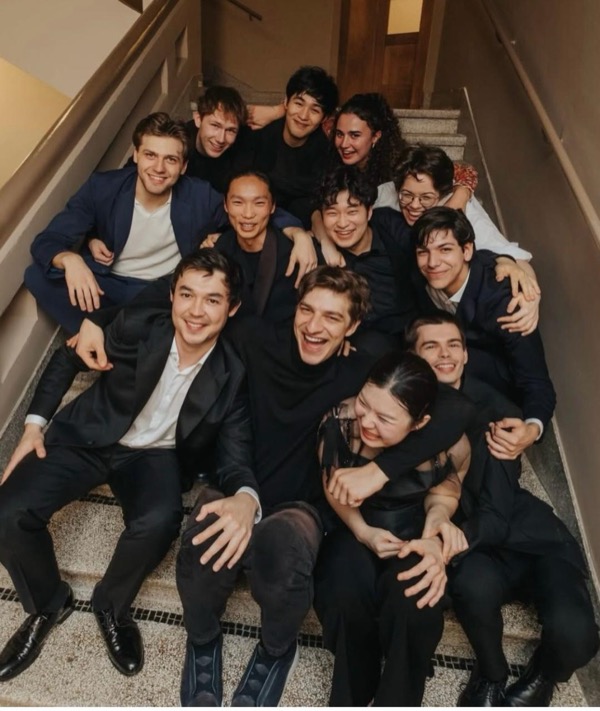
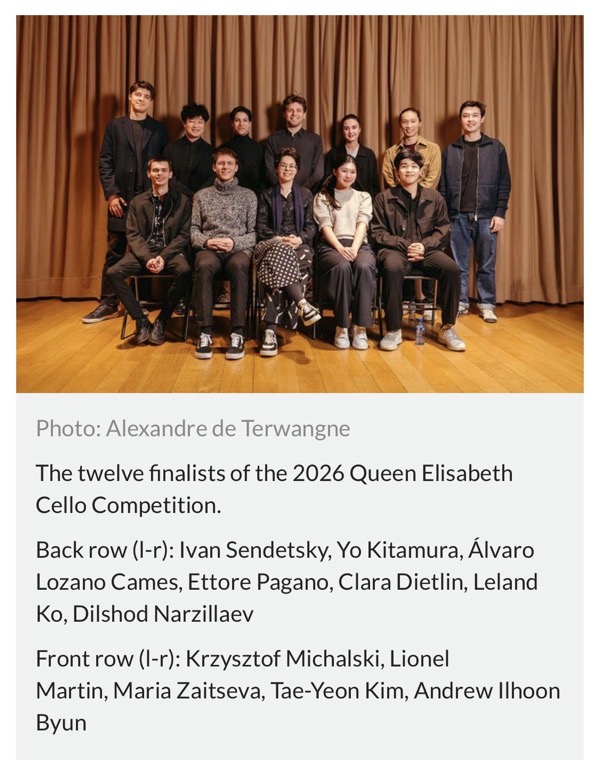
The level was simply astounding. I didn’t envy the jury who had to narrow the field from 24 players to 12 for the finals. The finalists selected were ecstatic, of course. Here is a photo of them.
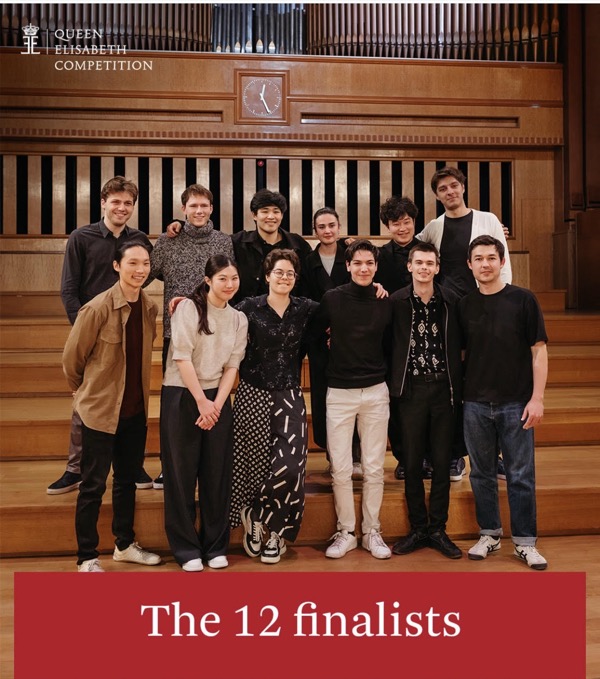
The twelve finalists of the 2026 Queen Elisabeth Competition for Cello
© Alexandre de Terwangne – Thomas Léonard / Queen Elisabeth Competition
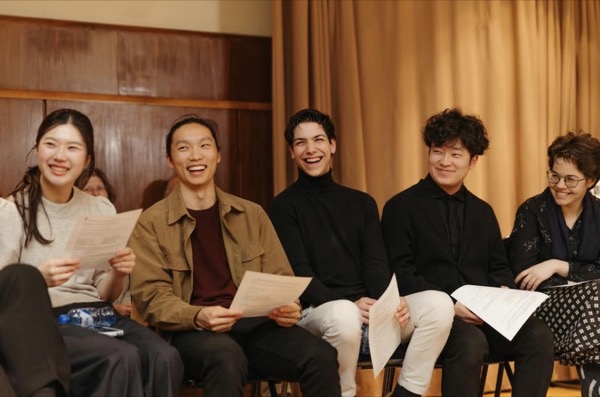
The finalists of the 2026 Queen Elisabeth Competition for Cello © Alexandre de Terwangne – Thomas Léonard / Queen Elisabeth Competition
They are, in order of their performances in the finals (two each evening):
Maria Zaitseva, Russian Federation born 2001;
Lionel Martin, Germany born 2003;
Yo Kitamura, Japan born 2004;
Ivan Sendetsky, Russian Federation born 1996;
Ettore Pagano, Italy born 2003;
Clara Dietlin, France born 2001;
Dilshod Narzillaev, Uzbekistan born 1997;
Álvaro Lozano Cames, Spain born 2006;
Leland Ko, United States, Canada born 1998;
Krzysztof Michalski, Poland born 2003;
Andrew Ilhoon Byun, Canada born 1998;
Tae-Yeon Kim, Korea born 2006.
Needless to say, these young people are thrilled to have achieved this honour. They’ve been preparing for this moment for weeks and months, and may I say, since childhood? Here are some of them, then and now!
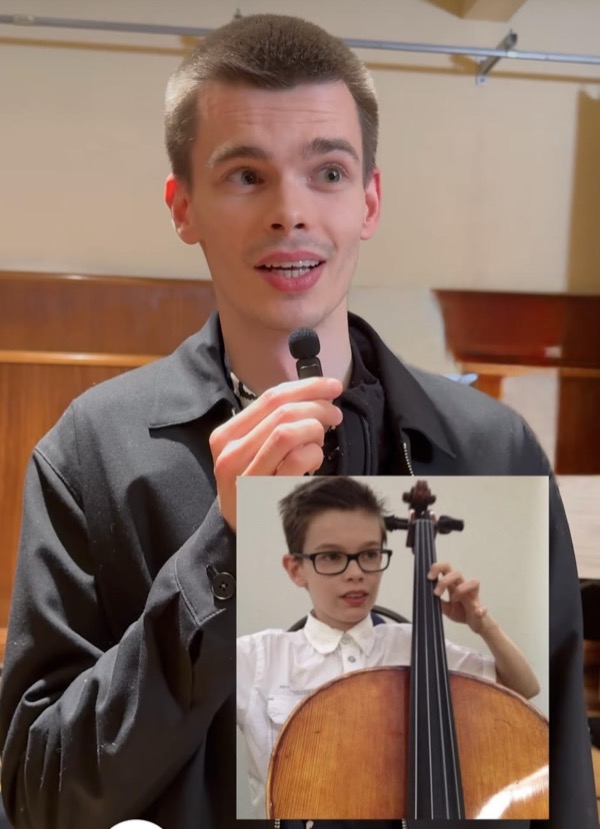
Queen Elisabeth Competition finalist, then and now © Alexandre de Terwangne – Thomas Léonard / Queen Elisabeth Competition
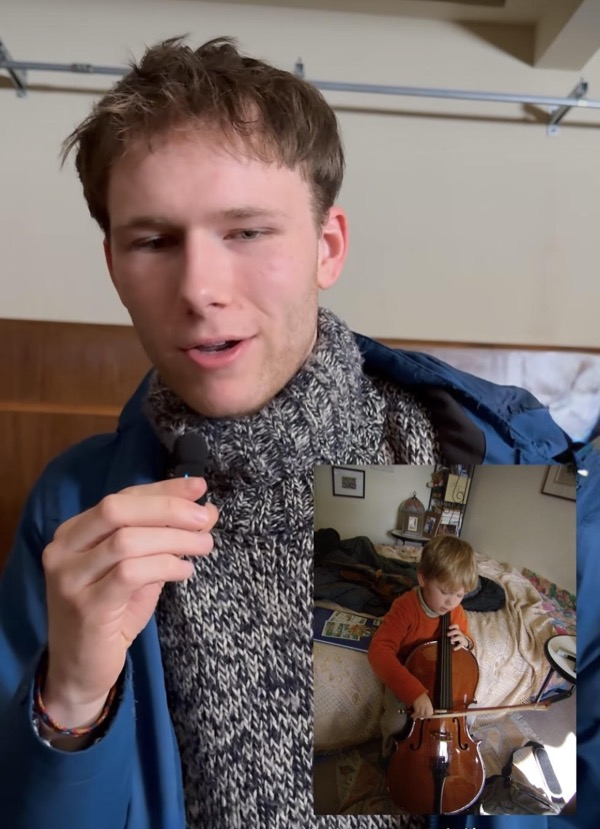
Queen Elisabeth Competition finalist, then and now © Alexandre de Terwangne – Thomas Léonard / Queen Elisabeth Competition
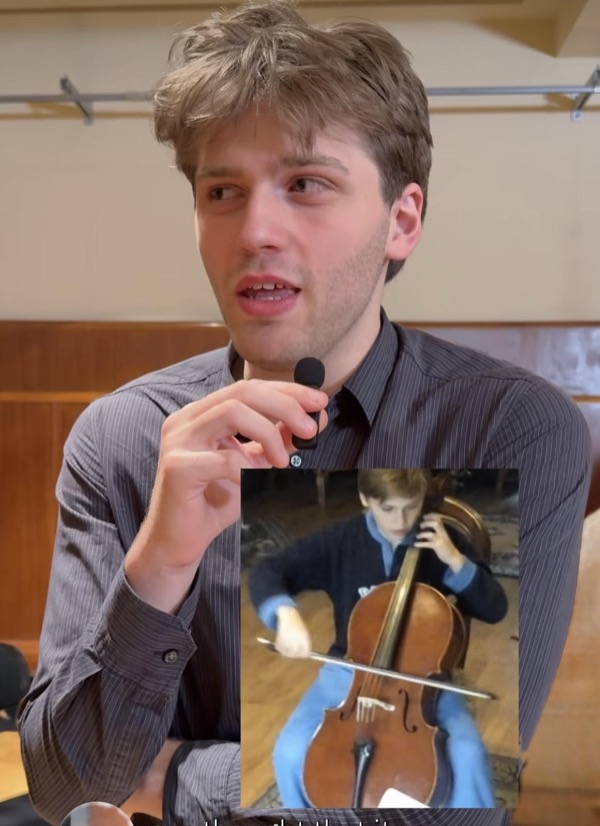
Queen Elisabeth Competition finalist, then and now © Alexandre de Terwangne – Thomas Léonard / Queen Elisabeth Competition
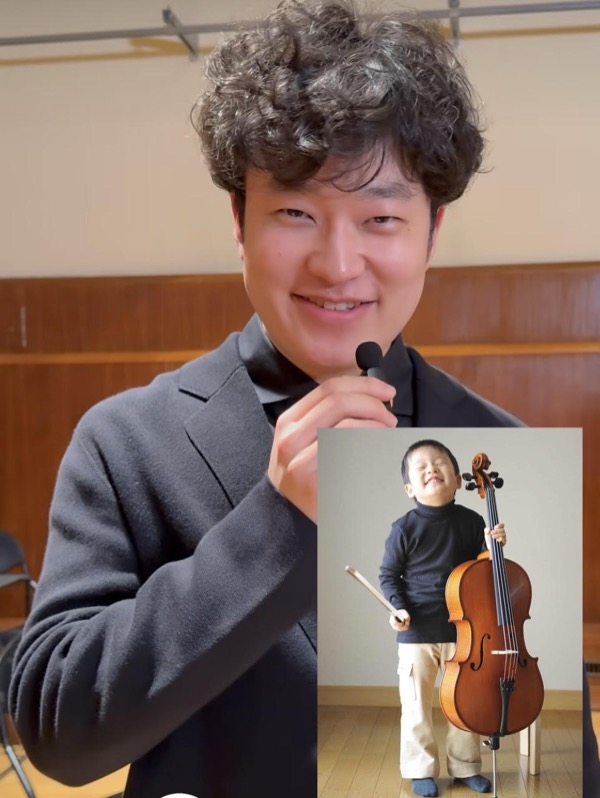
Queen Elisabeth Competition finalist, then and now © Alexandre de Terwangne – Thomas Léonard / Queen Elisabeth Competition
And here are photos of some of the finalists while in the spotlight under the scrutiny of not only the renowned judges, not only the discerning audience, but also those of us online worldwide.
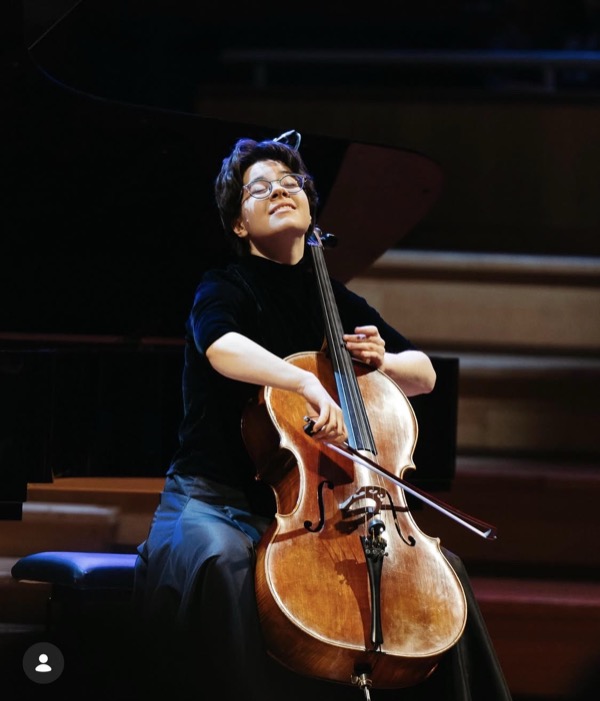
Queen Elisabeth Competition 2026 finalist in performance © Alexandre de Terwangne – Thomas Léonard / Queen Elisabeth Competition
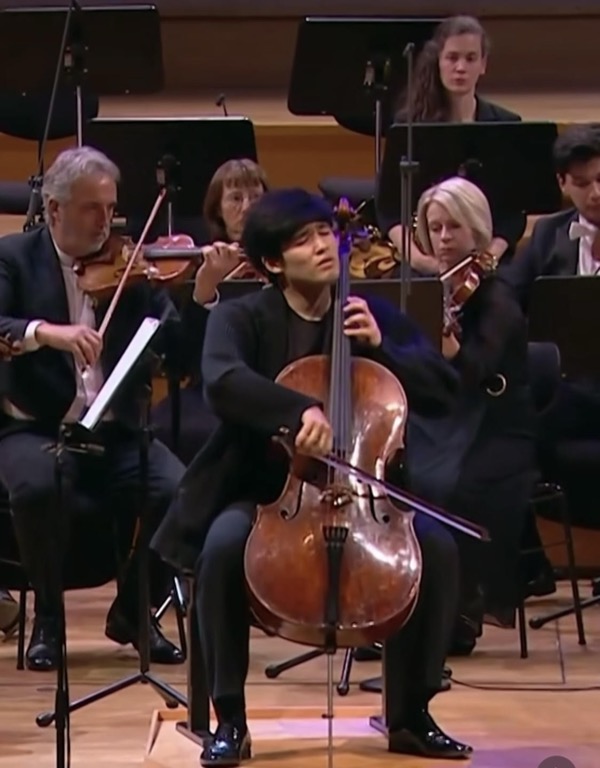
Queen Elisabeth Competition 2026 finalist in performance © Alexandre de Terwangne – Thomas Léonard / Queen Elisabeth Competition
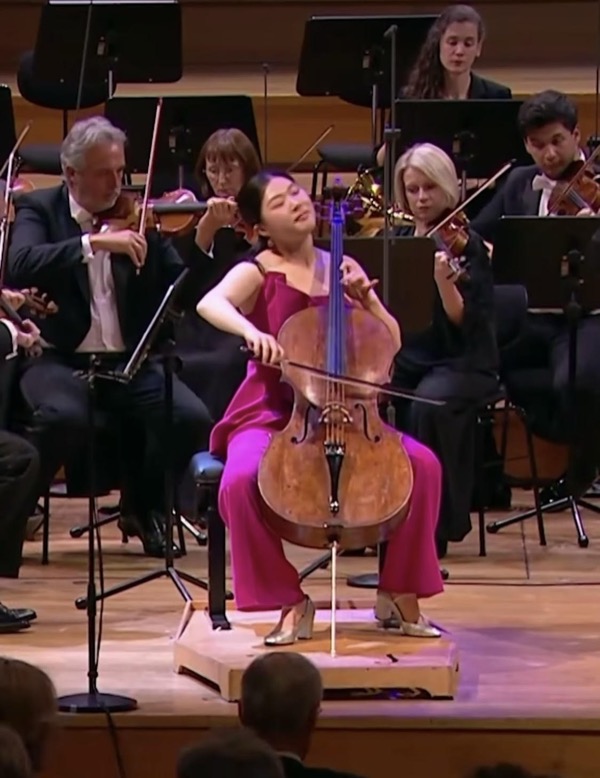
Queen Elisabeth Competition 2026 finalist in performance © Alexandre de Terwangne – Thomas Léonard / Queen Elisabeth Competition
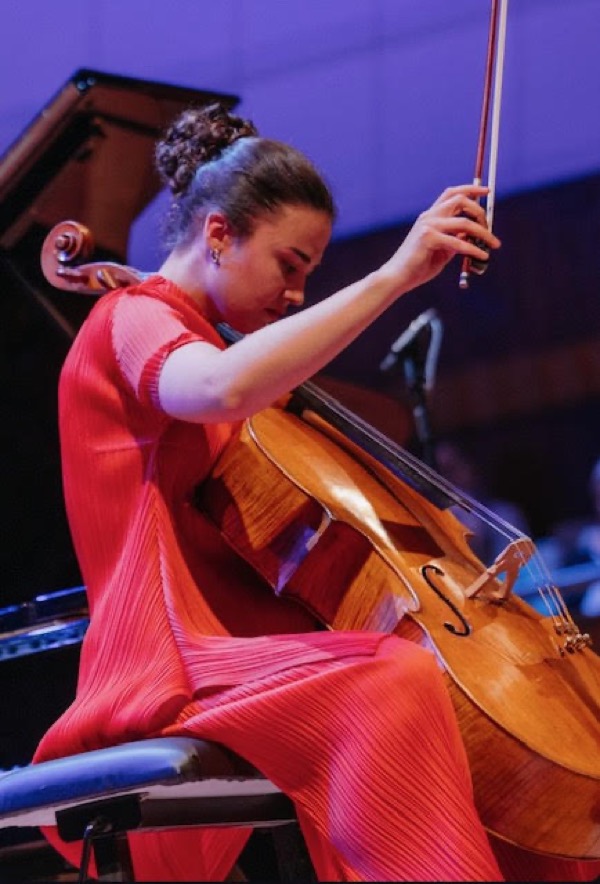
Queen Elisabeth Competition 2026 finalist in performance © Alexandre de Terwangne – Thomas Léonard / Queen Elisabeth Competition
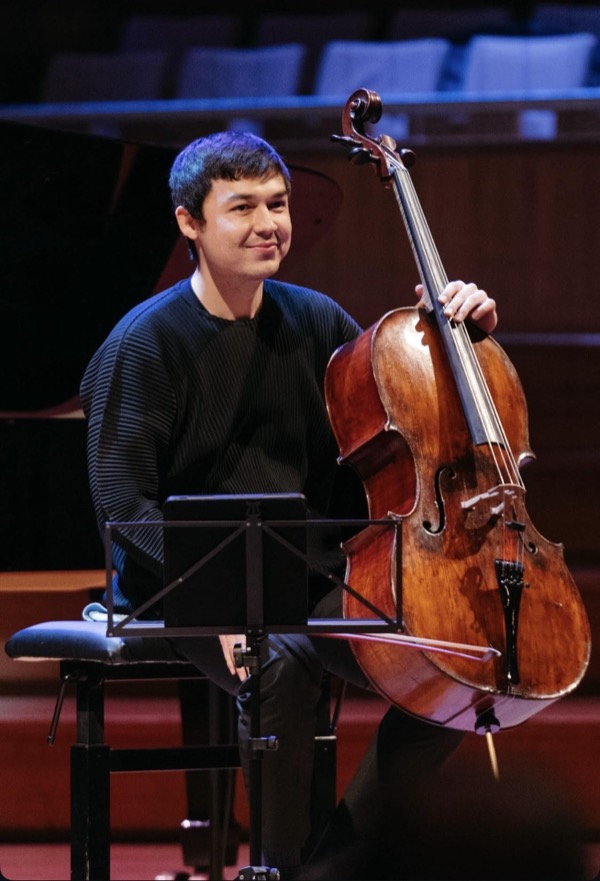
Queen Elisabeth Competition 2026 finalist in performance © Alexandre de Terwangne – Thomas Léonard / Queen Elisabeth Competition
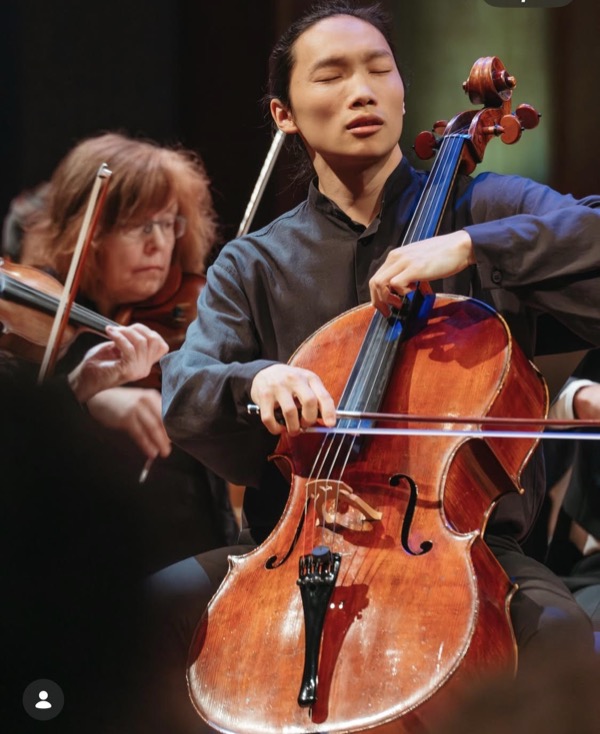
Queen Elisabeth Competition 2026 finalist in performance © Alexandre de Terwangne – Thomas Léonard / Queen Elisabeth Competition
The finals are taking place at the Brussels Centre for Fine Arts, from Monday 25 to Saturday 30 May at 8.15 pm. Every evening, two of the twelve finalists perform with the Belgian National Orchestra, conducted by Antony Hermus. I could hardly wait to hear these performances.
Repertoire for the finalists includes a concerto of their own choice (yes, another concerto) and the unpublished compulsory work, Four Odes to the Tidings of Flowers, written especially for this year’s competition by Fang Man. The week between the semi-finals and the selection of the finalists, the candidates go into isolation, and I mean sequestered! No phones, internet, or outside contact—an entire week studying without any external assistance. Following their order of appearance, the finalists enter the Queen Elisabeth Music Chapel two at a time, to study and to learn the unpublished compulsory final work, a piece with orchestra, and to prepare for the finals. Believe me, they are cramming to learn the new piece in one week.
Two candidates will perform each evening of the finals.
I was fascinated to see which concerti the young artists selected. The choices include only one performance of Dvořák‘s Concerto, which doesn’t surprise me, having sat on orchestral auditions when it can become tedious to listen to and differentiate between candidates who play the same work over and over. Four candidates chose Shostakovich Concerto No 1; three chose Prokofiev Symphony-Concerto op. 125; two chose Henri Dutilleux Tout un monde lointain; and one candidate selected Samuel Barber Concerto in A minor op. 22, while another, the Witold Lutoslawski Concerto.
The task of choosing between these wonderful cellists will be daunting and memorable. Certainly, one’s own taste and predilections do factor in during decision-making, but the large panel of judges from all over the globe will come to a consensus. Technique is a given. All the cellists I heard were perfection itself, with quite astounding and fearless facility on the instrument.
On Saturday, 30 May, the laureates will be ranked at the end of the evening. The first six will receive monetary prizes, and even the unranked laureates are given opportunities to perform.
As if the worldwide exposure and the generous monetary prizes aren’t enough, Pablo Casals‘ cello, a gorgeous 1733 Matteo Goffriller, will be loaned to the winning candidate to use for a period of four years by the Pau Casals Foundation. What a great opportunity!
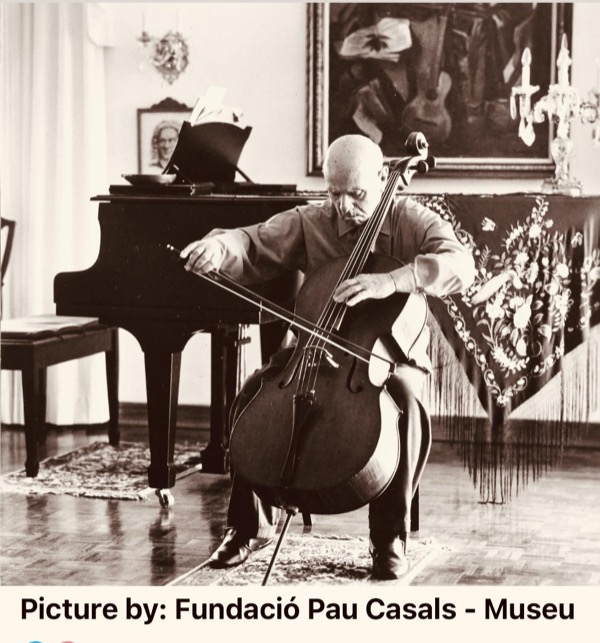
Pablo Casals © Pau Casals Foundation
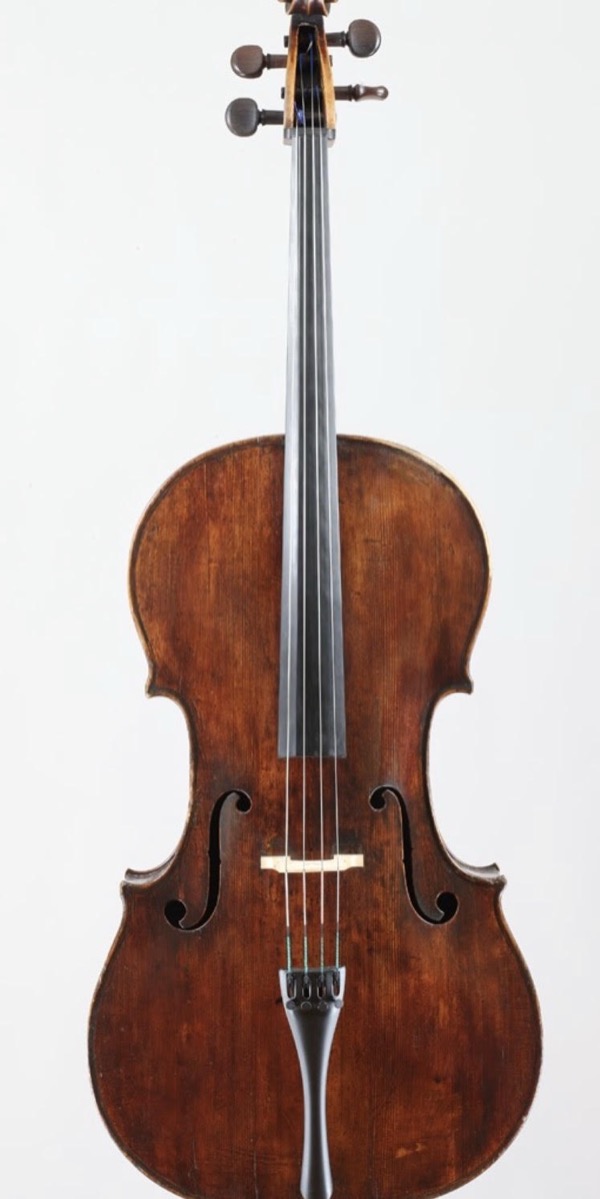
The 1733 Matteo Goffriller cello owned by Pablo Casals © Pau Casals Foundation
Beginning June 3, after a closing concert and through the month of June, the unranked laureates will perform, followed by several concerts featuring the first three laureates.
The competition is truly cello-heaven for those of us listening and the epitome of an opportunity for the performers. Stay tuned for the finals and the winning candidates!
For more of the best in classical music, sign up for our E-Newsletter
Queen Elisabeth Competition for Cello 2026 © Alexandre de Terwangne – Thomas Léonard / Queen Elisabeth Competition