In our inaugural episode on forgotten Romantic piano concertos, we discovered unexpected and wonderful music by Bortkiewicz, Scharwenka, Beach, Potter and Widor.
These much-neglected nineteenth- and early twentieth-century piano concertos and concertante works have been brought to light in 87 volumes of recordings by the Hyperion label, released between 1991 and 2023.
This musical treasure trove holds plenty of musical riches, and it’s time to continue our exploration with the Swedish composer Franz Berwald.
Franz Berwald: Piano Concerto in D Major (Michael Ponti, piano; South West German Chamber Orchestra, Pforzheim; Paul Angerer, cond.)
Franz Berwald: Piano Concerto in D Major
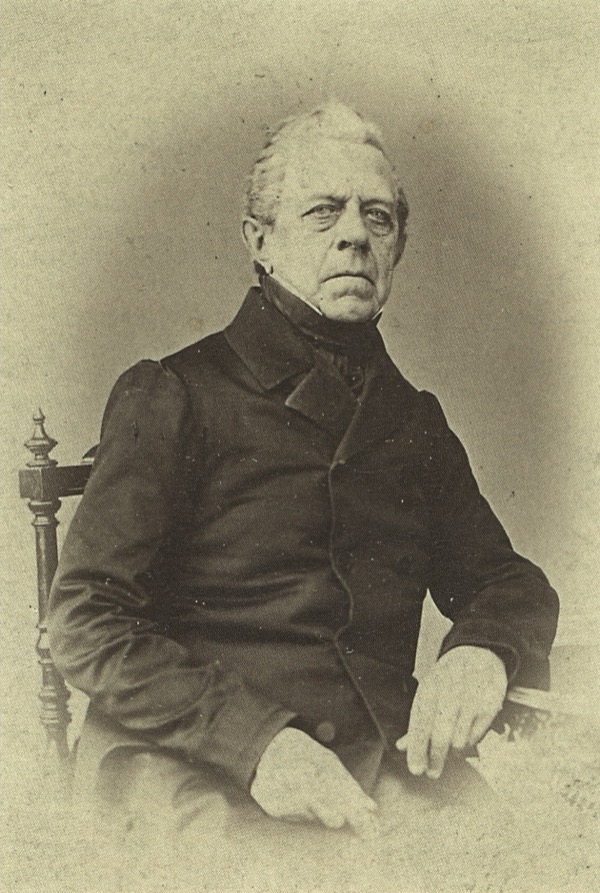
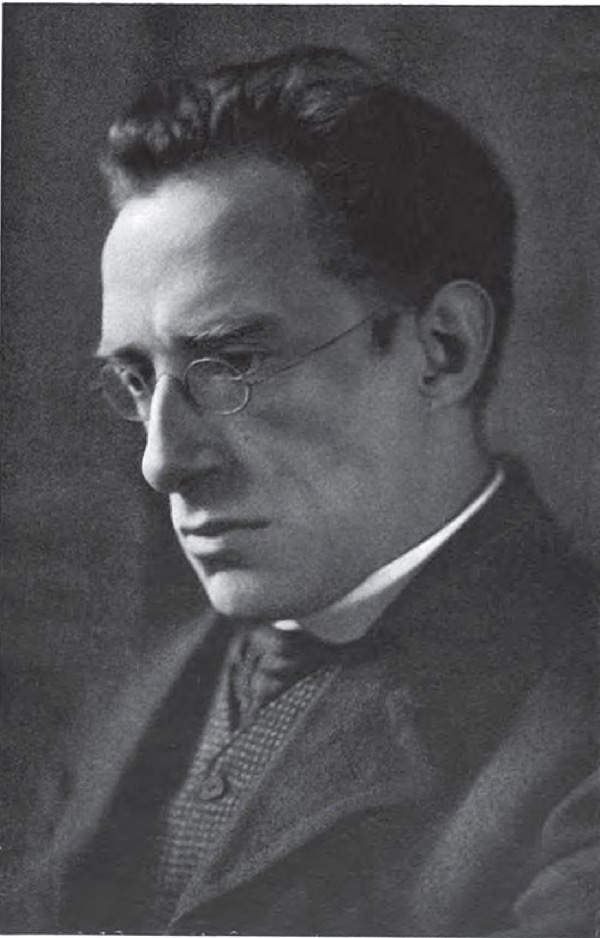
Franz Berwald
When the Swedish composer and violinist Franz Berwald (1796-1868) died in Stockholm in 1868, hardly anybody noticed. For much of his life, he made a living as an orthopaedic surgeon and later as the manager of a sawmill and glass factory.
However, his compositions greatly impressed Franz Liszt, who wrote in a personal letter, “You express yourself with invention, skill and agility; your developments and recapitulations are masterfully executed; your style is both elegant and harmonically original. If I must pronounce on your work, I would say that its most outstanding qualities are its lively invention and an exquisite feeling for development. Thus, you satisfy the demands of the art without once abandoning common sense.”
Critics, on the other hand, were less appreciative, taking him to task for his frequent modulations, which they complained gave them no respite. He also composed large works in single, continuous movements, long before this became accepted practice.
Berwald completed his only Piano Concerto in D Major in 1855. It was composed for his piano student Hilda Aurora Thegerström, who later studied with Liszt. Stylistically, the piece’s mood bears a striking resemblance to the concertos of Chopin and Mendelssohn.
The work was not performed during Berwald’s lifetime, and his music only became a reference point for a younger generation of Swedish composers at the beginning of the 20th century. Carl Nielsen was particularly vocal in his support for Berwald, and, more recently, the completion of a critical edition and several recordings have cast Berwald’s work in a more positive light.
Nikolay Rimsky-Korsakov: Piano Concerto in C-Sharp Minor, Op. 30 (Malcolm Binns, piano; English Northern Philharmonia; David Lloyd-Jones, cond.)
Nikolai Rimsky-Korsakov: Piano Concerto in C-sharp minor, Op. 30
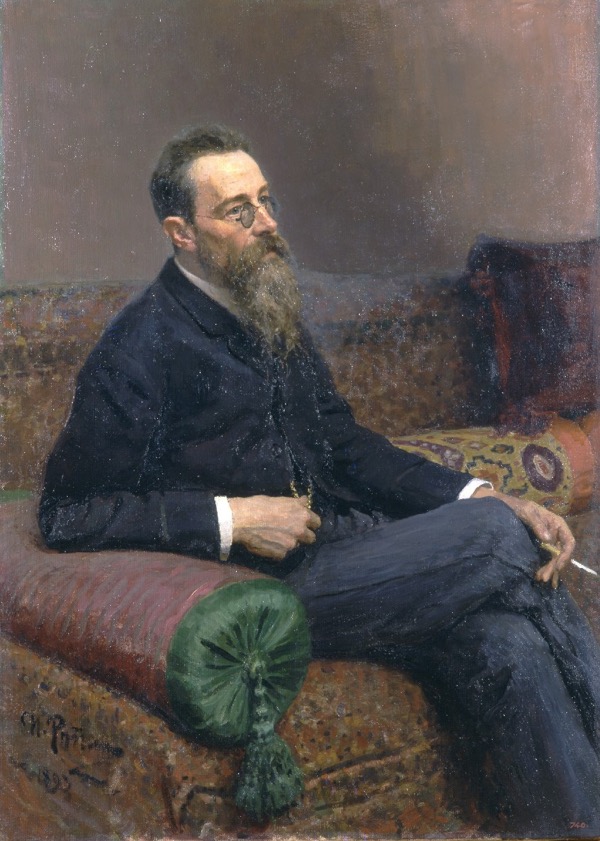
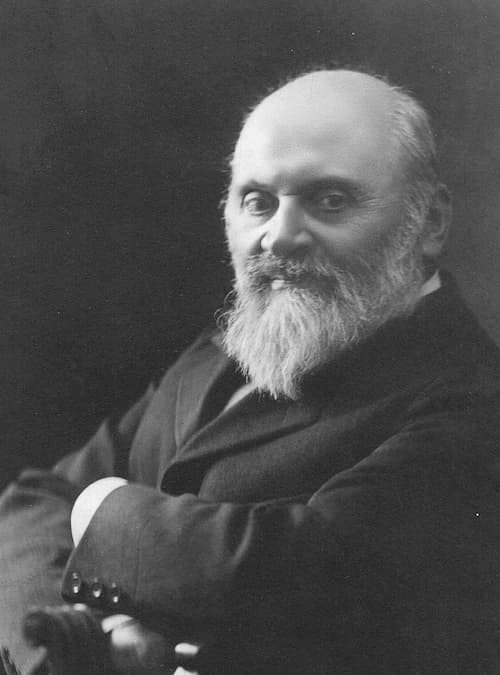
Rimsky-Korsakov (by Repin)
Franz Berwald might not be a household name, but Nikolai Rimsky-Korsakov certainly is. His name is strongly associated with the ideas of the “Mighty Handful,” a group of five prominent Russian composers who sought to create a distinct musical style that captured elements of rural Russian life and fostered national pride.
In terms of composition, he is probably best known for his orchestral works and fairy-tale operas, but did you know he also composed a piano concerto? Rimsky-Korsakov was not a virtuoso pianist, and the idea of writing a concerto actually came from Mily Balakirev.
The concerto dates from 1882-83, and is dedicated to Franz Liszt. It is often described as a concerto in three movements, but it’s actually played without breaks as a single continuous work, and it is based on a single Russian folk tune.
Rimsky-Korsakov, in a very Lisztian manner, continually transforms this melody, and while Liszt inspires this technique, the musical language remains unmistakably Russian. It’s a very attractive work featuring brilliant pianism, Russian lyricism, and plenty of dance rhythms.
Premiered in March 1884, this now almost completely forgotten work is historically important, as it strongly influenced concertos by later Russian composers, including Glazunov, Arensky, and especially Sergei Rachmaninoff, who wrote his First Piano Concerto less than a decade later.
Cécile Chaminade: Concertstück, Op. 40 (Danny Driver, piano; BBC Scottish Symphony Orchestra; Rebecca Miller, cond.)
Cécile Chaminade: Concertstück in C-sharp minor, Op. 40
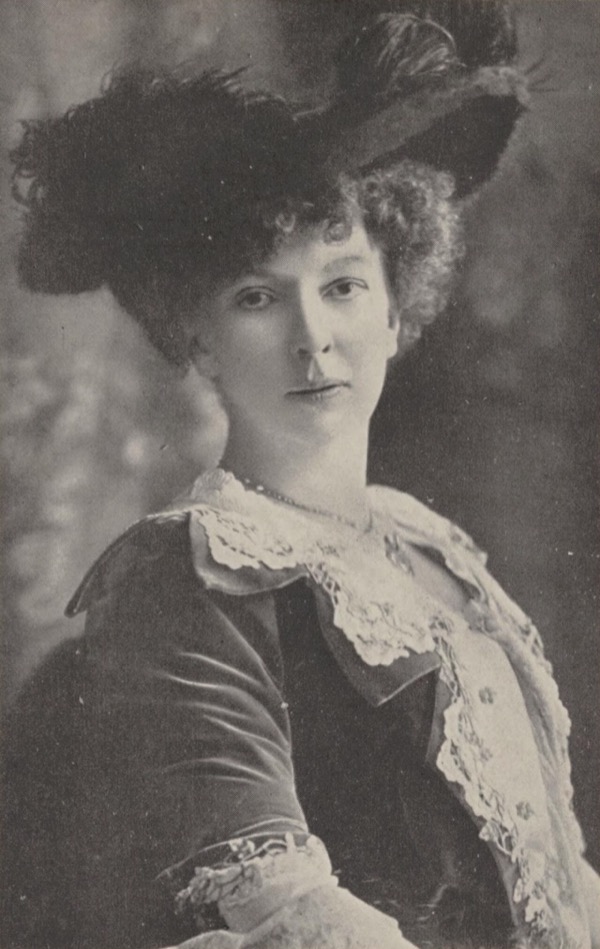
Cécile Chaminade
Here is a question for Interlude’s popular musical quiz section. Who was the first woman composer awarded the Légion d’honneur in 1913? The answer is Cécile Chaminade (1857-1944), who received her early musical education from her mother, a pianist and singer.
Her father vigorously objected to his daughter receiving a professional musical education. His refusal to allow her to study at the Paris Conservatoire, despite her obvious gifts, led to private piano lessons with Félix LeCouppey, violin studies with Martin Pierre Marsick, and composition lessons with Benjamin Godard.
The family regularly hosted musical salons, and Cécile made the acquaintance of various musicians who helped her arrange for her first public performance at the Salle Pleyel in 1877. After her father’s death, Chaminade went on frequent concert tours and composed roughly 400 works, many of them written specifically for publication and sale.
Her music, featuring catchy melodies, captivating harmonies, and consistently brilliant displays of virtuosity, became very popular in England and the United States. Chaminade was one of the few female composers publicly celebrated in her lifetime, but that reputation declined sharply as the 20th century progressed.
Her Concertstück for piano and orchestra was first performed in Antwerp in April 1888, with Chaminade as the soloist. We immediately hear the influences of Wagner and Liszt, and in this single movement, Chaminade develops four main themes with echoes of Saint-Saëns and Bizet. The rise of modernism pushed Chaminade’s music into the background, but her music is fortunately being rediscovered in the 21st century.
Moritz Moszkowski: Piano Concerto in E Major, Op. 59 (Michael Ponti, piano; Philharmonia Hungarica; Hans Richard Stracke, cond.)
Moritz Moszkowski: Piano Concerto in E Major, Op. 59
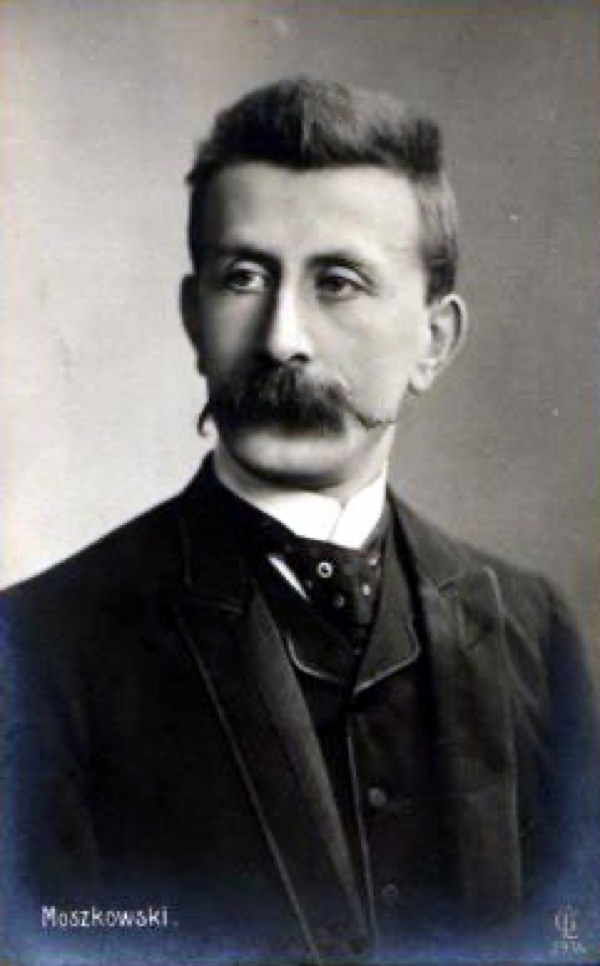
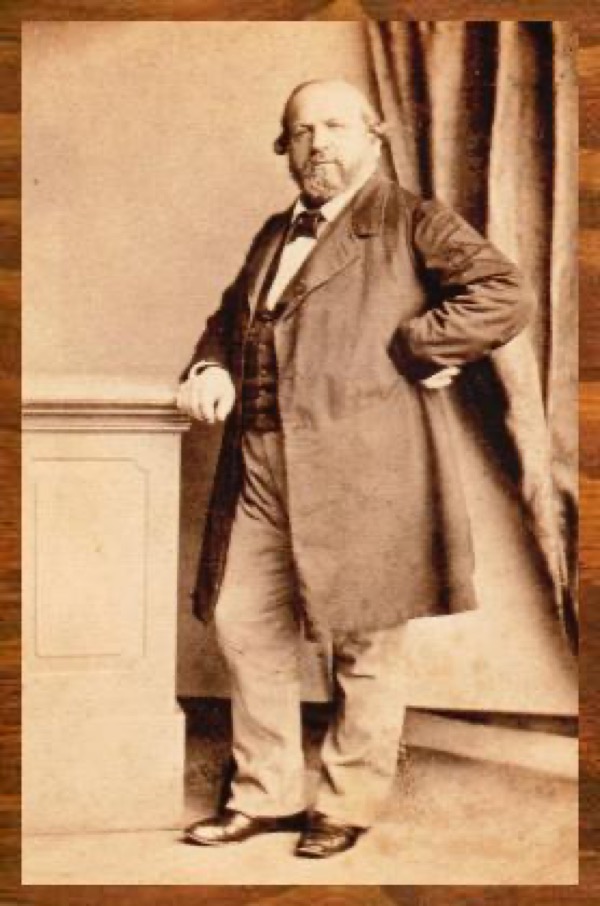
Moritz Moszkowski (c. 1880)
And here is another related music quiz question. Who was Cécile Chaminade’s brother-in- law? The answer to that question is Moritz Moszkowski (1854-1925), who married her younger sister Henriette. The couple were popular, well-connected in Paris, and generous in their support for other musicians.
In his day, Moritz Moszkowski was a famous and well-respected musician. He was an accomplished pianist who performed extensively across Europe and, as a highly sought-after teacher in Berlin and Paris, influenced generations of future piano virtuosos.
Moszkowski composed in various genres, but he was perhaps best known for his brilliant showpieces for the piano. Today, he is often remembered as a polished and brilliant salon composer, which is one reason his music was quickly forgotten after his death.
He was much admired by Franz Liszt, and even performed an evening of two-piano music with him. He helped Paderewski with the publication of his works, and in turn, Paderewski famously wrote that “after Chopin, Moszkowski best understands how to write for the piano.”
I love the little anecdote about Moszkowski meeting Hans von Bülow. Bülow had signed a manifesto stating “Bach, Beethoven, Brahms! All others are idiots.” Moszkowski replied, “Mendelssohn, Meyerbeer, and your humble servant Moritz Moszkowski! All others are Christians.”
Moszkowski died on 4 March 1925, and the musical world quickly forgot him. A couple of his brilliant piano miniatures are still used as encore pieces today, but his two piano concertos have yet to regain a place in the repertory.
Ignacy Jan Paderewski: Piano Concerto in A minor, Op. 17
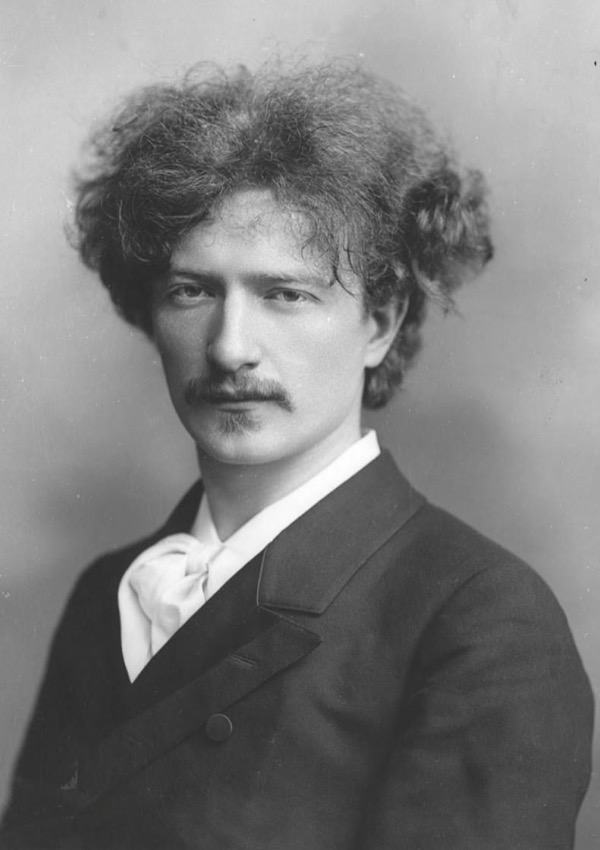
Ignacy Paderewski
Since we already mentioned Moszkowski and his fellow countryman Paderewski in the same breath, let’s turn to Paderewski’s Piano Concerto in A minor, Op. 17. At the height of his fame, Paderewski’s name became synonymous with the highest level of piano virtuosity.
A student of Theodor Leschetizky, he had a brilliant musical career that saw him perform in all corners of the world. He crossed the Atlantic more than thirty times and played more than 1,500 concerts in the US alone.
Paderewski also knew how to sell his talents, as his long, red hair became the hallmark of his physical appearance. His magnificent carrot top soon inspired the creation of candies, soaps and even a highly popular Christmas toy! Audiences could not get enough.
However, at the time of his Piano Concerto, which he scored in Paris in 1889, his career was still developing. As he writes in his memoirs, “When I finished the concerto, I was still lacking in experience…and I took my score directly to Saint-Saëns.”
Saint-Saëns was apparently very fond of the “Andante,” and Madame Essipoff, Leschetizky’s wife, gave the premiere with Hans Richter conducting. The work was an immediate success, and Sir Thomas Beecham wrote that the concerto possesses “a refinement and distinction that never fails to fall fragrantly on the ear, and offers to the musical amateur, who may feel at times that the evolution of his art is becoming a little too much for either his understanding or enjoyment, a soothing retreat.”
I hope you enjoyed these five forgotten piano concertos, overtaken by changing fashions and shifting musical tastes. There are still dozens of forgotten piano concertos on offer, and some great discoveries are still to come. Please join me next time.
For more of the best in classical music, sign up for our E-Newsletter
Ignacy Jan Paderewski: Piano Concerto in A Minor, Op. 17 (Piers Lane, piano; BBC Scottish Symphony Orchestra; Jerzy Maksymiuk, cond.)