Late in life, Giuseppe Verdi called Alzira, a musical setting of a drama by Voltaire from 1845, “downright ugly.” The premiere performance on 12 August 1845 at the Teatro San Carlo in Naples was only a partial success, and subsequent revivals fared little better.
The opera soon disappeared entirely from the repertory, and while it has occasionally been revived in modern times, it remains one of the least-performed operas in Verdi’s catalogue.
We don’t know the exact date of Verdi’s birth, but the family and the composer always celebrated his birthday on 9 October. To mark his birthday, why don’t we revisit Alzira, one of the lesser-known treasures in his operatic catalogue?
Giuseppe Verdi: Alzira (excerpt)
From Galley enslaved person to Voltaire
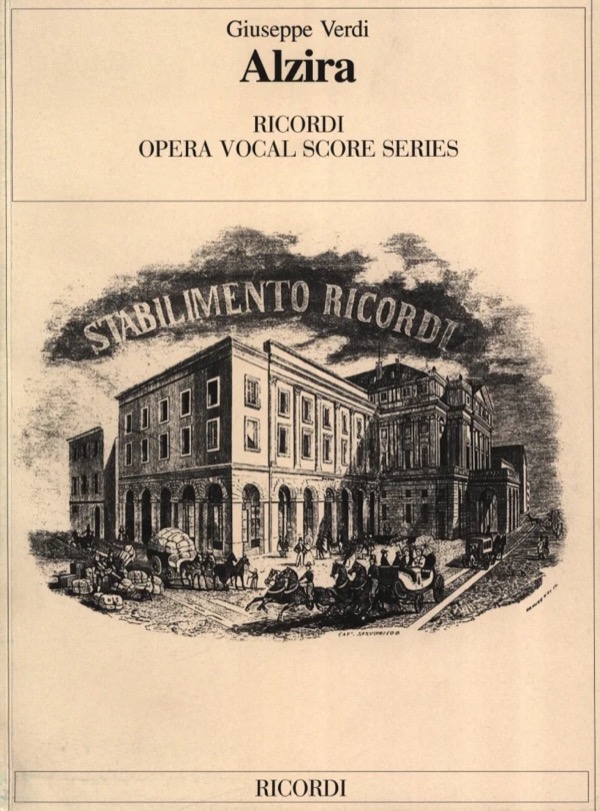
Alzira (Ricordi)
Alzira was composed during a period that Verdi proudly and somewhat bitterly referred to as the “galley years.” It was a time when he had to compose one opera after another without pause, like a galley slave, to satisfy the insatiable appetite of bourgeois opera-goers for newer, bolder, and more sensational plots.
Verdi is said to have composed the music for the opera in just twenty days, during the period between 1844 and 1846, a time in which Verdi completed and produced a total of four operas. Work on Alzira was delayed by illness and by the fact that Verdi had to add an overture when the work proved too short for a full evening’s entertainment. (Parker, Grove Music Online, 2002)
For his successful opera Ernani, which originated two years earlier, Verdi had relied on a contemporary story by the young Victor Hugo. He returned to Hugo six years later and achieved international recognition with Rigoletto.
For Alzira, however, Verdi relied on a 1736 play by Voltaire, and thus a product of the eighteenth century. Rooted in Enlightenment aesthetics and rationalism, it is a vast, classicistic play of ideas, whose characters and plot function solely as animated illustrations and sensual representations of philosophical and ethical conflicts.
Giuseppe Verdi: Alzira, Act I: Riposa. Tutte, in suo dolor vegliante (Jana Iliev, mezzo-soprano; Marina Mescheriakova, soprano; Swiss Romande Orchestra; Fabio Luisi, cond.)
Giuseppe Verdi: Alzira, Act I: Da Gusman, su fragil barca (Jana Iliev, mezzo-soprano; Marina Mescheriakova, soprano; Swiss Romande Orchestra; Fabio Luisi, cond.)
Giuseppe Verdi: Alzira, Act I: Figlia! – Padre! (Wolfgang Barta, bass; Jana Iliev, mezzo-soprano; Marina Mescheriakova, soprano; Swiss Romande Orchestra; Fabio Luisi, cond.)
Giuseppe Verdi: Alzira, Act I: Chi fia? … Ah! L’ombra sua! … No, calmati (Marina Mescheriakova, soprano; Ramón Vargas, tenor; Swiss Romande Orchestra; Fabio Luisi, cond.)
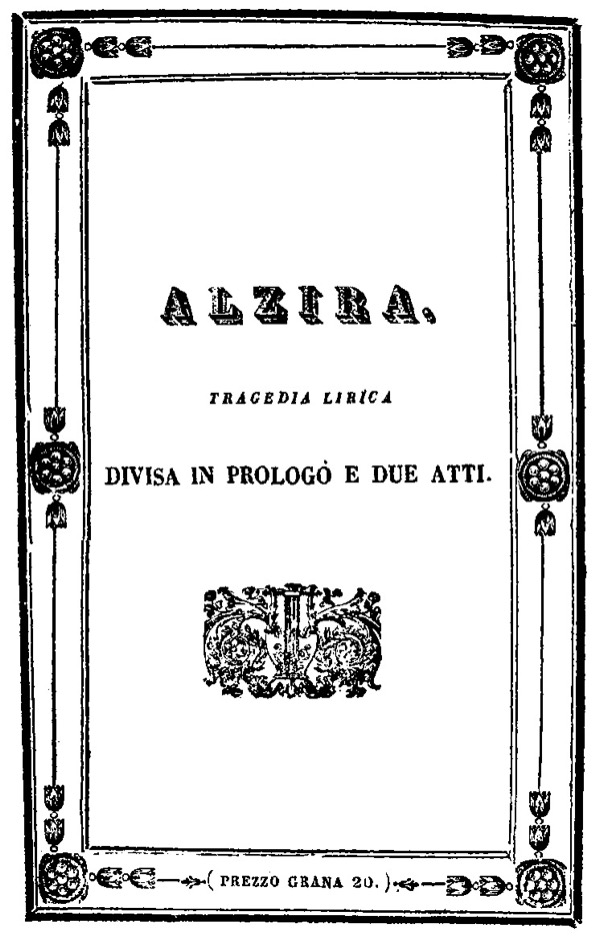
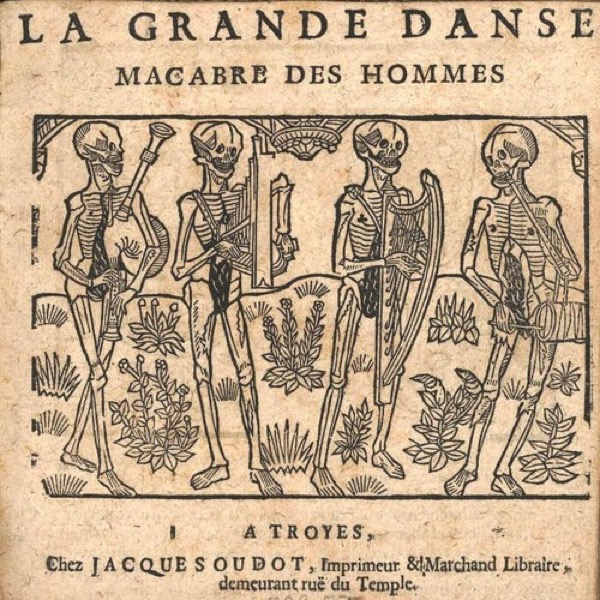
Giuseppe Verdi: Alzira, title page of the libretto (Naples, 1845)
A Love Triangle in Peru
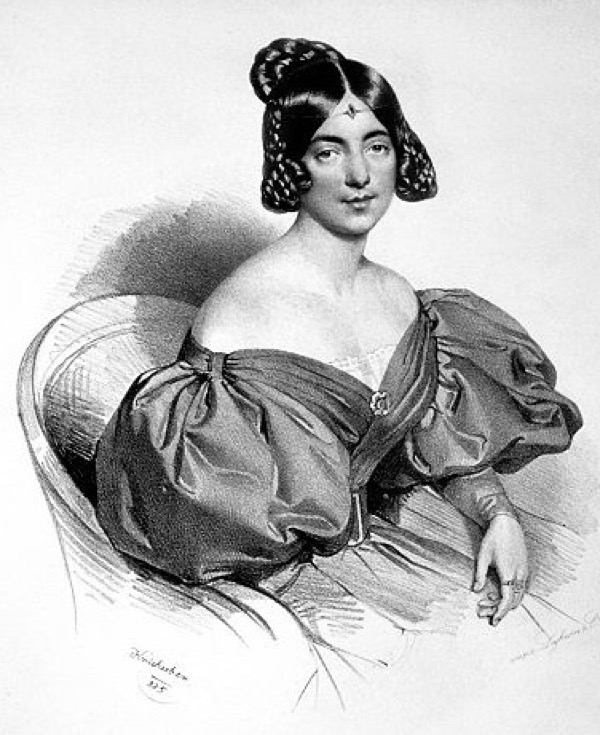
Eugenia Tadolini, the original Alzira
The dramatic pattern of almost all of Verdi’s operas is based on a triangular love affair, and the roles are inevitably cast for tenor, soprano, and baritone. Alzira is no exception: a plea for a humanistic form of Christianity is represented through an exotic triangular love affair involving a “Christian” Spanish conqueror, a “barbaric” Inca chief, and a beautiful Inca maiden who loves only the chief.
The prologue opens on a vast plain, where a Peruvian tribe drags Spanish governor Alvaro in chains and mocks him. They are about to kill him when a boat carrying their leader Zamoro, believed dead, arrives. Seeing Alvaro moves him, and he orders him released. Zamoro then tells the tribe of the brutal treatment he suffered at the hands of the wicked Spaniard Gusmano, and he relates that his beloved Alzira is imprisoned with her father in Lima.
Act I opens in the main piazza of Lima, where Alvaro announces that he is handing over power to his son Gusmano. The latter then declares a general peace with the Inca chief Ataliba, reminding him that his daughter Alzira will be Gusmano’s reward. He knows Alzira loves Zamoro, but Ataliba urges him to be patient. To no avail, Gusmano declares that he must possess her immediately.
Giuseppe Verdi: Alzira, “Gusmano’s Aria”
Fatal Wedding
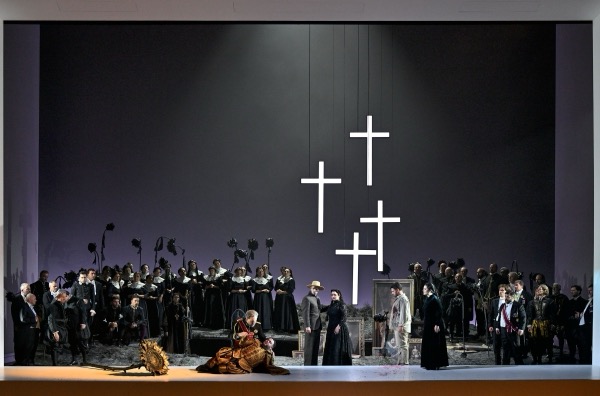
Alzira, Festival Verdi 2026
In Ataliba’s apartment, Alzira awakes and speaks of a strange dream. She dreamt of fleeing from Gusmano and being rescued by her beloved Zamoro. She declares her love, yet Ataliba begs her to marry Gusmano. Alzira asks for death instead, but is unexpectedly reunited with Zamoro, and they declare their love.
However, the lovers are discovered by Gusmano and Ataliba, and Zamoro is slated for instant execution. A messenger reports that a hostile army demands Zamoro’s return, and Gusmano decides to release him, warning him that they will meet again on the battlefield.
In Act II, the Incas have lost the battle again, and Zamoro is kept inside the fortification of Lima. Gusmano pronounces a death sentence on Zamoro, but Alzira agrees to marry him in exchange for Zamoro’s life.
Meanwhile, in a dreary cave, Otumbo tells his friends he secured Zamoro’s release by bribing the Spanish guards. Zamoro appears, and is desolate without his beloved. Otumbo makes matters worse by telling him that Alzira is about to marry Gusmano. Zamoro is furious and vows to take stern revenge.
The final scene at Gusmano’s residence is set as preparations are made for the marriage of Gusmano and Alzira. However, Zamoro, disguised as a Spanish soldier, bursts onto the scene and plunges a dagger into Gusmano’s heart.
Giuseppe Verdi: Alzira, Act II: Tergi dal pianto, America (Choeur du Grand Théâtre de Genève; Swiss Romande Orchestra; Fabio Luisi, cond.)
Giuseppe Verdi: Alzira, Act II: Prodi figli d’Iberia … (Paolo Gavanelli, baritone; Marina Mescheriakova, soprano; Swiss Romande Orchestra; Fabio Luisi, cond.)
Giuseppe Verdi: Alzira, Act II: È dolce la tromba (Paolo Gavanelli, baritone; Jana Iliev, mezzo-soprano; Marina Mescheriakova, soprano; Ramón Vargas, tenor; Swiss Romande Orchestra; Fabio Luisi, cond.)
Giuseppe Verdi: Alzira, Act II: Altre virtudi, insano … I numi tuoi (Wolfgang Barta, bass; Paolo Gavanelli, baritone; Jana Iliev, mezzo-soprano; Marina Mescheriakova, soprano; Jovo Reljin, tenor; Slobodan Stankovic, bass; Ramón Vargas, tenor; Swiss Romande Orchestra; Fabio Luisi, cond.)
A Sudden Change of Heart
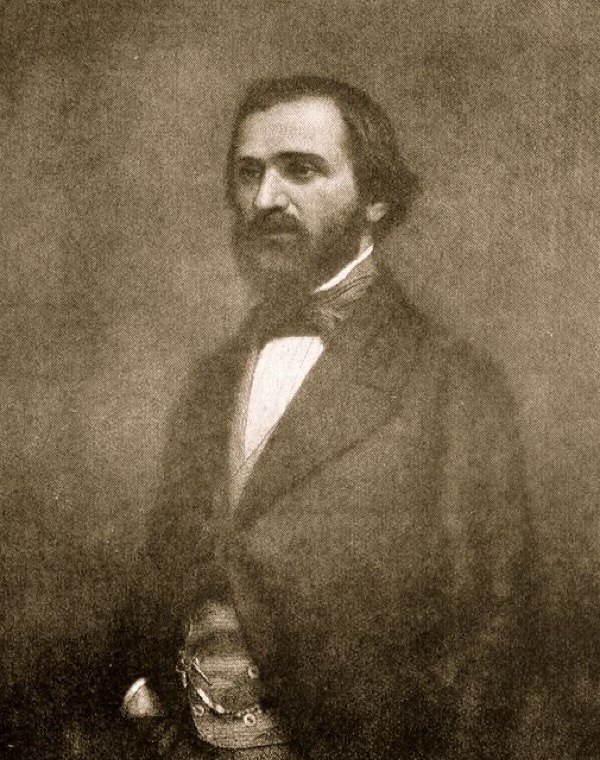
Giuseppe Verdi
The opera has a surprising ending, as Gusmano has learnt from Alzira the joys of peace and mercy, and Alzira agreed to marry him only to save Zamoro. He forgives his rival, blesses the two lovers, and then loses his strength and dies. The librettist at the Teatro San Carlo, Salvatore Cammarano, left few traces of Voltaire’s intentions, eliminating the entire philosophical background as well as the religious and ethical questions raised by the play.
In essence, he reduced the action to the relatively simple political and emotional aspects of the eternal triangle. Gusmano had shown no trace of compassion, so his sudden change of heart after being maliciously stabbed by his rival lacks credibility.
Musically, Alzira has been called a Verdian opera in a raw state, in which mighty tableaus follow one another. Verdi’s craftsman-like and practical style of composing developed gradually during the difficult period of his galley years. As has been suggested, many of the musical forms and gestures with which we are so refreshingly confronted in his well-known operas are present in rudimentary configurations.
For more of the best in classical music, sign up for our E-Newsletter