If you love film music, you probably love classical music – even if you don’t know it yet.
The soaring strings, the ominous brass, the sparkling harp glissandos, the pounding rhythms accompanying war scenes… None of these were invented in Hollywood. They were forged in concert halls.
Many of the best-known film composers – from John Williams to Hans Zimmer to Howard Shore and beyond – built their work on foundations laid by classical music composers like Wagner, Tchaikovsky, and Mahler.
Today, we’re taking a look at some of the most famous Hollywood soundtracks and what classical masterpieces they’re most like. If you’ve ever wondered what classical music sounds like Star Wars, Gladiator, or Interstellar, we’ve got the playlist for you!
Igor Stravinsky – The Rite of Spring
Most similar to: Jaws (score by John Williams)
Modern action scores owe a massive debt to Stravinsky.
More than a century after its scandalous premiere (its radical choreography and groundbreaking music incited unrest in the concert hall), his Rite of Spring still sounds raw and dangerous.
The Rite revels in brutal and repetitive rhythms, shifting meters, and colourful orchestration, all in the service of portraying terrifying phenomena both natural and mythological.
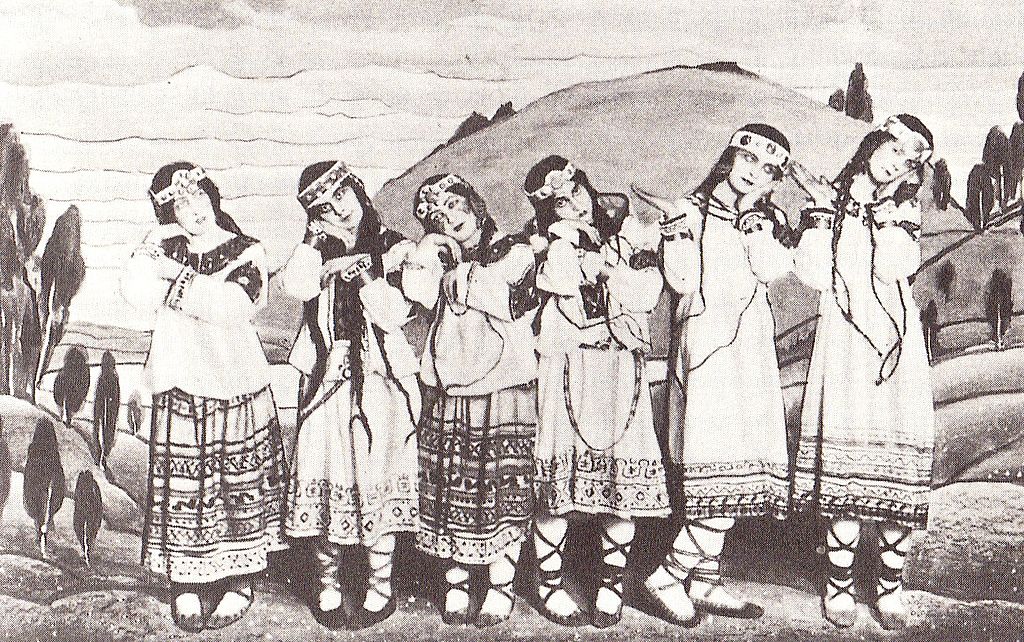
Dancers from The Rite of Spring, 1913
If you love tense, rhythm-driven soundtracks that make your pulse race, this Russian ballet from 1913 is one of the blueprints for modern thriller and action scores – including the one for Jaws.
Richard Wagner – “Ride of the Valkyries” from Die Walküre
Most similar to: Star Wars (score by John Williams)
Epic fantasy fans should start here with Richard Wagner.
Wagner pioneered the idea of the leitmotif, i.e., a recurring musical theme that represents a character, idea, or emotion…or sometimes all three at once!
Modern film composers still use leitmotifs.
The galloping rhythms and blazing brass of the “Ride of the Valkyries” from the opera Die Walküre anticipate the modern soundtracks that accompany battle scenes and epic confrontations.
Gustav Holst – The Planets
Most similar to: Star Wars (score by John Williams)
Another major inspiration for the Star Wars soundtrack was English composer Gustav Holst‘s orchestral suite The Planets.
The “Mars, the Bringer of War” movement features a relentless 5/4 rhythm and grinding brass reminiscent of multiple Williams scores.
Meanwhile, the “Jupiter” movement offers jaunty excitement, followed by heartfelt romance.
Both of those moods feel like forerunners to famous movie themes by giants like James Newton Howard, Alan Silvestri, or John Barry.
It’s no exaggeration to say that a lot of modern movie music grew out of this piece.
Richard Strauss – An Alpine Symphony
Most similar to: Lawrence of Arabia (score by Maurice Jarre)
If you love music that follows a journey – sunrise to storm to triumphant return – this piece is for you.
An Alpine Symphony by Richard Strauss is essentially a full cinematic narrative, minus the visuals. It traces a mountaineer’s ascent, portraying shimmering dawn, a thunderstorm, and a blazing sunset.
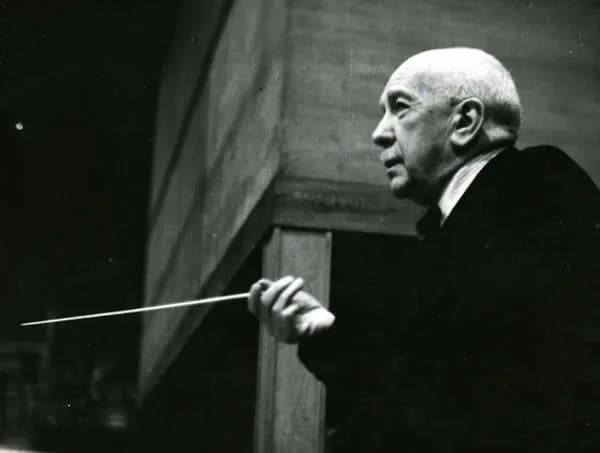
Richard Strauss conducting
Strauss deploys a massive orchestra – including wind machine, thunder sheet, and expanded brass – to create a soundscape that is nearly as evocative as a film’s.
Years later, composer Maurice Jarre’s celebrated score for Lawrence of Arabia would reflect the influence of several works by Strauss, including Also sprach Zarathustra, Ein Heldenleben, and the Alpine Symphony.
Pyotr Ilyich Tchaikovsky – Romeo and Juliet Fantasy Overture
Most similar to: Titanic (score by James Horner)
No composer knew how to create a lush, emotional sweep like Tchaikovsky.
His Romeo and Juliet Overture features a thrilling contrast between lush strings and surging climaxes, telling a story of brief, intense, and ultimately fatal love.
Titanic: Music from the Motion Picture by James Horner (1997)
For lovers of tragic romantic films, with soundtracks heavy on the strings, this piece will feel familiar right away.
Sergei Prokofiev – Romeo and Juliet
Most similar to: Gladiator (score by Hans Zimmer and Lisa Gerrard)
Here’s another piece inspired by the story of Romeo and Juliet, composed by Sergei Prokofiev in 1935.
“Dance of the Knights” is all menace and weight, with its heavy brass, grinding harmonies, and slow, imposing tread: the template for countless villain motifs to come.
But moments later, Prokofiev turns radiant and tender, spinning ethereal beauty. It’s the same kind of tonal whiplash that soundtrack composers have to effectively navigate today – and nearly a century later, Prokofiev remains one of the foremost models of how to do so.
Sergei Rachmaninoff – Piano Concerto No. 2
Most similar to: The English Patient (score by Gabriel Yared)
If you’re drawn to drama – the kind that aches and swells with sincerity – start here, with arguably the best-known piano concerto of the entire Romantic era.
The tragic tolling chords that open Rachmaninoff‘s second piano concerto ultimately give way to expansive melodies suffused with a sense of yearning.
The slow movement, in particular, has a particularly cinematic quality: wistful clarinet and piano conversing over a bed of strings.
Hollywood composers have quoted this concerto directly and indirectly in their scores for decades, and after you listen to it, you’ll understand why.
Gustav Mahler – Symphony No. 5 (Adagietto)
Most similar to: Schindler’s List (score by John Williams)
Gustav Mahler loved employing a huge orchestra to its full potential and putting it through its technical and emotional paces. His symphonies cycle between intimate and apocalyptic moments, often within minutes.
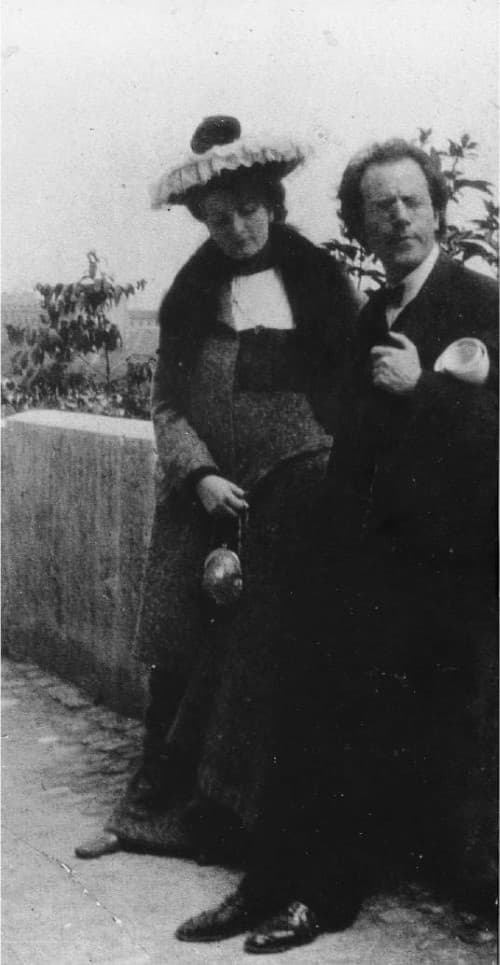
Alma and Gustav Mahler, Basel 1903 © Mahler Foundation
The Adagietto from Symphony No. 5 – written as a love letter to his wife – is one of the most heartbreaking slow movements ever composed. Here, Mahler strips the orchestra down to the strings and the harp alone, which makes it essential listening for violin and cello lovers.
The Adagietto has been used in a number of films, including, most famously, in 1971’s Death in Venice.
Erich Wolfgang Korngold – Violin Concerto in D major
Most similar to: Superman (score by John Williams)
Erich Korngold is one of the composers who brought the late Romantic style of Richard Strauss and Gustav Mahler to Hollywood.
Raised as a child prodigy in Vienna, Korngold left in 1934 to work in Los Angeles, eventually becoming one of the best-known composers in America, winning two Academy Awards over the course of his career.
He famously refused to write concert music again until Hitler died, pouring all of his creative energy into the American film industry instead.
His violin concerto, dating from 1945, marries concert music with themes from his movie scores. It is saturated with his sparkling, cinematic lyricism. If you adore old-school Hollywood romance and adventure, you will love it.
Ralph Vaughan Williams – Fantasia on a Theme by Thomas Tallis
Most similar to: The Lord of the Rings: The Fellowship of the Ring (score by Howard Shore)
If you love film moments that feel spiritual, ancient, or quietly transcendent, this is a gateway piece for you.
In his Fantasia, Ralph Vaughan Williams takes a 16th-century hymn tune by fellow English composer Thomas Tallis and transforms it into something that feels remarkably timeless.
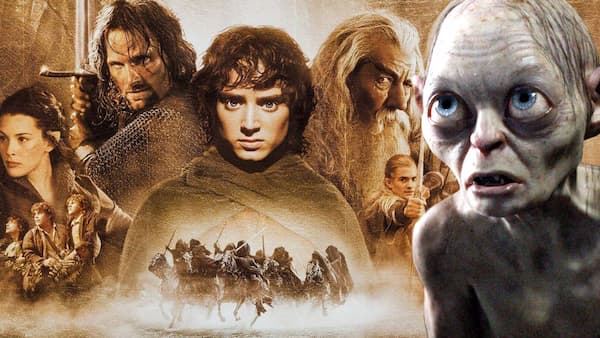
The Lord of the Rings film trilogy
Scored for divided string orchestras, the music blooms and recedes. The spacious harmonies and reverberant textures tug at every listener’s heartstrings.
You’ll recognise this atmosphere from reflective scenes in historical dramas and fantasy films: music that evokes aching nostalgia, vast vistas, and the innermost yearnings of compelling, complex characters.
Conclusion
Although film music and classical music are sometimes treated as separate worlds, they actually grew out of the same tradition.
The epic battle themes, sweeping romantic melodies, ominous villain motifs, and the like that define today’s greatest movie soundtracks all trace back to orchestral masterpieces.
The next time a movie soundtrack gives you chills, remember: that sound was born long before the camera rolled. Concert halls and opera houses were the original movie theatres – and in many ways, classical works were the forerunners to films.
For more of the best in classical music, sign up for our E-Newsletter