Two centuries after his death, Wolfgang Amadeus Mozart remains one of the most-streamed and searched composers in the world. From operatic showstoppers to symphonic masterpieces, his music continues to dominate YouTube playlists, film soundtracks, and viral crossover performances.
But which pieces attract the most views?
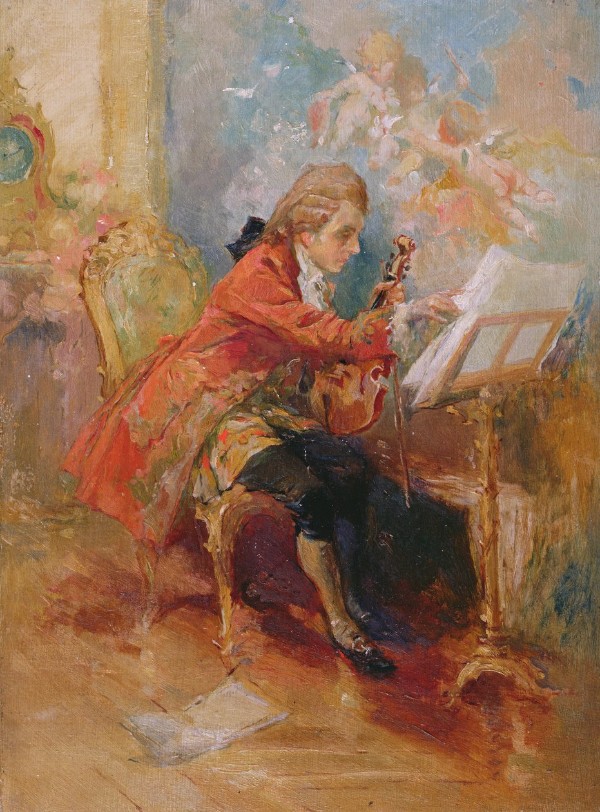
Jean Louis Ernest Meissonier: Mozart Playing the Viola
This ranking looks at the most popular Mozart works on YouTube – in other words, the most viewed Mozart pieces online today – based on view counts, listed in reverse order.
From the busy whispering of the Overture from the Marriage of Figaro to the thunderous drama of the Requiem, these are the Mozart works that millions are returning to again and again in the Internet age.
7. Overture from the Marriage of Figaro, K. 492
21 million views
Mozart’s four-act opera The Marriage of Figaro was written in 1786.
The opera was based on a controversial 1784 French play by Pierre Beaumarchais. Its critique of the aristocracy unnerved Austrian authorities (Napoleon would later describe it as “the Revolution already put into action”), so the libretto had to be tweaked to allow for a performance of a version of the story in Vienna.
Instead of an aria railing against the injustice of inherited wealth and nobility, Mozart wrote an aria about angry wives.
Mozart’s overture to this opera is one of his most famous works. It does not use themes from the opera, and it is free-standing, which has made it a popular concert piece over the years.
6. Clarinet Concerto, K. 622
24 million views
Mozart finished his clarinet concerto in October 1791, just weeks before his sudden death that December.
He wrote it for one of his best friends, an accomplished clarinettist named Anton Stadler.
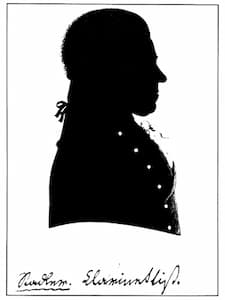
Silhouette of Anton Stadler
It was originally written for a slightly different kind of clarinet, known as the basset clarinet, which plays lower notes than the standardised clarinet of today.
After Mozart’s death, the solo part was edited to make it playable for instruments with a standard range.
In the clarinet concerto, Mozart is writing with extraordinary late-style clarity and warmth. The first movement is a noble, good-natured allegro. The slow movement is magnificent and airy; it seems to slow down time itself. The finale is a sly and bouncy rondo that brings the work to a joyful conclusion.
This particular performance features Arngunnur Árnadóttir, the principal clarinet player of the Iceland Symphony Orchestra. She studied in Berlin before accepting her position with the Iceland Symphony in Reykjavik. In addition to being a renowned clarinettist, she is also a poet and a novelist.
5. Rondo Alla Turca, K. 331
58 million views
The “Rondo Alla Turca” is actually the finale from Mozart’s Piano Sonata No. 11, composed in 1783 and published in 1784.
In the 18th century, Vienna was obsessed with everything Turkish. The Ottoman culture was considered exotic, mysterious, and aesthetically irresistible. Art inspired by this area of the world got its own name: turquerie.
This fascination manifested itself in music, including Mozart’s. To Viennese ears, authentic Ottoman military music sounded raw and brash – but its rhythmic drive also became irresistible inspiration.
Mozart employed patterns and rhythms found in Turkish military band music in his own music, while also thoroughly “Viennizing” them.
4. Piano Concerto No. 21, Andante, K. 467
74 million views
Mozart’s twenty-first piano concerto was written in the spring of 1785.
At the time, Mozart was making his way as a freelance performer, composer, and teacher in Vienna.
He could no longer advertise himself as a child prodigy (he was twenty-nine) or even as a newcomer to Vienna, as he had relocated there a full four years before.
Plus, by 1785, Mozart was supporting his wife, Constanze and their infant son Karl. His financial success now depended on producing concertos that dazzled Vienna’s audiences.
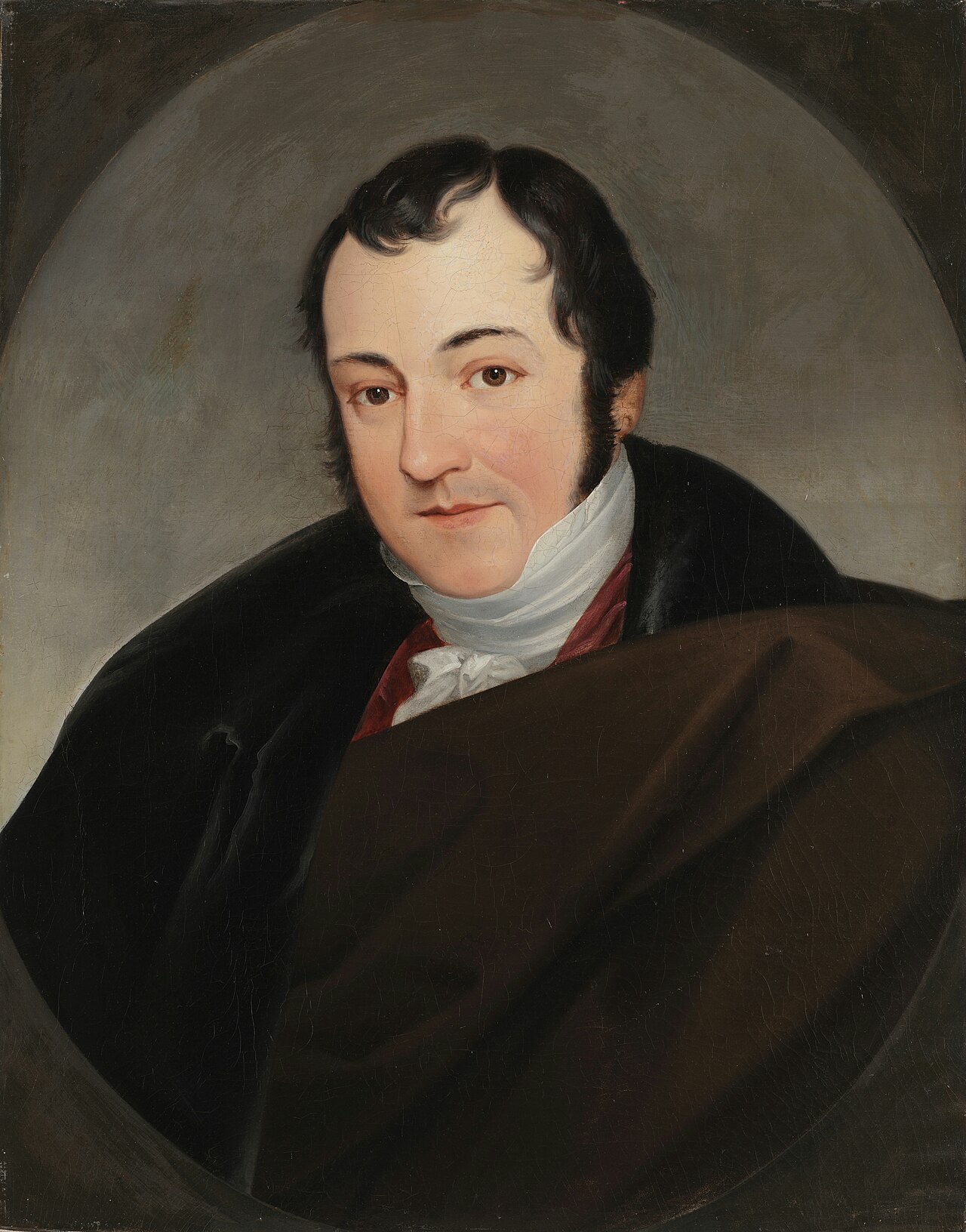
Carl Thomas Mozart, one of the two surviving children of Wolfgang and Constanze Mozart
This particular concerto was certainly a standout from his efforts during this time, and it has endured in the decades since.
Its most famous movement is the slow movement, the Andante, which was used in a 1967 film called Elvira Madigan about a slackwire circus performer and her romance with a wealthy married lieutenant.
3. Theme from Symphony No. 40, K. 550, and Enter Sandman, arranged for guitar and cello
76 million views
The group Mozart Heroes consists of Chris Krebs on cello and Phil Seeholzer on guitar. Both are classically trained musicians who are based in Switzerland.
In this music video, they combined the theme from Mozart’s Symphony No. 40 with “Enter Sandman” by heavy metal band Metallica.
The first two minutes and twenty seconds are devoted to an arrangement of Mozart, but then Metallica’s 1991 song “Enter Sandman” kicks in.
The instruments turn electric, and a large amount of bow hair is shed in quite a theatrical manner.
While not a traditional performance, this mashup has become one of the most viewed Mozart-related videos on YouTube.
2. Queen of the Night aria from The Magic Flute, K. 620
78 million views
The opera The Magic Flute was premiered in September 1791, a few months before Mozart’s death.
The opera is a musical fairy tale. In the second act, one of the characters, the Queen of the Night, urges her daughter to kill Sarastro, the Queen’s rival.
The Queen is so bloodthirsty that she vows to disown her daughter if she does not obey:
If Sarastro doesn’t feel the pain of death through you,
Then you will not be my daughter anymore:
Disowned be you forever…
Mozart sets this moment to music in an unforgettable way. The Queen sounds not only terrifyingly serious but out of her mind with rage. Repeated notes and mechanical staccatos drive home the Queen’s obsession.
This performance from the Royal Opera House features soprano Diana Damrau.
And here it is, the moment you’ve been waiting for…the most popular work by Mozart on YouTube is:
1. Requiem, K. 626
119 million views
With 119 million views, his Requiem far surpasses every other Mozart work on the platform.
The Requiem was commissioned by a count who supposedly wanted it to honour his young dead wife. This count also had an alarming habit of claiming composers’ works as his own.
Unfortunately, Mozart died in December 1791, before the commission could be fully completed. Only the first movement, the Introitus, was complete. Other movements had outlines, with notated vocal lines.
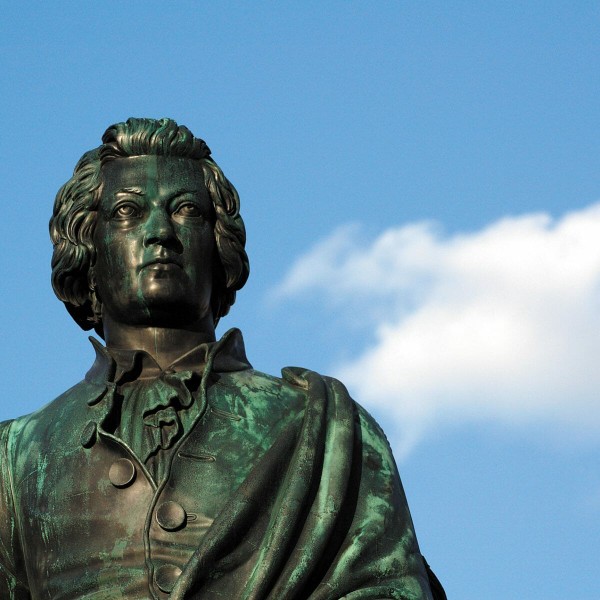
Statue of Mozart in Salzburg
After Mozart’s death, his widow asked composer Franz Xaver Süssmayr to finish the Requiem so that she could collect the second payment that was due to Mozart (and also keep the count from finishing himself and reaping credit for it).
Because of its poignant real-life story and stunning music, the Requiem is one of Mozart’s most famous pieces.
It’s no surprise that it remains Mozart’s most viewed work on YouTube.
Conclusion
Mozart’s most popular works on YouTube reveal something remarkable: his music thrives in multiple contexts. It resonates in historically informed performances, grand opera houses, film soundtracks, crossover collaborations, and even metal mashups.
View counts may fluctuate, but the bigger story is clear. Mozart’s music adapts effortlessly to new platforms and new generations.
Whether encountered in a concert hall or through a YouTube algorithm, these works prove why he remains not just historically important – but as immediate as ever, even in the digital era.
For more of the best in classical music, sign up for our E-Newsletter