As we come up on the American national holiday of the 4th of July, we’ve been reflecting on the vast number of pieces of music with ‘America’ or ‘American’ in the title. Visitors to the US are always astonished at how many flags they see flying – not just on government buildings, as you would expect, but in front of schools, post offices, and even private houses. How does this pride in country come into the music?
We’ll open with American composer Adolphus Hailstork (b. 1941) and his wonderfully titled American Port of Call. Written in 1985 for the Virginia Symphony Orchestra, this concert overture draws its inspiration from the port of Norfolk, Virginia. Port cities in any country are centres of intense activity, followed by long fallow periods. Hailstork catches that ebb and flow of activity in his work.
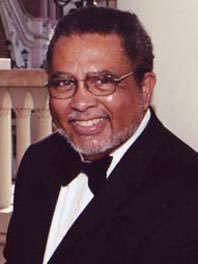
Adolphus Hailstork(photo by Samuel CFTP)
Adolphus Hailstork: An American Port of Call (Virginia Symphony Orchestra; JoAnn Falletta, cond.)
Kenneth Fuchs (b. 1956) started with a theme from his String Quartet No. 1, Where Have You Been?, in creating his romance for violin and orchestra, the American Rhapsody. An arpeggiated minor eleventh chord becomes the opening line in the violin, and it is this expansive line that, combined with the work’s ‘pan-diatonic harmonies’, gives the work its American feel.
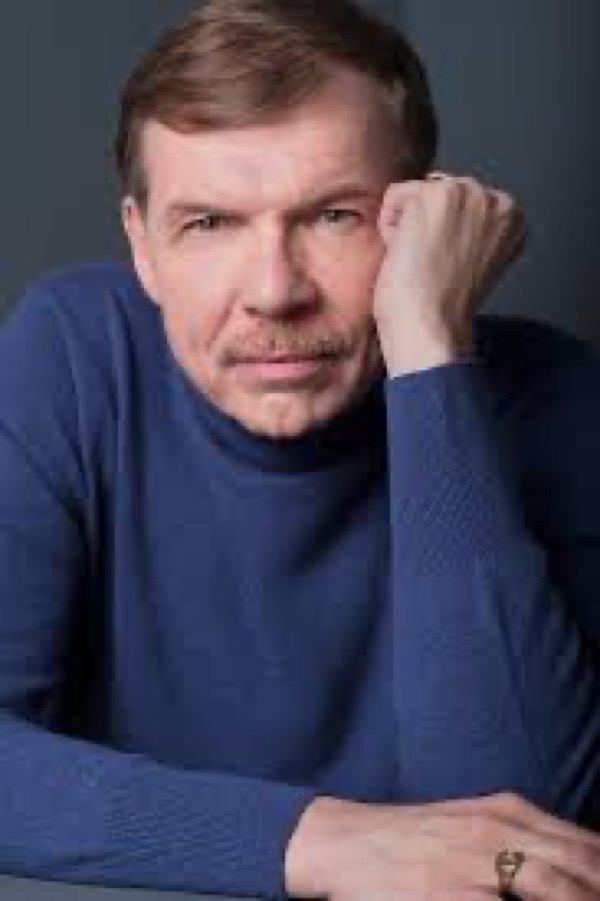
Kenneth Fuchs
Kenneth Fuchs: American Rhapsody (Michael Ludwig, violin; London Symphony Orchestra; JoAnn Falletta, cond.)
Joseph Willcox Jenkins (1928–2014) wrote his American Overture in 1955 when he was on the arranging staff of the United States Army Field Band. In this, his first work for the band, Jenkins placed the emphasis on the Band’s horn section. As a horn player, he was, as he said, ‘tired of…having to play off-beats’, a common role of the horn section. Although the use of Lydian and Mixolydian modes rather than just major/minor gives the feel of folk music, no actual folk music was used in the creation of this piece.
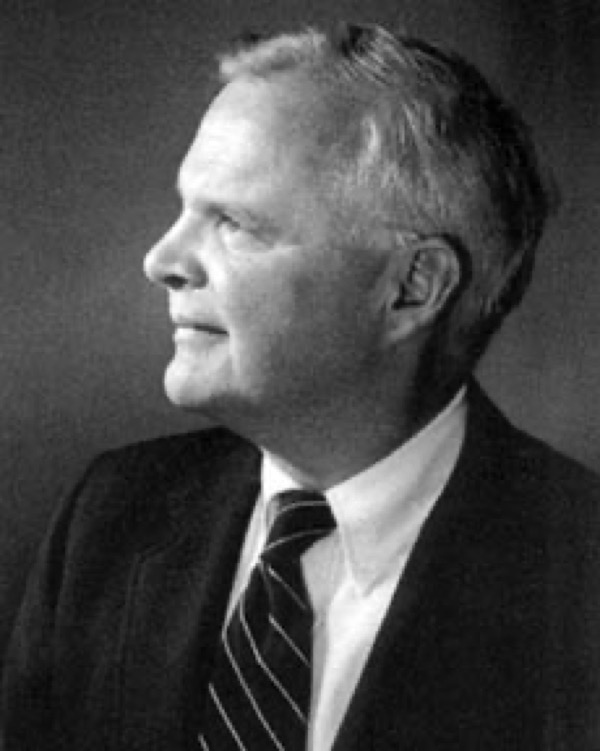
Joseph Willcox Jenkins
Joseph Willcox Jenkins: American Overture (Lone Star Wind Orchestra; Eugene Migliaro Corporon, cond.)
Robert Russell Bennett (1894-1981) made his name on Broadway, but not only as a composer. Between 1920 and 1976, he scored all or part of more than three hundred shows, and in his peak season, he had 22 shows running concurrently in New York. He took the music written by composers including George Gershwin, Cole Porter, Irving Berlin, Richard Rodgers, Jerome Kern, and Frederick Loewe, and made the arrangement played by the theatre orchestra. In his youth, he was a director of the United States Army Bands in 1918 and 1919 before resuming his music studies. He studied in France with Nadia Boulanger and met her students Aaron Copland and Roger Sessions. He wrote film scores for Hollywood before returning to New York.
In 1948, Bennett went to hear the Goldman Band in a concert honouring the 70th birthday of the band’s founder, Edwin Franko Goldman. In its five movements, Bennett captures the breadth of musical styles in the dance music of the late 19th century. Bennett originally called the work Electric Park after a park in Kansas City that Bennett had gone to as a child, wondering at the sounds that came out of its brightly illuminated dance hall.
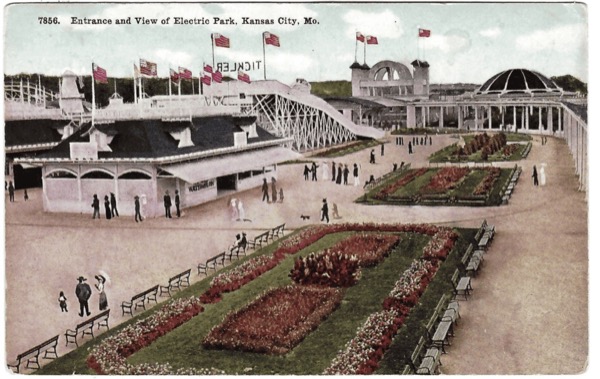
Electric Park, ca. 1900
Named for its 100,000 electric light bulbs and very much fashioned after New York’s Coney Island amusement park. From 1900 until its fiery destruction in 1925 and eventual closing in 1930, the Park was a place for Kansas City residents to play, day and night.
Bennett’s music shows the variety of music that was on the stage: a Cake Walk, A Schottische, a Western One-Step, a melancholy Wallflower Waltz, and finally, a Rag. It’s all music for showing off your finery, your fine steps, a waltz from Europe, and then the rag, a pure American product.
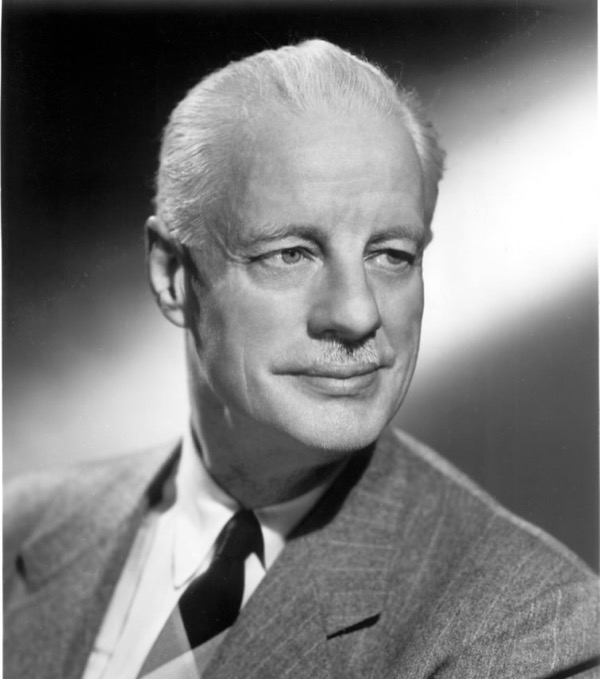
Robert Russell Bennett
Robert Russell Bennett: Suite of Old American Dances: V. Rag (Lone Star Wind Orchestra; Eugene Migliaro Corporon, cond.)
Returning to Kenneth Fuchs, his An American Place is his reflection on the ‘palette of musical sounds that have developed in the United States during the last hundred years, including popular and classical elements, and is intended to suggest the rich body of music created by the American symphonists who have come before me and from whom I continue to take inspiration’. It’s not about any particular place in America, but about Fuchs’ place in American music.
Kenneth Fuchs: An American Place (London Symphony Orchestra; JoAnn Falletta, cond.)
Michael Torke (B. 1961) wrote An American Abroad, which gives us, as the composer says, ‘We hear the natural naïvety an American might feel travelling abroad, full of wonderment and curiosity. We might expect to hear about a transformative path from point A to point B, maybe even progressing to point C. Yet the end result for listeners is more of a composite of impressions, a travel log, a slide-show of images, the lingering delight and melancholy of the romance of travel we might wish to savour in our memories’.
An American abroad (the person, not the piece) is often full of melancholy of ‘this isn’t like home’ and, at the same time, the delight and discovery of ‘this isn’t like home’. Fixed ideas of cereal for breakfast are changed to the Parisian delight of the joys of a croissant and a baguette.
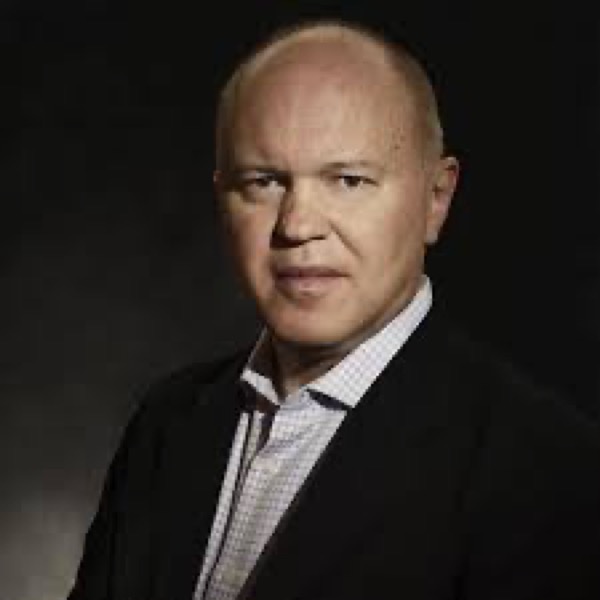
Michael Torke
Michael Torke: An American Abroad (Royal Scottish National Orchestra; Marin Alsop, cond.)
Morton Gould (1913–1996) is one of America’s underappreciated composers. In his American Ballads, written in 1976 for the American Bicentennial, commissioned by the Queens Symphony Orchestra. Gould wrote about the work that he took the familiar ‘chestnuts’ of American music, America the Beautiful and The Star-Spangled Banner, combined with Revolutionary War and Civil War–era songs, and closing with ‘the national hymn of hope and inspiration, We Shall Overcome to create the sound world of his youth.
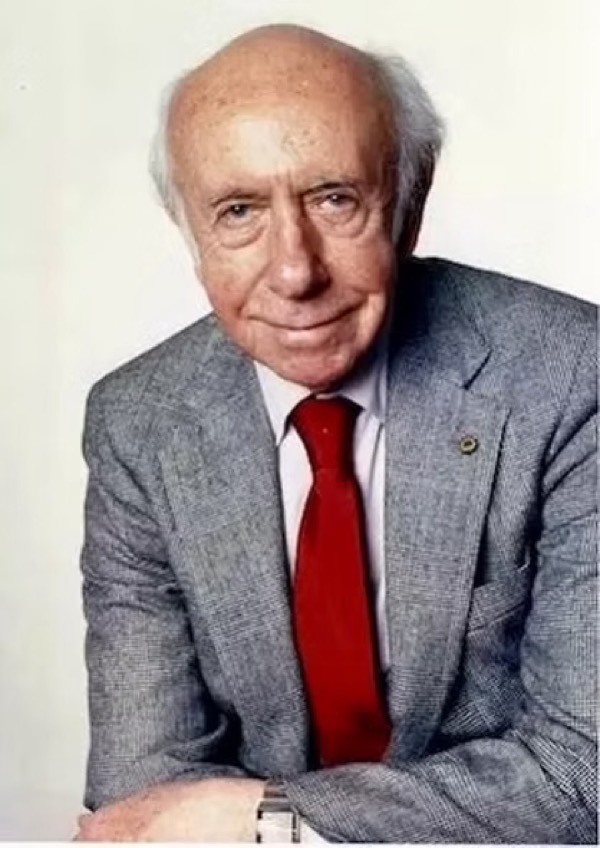
Morton Gould
Morton Gould: American Ballads: I. Star-Spangled Overture (Ukraine National Symphony Orchestra; Theodore Kuchar, cond.)
Gould’s other great American work is American Salute, which casts the Civil War–era marching song When Johnny Comes Marching Home, written by Patrick Gilmore, to create a work for WWII. Originally broadcast on the radio in 1942, the work has become one of Gould’s most performed works. Gould’s work combines classical style with jazz and popular elements to create a synthesis of serious and popular that remains unique.
Morton Gould: American Salute (Ukraine National Symphony Orchestra; Theodore Kuchar, cond.)
Preston Ware Orem (1865–1938) wrote his American Indian Rhapsody very much in the style of Liszt‘s Hungarian Rhapsodies, but in this case, he makes musical allusions to the chants of the Cheyenne, Kiowa, Sioux, Chippewa, Pueblo, and Cree tribes. We might find it a bit trite now, but it was an important link in getting native American music into the white American ear.
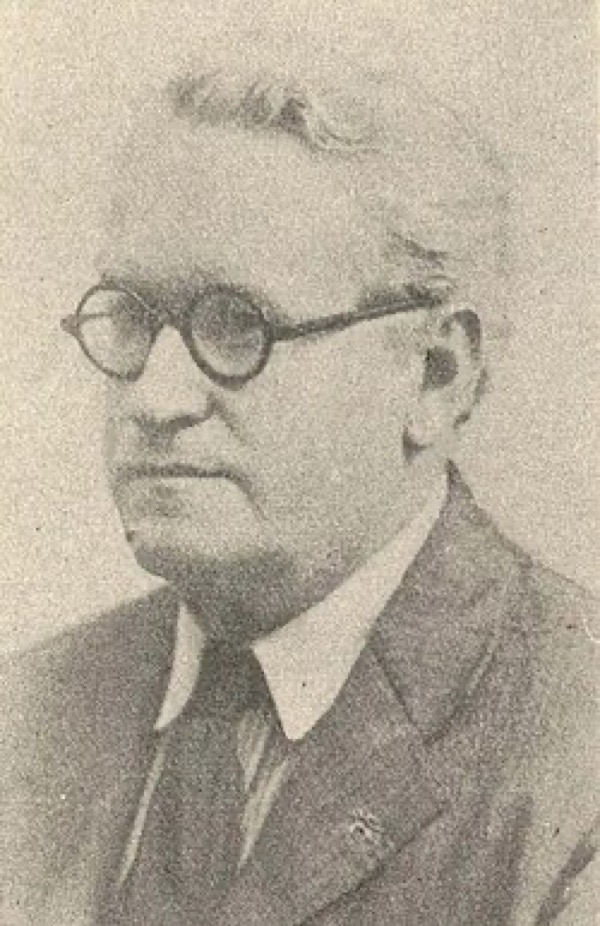
Preston Ware Orem, ca 1923
Preston Ware Orem: American Indian Rhapsody (Dario Müller, piano)
Lukas Foss (1922–2009) created his Three American Pieces first as a work for violin and piano in 1945, and then, in 1989, orchestrated it. Foss cited Aaron Copland’s influence in the work’s ‘open-air quality’. It opens with Early Song, which, after its slow start, carries the listener to a rustic dance. The middle slow movement, Dedication, uses mixed meter (duple versus triple) to give us an ‘eerie, unsettled feeling’. The work closes with Composer’s Holiday, which has more than a little in common with Stephen Foster’s Camptown Races in its inspiration. Blue’s infection, harmonic colour, rhythmic variety, and speed the movement to its close in what the composer calls ‘an exhilarating “All-American” C major cadence’.
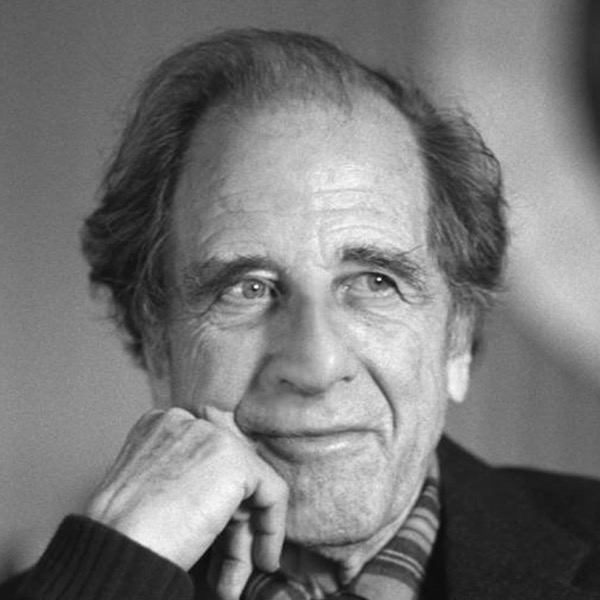
Lukas Foss
Lukas Foss: 3 American Pieces: No. 3. Composer’s Holiday (Nikki Chooi, violin; Buffalo Philharmonic Orchestra; JoAnn Falletta, cond.)
English composer Frederick Delius (1882–1934) owes his time in the United States to both the syphilis that killed him and the inspiration for music that appreciated the American landscape. His 1896 work Appalachia: An American Rhapsody, which takes the Indian name for America, Appalachia, as its title, Delius uses a negro slave song (Nelly Grey) for a set of variations. In the 1903 version (Appalachia: Variations on a Slave Song) for baritone and orchestra, there was a final sung chorus of the original song.
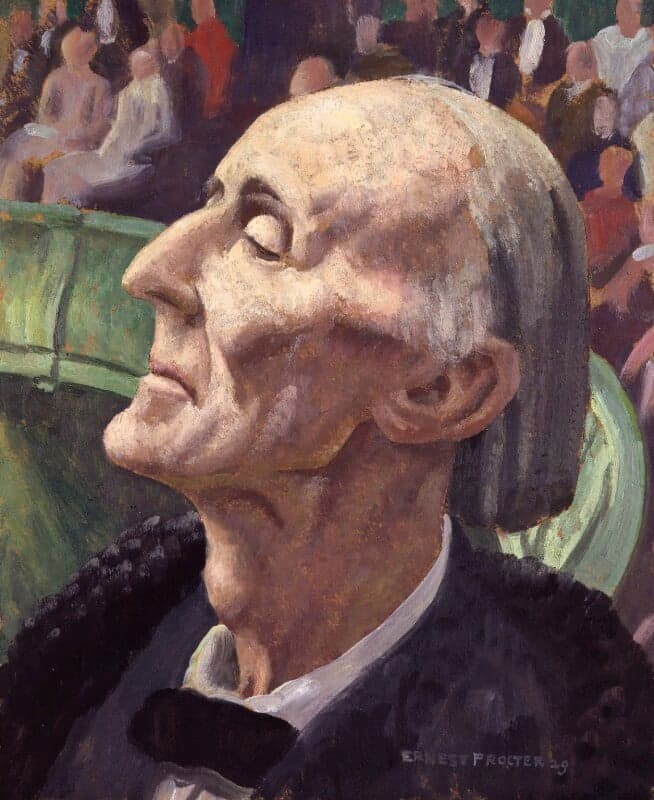
Portrait of Frederick Delius
Frederick Delius: Appalachia, American Rhapsody (Slovak Philharmonic Orchestra; John Hopkins, cond.)
William Grant Still (1895–1978) wrote his first symphonic suite while he was still at university. His American Suite, in a fit of bravado, was sent to Frederick Stock, conductor of the Chicago Symphony Orchestra, but it wasn’t performed. It finally saw the light of day in 1998, when Still’s daughter, Judith Anne Still, gave the parts to Dana Paul Perna, who created the score.
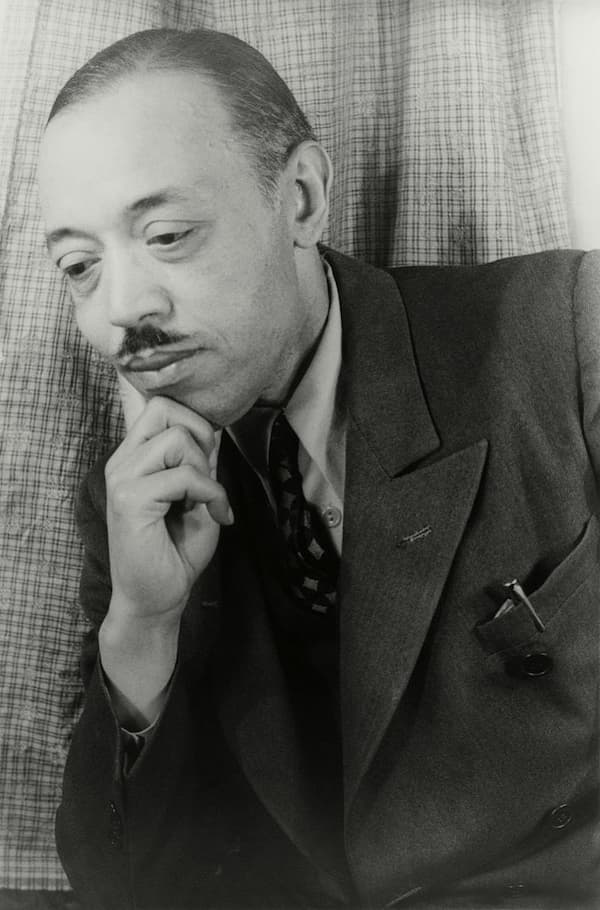
William Grant Still
William Grant Still: American Suite: II. Danse (Royal Scottish National Orchestra; Avlana Eisenberg, cond.)
Michael Daugherty (b. 1954) wrote his American Gothic inspired by the artwork of the same title by Grant Wood.
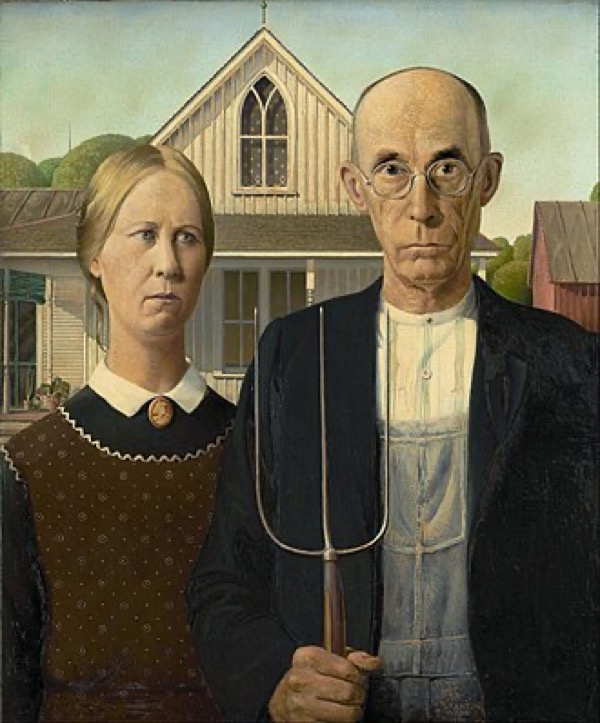
Grant Wood: American Gothic, 1930 (Art Institute of Chicago)
Wood’s 1930 painting depicts a farmer and his daughter standing in front of the Carpenter Gothic–style house. In reality, the woman was Wood’s sister Nan Wood Graham, and the farmer was Byron McKeeby, the family’s dentist. Wood first found the house (The Dibble House in Eldon, Iowa) and then imagined the people who would live there. The image has become an icon for midwestern farmers, for Americans, for conservative values, and for many other ideas. Iowans, on the other hand, were furious at being depicted as ‘pinched, grim-faced, puritanical Bible-thumpers’. None of this is in the picture, but, as Wood noted in a letter in 1941, ‘the people who resent the painting are those who feel that they themselves resemble the portrayal’.
In the final movement, Daugherty focuses on the farmer’s pitchfork and uses Wood’s reputation as a practical joker to create a very American-sounding fiddle tune.
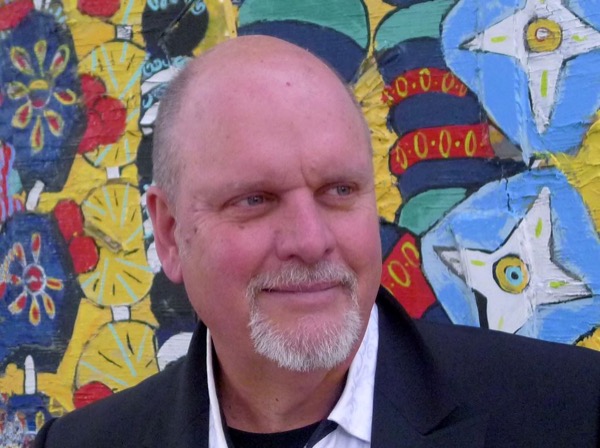
Michael Daugherty
Michael Daugherty: American Gothic: III. Pitchfork (Nashville Symphony Orchestra; Giancarlo Guerrero, cond.)
This is just a toe-in-the-water survey of the wealth of music written around the idea(s) of America. Composer after composer has sought to bring out the variety of music in America: not just the classical materials taken from Europe, but folk, popular, and dance music from many different eras. What music would you use to define your own private America? Military marches in the style of Sousa? Wide open spaces in the style of Aaron Copland. The ethnic American sounds of Bernstein? We haven’t looked at the ‘American’ music by those composers, but they certainly have an effect on this music and how we hear it.
For more of the best in classical music, sign up for our E-Newsletter