
Some composers prefer to gradually ease their listeners into their piece’s sound world. Others strike like lightning.
Today, we’re looking at the latter type of openings. Within the first 60 seconds, listeners are hooked, whether because of rhythm, volume, atmosphere, or some combination of all of the above.
We’re ranking them in reverse order, saving the most immediately arresting for last.

© Psychology Today
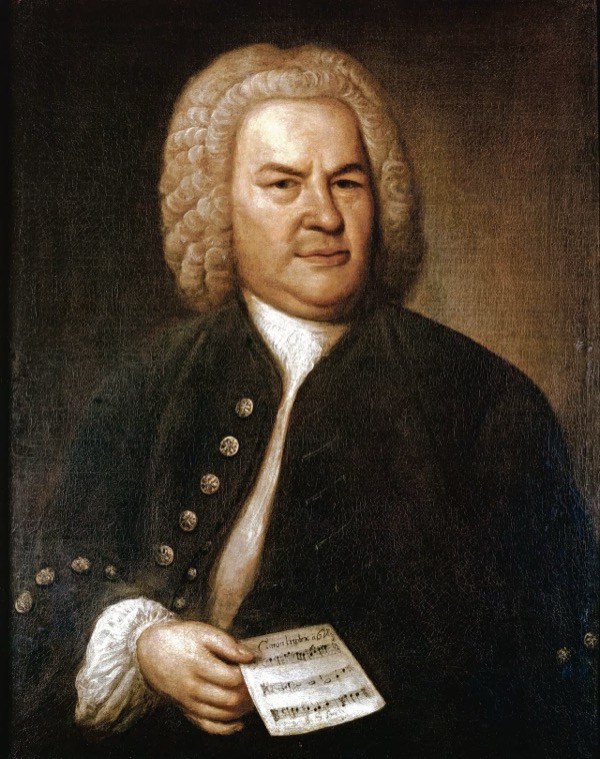
10. Johann Sebastian Bach – Brandenburg Concerto No. 3
We’re starting with the brilliant whirlwind of Baroque perpetual motion that is Bach‘s third Brandenburg concerto.
The first movement instantly launches into interlocking string patterns that feel almost modern in their rhythmic propulsion.
Instead of writing for a typical string ensemble, Bach divides the players into three groups of three, creating nine independent string lines (plus continuo).
That textured propulsion is so effective that you’re hooked and tapping your foot before you’ve had time to analyse what’s happening.
It’s not loud, but it’s striking, and the whirling rhythms immediately get stuck in your head.
9. Wolfgang Amadeus Mozart – Overture to The Marriage of Figaro
Mozart doesn’t announce himself here; instead, he sets up a murmured string motif and then starts sprinting.
From that opening string motif, the overture bursts into breathless motion, setting the stage for a world of mischief and comic chaos.
Within seconds, the energy feels theatrical. Even listening at home, you can envision the curtain of the opera house rising.
It hooks listeners through its cheeky velocity rather than its profundity – and that virtuosic speed is intoxicating.
8. Maurice Ravel – Daphnis et Chloé, Suite No. 2
This hook works differently from the others on this list. Instead of grabbing attention with a fast attack, Ravel immerses his listeners in a radiant atmosphere. It feels like sinking into a hot bath.
Ravel composed this music as a ballet, later extracting two orchestral suites from it.
The opening movement of his second orchestral suite – titled “Lever du jour” (“Daybreak”) – begins in a shimmer of sound that gradually blooms into radiant colour.
Over the first minute, the orchestra sound becomes enormous and almost painfully beautiful: luminous, layered, alive.
7. Sergei Rachmaninoff – Piano Concerto No. 2
Few openings in the repertoire feel as inevitable as the tolling piano chords here.
They begin in the solo piano part, dark and ominous and resonant, each one weightier than the last.
Within 60 seconds, the orchestral strings sweep in with a heartbreaking theme, and the emotional temperature rises dramatically.
Once that theme arrives, the emotional tenor is set, and it becomes impossible to turn away.
6. Edvard Grieg – Piano Concerto
This is considered one of the great concerto entrances in the repertoire. It features a massive timpani roll, then a cascade of piano chords.
The piano part tumbles down the keyboard in a gesture that feels both virtuosic and defiant.
After that attention-grabbing opening, Grieg immediately launches into a march that is somehow both jaunty and deeply dramatic, setting the stage for the rest of the movement.
5. Sergei Prokofiev – “Montagues and Capulets” from Romeo and Juliet
This excerpt begins with horror-soundtrack dissonance. After some unforgiving shrieking chords, the low brass and strings start stomping and swinging forward.
The rhythm is famously heavy, ceremonial, and almost brutal.
Within seconds, thanks to that tonal contrast and that forbidding rhythm, Prokofiev establishes the violent world of the ballet: proud and tense and dangerous.
4. Richard Wagner – Overture to The Flying Dutchman
Wagner‘s opera The Flying Dutchman tells the story of a cursed 17th-century ghost ship.
Writing this overture, Wagner was determined to portray the mood of a storm at sea – and he succeeded.
Stormy strings and brassy surges create immediate turbulence, imitating roaring winds and lashing waves with scrubbing tremolo bow strokes and trumpet fanfares.
3. Igor Stravinsky – The Rite of Spring
Stravinsky‘s ballet The Rite of Spring made a major splash at its riotous premiere in the spring of 1913.
It opens with a bassoon playing at the tippy-top of its register. The sound is strange, reminiscent of some kind of ancient woodwind instrument. Within seconds, you know you’re somewhere new.
By the time other instruments enter, the tension and sheer strangeness are palpable.
It’s a quieter kind of shock than some of the other pieces on this list, but historically, it’s certainly among the most disruptive 60 seconds in music history.
2. Carl Orff – Carmina Burana
There’s absolutely no warm-up here. Straight out of the gate, the chorus explodes with full force, with percussion hammering underneath.
It’s overwhelming – almost operatic in scale – and it seizes attention through sheer sonic weight and repetition.
It’s one of the most dizzying openings ever written for orchestra and chorus.
However, the opening movement that we think has the best hook in classical music history…
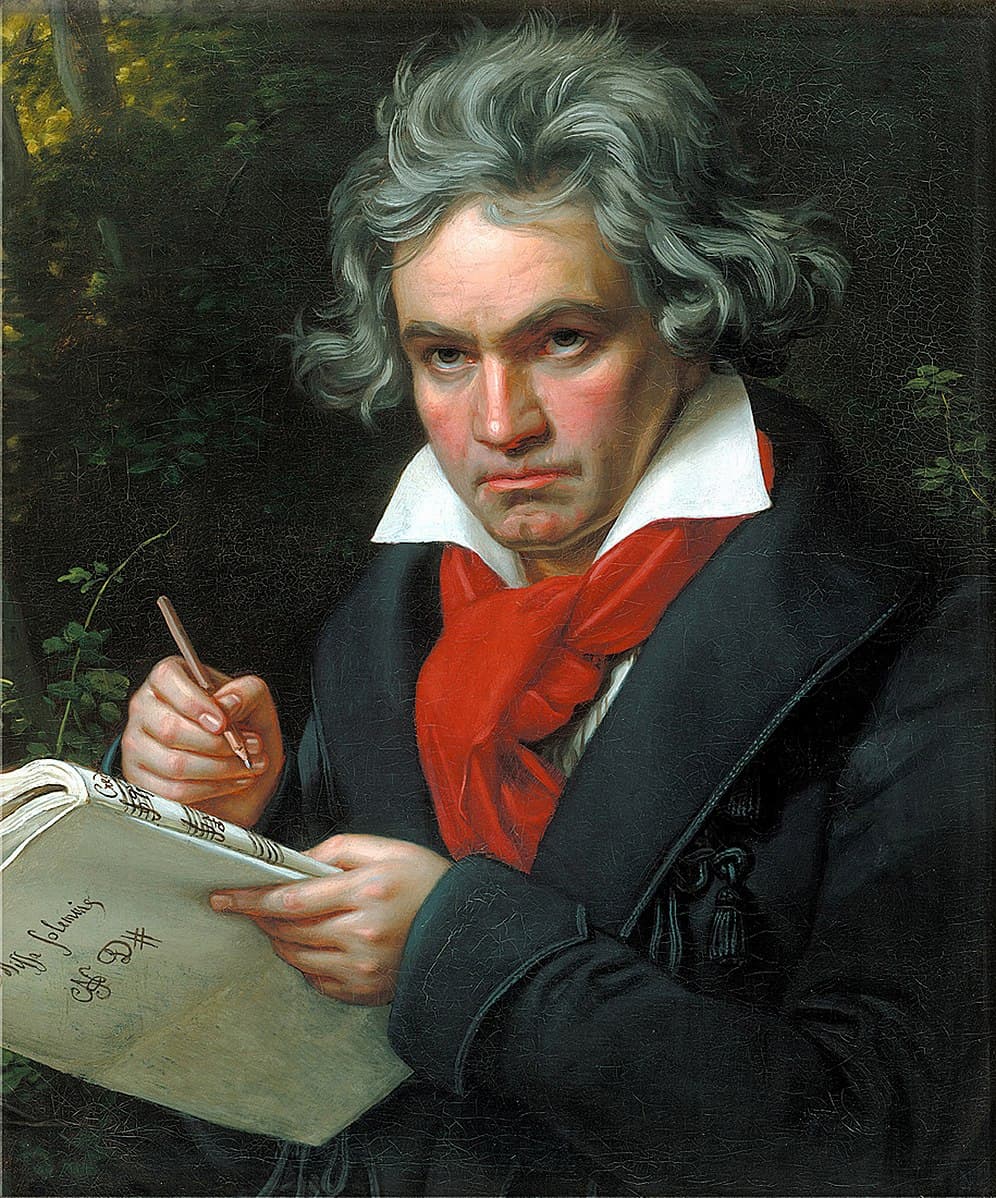
1. Ludwig van Beethoven – Symphony No. 5
Four notes. That’s all it takes. Short-short-short-long. Everyone is familiar with it, even those who have never listened to a symphony in their life.
It has since become a cultural shorthand for the idea of “fate knocking at the door.”
More than two centuries after their composition, those first seconds still feel inevitable.
Those first four notes, and the carefully crafted phrases that follow, are among the most memorable first 60 seconds ever written in classical music history.
Conclusion
Across centuries and styles, composers have found countless ways to seize our attention, whether through rhythm, colour, drama, or sheer volume.
But in these ten opening movements, one thing is clear.
Sometimes you don’t need an hour of classical music to be convinced. Sometimes 60 seconds – and the lightning flash of inspiration behind them – are enough.
For more of the best in classical music, sign up for our E-Newsletter





Tchaikovsky piano concerto #1?? Should be #1 or #2 in the list.
I totaly agree
Mahler’s Sixth! Wotta take-off! Made me a Mahler appreciator before I even heard of the BPO!