Wikipedia is famous for its rabbit holes: interesting links that lead to other interesting links that lead to other interesting links, and so on.
From bizarre musical superstitions to wild concert disasters, Wikipedia is full of fascinating lists, spreadsheets, and pages about classical music history – and today we’re looking at eight of the most interesting.
Happy clicking!
Curse of the Ninth
https://en.wikipedia.org/wiki/Curse_of_the_ninth
Could writing your ninth symphony kill you?
It sounds absurd, but an eerie number of great composers died after finishing their ninth symphonies, which gave rise to the superstition of the “curse of the ninth.”
Highlights from the rabbit hole:
- Mahler re-numbered his symphonies in an attempt to dodge the curse. (He still died before his tenth symphony was finished, though.)
- During Dvořák‘s lifetime, only five of his symphonies were known – but it later came out that he had indeed written nine. And yes, he died after completing the ninth, which only strengthened the superstition.
- The curse is a plot device in the sixth episode of the nineteenth season of Midsomer Murders.
We wrote an article about the major composers who wrote nine symphonies here: https://interlude.hk/which-composers-wrote-nine-symphonies-the-curse-of-the-ninth/.
List of classical music concerts with an unruly audience response
https://en.wikipedia.org/wiki/List_of_classical_music_concerts_with_an_unruly_audience_response
Classical music has a reputation for being stiff and buttoned-up, but there have been a number of performances where audiences have gotten (in the words of Wikipedia) “unruly.”
Booing, fistfights, arrests…it’s all here!
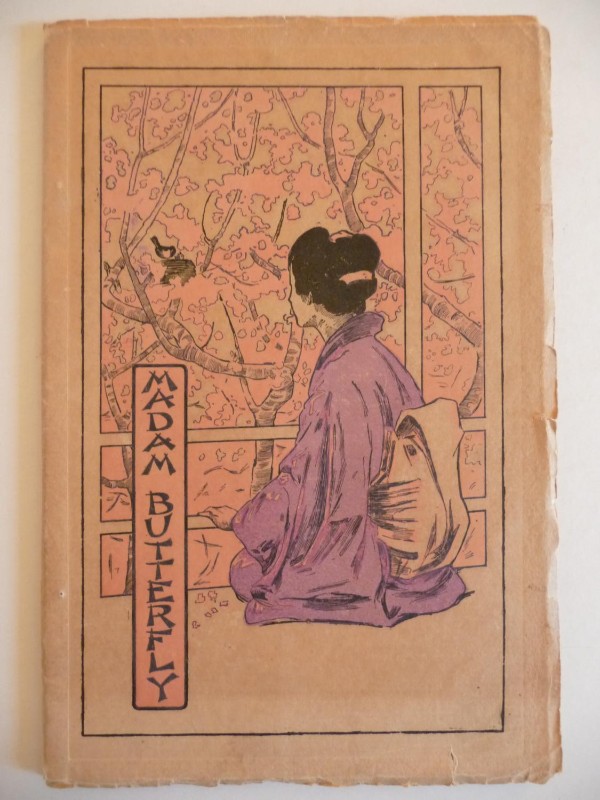
Giacomo Puccini: Madama Butterfly
Highlights from the rabbit hole:
- At the premiere of Madama Butterfly, Puccini scattered bird-whistle players throughout the auditorium to make the audience feel like they were in the middle of birdsong. The premiere didn’t go well, and the audience began making animal noises back at the whistle players in return.
- When George Antheil played his Sonata Sauvage in Paris, fights broke out a few minutes into the performance. Satie, on the other hand, was heard remarking, “What precision! What precision!”
- According to contemporary reports, over twenty audience members were arrested at the premiere of Henry Cowell‘s “Antinomy”, the fourth encore to his piano work Dynamic Motion.
Henry Cowell’s “Antinomy”
List of African-American women in classical music
https://en.wikipedia.org/wiki/List_of_African-American_women_in_classical_music
Hopefully things are changing in the 2020s, but for generations, African-American women composers, conductors, and performers have received short shrift from the classical music establishment.
This list is a powerful reminder of the brilliance and resilience of Black women who worked in an art form that was often hostile to their participation.
Highlights from the rabbit hole:
- Philippa Schuyler, a child raised as a kind of sociological experiment, became a renowned piano prodigy. We also wrote about her here: https://interlude.hk/the-child-prodigy-as-social-experiment/.
- Cornelia Lampton, the first woman to earn a music degree from Howard University, married fellow composer William L. Dawson.
- Elizabeth Greenfield was born into slavery but became the best-known African-American singer of her generation. She had a massive range and could sing works written for tenor or soprano.
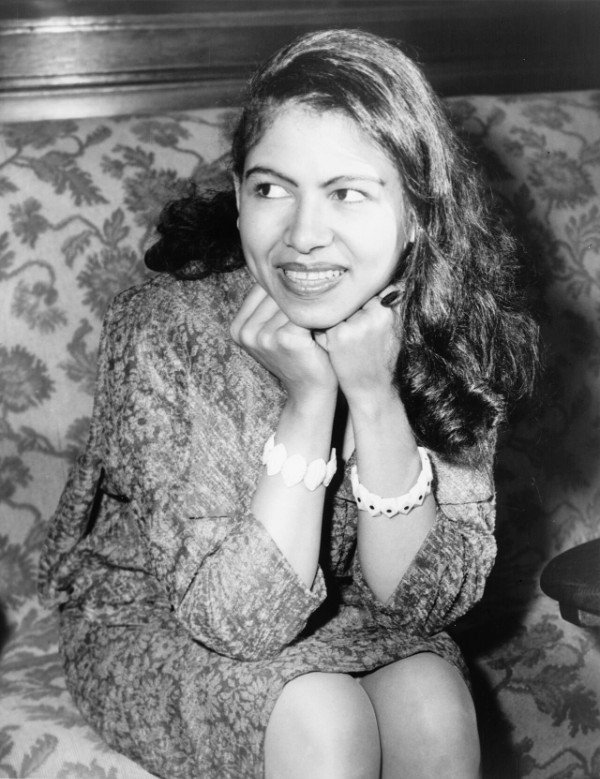
Philippa Schuyler in 1959
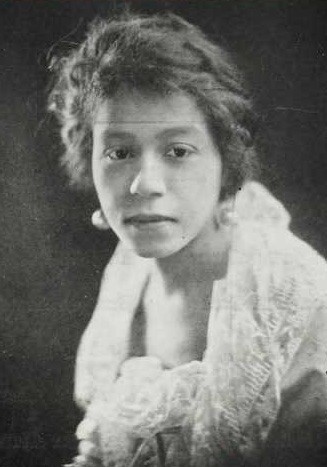
Cornella Lampton, from the 1924 Howard University yearbook.
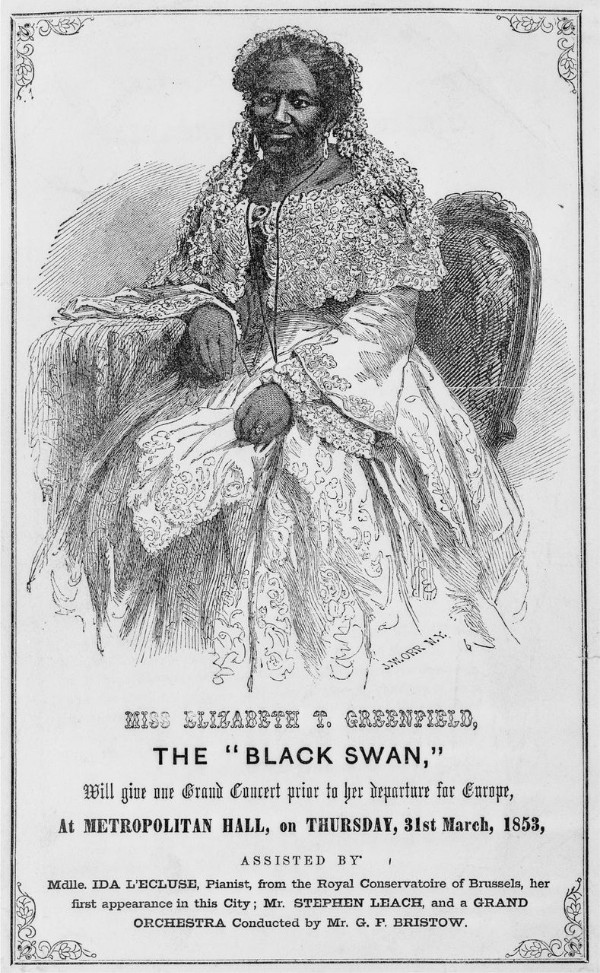
Playbill for Elizabeth Taylor Greenfield’s performance at Metropolitan Hall
List of composers depicted on film
https://en.wikipedia.org/wiki/List_of_composers_depicted_on_film
Trailer to the Chopin/Liszt movie Impromptu
This list is a gold mine for anyone who enjoys classical music movies.
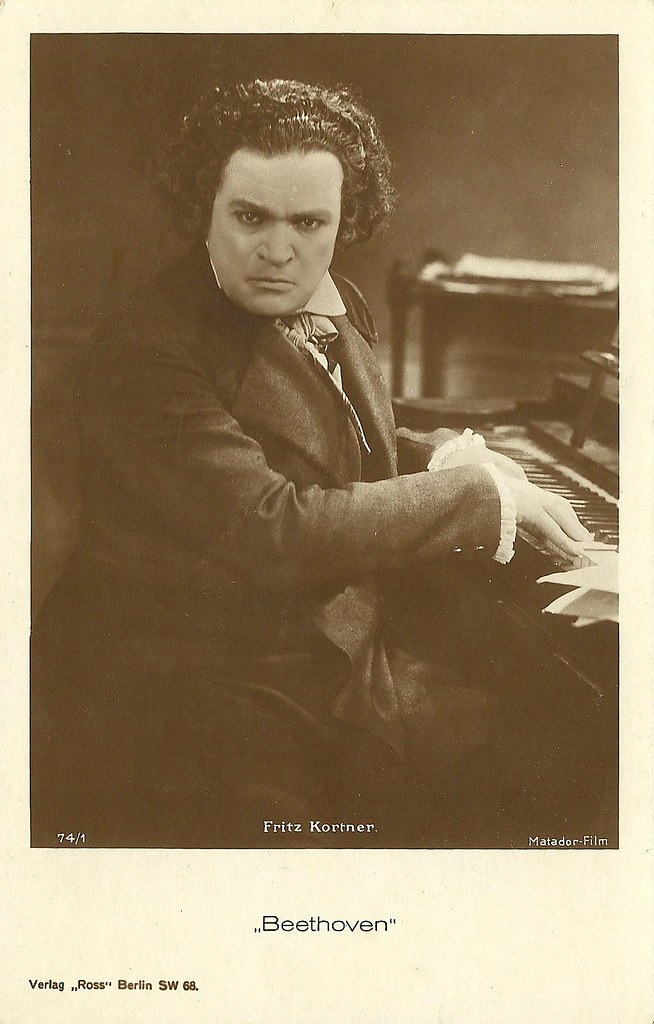
Fritz Kortner as Beethoven (1927)
Highlights from the rabbit hole:
- According to this list, at least eighteen men have played Beethoven in movies.
- Thirty-six have played Chopin!
- Curious about how many have played Wagner? Well, he has his own entire article: it’s a rabbit hole within a rabbit hole! https://en.wikipedia.org/wiki/List_of_films_about_Richard_Wagner
If you want even more suggestions, we wrote an article overviewing the best-rated classical music movies: https://interlude.hk/30-best-classical-music-movies-as-rated-by-rotten-tomatoes/.
List of composers influenced by the Holocaust
https://en.wikipedia.org/wiki/List_of_composers_influenced_by_the_Holocaust
Pavel Haas – Quintet /Tel Aviv Wind Quintet / JMC in your Livingroom
Here’s a hugely important collection of stories of composers whose contributions to music were shaped by their or their families’ experiences of the Holocaust.
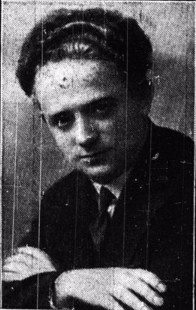
Picture of Dawid Baigelman in 1934
Highlights from the rabbit hole:
- David Beigelman was a violinist and composer who performed in orchestra concerts in the Łódź ghetto.
- Pavel Haas was a composer who worked in the Theresienstadt concentration camp.
- Karel Švenk was a cabaret songwriter who wrote a satire of the Nazis while at Theresienstadt…and died just two weeks before the end of the war in Europe.
In 2020, we published an article about how music provided invaluable hope and comfort to Holocaust victims: https://interlude.hk/exile-music-even-when-the-body-is-quelled-the-human-spirit-soars/.
List of child music prodigies
https://en.wikipedia.org/wiki/List_of_child_music_prodigies
Classical music lovers are familiar with the prodigious genius of Mozart and Mendelssohn, but this list goes deeper, charting the phenomenon of children who played, composed, and dazzled far beyond their years.
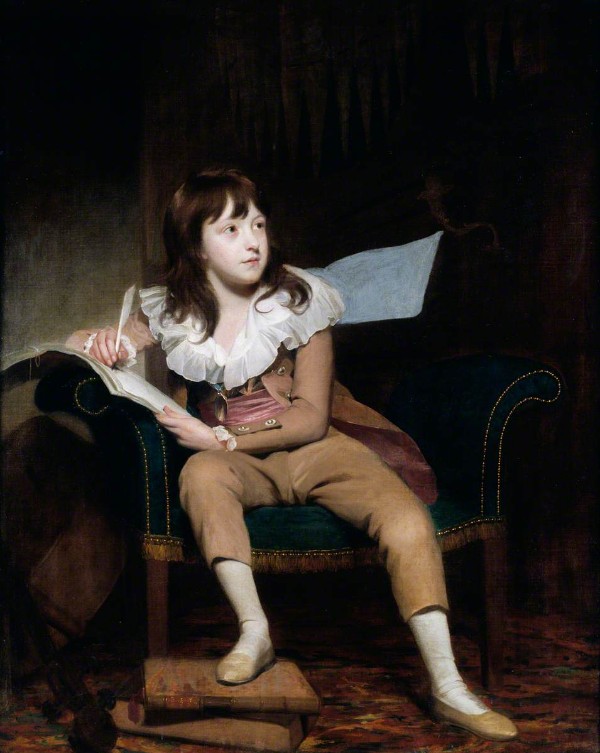
William Crotch
Highlights from the rabbit hole:
- William Crotch made his debut at the age of three on the organ of the Chapel Royal in St James’s Palace.
- Alicia de Larrocha made her international piano debut at the age of five.
- Juan Crisóstomo Arriaga wrote over a hundred works before he died as a teenager.
We wrote a series of articles about the trials and tribulations faced by child prodigies: https://interlude.hk/the-child-prodigies-of-classical-music-from-hummel-to-beethoven/.
List of longest non-repetitive piano pieces
https://en.wikipedia.org/wiki/List_of_longest_non-repetitive_piano_pieces
Sorabji: “VII. Cadenza I” from Opus Clavicembalisticum (Eric Xi Xin Liang)
Ever feel like practising for five hours straight? How about performing for five hours straight?
If you have, this list will be of interest to you.
Highlights from the rabbit hole:
- Kaikhosru Shapurji Sorabji‘s Opus clavicembalisticum takes around four hours to perform.
- Jacob Mashak’s Beatus Vir is for two pianos, but it requires three pianists because it’s eleven hours long, and the musicians have to perform in shifts.
- Matthew Lee Knowles’s For Clive Barker lasts 26 hours. (Not surprisingly, it has never been performed or recorded!)
List of burial places of classical musicians
https://en.wikipedia.org/wiki/List_of_burial_places_of_classical_musicians.
A little morbid? Maybe. But also fascinating.
This page maps where the great composers were buried: from Beethoven’s tomb in Vienna to Chopin’s heart in Warsaw.
Together, these stories show how composers’ bodies – and body parts – became objects of devotion, curiosity, and legend long after their deaths.
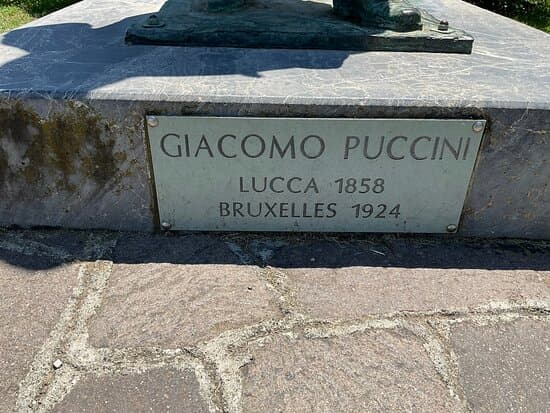
Memorial plate of Puccini
Highlights from the rabbit hole:
- Composer Peter Abelard died in 1142 and was buried with his lover. Today, people leave him notes if they’re hoping to find love themselves.
- Opera singer Julián Gayarre’s larynx was preserved after he died in 1890. It’s still on display today.
- Puccini was temporarily buried in the Toscanini family tomb after he died in 1924. Read about Puccini’s tragic death here: https://interlude.hk/on-this-day-29-november-giacomo-puccini-died/.
Final Thoughts
No matter what kind of classical music enthusiast you are, you’ll find something interesting on one of these Wikipedia pages.
Bookmark this list for the next time you mean to look up one thing – and lose an entire afternoon to classical music history.
For more of the best in classical music, sign up for our E-Newsletter