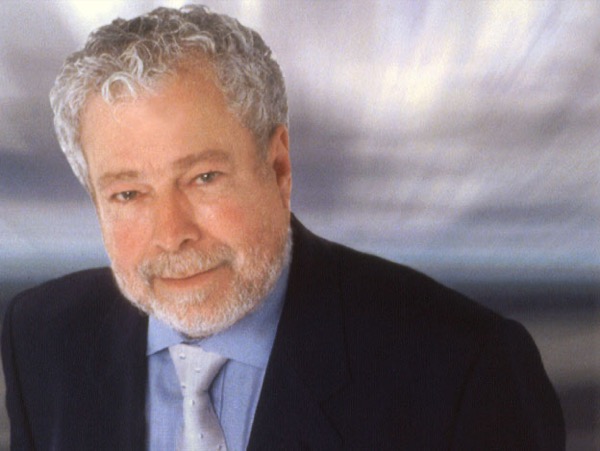
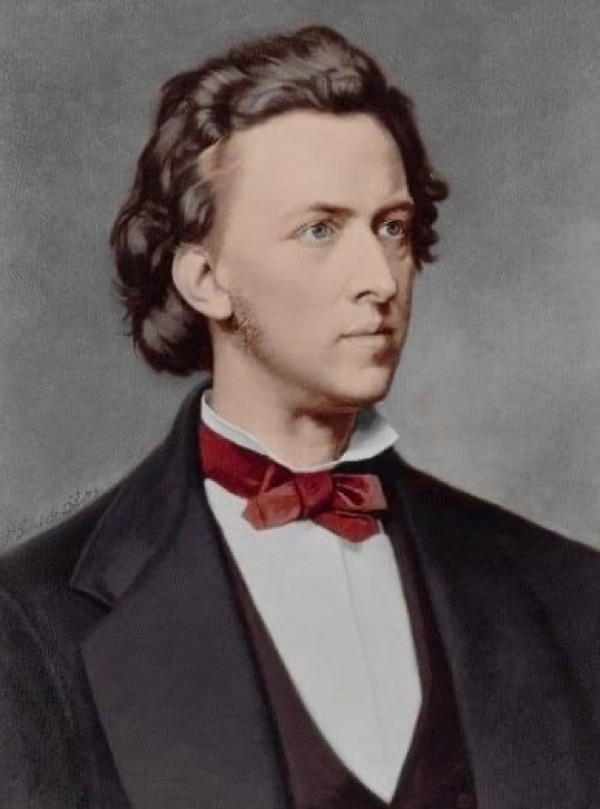
The French pianist Aldo Ciccolini was born on 15 August 1925 in Naples, Italy, but he made his home in Paris in the late 1940s. His artistry was a rare blend of precision and sensitivity, making his performances both captivating and deeply moving.
There are several reasons why Ciccolini is not habitually listed among the top pianists in the world. For one, he had a tasteful, understated style of play. This combination of humble stage demeanour and emotional restraint did not sit well in an environment obsessed with flash and bling.
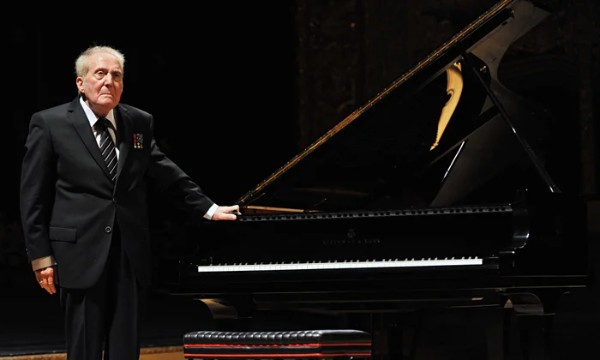
Aldo Ciccolini
Secondly, Ciccolini had a distinct fascination with neglected repertoire, championing works by Déodat de Séverac, Erik Satie, and Emmanuel Chabrier. To celebrate Ciccolini’s birthday, let us explore music rarely heard on the concert stage.
Déodat de Séverac: En Languedoc (Aldo Ciccolini, piano)
A Voice from the French Countryside
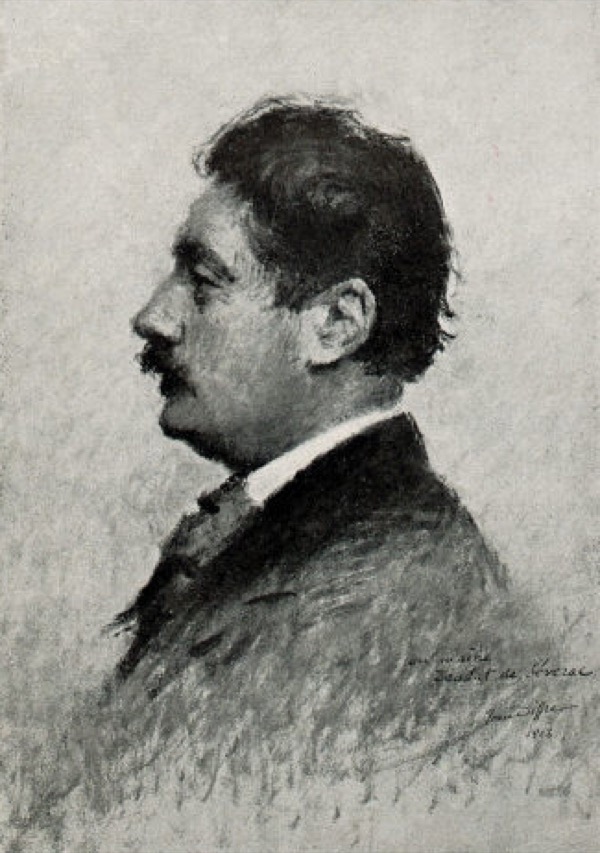
Déodat de Séverac
Marie-Joseph-Alexandre Déodat de Séverac hailed from a charming village near Toulouse. He came from a noble family with roots stretching back to the 11th century. Music became his lifelong passion, and his upbringing in Languedoc, a region of rolling hills and vibrant folk traditions, shaped him decisively.
Déodat studied composition with Vincent d’Indy and Albéric Magnard in Paris, and even worked as an assistant to the brilliant Spanish composer Isaac Albéniz. However, he wasn’t enamoured with the Parisian elite’s obsession with a centralised cosmopolitan culture.
For Aldo Ciccolini, who recorded a pioneering near-complete set of Séverac’s works in the late 1960s and 1970s, Déodat de Séverac’s music held equal value to that of Debussy and Ravel. According to Ciccolini, Séverac stood for rural and rustic France, for music drawn from village life rather than Parisian urban sophistication.
Déodat de Séverac: Cerdaña, 5 études pittoresques (Aldo Ciccolini, piano)
A Third Great French Piano Voice
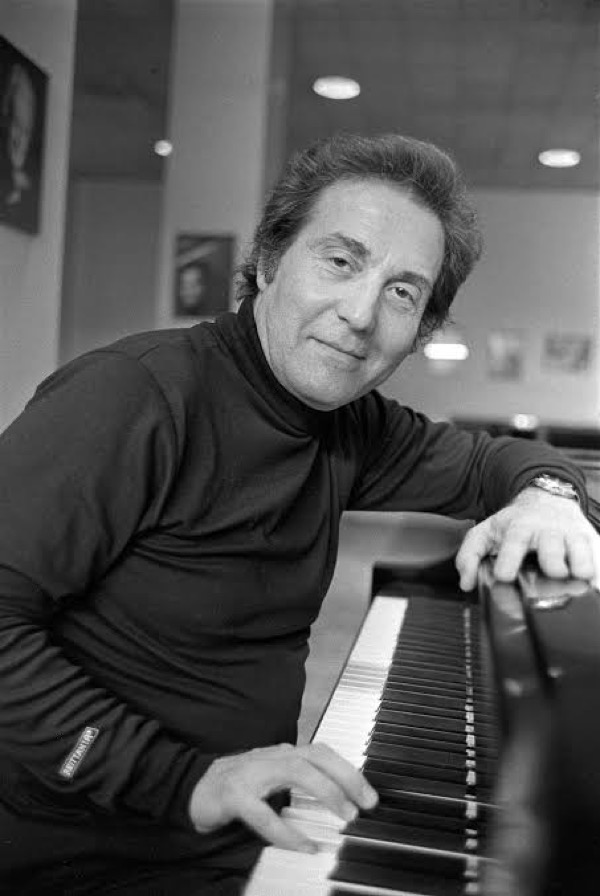
Aldo Ciccolini
Séverac’s music was all about celebrating regional identity, and his piano pieces offer vivid and evocative portraits of southern France. Impressionist harmonies and modal scales evoke an almost timeless and pastoral charm.
In 1909, Séverac eventually settled in Céret, a picturesque town in the Pyrénées-Orientales. It was a magnet for artists, including Picasso, Georges Braque, and the sculptor Manolo Hugué, who drew inspiration from the vibrant Catalan culture and landscapes.
His musical style evolved to capture the essence of the region, blending impressionistic finesse with earthy folk melodies. In a 2001 interview, Ciccolini strongly defended this overlooked composer, arguing that if Séverac had been more socially prominent in the capital, he would be recognised today as the third great French piano composer of the 20th century.
Ciccolini’s advocacy was central to Séverac’s legacy. He approached the music with the same narrative clarity and fidelity to the text as he did with his more famous contemporaries. His recordings are authoritative and stylish, bringing colour and character to each piece. It’s hardly surprising that Ciccolini’s Séverac recordings are frequently cited as key contributions to the French repertoire revival.
Erik Satie: 3 Gymnopédies (Aldo Ciccolini, piano)
Bringing Satie to the World
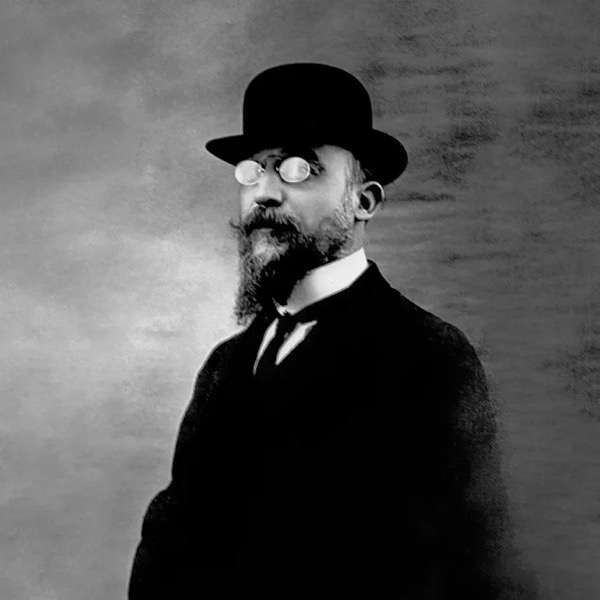
Erik Satie
Over the course of his career, Aldo Ciccolini played thousands of recitals and left a legacy of over 100 recordings. Among them, his recordings of Erik Satie’s piano works in the 1960s are widely regarded as definitive and transformative.
In fact, his revival and popularisation of Erik Satie’s music was even more prominent than that of Déodat de Séverac. He made an early album of Satie’s piano music in 1956, and between 1963 and 1970 he recorded his first nearly complete set of Satie’s solo piano works for EMI. He made a second integral recording in the 1980s.
His recordings played a pivotal role in reviving interest in Satie’s music, helping to bring the work of an often-dismissed eccentric composer to wider public awareness. Ciccolini viewed Satie as a profound innovator, suggesting that while Debussy revolutionised music, Satie made the greatest impact because he wrote music for himself.
Erik Satie: 3 Gnossiennes (Aldo Ciccolini, piano)
A Prophet in Simplicity
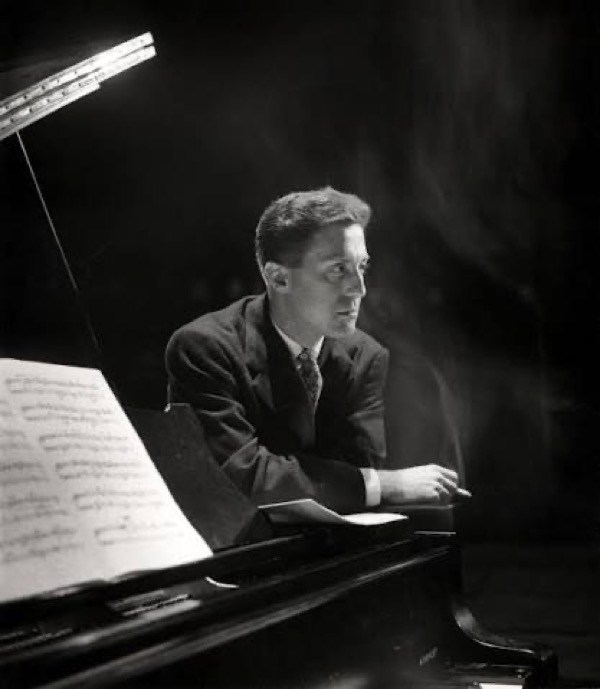
Aldo Ciccolini
Above all, Ciccolini admired Satie’s non-systematic approach and his intuitive harmonic innovations. He once remarked that there was no system at all in Satie. It was a simple search that arose naturally, and there are sensations and harmonic aggregations that have yet to be explored today.
Ciccolini saw in Satie’s simplicity a profundity that protected against showy performance. That is why, according to Ciccolini, Satie composed so little. What he wrote was essential and of extraordinary quality.
Ciccolini often referred to Satie as “a prophet,” and as a pianist he uniquely balanced Satie’s whimsical and minimalist style with profound emotional depth. His articulation is always pristine, and everything unfolds with crystal-clear precision. His controlled dynamics and subtle pedalling create a delicate balance.
The early recordings were hailed as revelatory, and Ciccolini’s interpretations were hailed as triumphs of artistic insight. His playing uncovered emotional and intellectual depth beneath a deceptively simple surface. There is a famous story that an EMI director initially expected only 200 copies to be sold. In the event, they sold 4,000 in a week.
Emmanuel Chabrier: España (arr. C. Chevillard for piano) (Aldo Ciccolini, piano)
Beyond Hierarchies
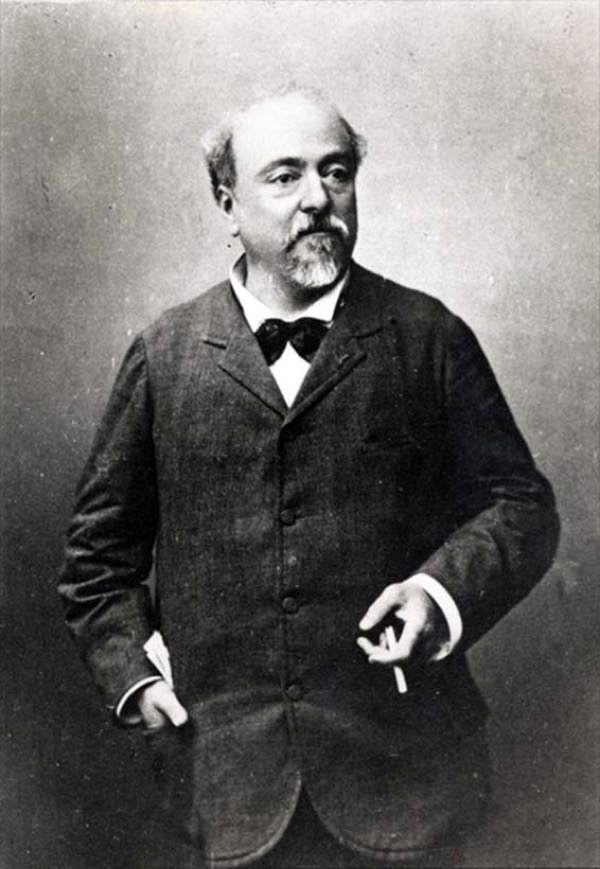
Emmanuel Chabrier
Francis Poulenc described the music of Emmanuel Chabrier (1841-1894) as an “inexhaustible treasure.” Some contemporaries considered him the “most astonishing, eccentric and prodigious pianist one could ever encounter,” and Vincent d’Indy added, “despite his over-fat fingers and a certain awkwardness in his bearing, he was capable of reaching heights of finesse and a maximum of expression which very few pianists have surpassed.”
Not everybody was enamoured, however, and Claude Debussy, referring to the 10 Pièces pittoresques, sarcastically suggested that the work “categorises things which have nothing to do with what the world represents exactly.”
For Ciccolini, Chabrier was part of a group of overlooked French masters, all of whom he defended as equals. In interviews, he rejected the idea of “minor” or second-rate composers, instead suggesting that they were of equal status.
Ciccolini saw French music as a rich tradition without artificial hierarchies, and Chabrier was part of his mission to showcase the full spectrum of French piano music. His recordings appeared on dedicated albums and larger repertoire collections, focusing on the qualities that bridge Romanticism with the emerging French modernity.
For more of the best in classical music, sign up for our E-Newsletter
Emmanuel Chabrier: 10 Pièces pittoresques (Aldo Ciccolini, piano)