Anatolia includes most of the area now known as Turkey and, over the centuries, has served as a meeting point for Europe, Asia, and the Middle East. The combination of these various cultures has had a wide influence on the country’s music. In the past hundred years or so, Turkish composers have taken the traditional melodies and rhythms of Anatolia and transformed them into a vibrant classical tradition. Rather than regarding folk music as something belonging to the past, they have found new ways to bring it to life through Western classical styles. The music produced in this way is unmistakably Turkish yet also appeals to a broad audience.
When the Turkish Republic was founded in 1923, it accelerated the modernisation of the country’s music scene and promoted a new national style. Even before that, Western influences had begun to appear in the late Ottoman years, but the Republic took things further by encouraging a blend of Western classical music and Turkish traditions. Composers began to use folk songs, modal sounds, and the uneven rhythms called aksak. These rhythms, like 5/8 and 9/8, group beats in unusual ways and give the music its special feel. By weaving these ideas into Western forms and writing for orchestras and chamber groups, early Republican composers brought Anatolian traditions into the concert hall. They laid the groundwork for modern Turkish classical music.
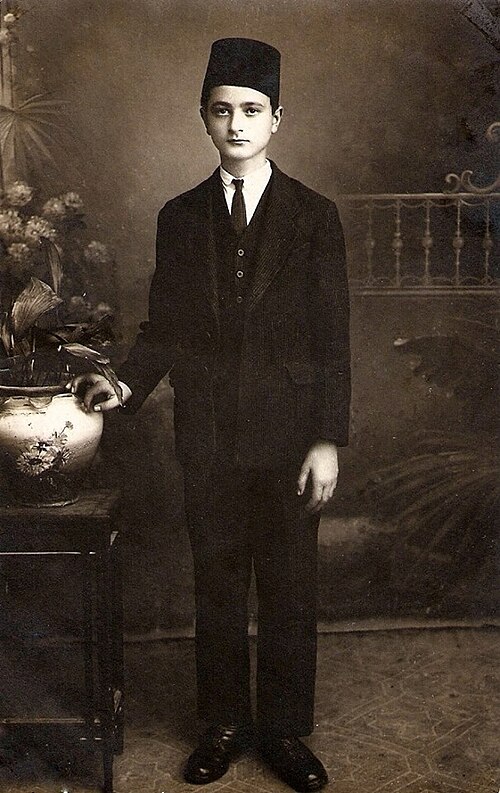
Saygun in his youth
Ahmed Adnan Saygun (1907–1991) was one of the most important figures in Turkish classical music. As a member of the well-known “Turkish Five,” Saygun believed that folk music was central to a nation’s artistic identity. His work with Béla Bartók during Bartók’s famous 1936 research trip in Anatolia strengthened Saygun’s lifelong interest in Turkish folk music, both as a composer and as an ethnomusicologist.
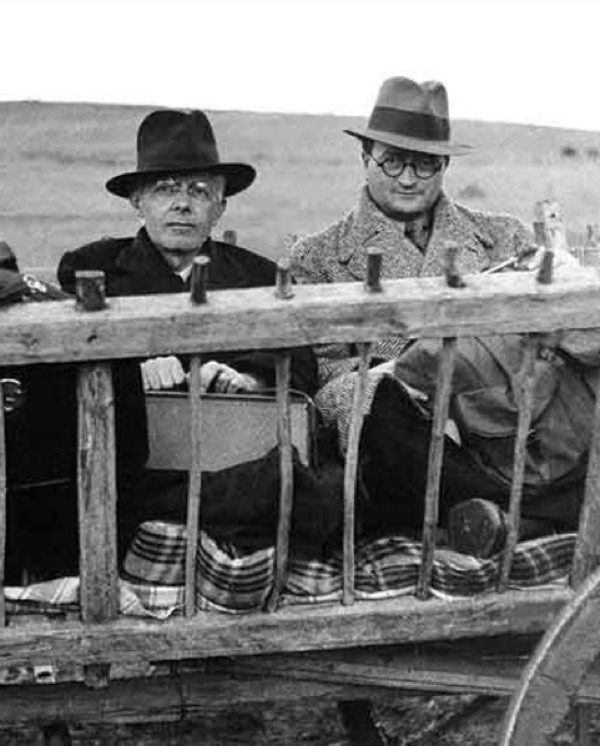
Bartók and Saygun
This connection between folk tradition and concert music is particularly evident in Anadolu’dan (From Anatolia), Op. 25, composed in 1945. The opening movement, Meseli, exemplifies Saygun’s approach to Anatolian musical material. Drawing on elements of Turkish musical language, Saygun incorporates modal and rhythmic characteristics, including the limping 9/8 aksak rhythm, with Western art music. Meseli illustrates his broader effort to bring the musical traditions of Anatolia into a modern polyphonic repertoire while preserving their distinctive character.
Ulvi Cemal Erkin (1906–1972), also part of the “Turkish Five”, was another key figure. His music often features lyrical melodies, strong rhythms, and rich orchestration. In piano pieces like Duyuşlar (“Impressions”), he shows how folk influences can become refined concert music. Along with Saygun, Erkin helped create the foundation for later Turkish composers.
As Turkish classical music developed, later generations of composers began seeking more personal ways to express their cultural identity, rather than simply building a national style. Modern composers still draw on Turkey’s musical traditions, but they also experiment with new harmonies, different playing techniques, and fresh ways of shaping their music.
The ongoing interplay of past and present is evident in the music of Özkan Manav (born in 1967). His piece Three Turkish Folk Songs for cello and piano shows how traditional music can be changed by modern composition. For example, the third movement, Leblebi, is based on a vibrant folk song originating in central Anatolia, traditionally performed by women through both singing and dance. Manav reimagines the folk tunes through creative harmonies, varied textures, and expressive contrasts.
Hasan Uçarsu, born in 1965, brings a different take on the connection between memory and modern music. His piece Masal “Unutulmuş Zamanlardan Kalanlar” (“Fairy Tale: Remnants from Forgotten Times”) is written for four mandolins and explores the distinctive sonority of an instrument closely associated with Turkish musical life. Lasting just over two minutes, the work creates a compact musical world in which the bright, plucked sound of the mandolins lends the music a nostalgic feeling, as the title suggests.
Among the younger generation, Onur Özmen brings another idea to contemporary Turkish composition. His Op. 34 Bahar Türküsü (“Spring Song”), composed in 2017 for viola and piano or cello and piano, offers an intimate chamber-music setting while reflecting the lyrical character suggested by its title.
Any account of Turkish classical music in today’s world must include Fazıl Say (born in 1970), one of Turkey’s most well-known musicians worldwide. As a competent pianist and composer, he has introduced Turkish-inspired music to audiences worldwide. The music that he produces combines classical music, jazz, improvisation, and Turkish folk traditions; for instance, in Black Earth (Kara Toprak), which is based on the famous folk musician Âşık Veysel, Say transforms traditional sounds and styles into a strong modern musical language.
The history of Turkish classical music is characterised by a vibrant blend of Eastern and Western elements, the old and the new, and tradition and innovation. From the early compositions of the Turkish Five to the work of many contemporary composers, each generation has found new ways to reinterpret the sounds, rhythms, and traditions of Anatolia.
For more of the best in classical music, sign up for our E-Newsletter