If you love the music of Hans Zimmer, you already love classical music. You just might not know it yet.
Zimmer’s cinematic scores for blockbusters like Gladiator, Interstellar, Inception, Dune, Sherlock Holmes, and others may feel modern, but their musical ancestry can be traced back more than a century, to the height of the Romantic era in classical music history.
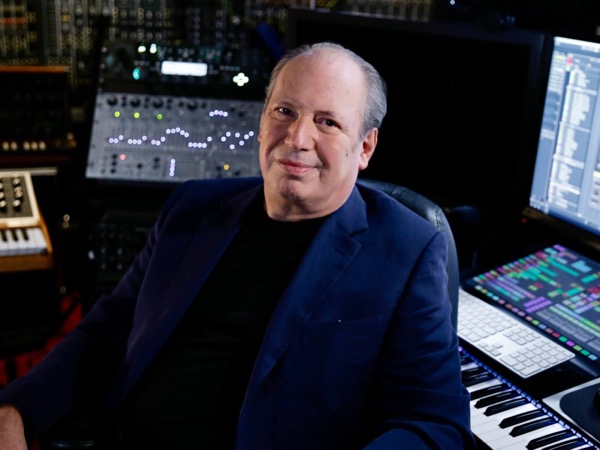
Hans Zimmer
Today, we’re looking at what classical music to listen to if you want to hear where Hans Zimmer’s inspiration came from.
If You Love Gladiator, Listen to Holst’s “Mars” from The Planets
Pair with “The Battle” from Gladiator
Hans Zimmer: Gladiator: “The Battle” (The Lyndhurst Orchestra; Gavin Greenaway, cond.)
Relentless repeating phrases. Menacing percussion. Brass that sounds more militaristic than noble. Rhythmic brutality and dazzling orchestral colour.
These were just a few of the techniques that English composer Gustav Holst used when writing the “Mars” movement of his landmark orchestral suite The Planets.
Now listen to Zimmer’s track “The Battle” from Gladiator. The rhythmic engine works the same way: repetition builds dread, and the orchestra seems to transform into a machine.
The psychological effect – a kind of mechanised inevitability – immediately calls Holst to mind.
In fact, in 2006, the Holst Foundation filed a lawsuit, pointing out the similarities between the Gladiator soundtrack and Holst’s “Mars.”
However, Zimmer was far from the first film composer to take inspiration from The Planets, and the case was eventually settled out of court.
If You Love Gladiator, Listen to Prokofiev’s “Battle on the Ice” from Alexander Nevsky
Pair with “Barbarian Horde” from Gladiator
Hans Zimmer: Gladiator: “Barbarian Horde” (The Lyndhurst Orchestra; Gavin Greenaway, cond.)
Soviet composer Sergei Prokofiev wrote this music for the war film Alexander Nevsky in 1938, so it already has cinematic roots.
Prokofiev deploys low brass parts as strategically as a general deploying weaponry, along with spiky string parts and a relentless driving rhythm (again, much like Holst).
Compare this Prokofiev excerpt to Zimmer’s “Barbarian Horde” track from the Gladiator score. Both scores rely on aggressive rhythms, cinematic pacing, and deafening dynamics to portray battle.
Thanks to the percussion, the sound becomes physical, pushing moviegoers into their seats as the violent drama of each film’s story plays out on screen.
Prokofiev’s film writing helped to create the foundation that modern film composers like Zimmer continue to build on today – nearly a century later.
If You Love Interstellar, Listen to Pärt’s “Fratres”
Pair with “Cornfield Chase” from Interstellar
Hans Zimmer: Interstellar: “Cornfield Chase” (Cameron Carpenter, organ; Rahel Senn, piano; North German Radio Philharmonic Orchestra; Michael England, cond.)
Zimmer’s “Cornfield Chase” from the film Interstellar uses repeating motifs that gradually grow in intensity. It feels spiritual, spacious, and, importantly, inevitable.
Minimalist composer Arvo Pärt’s work Fratres achieves something similar, albeit in a more austere fashion. But, similar to the Interstellar score, the harmonies remain simple, and the texture is sparse.
In Interstellar, Zimmer takes inspiration from the minimalist style that composers like Arvo Pärt and Philip Glass helped to establish.
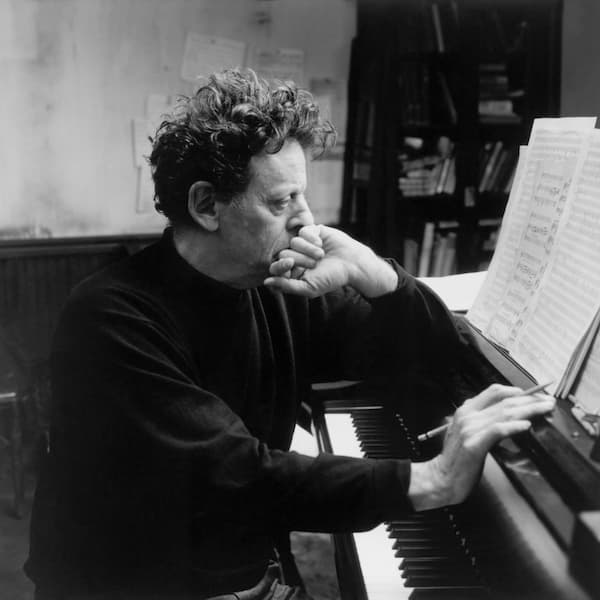
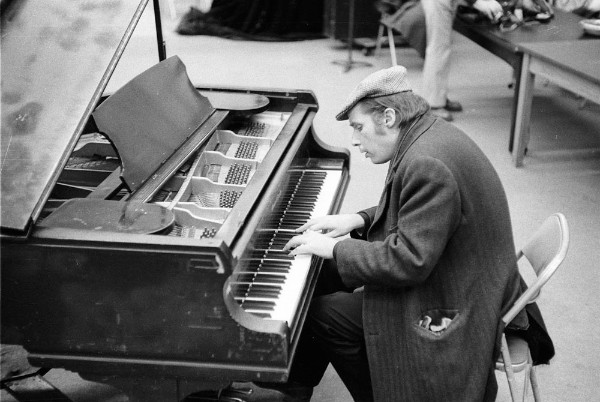
Philip Glass
The emotion here doesn’t come from the melody. Instead, it comes from Zimmer’s simple motifs playing with time and tempo, creating a suspended and otherworldly atmosphere, floating far above the pull of gravity. It sounds spiritual.
If You Love Inception, Listen to the Adagio from Bruckner’s Symphony No. 8
Pair with “Time” from Inception
Hans Zimmer: Inception: “Time” (Rusanda Panfili, violin; Eliane Correa, piano; Vienna Radio Symphony Orchestra; Martin Gellner, cond.)
“Time” is made up of a series of motifs that slowly stack and widen. Like the Interstellar soundtrack, the music grows from repeated motifs and its fundamental structure, not its melody.
Composer Anton Bruckner pulls a similar trick in the adagio from his Eighth Symphony, which many listeners have compared to a cathedral in sound. Long crescendos unfold gradually, while brass chorales emerge from layered strings.
The emotional power here comes from the way the music continually expands, creating the feeling of new worlds unfolding or of a viewer seeing new views from inside a cathedral.
Bruckner builds emotional impact the way a cathedral rises – through creating vast arches of sound that support more and more weight over time.
Zimmer’s harmonic language is simpler than Bruckner’s. But structurally, at least, the resemblance between the two here is striking.
If You Love Dune, Listen to Glass’s Koyaanisqatsi
Pair with “A Time of Quiet Between the Storms” from Dune
Hans Zimmer: Dune, Part II Suite: “A Time of Quiet Between the Storms” (Odessa Orchestra and Friends; Gavin Greenaway, cond.)
“A Time of Quiet Between the Storms” from Dune: Part Two is yet another Zimmer score that relies on repetition to create an emotional impact.
It feels more like an accompaniment to hypnosis in stasis than music that is charting any kind of rapidly advancing narrative.
Philip Glass’s score for the documentary film Koyaanisqatsi operates in a similar way. Repeating patterns shift incrementally; harmonies evolve gradually; emotion builds through repetition.
Zimmer’s otherworldly, desert-inspired minimalism calls to mind Glass’s work.
If You Love The Crown, Listen to Elgar’s Symphony No. 1
Pair with the theme from The Crown
Hans Zimmer didn’t write the soundtrack for The Crown, but he did come up with its earworm of a title theme: grand and noble – but restrained. It’s a sonic portrait of majesty being weighed down by the weight of the eponymous crown.
Edward Elgar (1857–1934) is the most famous British composer of his generation. He was active in the late nineteenth and early twentieth century, and became the musical voice of the last days of the British empire. It makes sense that Zimmer would turn to him for inspiration for this particular project.
Elgar’s first symphony, finished in 1908, opens with a broad, dignified theme that feels both weighty and uniquely British – much like Zimmer’s theme to The Crown. The pulsing lower strings in the Elgar are especially reminiscent of The Crown’s title theme.
Another buttoned-up but deeply emotional British inspiration may have been Elgar’s “Nimrod Variation” from the Enigma Variations.
Edward Elgar: “Enigma” Variations, Op. 36: “Nimrod” (Slovak Radio Symphony Orchestra; Adrian Leaper, cond.)
If You Love Sherlock Holmes, Listen to Shostakovich’s Waltz No. 2…
…And Monti’s Csárdás
Pair with Sherlock Holmes
Hans Zimmer: Sherlock Holmes Suite: “Part II” (Odessa Orchestra and Friends; Gavin Greenaway, cond.)
Zimmer’s scores for the Sherlock Holmes movies are unlike his other works. First off, they sound very different, especially with their prominent zither parts. But there’s no minimalism here: instead, they’re energetic, ironic, and slightly off.
Zimmer creates an instantly recognisable musical language for Guy Ritchie’s films about the great detective.
Dmitri Shostakovich’s Waltz No. 2 offers a similar mood to the Holmes themes: theatrical, a little grotesque and sarcastic, and – you guessed it – slightly off-kilter.
Vittorio Monti’s Csárdás is a famous showpiece for violin (remember that Sherlock Holmes was, of course, perhaps the most famous fictional violinist in literature). The Csárdás features abrupt tempo shifts and folkish flare – just like Zimmer’s score to the Holmes movies.
Mix together Shostakovich and Monti, take a few sips of alcohol, and you can see exactly where Zimmer got the inspiration for the Sherlock Holmes franchise, with its spirit of Victorian grit, mischief, and dark humour.
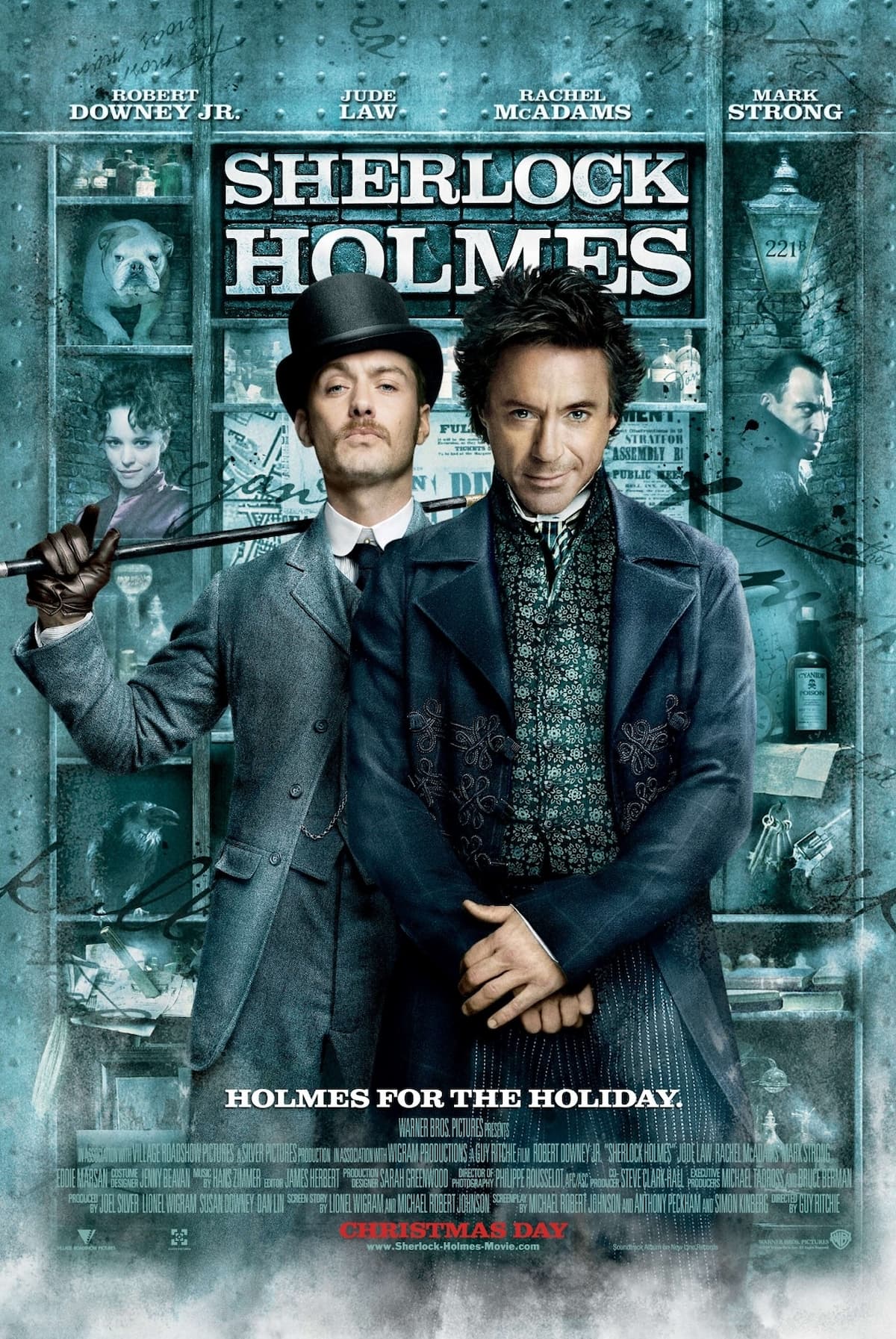
Sherlock Holmes (2009 film)
How Has Hans Zimmer Been Inspired by Classical Music?
Hans Zimmer stands in a long tradition of composers who understand that orchestral sound can shape emotion as powerfully as any dialogue or image.
Of course, strictly speaking, Zimmer doesn’t copy the work of classical composers. But he certainly takes heavy inspiration from many of them.
Whether he is employing mesmerising repetition, deafening brass fanfares, long phrases and crescendos, noble British restraint, or drunken-sounding dance rhythms played on the zither, Zimmer has drawn from the work of generations of classical composers to create his renowned soundtracks.
So if you love the soundtracks of Hans Zimmer, know that when you start exploring classical music on your own, you’re not stepping into an unfamiliar world. You’re just discovering where the seeds of Zimmer’s Oscar-winning ideas began.
For more of the best in classical music, sign up for our E-Newsletter