Some masterpieces reshape music history over the course of an hour. Others can do it in a few minutes.
The greatest composers have an uncanny ability to compress entire worlds into small spaces: a prelude that feels like a cathedral, a motet that suspends time, a piano miniature that captures an entire universe of grief.
Today, we’re looking at some examples. Here are some of the best short works by the great composers.
Johann Sebastian Bach – Prelude in C Major from The Well-Tempered Clavier, Book I
Few pieces are as deceptively simple as this opening prelude from Bach‘s Well-Tempered Clavier.
Built almost entirely from flowing broken chords, the music unfolds with a serene inevitability. There are no fireworks, just harmonies moving forward with quiet confidence.
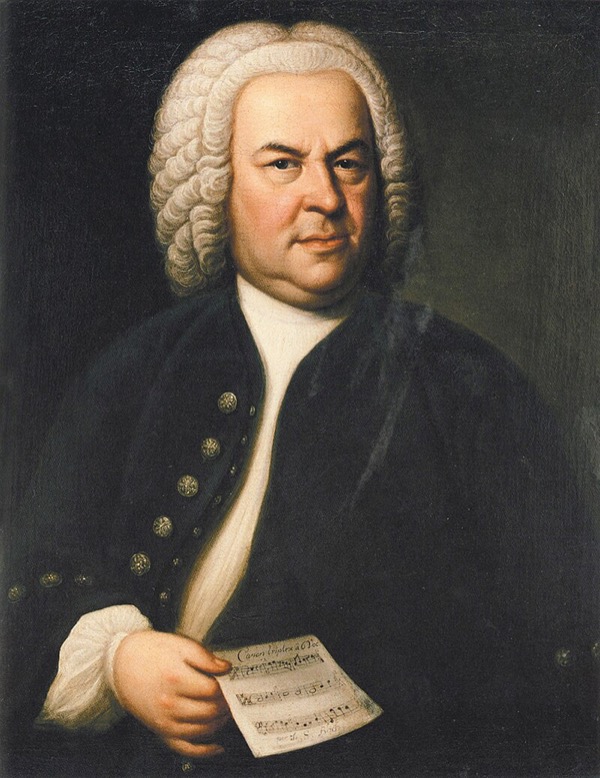
Elias Gottlob Haussmann: Johann Sebastian Bach, 1748 (Leipzig: Bach-Archiv)
Yet within two minutes, Bach creates a sense of architectural balance so complete that another composer, Charles Gounod, later layered a melody on top to create his famous “Ave Maria.”
It’s a reminder that profundity doesn’t require complexity – or length.
Wolfgang Amadeus Mozart – Ave verum corpus
Written just months before his death, this four-minute motet distills Mozart‘s sacred style to its essence.
The harmonies are gentle but luminous, unfolding with serene inevitability.
In a scant 46 measures, Mozart achieves a spiritual awe that many composers spend entire masses trying to find.
Ludwig van Beethoven – Rage Over a Lost Penny
Beethoven is often associated with titanic symphonies and stormy sonatas. But this brief rondo shows his mischievous side.
Virtuosic, breathless, and slightly unhinged, “Rage Over a Lost Penny” feels like a comic outburst. Sudden dynamic contrasts and tumbling passagework make the piece feel barely contained.
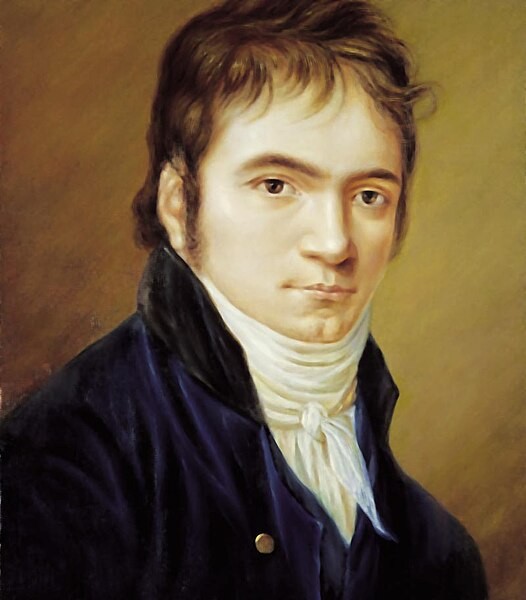
Christian Horneman: Ludwig van Beethoven, 1803 (Beethovenhaus Bonn)
The title wasn’t Beethoven’s, but it fits: the music whirls and sputters with the manic energy of someone being driven mad by an inconvenience.
Frédéric Chopin – Prelude in E Minor, Op. 28, No. 4
At barely two minutes long, this prelude feels like a confession.
The left hand descends in quietly desperate, repeated chords. Meanwhile, the right hand sings a restrained, sorrowful melody. The climax is dark but resigned.
Chopin compresses an entire Romantic emotional arc into a miniature: intimate, fragile, and devastating.
Johannes Brahms – Intermezzo in A Major, Op. 118, No. 2
Late in his life, Brahms wrote some of his most personal music, and this Intermezzo is among those pieces.
This solo piano work is tender without being sentimental. Its rocking rhythm and warm harmonies create a feeling of nostalgic reflection.
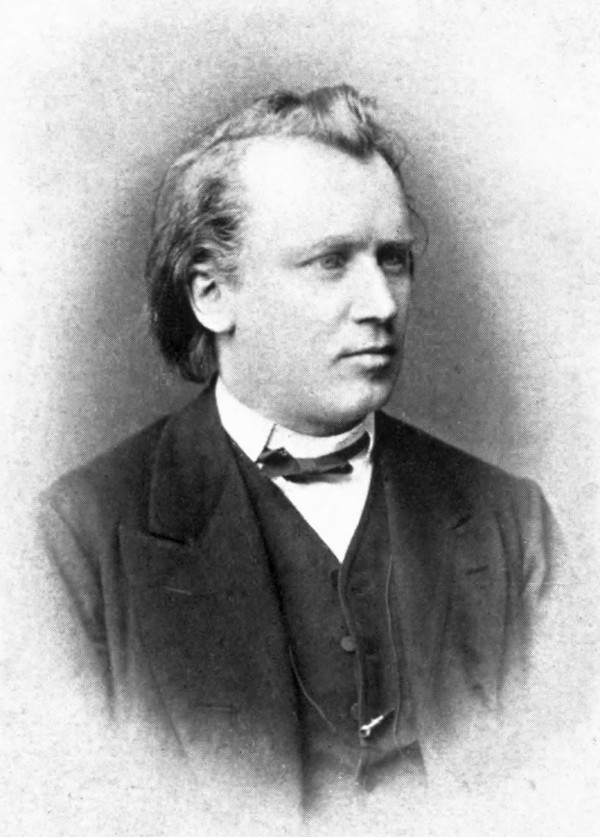
Johannes Brahms, c. 1872
Beneath the surface, subtle inner voices shift and color the mood, creating different gorgeous gradations of bittersweet emotion.
In five minutes, Brahms captures the ache of memory – as well as the comfort of it.
Maurice Ravel – Pavane pour une infante défunte
Despite its title, Ravel insisted that this was not a lament for a dead princess, but rather a pavane that such a princess might have danced to.
Whether melancholy or nostalgic, the piece shimmers with a truly regal elegance.
Its slow procession, delicate orchestration, and restrained melody show Ravel’s extraordinary command of colour: French refinement distilled into its purest musical form.
Giacomo Puccini – “Nessun dorma” from Turandot
Few arias have achieved the global recognition of “Nessun dorma.”
Beginning in hushed anticipation and building toward the triumphant “Vincerò!” (“I will win!”), Puccini crafts a miniature drama in just a few minutes.
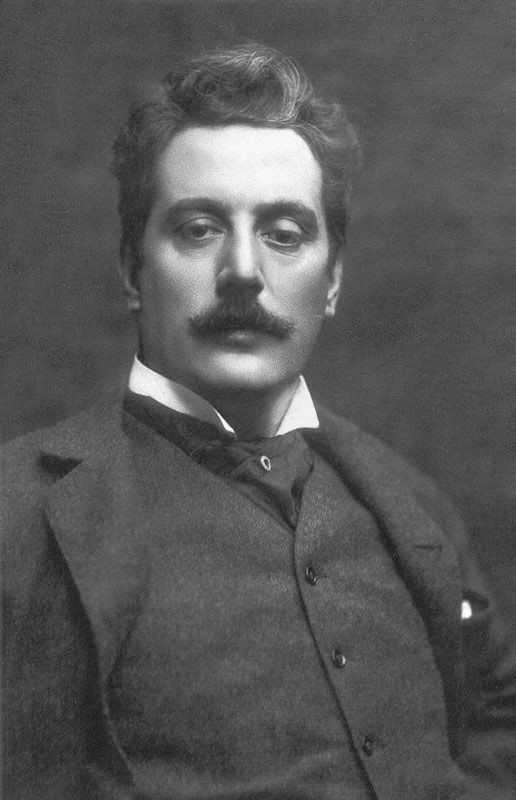
Giacomo Puccini
The orchestration swells, the tenor line climbs, and the emotional payoff is immediate and overwhelming.
This aria proves that even within the context of a major opera, just a few minutes can make a major impression.
Jean Sibelius – Finlandia, Op. 26
Composed as part of a patriotic pageant protesting Russian censorship, Finlandia became a national symbol.
The opening brass erupts with defiance, and the central hymn section unfolds with noble calm.
In just eight minutes, Sibelius moves from protesting oppression to joyful affirmation. It is a political statement and a symphonic poem intertwined.
Samuel Barber – Adagio for Strings
Few works have become so synonymous with public mourning as Barber’s Adagio for Strings.
Built from a single rising phrase that gradually intensifies before collapsing into silence, Barber’s Adagio seems to stretch time itself.
The harmonic language is modern but accessible. The emotional trajectory – from sorrow to despair to resignation – is unforgettable.
John Adams – Short Ride in a Fast Machine
To end, we jump into the late 20th century.
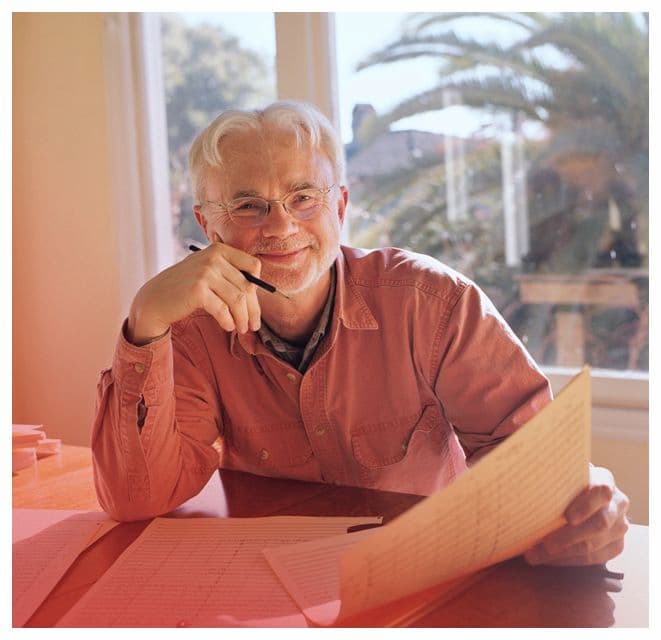
John Adams
Adams’ four-minute orchestral burst is sheer rhythmic exhilaration. A relentless woodblock pulse drives shimmering harmonies and bright brass fanfares.
It’s propulsive, witty, and unapologetically modern: a flash of brilliance and orchestral virtuosity.
Conclusion
Short pieces reveal something essential about great composers. Without the scaffolding of large forms, there’s nowhere to hide. Every note must matter.
From Bach’s poised architecture to Adams’ kinetic brilliance, these works prove that genius does not depend on duration. Sometimes the smallest forms leave the deepest impression.
For more of the best in classical music, sign up for our E-Newsletter