For nearly three centuries, the string quartet has been celebrated as the most intimate kind of classical music: a simple, heartfelt conversation between four equal voices.
Because of that intimacy, composers have often turned to writing string quartets when reacting to tragedy or trauma.
Today, we’re looking at the stories behind ten of the saddest string quartets ever written, between 1783 and 1974, as well as the tragic real-life stories behind the music.
Mozart – String Quartet No. 15 (1783)
Composed in Vienna in 1783, Mozart’s String Quartet No. 15 is part of a set of six quartets that Mozart dedicated to his friend and mentor Joseph Haydn.
This is the only quartet from that set written in a minor key.
Why the despondent mood? We can’t know for sure, but Mozart wrote it while his wife Constanze was in labour with their first child.
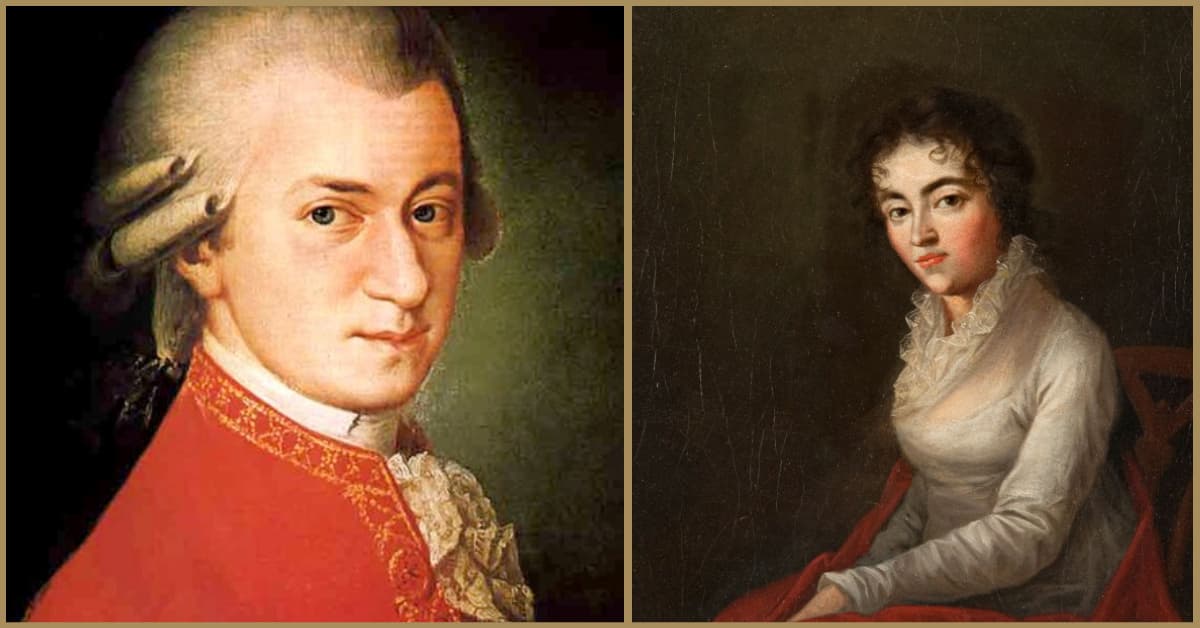
Wolfgang Amadeus Mozart and his wife Constanze
Some scholars have speculated that its intensity reflects Mozart’s anxiety in that terrifying moment.
Constanze herself later claimed the rising figures in the second movement were inspired by her labour cries.
You can hear that movement starting at 7:25 in the video above.
Schubert – String Quartet No. 14, “Death and the Maiden” (1824)
Schubert wrote this quartet in early 1824, shortly after learning that his syphilis infection was incurable. He was just 27 years old at the time.
While writing, he used one of his earlier songs, “Der Tod und das Mädchen” (“Death and the Maiden”), as the thematic basis for the second movement.
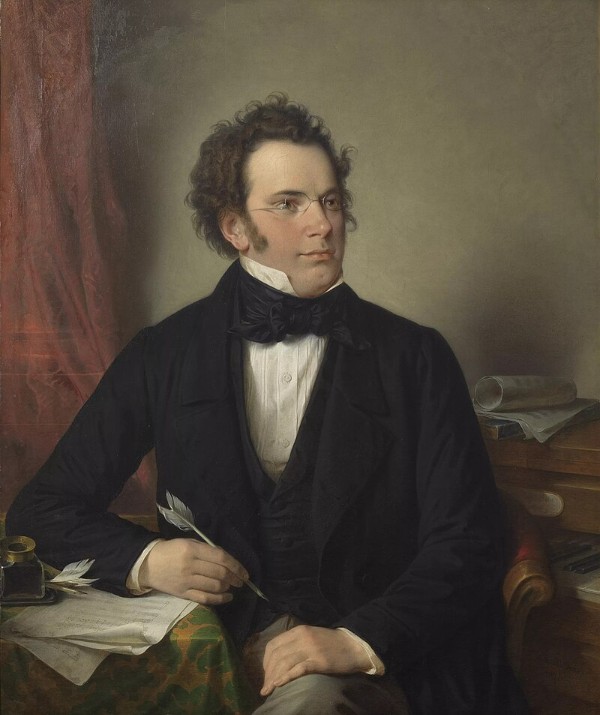
Franz Schubert
The quartet channels a range of sad emotions – defiance, terror, resignation – within the formal framework of a four-movement quartet.
Like many of his greatest works, it was never performed publicly during his lifetime.
Today, it is recognised as one of classical music’s most searing meditations on death.
Beethoven – String Quartet No. 13 (1826)
Around the same time, Beethoven was also preoccupied with poor health and thoughts of mortality.
One of his monumental late quartets, Op. 130, was completed in 1826, a year before his death.
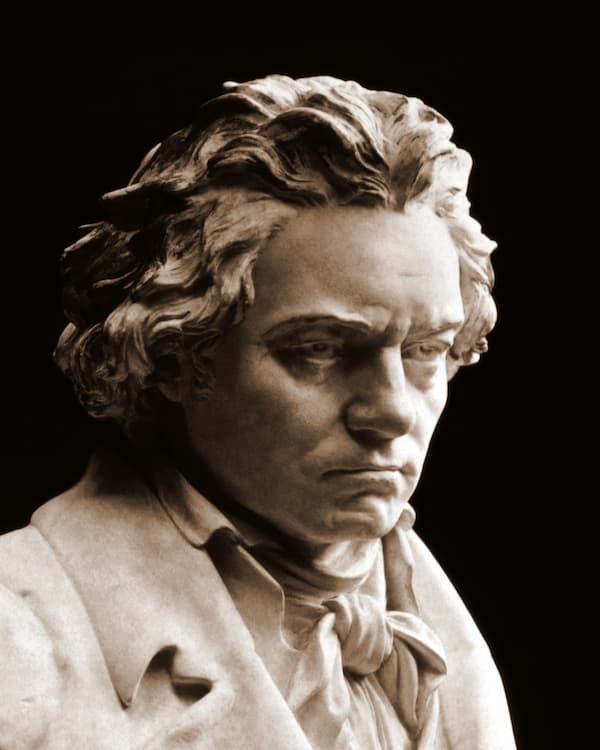
Photograph of bust statue of Ludwig van Beethoven by Hugo Hagen
It originally ended with the colossal “Grosse Fuge” (“Great Fugue”): a movement so complex that concertgoers and performers were bewildered by it. Even today, it can be challenging for listeners to absorb.
After his publisher requested a more approachable finale, Beethoven reluctantly obliged…but he didn’t abandon the Grosse Fuge, choosing instead to publish it as a separate work.
Whether it’s played with or without the Fuge, the quartet traverses extremes of emotion: serenity, humour, melancholy, and transcendence.
Writing its famous Cavatina movement (which begins at 22:31 in the performance above) was a deeply emotional experience for Beethoven. He declared he’d composed it “truly in the tears of melancholy.”
The quartet would be one of his last major works. He died in March of 1827.
Mendelssohn – String Quartet No. 6, “Requiem for Fanny” (1847)
This quartet – Felix Mendelssohn’s final major work – was composed in the summer of 1847, weeks after the sudden death by stroke of his beloved sister and musical soulmate Fanny.
Felix, usually known for his restrained and well-proportioned music, here collapses into pure grief and uncharacteristic fury.
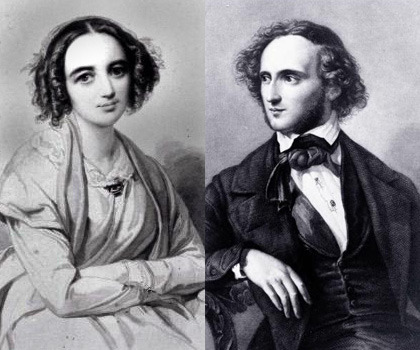
Fanny and Felix Mendelssohn
For him, Fanny was so much more than just a sister; she was also someone who had been his playmate and partner during his childhood as Europe’s greatest musical prodigy.
To shut the door to her life was, in many ways, to shut the door to his own youth.
As fate would have it, he only had a few months to process his grief. Felix ended up dying in late 1847 at the age of 38 of a stroke, the same thing that had killed Fanny.
This quartet survives as a powerful testimony to their bond.
Tchaikovsky – String Quartet No. 3 (1876)
Written in memory of Tchaikovsky’s friend, violinist Ferdinand Laub, this quartet is one of his most personal pieces.
Tchaikovsky once called Laub “the best violinist of our time.” He supported Tchaikovsky’s work by performing in the premieres of his first and second quartets.
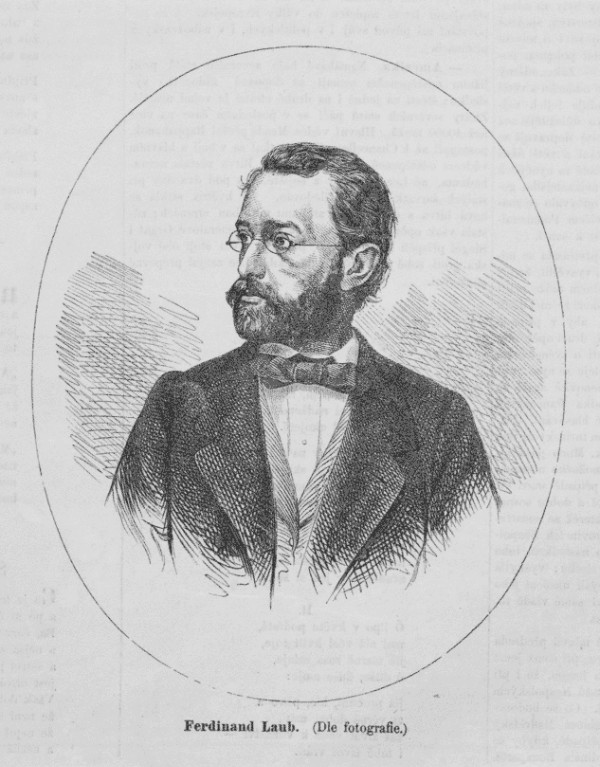
Ferdinand Laub
In 1874, liver trouble forced Laub into an early retirement from the Moscow Conservatory. He died in March 1875.
Tchaikovsky wrote this quartet almost a year later, between February and March 1876.
The slow movement (marked “Andante funebre e doloroso” in the score, and beginning at 21:03 in the video above) is an especially tragic moment. It remains one of the most deeply felt laments in Romantic chamber music.
Sibelius – String Quartet, “Voces Intimae” (1908–1909)
Composed between 1908 and 1909 during a time in his life that was plagued by health troubles and creative crises, Jean Sibelius’s only mature string quartet bears the suggestive subtitle “Voces Intimae” (“Intimate Voices” or “Inner Voices”), a phrase he jotted into the score of the slow movement.
It’s a haunting, introverted work that bears a striking resemblance to his icy fourth symphony.
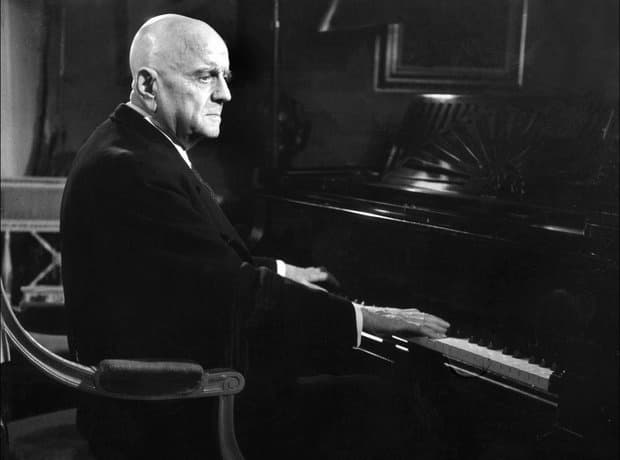
Jean Sibelius
Music from this period is often seen as the emotional midpoint between his early romanticism and the starker austerity of his later symphonies.
Janáček – String Quartet, “Kreutzer Sonata” (1923)
Inspired by Leo Tolstoy’s novella The Kreutzer Sonata, in which romantic jealousy leads to murder, Leoš Janáček’s first quartet channels both the violence of the story and his own obsessive erotic preoccupations.
Written over just a few weeks in 1923, the piece draws on emotions that Janáček felt about Kamila Stösslová, a married mother forty years his junior, for whom he had deep and unrequited feelings.
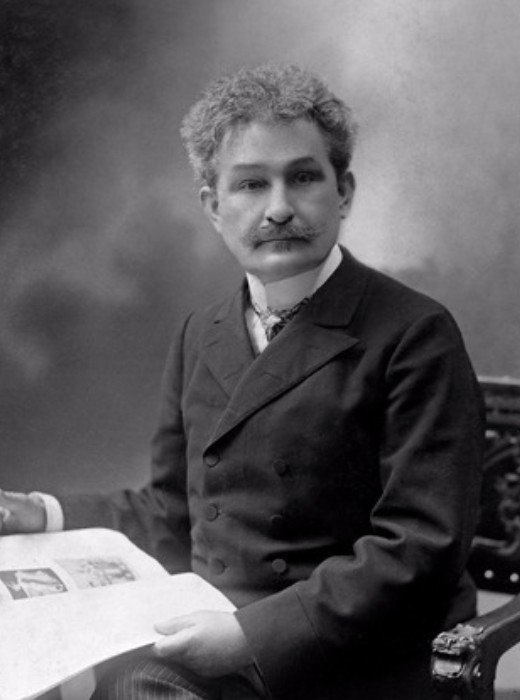
Leoš Janáček
At the time, he was emotionally estranged from his wife, who had accused him of neglecting her and their now-dead children.
The music seethes with agitation and despair. Violin bows slash; cellos murmur phrases beneath their breath. A whole psychodrama plays out between the four string players.
It’s one of the most intense quartets of the twentieth century.
Barber – String Quartet (1935–1936)
Samuel Barber’s only string quartet was written between 1935 and 1936, when the composer was in his mid-twenties.
The slow movement was originally conceived as the quartet’s emotional core, framed by two taut, restless outer movements.
After conductor Arturo Toscanini heard it, he requested an orchestral version of the slow movement.
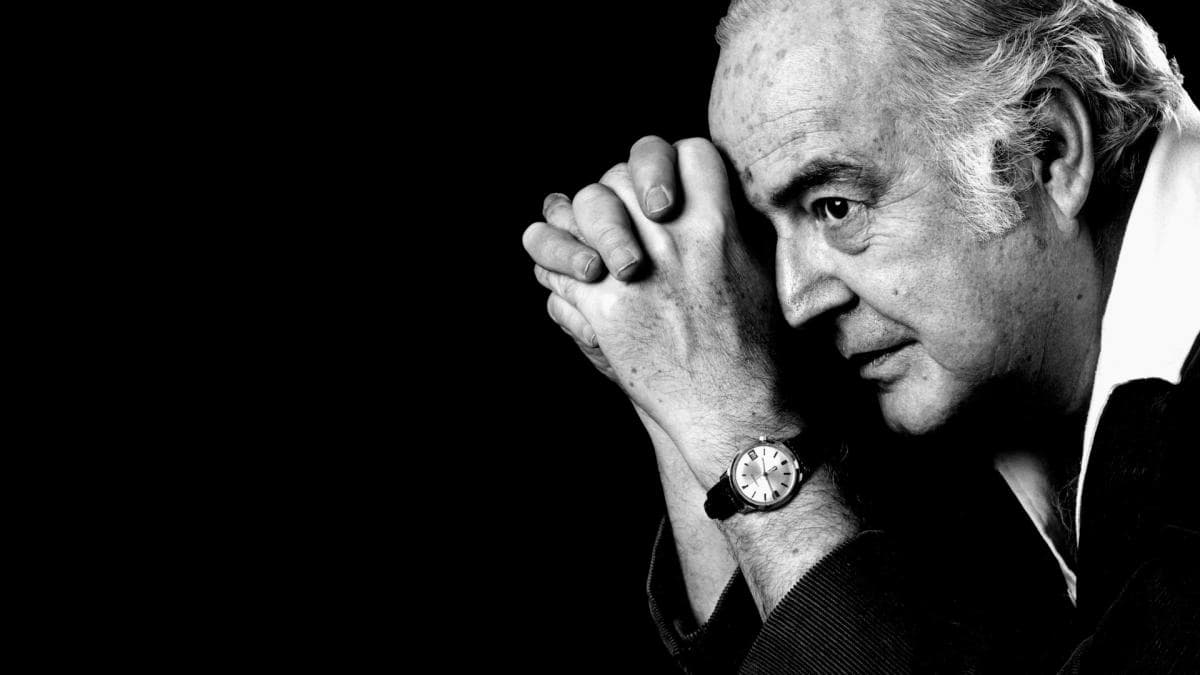
Samuel Barber
That work became known as the Adagio for Strings, and today it is often performed independently of the quartet.
But in its original form, surrounded by the tension and volatility of the other movements, the Adagio’s grief feels even more personal and devastating.
Bartók – String Quartet No. 6 (1939)
Bartók’s final quartet was written in 1939 in the face of personal catastrophe (his mother was dying) and international catastrophe (Europe was descending into world war).
Each of the quartet’s four movements begins with a slow, sorrowful mesto (“mournful”) theme that gradually overtakes the entire work.
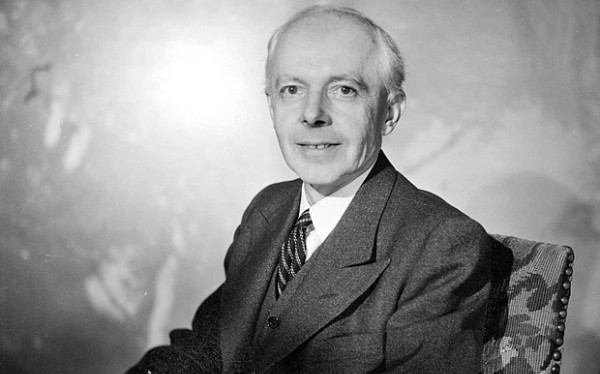
Béla Bartók
Throughout, Bartók – who had fiercely anti-authoritarian politics – creates moods of sarcasm and bitterness to mock and snarl at the circumstances that had landed him, and Europe, in the unavoidable oncoming tragedy.
The quartet can be interpreted as Bartók’s farewell to his homeland and to prewar Europe, written just before his exile to the United States.
Shostakovich – String Quartet No. 15 (1974)
Completed in 1974, a year before his death, Shostakovich’s Fifteenth Quartet is a kind of six-movement musical funeral rite.
Every movement is marked Adagio, and the music proceeds without respite through stages of grief, remembrance, and resignation.
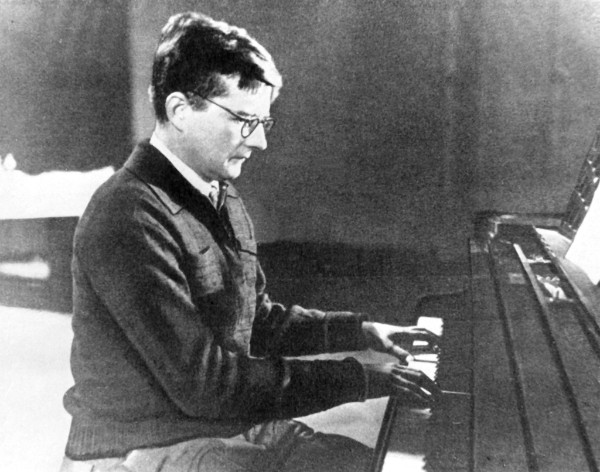
Dmitri Shostakovich
The opening “Elegy” is a portrait of stark loss. Later movements like “Nocturne” and “Funeral March” evoke shadowy memories from his long career.
The quartet was written while he was gravely ill and contemplating his mortality and legacy.
Many hear it as Shostakovich’s own requiem: his final statement on the inevitability of death and the lasting power of music.
Conclusion
In these ten masterpieces, the string quartet became a vessel for human anxiety, jealousy, grief, and – of course – sadness.
Listening to them reminds us how there are string quartets to fit every specific shade of sadness. If we want musical companionship during difficult times, these gems from classical music history have us covered.
For more of the best in classical music, sign up for our E-Newsletter