Today, Sara Itzig Levy is probably best known as the great-aunt of Felix Mendelssohn.
However, she was so much more than that. She was also one of the brightest lights of Berlin salon culture, a patron of some of the best composers of her generation, a proud Jewish woman in an era of rampant anti-semitism, and one of the main reasons we idolise Johann Sebastian Bach today.
Today, we’re looking at the life, times, and remarkable legacy of Sara Itzig Levy.
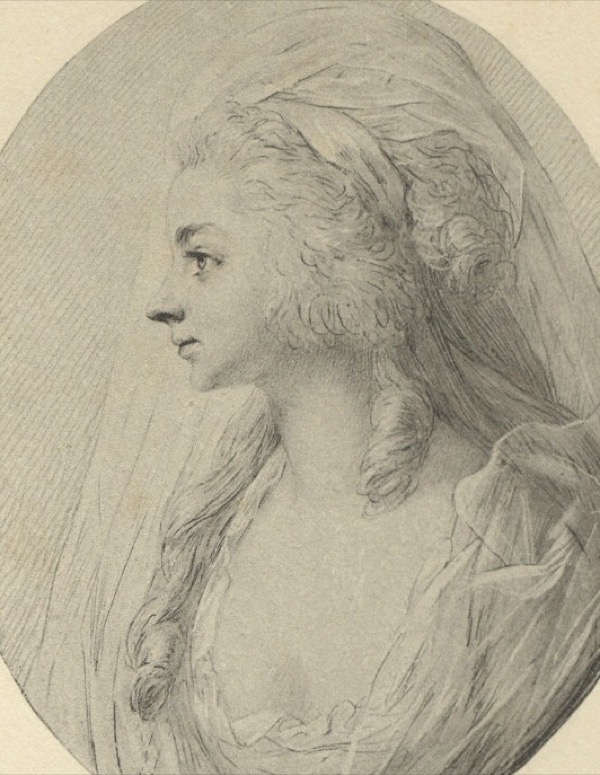
Sara Itzig Levy
Sara Itzig’s Childhood
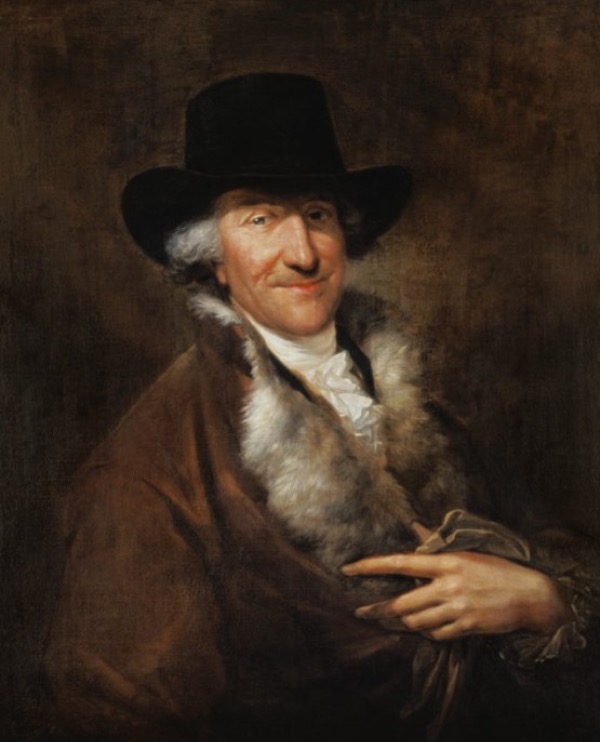
Wilhelm Friedemann Bach
Sara Itzig was born in June 1761 in Berlin to banker Daniel Itzig and his wife Mariane, the tenth of sixteen children.
Daniel Itzig worked as a banker to Frederick the Great of Prussia and was an extraordinarily wealthy and influential figure in Berlin.
All of the Itzig children were expected to study music. In fact, Daniel and Mariane kept a salaried piano teacher on the household staff to teach their children.
It is believed that Sara may have started her serious keyboard studies with Johann Philipp Kirnberger, a student of Johann Sebastian Bach’s.
Later, between 1774 and 1784, she studied harpsichord with J.S. Bach‘s son, Wilhelm Friedemann Bach. Reportedly, she became one of his favourite students.
Wilhelm Friedemann Bach’s Sonata in G-major, “Lamento”
Her Performing Career, Marriage, and Patronage
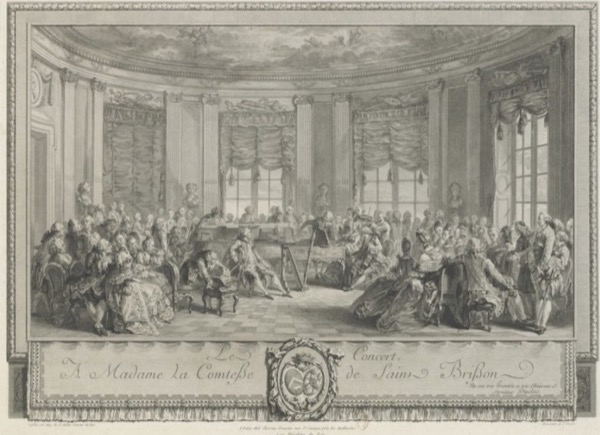
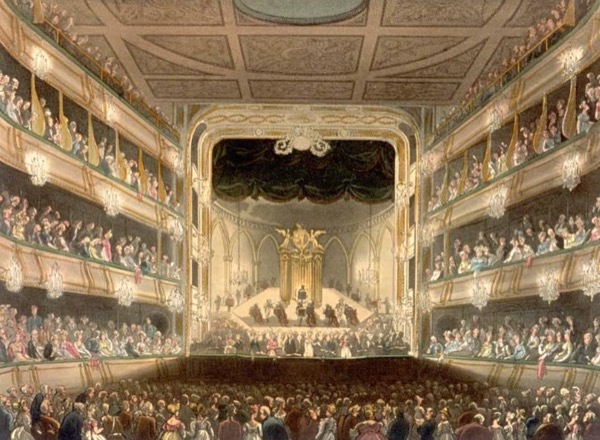
A Berlin salon
Sara began performing for audiences as a young woman, often playing with her older sister Zippora at concerts organised by another sister, Hannah.
Based on the works in her library, it seems that she retained a fondness for two-keyboard works throughout her life.
In 1783, Sara married a wealthy banker, Samuel Salomon Levy, ensuring she would retain her exalted social status in Berlin.
She began her own salon, which became a haven for artists and thinkers. Figures connected to her salon circle included Bettina von Arnim, Haydn, and Mozart.
In addition to running her renowned salon, she became a patroness of her teacher’s brother, composer Carl Philipp Emanuel Bach. After C.P.E. Bach died in 1788, she continued her patronage by supporting his widow.
C.P.E. Bach’s Harpsichord Concerto in D-minor
Sara’s prominence as a leading salonnière in the artistic and intellectual life of Berlin made a statement. Not only was she a woman, but she was a Jewish woman, married to a Jewish man. Her talent challenged the stereotype prevalent at the time in Germany that Jewish people were unmusical.
In addition, salon life was a place where Jewish and Christian people could mingle with each other and exchange ideas. The multi-decade success of Sara’s salons provided yet another counterweight to the prevailing anti-Semitic attitudes common at the time.
Her Work With the Berlin Singakademie
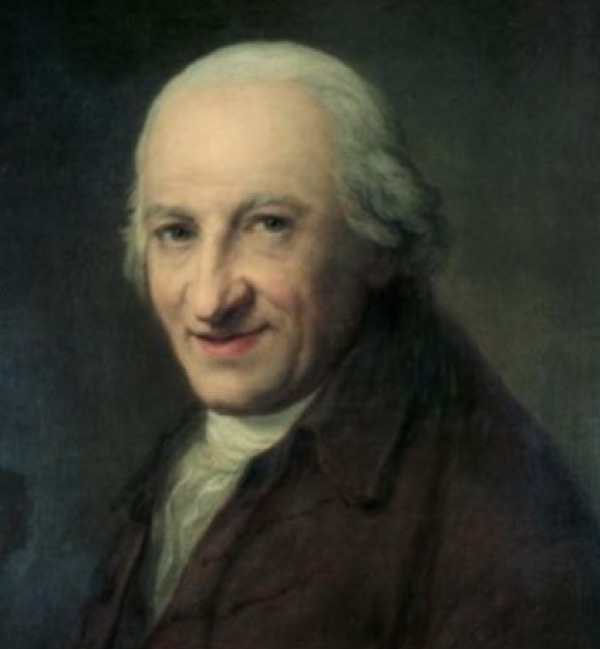
Carl Friedrich Christian Fasch
Sara played harpsichord with the Berlin Singakademie, one of the more interesting organisations in music history.
The Singakademie was founded in 1791 by Carl Friedrich Christian Fasch, harpsichordist to the Court of Prussia.
The organisation began life as a circle of private music lovers – both Jewish and Christian – who met and socialised in a home in the evening and then played music for fun.
Musician Carl Friedrich Zelter described those early meetings: “One gathered in the evening, drank tea, spoke, talked, in short entertained oneself; and the matter itself was only secondary.”
Because of the private and domestic nature of the organisation, women were allowed to participate.
However, as it grew, members became more serious about its mission and even began giving public performances. In the summer of 1796, none other than Beethoven himself showed up at one of their gatherings.
During her time with the Akademie, Sara performed harpsichord and piano concertos by J.S. Bach and others, an unusual activity for a wealthy woman in that time and place.
J.S. Bach’s Harpsichord Concerto in F-minor
Her Connection With the Bachs, And Both Old and New Music
Fasch envisioned the Singakademie as a place where both modern and older music could be played.
At the time of its founding, most music lovers weren’t particularly interested in preserving or interpreting music of the past. The Singakademie sought to change that.
Fasch had studied with C.P.E. Bach and became interested in studying and performing the work of C.P.E.’s father, Johann Sebastian.
Through her teachers, patrons, and institutions, Sara Itzig Levy occupied a unique position at the crossroads of Bach’s living legacy and its later revival. Given her connections to both Kirnberger and Wilhelm Friedemann Bach, she shared Fasch’s perspective, deeply valuing both old and new music.
When it came to old music, she began collecting historic sheet music and manuscripts and ended up with an extraordinary collection, including works by Baroque era masters like Telemann, Quantz, Handel, and Pergolesi.
But she also valued new music, too. In addition to promoting J.S. Bach’s works, she commissioned works from two of his sons, Wilhelm Friedemann and C.P.E. Bach, and also subscribed to the printed versions of their keyboard works. The more virtuosic the piece, the better.
This atmosphere of combining admiration for the past and the present impacted the artistic priorities of her extended family, which would in turn have massive consequences for classical music history.
It would also shape the rich history of the Singakademie.
Supporting Felix and Fanny Mendelssohn’s Talent
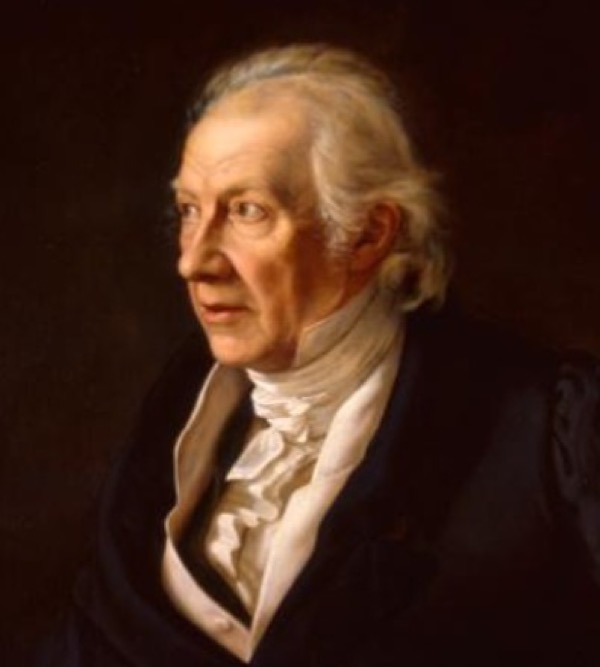
Carl Friedrich Zelter
After Fasch died in 1800, his pupil Carl Friedrich Zelter stepped up to lead the Singakademie. Sara was impressed by Zelter.
After her niece gave birth to two extraordinarily musically gifted children, Fanny and Felix, Sara convinced the family that Zelter should teach them.
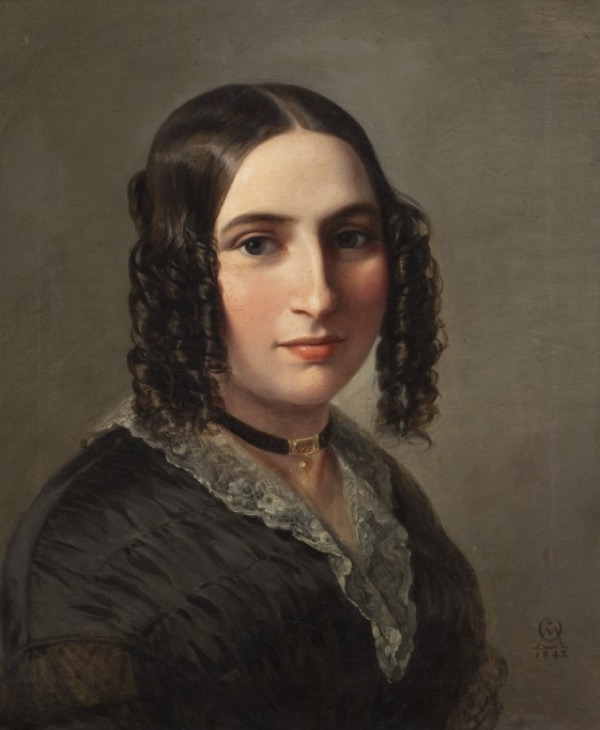
Fanny Mendelssohn
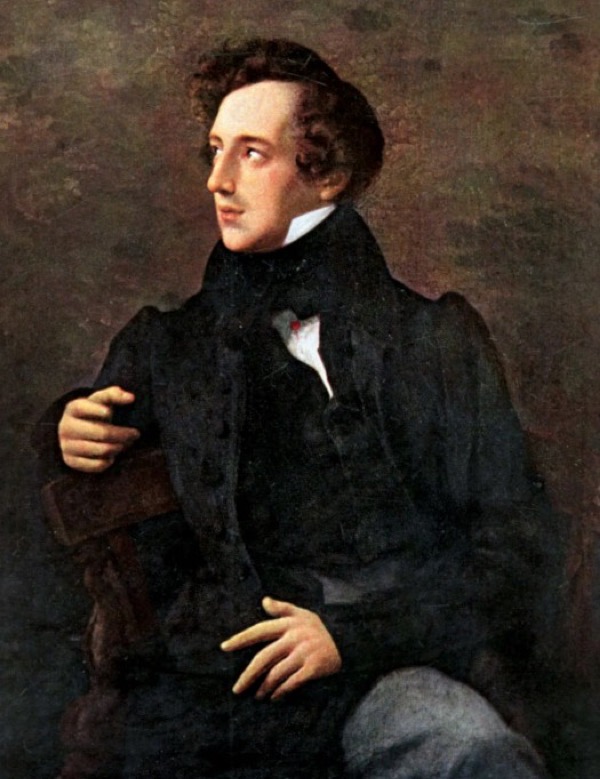
Felix Mendelssohn
It was a smart choice. Under Zelter’s tutelage, both Fanny and Felix became extraordinarily accomplished composers. In 1820, they both joined the Singakademie themselves.
In early 1824, Sara presented Felix (and, given their closeness, Fanny by extension) with a copy of the score of Bach’s St. Matthew’s Passion. This gift would lead to Felix’s landmark performance of the Passion in 1829: the beginning of the nineteenth-century Bach revival.
Without Sara Itzig Levy’s advocacy for Zelter – and her own passion for older music – the Mendelssohn revival of Bach would likely have looked very different, if it ever happened at all.
J.S. Bach’s St. Matthew’s Passion
Retirement
It appears that Sara stopped performing in public soon after 1815, when she was 54.
It is unknown exactly why. Perhaps she felt her technical prowess declining, or maybe she was dealing with arthritis or injuries common to ageing musicians.
Whatever the reason, her withdrawal from public performance certainly didn’t signal a retreat from influence.
Late in life, she made provisions to donate her extraordinary music library to the Singakademie.
The collection’s future would be dramatic. During World War II, it was raided by the Soviets and brought to Kiev. It was only in 2002 that the collection was returned to Germany.
Nowadays, it’s available online.
Sara Itzig Levy’s Death
Sara never had any children. She died a month shy of her ninety-third birthday in May 1854, outliving her grandnephew Felix Mendelssohn by eight years.
Although most of her extended family converted from Judaism to Protestantism, she chose not to. She supported specifically Jewish causes throughout her life, including a Hebrew publisher. That commitment continued after her death, when she left 20,000 thalers for a Jewish orphanage.
She has been widely forgotten today, but Sara Itzig’s musical legacy lives on today in the work of Fanny and Felix Mendelssohn, as well as the world’s great love for the work of J.S. Bach.
As interest continues to grow in the networks that shaped classical music, Sara Itzig Levy deserves recognition not as a footnote, but as a foundational figure in the history of the art.
For more of the best in classical music, sign up for our E-Newsletter