Slow-tempoed classical music can reshape how listeners experience time – stretching it, suspending it, or even making it disappear altogether. Today, we’re going to look at some of the slowest pieces in classical music.
The works below aren’t ranked by beats per minute, and aren’t necessarily the slowest. Instead, they’re famous pieces in which composers deliberately mark a slow and steady tempo, asking listeners to linger, reflect, and feel.
Some are consoling. Others are devastating. Taken together, they explore emotions like ritual, grief, and even transcendence.
Arvo Part – Spiegel im Spiegel
One of the most recognisable slow classical pieces of the late 20th century, Spiegel im Spiegel (Mirror in the Mirror) moves at a steady but glacial pace.
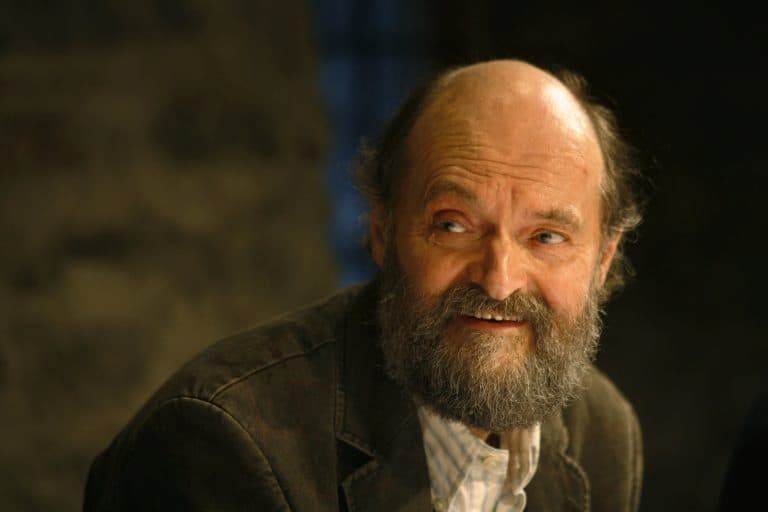
Arvo Pärt
Its repeating piano figures and long-breathed melodic lines create a feeling of suspended calm, as if time has slowed to match a listener’s breathing and heartbeat.
Nothing rushes; nothing presses forward. The music simply exists.
Edward Elgar – Nimrod from the Enigma Variations
Marked Adagio, “Nimrod” may not be extreme in tempo on paper. But when conductors give a particularly expansive or weighty interpretation, it can feel very slow. (Leonard Bernstein‘s interpretation was especially famous for this.)
This is dignified, almost ceremonial slowness. Emotional layers build on top of each other and accumulate with each step forward.
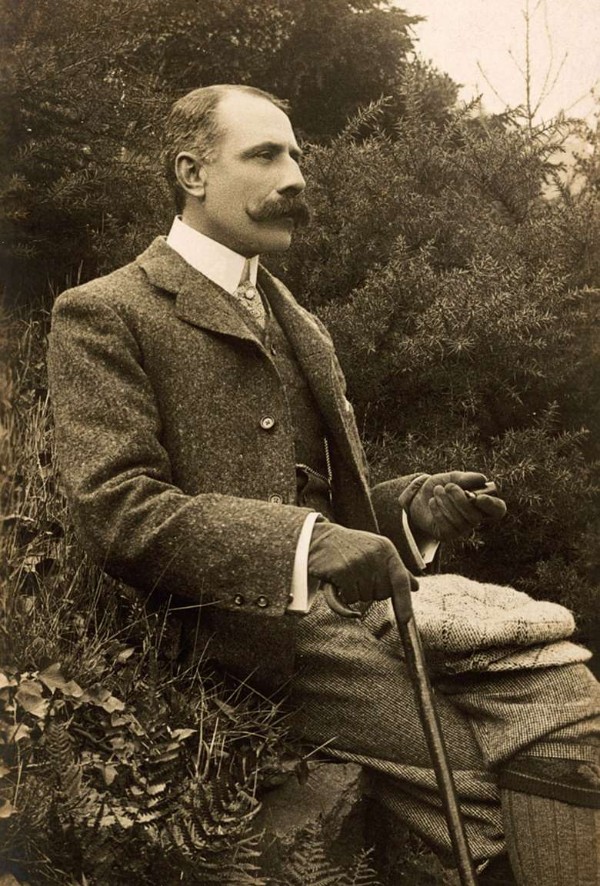
Edward Elgar
“Nimrod” has been a popular tribute piece for orchestras to play after national tragedies. Maybe this connotation has led to the slow speed that many conductors prefer.
Samuel Barber – Adagio for Strings
Barber’s Adagio for Strings unfolds in one long, aching arc, with slow phrases seemingly stretched to their breaking point.
The excruciating slowness leads to an unforgettable climactic dissonance and a hushed collapse afterwards.
The music moves slowly, not because the notes are particularly long, but because the harmonies build on one another in such a heartbreaking way.
Richard Wagner – Parsifal Prelude
Wagner‘s final opera opens with music that barely seems to move.
Marked Sehr langsam (“very slowly”), the Prelude from Parsifal sounds more like a ritual than a narrative device, establishing a sacred atmosphere in which time feels ceremonial and suspended.
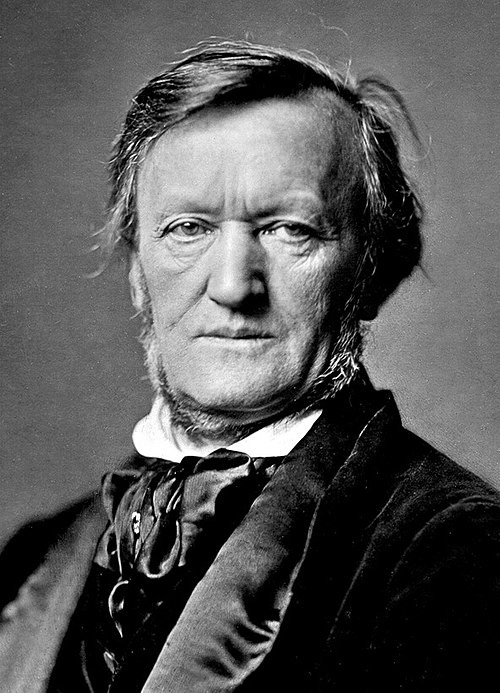
Richard Wagner
Forward motion exists only to sustain a state of religious reverence, making it the perfect introduction to Wagner’s final opera, devoted to themes of spirituality and transcendence.
Ludwig van Beethoven – String Quartet No. 15 in A-minor, Movement 3
One of the most profound slow movements ever written, the Heiliger Dankgesang (“Holy Song of Thanksgiving”) was composed after Beethoven experienced a major health scare involving intestinal issues that he feared might prove fatal.
It alternates between austere, hymn-like slowness and moments of gentle motion marked “Neue Kraft fühlend” (“feeling new strength”), when time becomes something to be contemplated.
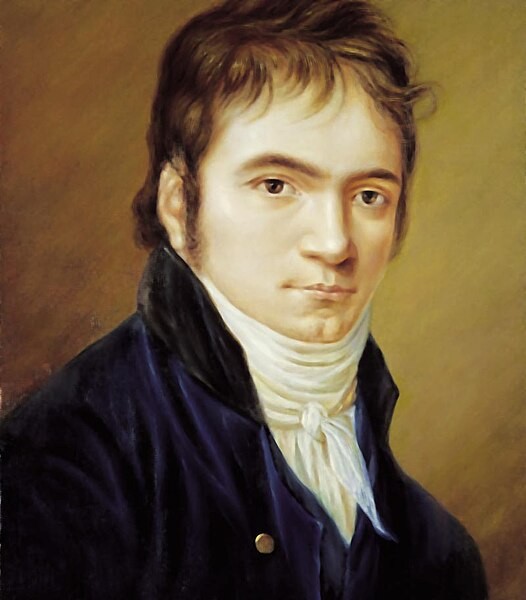
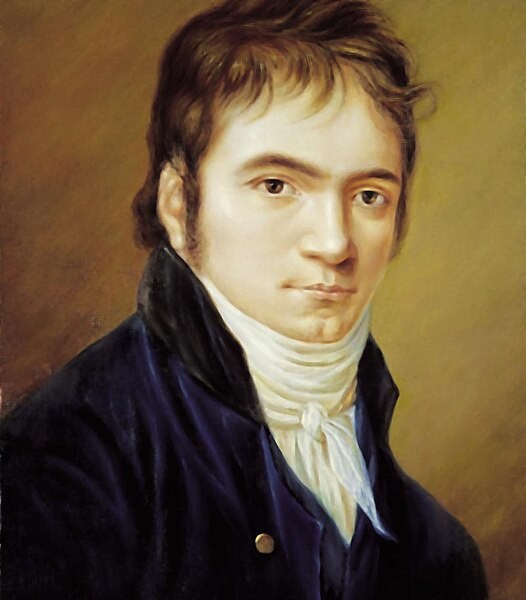
Christian Horneman: Ludwig van Beethoven, 1803 (Beethovenhaus Bonn)
This slowness isn’t sorrowful or static; like the Parsifal Prelude, this music is spiritual.
Olivier Messiaen – Louange à l’Eternité de Jésus from Quartet for the End of Time
Written in a German prisoner-of-war camp, this movement plays with the idea of time in multiple ways.
In the fifth movement, the cello’s endlessly sustained melody floats above softly pulsing chords, creating music that seems detached from time.
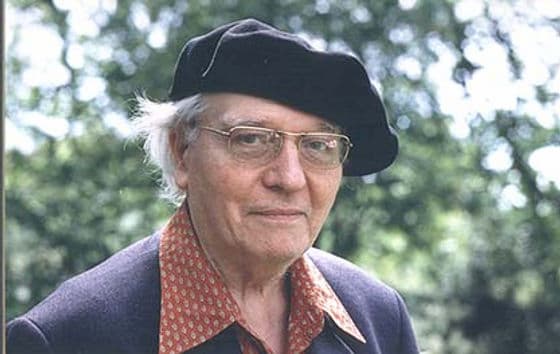
Olivier Messiaen
It can easily send a listener into a trancelike state. The reverent tempo becomes theology, reflecting Messiaen‘s steadfast Catholic faith: the slow motion seems to portray the infinite and the divine.
Gustav Mahler – Symphony No. 9, Movement 4
Mahler‘s final completed movement is a farewell stretched to its absolute limit.
The music – written for a massive orchestra – moves slowly, then more slowly still, fragmenting as it goes.
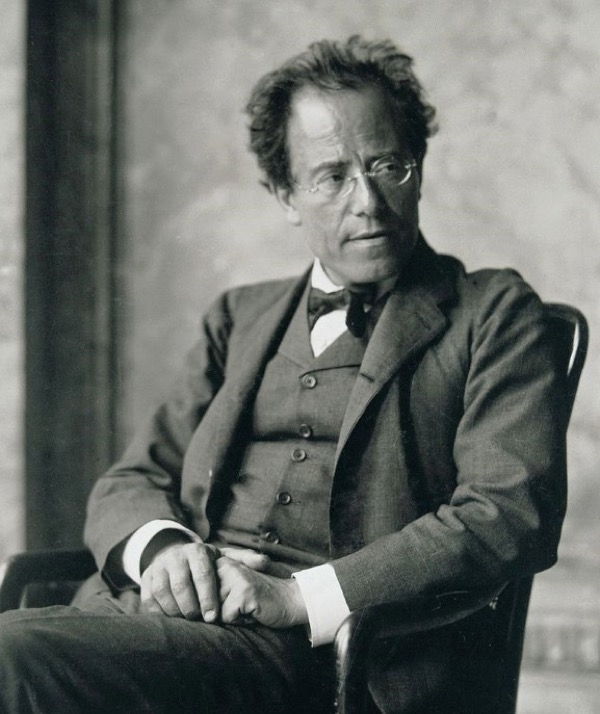
Gustav Mahler
Rather than resolving clearly and cleanly, after nearly half an hour, it just dissolves, the strings tapering to nothing, leaving behind silence that feels both earned and irreversible. Time doesn’t stop; it just fades away.
Morton Feldman – Rothko Chapel
Pulse is barely perceptible in Morton Feldman‘s Rothko Chapel. Sounds appear, linger, then vanish without clear direction.
In fact, Feldman removes the sense of progression almost entirely, creating music that exists for a particular duration rather than expands on a narrative. Listening feels less like following a path and more like inhabiting a space.
For good measure, here’s one last bonus piece that might be classified less as slow classical music and more as a sound experiment:
John Cage – Organ²/ASLSP (As SLow aS Possible)
This is the outer limit of musical slowness.
Cage’s Organ²/ASLSP asks its performer to play, as the title’s acronym suggests, “as slow as possible.”
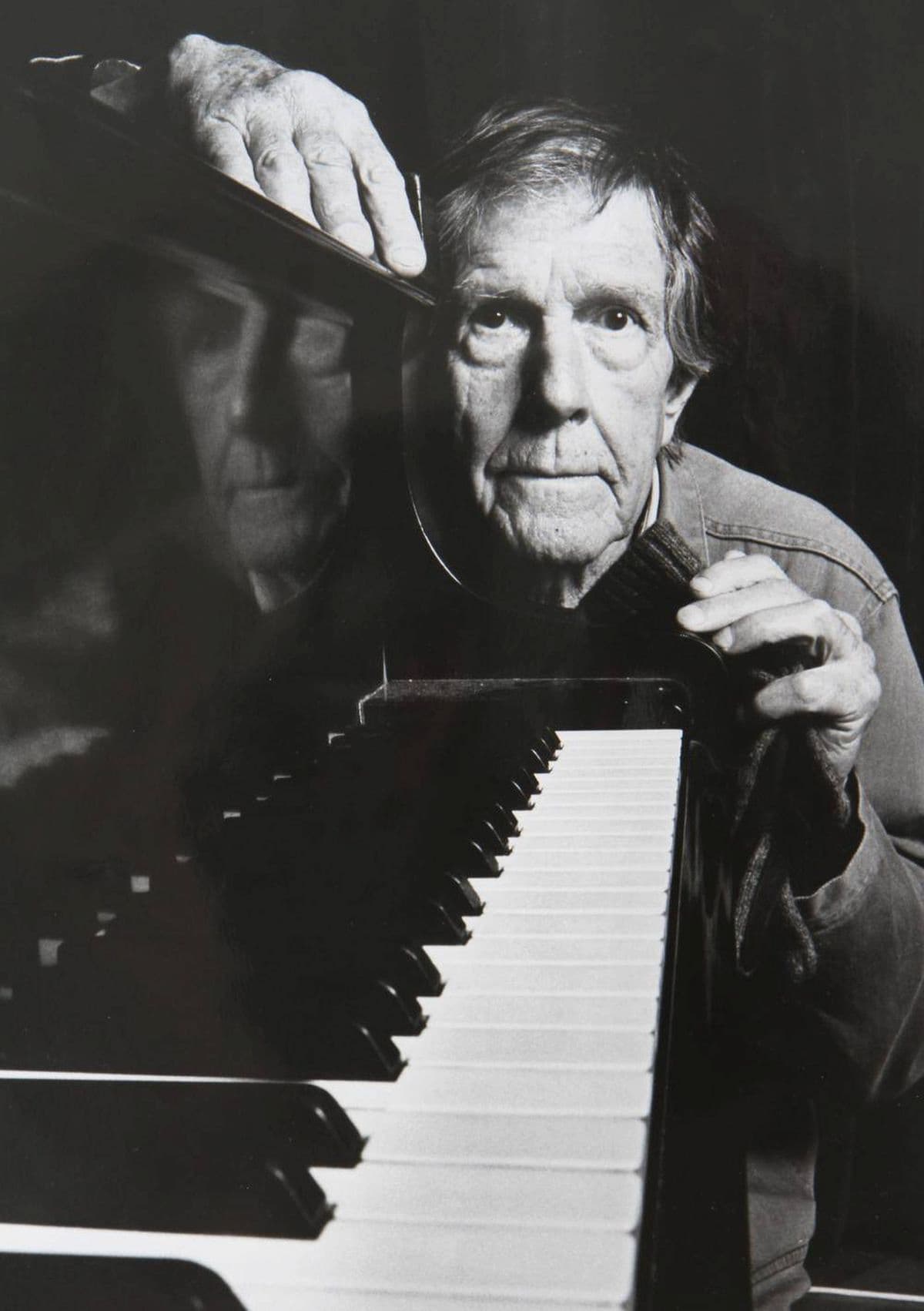
John Cage
It is currently being performed in a church in Halberstadt, Germany. That performance began in 2001 and is only scheduled to end in 2640.
Here, each note is so long that tempo ceases to function as a musical parameter at all.
Conclusion
Across eras and styles, these works reveal a shared impulse: to use slow tempos to portray a reflective mood and to ask big questions about grief, faith, and memory. Maybe the most moving music doesn’t need to go very far at all.
In their own ways, each of these pieces invites listeners to get lost in time: to be present and experience each musical moment as it comes.
For more of the best in classical music, sign up for our E-Newsletter