Over the centuries, nocturnes – from the French word nocturnal – have been many things to composers: social entertainment, private confession, dreamscapes, and more.
Nocturnes were initially written as outdoor serenades for aristocrats. But during the Romantic era, the nocturne’s purpose changed, and it gained its modern reputation for introversion, reflectiveness, and mystery.
Here are eight standout nocturnes by eight great composers, tracing how composers reimagined what night music could be.
Mozart – “Serenata Notturna”, Serenade No. 6 for Orchestra in D-major (1776)
Mozart’s Serenata Notturna comes from an earlier meaning of “night music”: festive outdoor entertainment.
Written when he was just twenty, this serenade was likely composed for a Salzburg celebration and performed in the evening by a small ensemble.
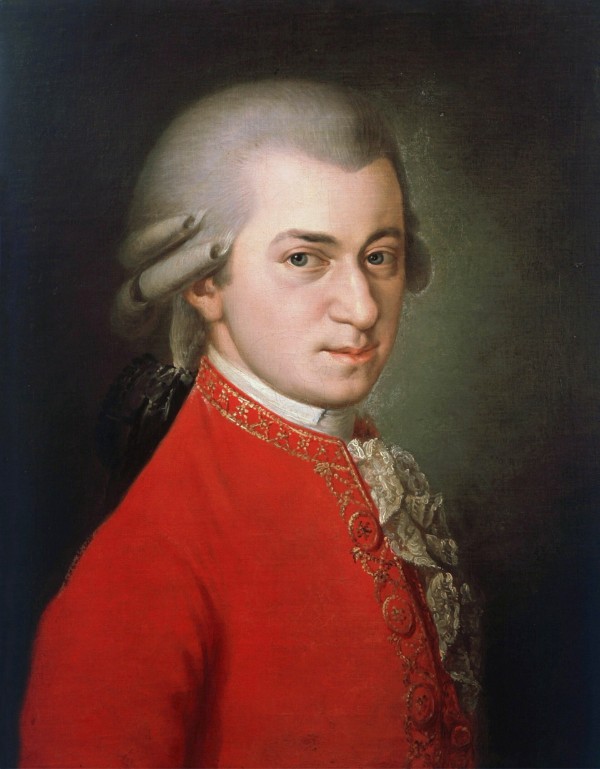
Wolfgang Amadeus Mozart
It features four soloists: two violins, a viola, and a bass. Notice, too, the prominence of the timpani, helping the music project outdoors.
What makes this “notturna” serenade so special is its wit and theatricality. The conversation happening among the parts actually anticipates Mozart’s later stage works.
There’s nothing brooding here. Instead, the night music is gregarious, even celebratory. It’s nocturnal music meant to be heard under bright lantern light, not alone in a dark room.
Chopin – Nocturne in C-sharp minor (1830)
Although several other composers, such as John Field and Maria Szymanowska, wrote nocturnes before he did, Chopin was the one who truly perfected the genre.
Written when he was around twenty, this early work in C-sharp minor shows Chopin’s seemingly inborn ability to create musical moments that suspend time for both pianist and listener.
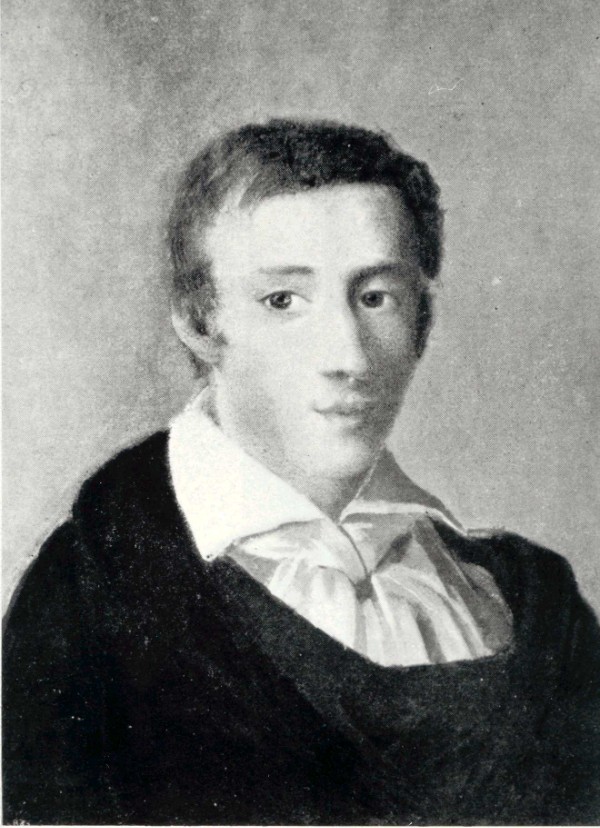
Frédéric Chopin, 1829
A huge lover of the bel canto style of Italian opera, Chopin internalised that genre’s singing quality, turning it into something intensely personal at the piano.
The unforgettable main melody unfolds like a singer’s tragic monologue, moving between vocal-like lines of lament and reverie.
By the early Romantic era, “night music” had come a long way from Mozart’s. In Chopin’s hands, “nocturnal music” is no longer social or decorative; now it becomes a time and space for private emotional vulnerability.
Clara Wieck Schumann – Nocturne in F-major (1836)
Clara Wieck (later known as Clara Schumann after her marriage to Robert) was sixteen when she wrote this nocturne. She was nine years younger than Chopin, and found herself inspired by his artistry – as he was by hers.
At the time she wrote this nocturne, she was already an internationally renowned pianist and clearly a formidable composer in her own right.
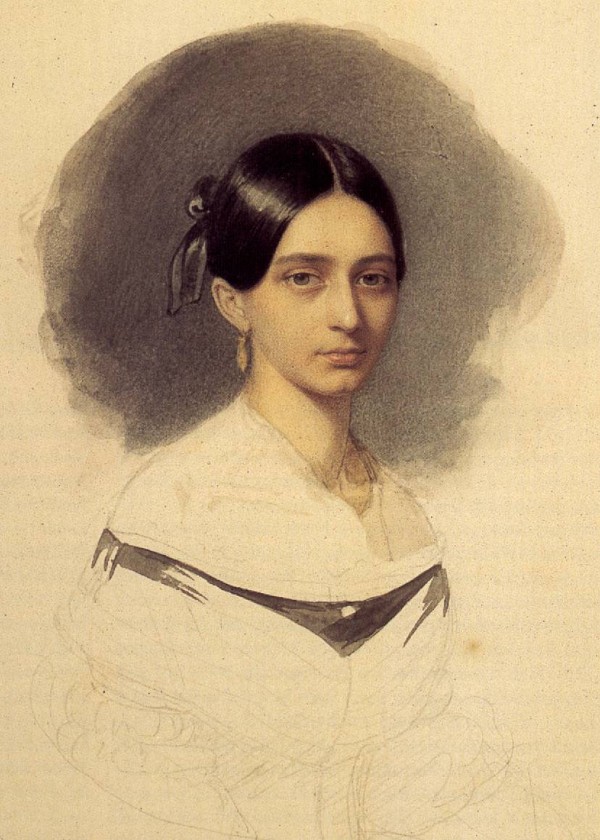
Clara Wieck Schumann
Obviously, given her age, the piece belongs to her early period, but it already showcases her distinctive voice: influenced by Chopin but never overshadowed by him.
The melodic line is intimate, almost hesitant, and the piece as a whole avoids sentimentality. This is introspective night music: thoughtful, private, and restrained.
Fauré – Nocturne No. 6 (1894)
Fauré‘s sixth nocturne marks a turning point in his writing. Gone is the salon charm of his early works; in its place is mysterious harmonic fluidity and emotional tension.
This night music refuses to soothe; it’s closer to expressing the feelings of wandering thoughts during bouts of insomnia.
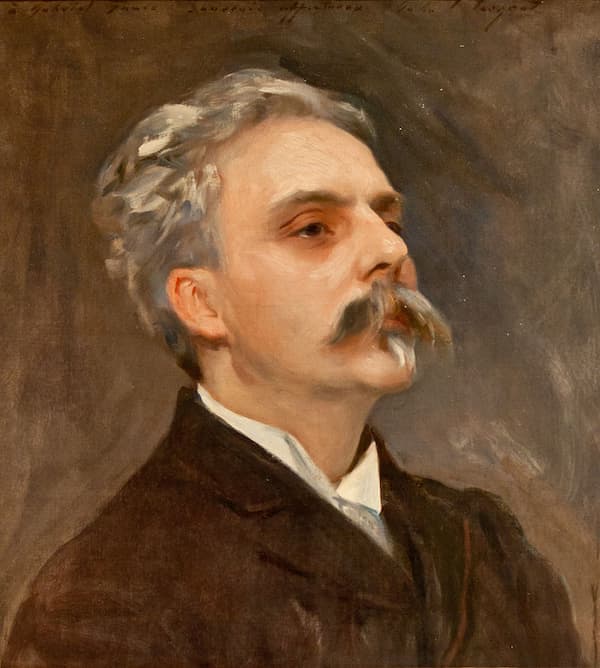
John Singer Sargent: Portrait of Gabriel Fauré
The piece has an unsettled quality with its restless rhythms, shifting tonal centers, and sudden surges of intensity. Its bittersweet ambiguity points toward musical modernism’s exploration of more complicated emotions.
Scriabin – Nocturne for the Left Hand (1894)
In 1891, Scriabin developed an overuse injury in his right hand while practicing. He feared – briefly – that his career as a pianist might be over.
During the time he was unable to use his right hand, he focused extensively on developing his left. A few years later, in 1894, he composed one of his most sensuous and structurally intriguing early works: a nocturne for the left hand.
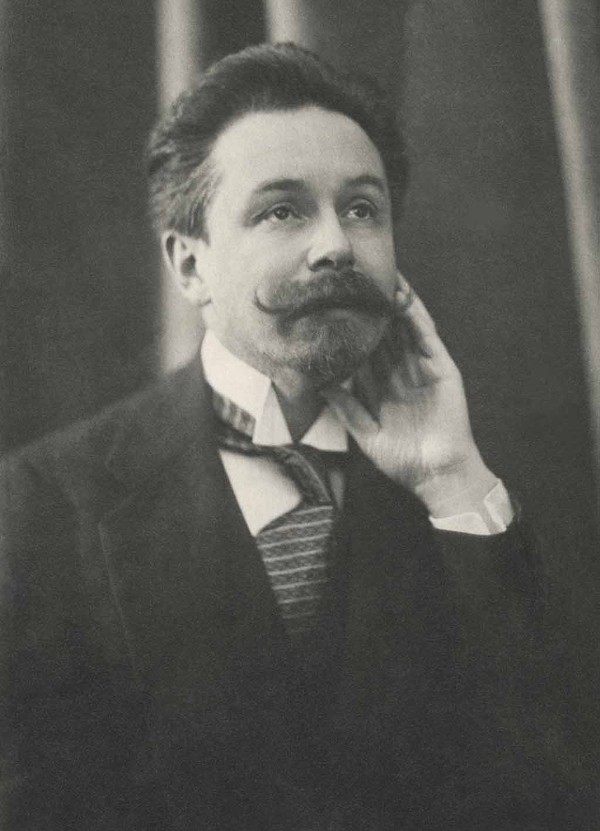
Alexander Scriabin
Although it was written for just one hand, the texture remains lush. There are also moments of adventurous harmony, hinting at the mystical language of his later music.
All in all, this nocturne is an impressive technical feat, and can even be interpreted as a psychological portrait of the composer’s own feelings of vulnerability after a career-threatening injury.
Debussy – Trois Nocturnes (1892–1899)
Along with Chopin, Debussy was another composer who reimagined the nocturne as a work for more than solo piano.
Inspired by James McNeill Whistler’s “nocturne” paintings (which were, in turn, inspired by musical titles), each of the three movements in this triptych – Nuages, Fêtes, and Sirènes – explores different nocturnal atmospheres.
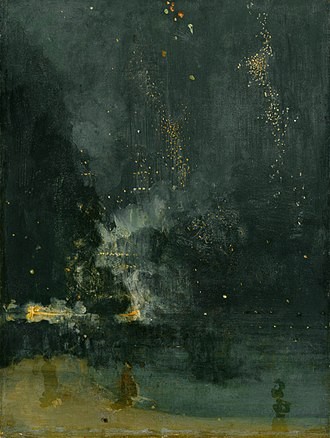
James McNeill Whistler: Nocturne in Black and Gold: The Falling Rocket, ca 1895 (Detroit Institute of Arts)
Clouds drift; celebrations shimmer; distant voices call across water. Narrative disappears; sensation takes over. Traditional musical form loosens in favour of exploring Whistler-inspired colours and textures.
Today, it is regarded as one of the defining orchestral works of the fin de siècle.
Barber – Nocturne (1959)
Written late in his career, Barber’s Nocturne reflects his gift for direct and honest emotional communication.
Although the work is clearly from the 20th century, it is also clearly inspired by the nocturnes of the past, as evidenced by its subtitle, “Homage to John Field”, a reference to the creator of the nocturne genre.
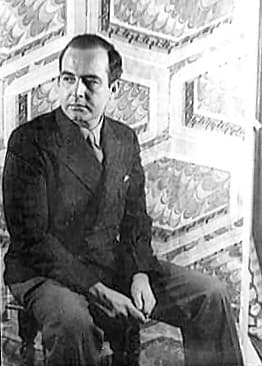
Samuel Barber
Here, Barber mixed 19th-century gestures with 20th-century harmonies in a blend that somehow feels both nostalgic and modern.
Like all of Barber’s best music, it is deeply heartfelt.
Britten – Nocturne (1958)
Britten‘s Nocturne is a song cycle that sets English poetry about sleep, dreams, and the darkness of the night, written by fellow British giants such as Shakespeare and Shelley.
Each movement uses a different combination of instruments, creating a constantly shifting sound world around the tenor soloist.
Unlike earlier nocturnes, this one confronts the night’s anxieties head-on: restlessness, fear, and how fleeting comfort can feel in the darkest hours.
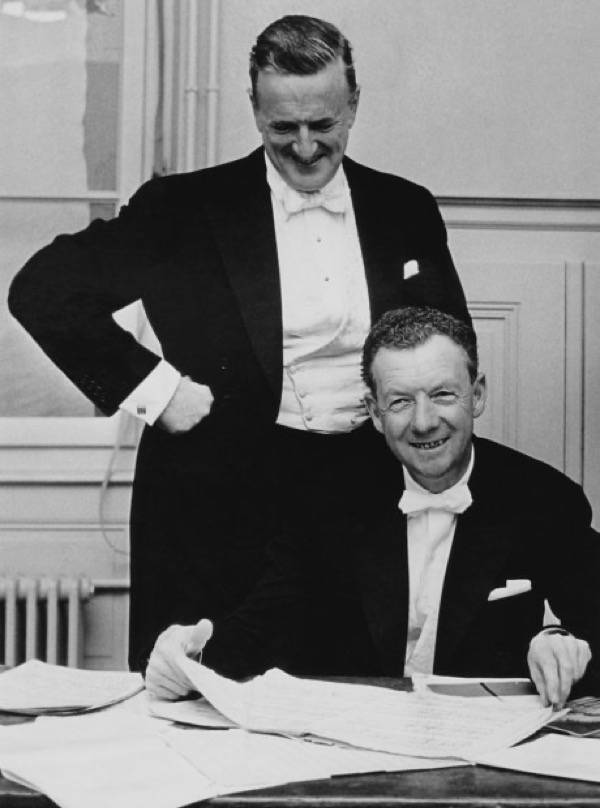
Peter Pears and Benjamin Britten
Written for his muse and life partner, Peter Pears, Britten’s portrait of the night is clearly deeply personal. The tenor sings beautiful music, but never seems to feel completely safe.
This was quite the evolution from Mozart’s version of night music generations before.
Conclusion
Across these eight works, the nocturne transforms from outdoor entertainment to psychological landscape.
What begins as music played at night becomes music about the night – then, ultimately, music known for showcasing composers’ doubts, worries, and fears.
If there’s a common thread here, it’s one that every insomniac knows all too well: the night strips things down.
Under the cover of darkness, composers often reveal parts of their inner selves in their nocturnes, exposing the doubts and vulnerabilities that daylight would disguise.
For more of the best in classical music, sign up for our E-Newsletter