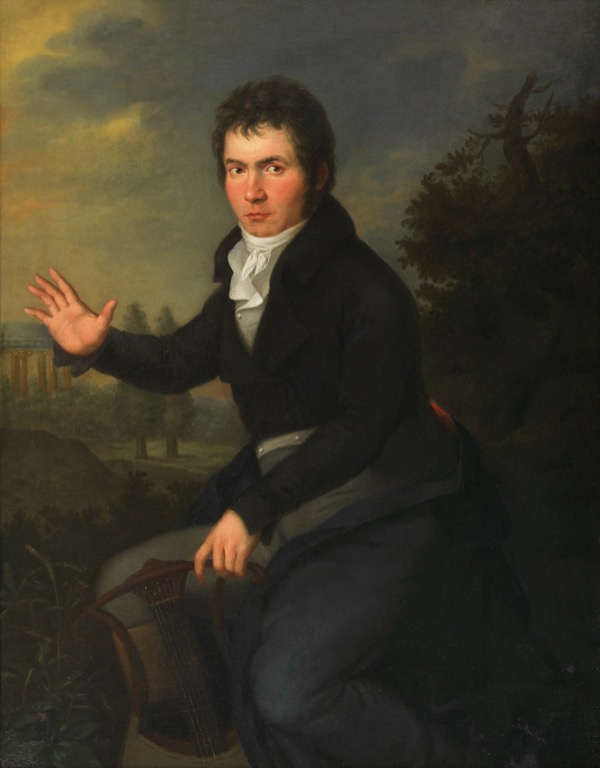
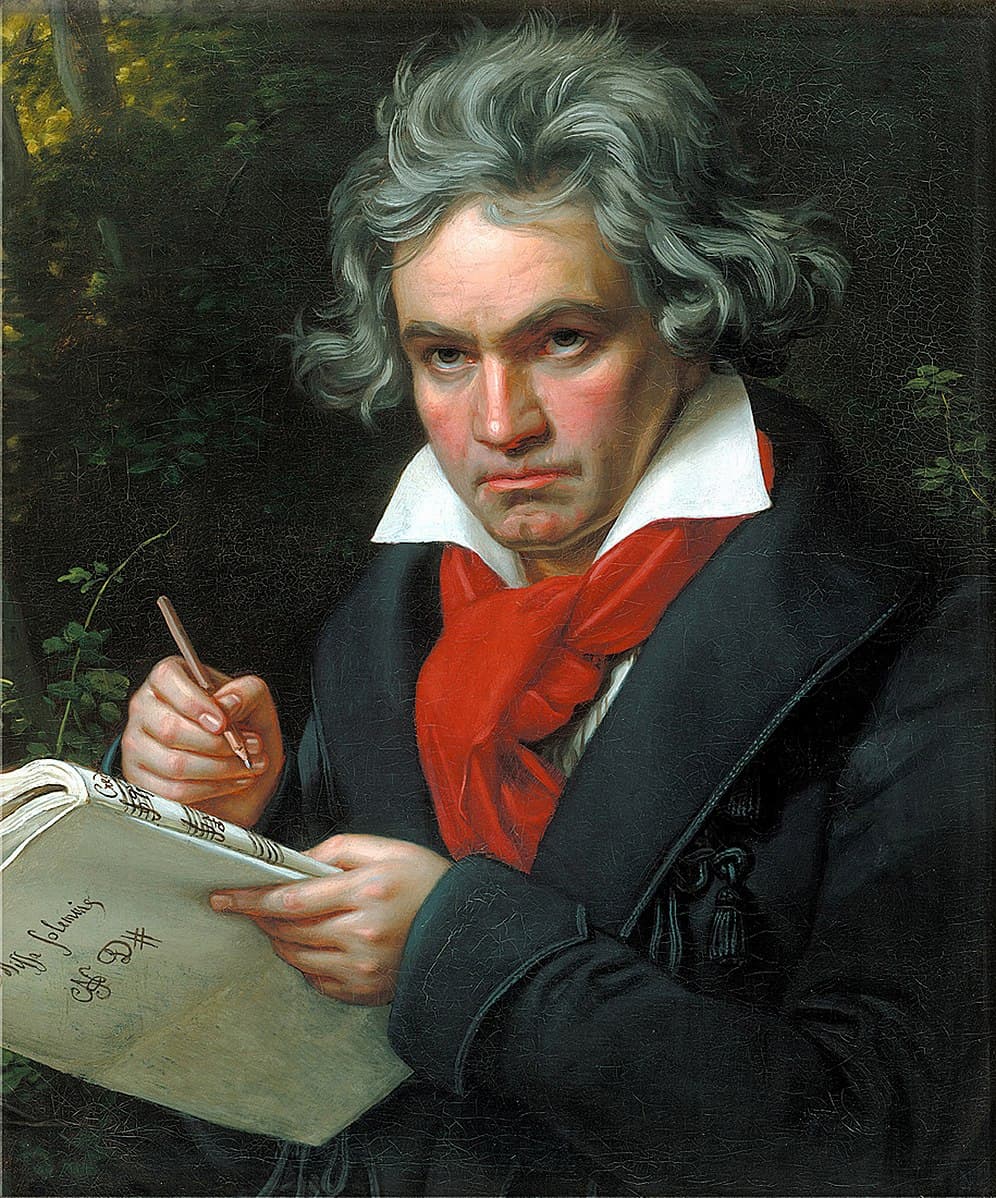
During the 19th century, Beethoven and his affinity for the piano sonata – he wrote 32 in all – made a major mark on the era’s music.
Composers from every decade were in constant conversation with Beethoven’s piano sonatas: quoting them, dismantling them, occasionally abandoning them altogether.
Some decades produced towering, obvious choices. In other decades, the genre’s popularity waned as composers embraced freer forms with less historical baggage, resulting in offbeat picks that shed light on darker – but fascinating – corners of music history.
Today we’re making a subjective list of the best piano sonatas of each decade of the 1800s and tracing the history of the piano sonata genre through them.
1800s: Beethoven – Sonata No. 21, “Waldstein” (1804)
In 1804, Beethoven wrote his 21st piano sonata. He dedicated it to one of his earliest patrons, Count Ferdinand von Waldstein – hence the nickname.
The sonata dates from the beginning of Beethoven’s middle period, also known as his “heroic” period. Fittingly, the work is infused with heroic character.
The opening movement is both dazzling and declarative, opening with a thrilling sequence of repeated notes that lend a percussive excitement. The finale is a rondo built on a simple, gentle theme that Beethoven gradually transforms into an extroverted exhibition piece, filled with brilliant runs and arpeggios.
1810s: Beethoven – Sonata No. 29, “Hammerklavier” (1817–1819)
Beethoven began sketching the “Hammerklavier” in 1817. (The word means “piano” in German; during a period of post-Napoleon patriotism, he’d started labelling his scores with German instructions instead of Italian.)
The last few years had been largely fallow ones for Beethoven. He was busy fighting for custody of his nephew Karl and battling “inflammatory fever.” But when he returned to composition, he did so with a vengeance.
At forty-plus minutes, this is by far his longest sonata, and among his most demanding. It consists of a first movement built on hammering chords; a brief, playful scherzo; the longest slow movement he ever wrote; and a finale featuring a three-voice fugue that is both mentally and physically challenging.
“Now I know how to write music,” he wrote triumphantly after finishing it. The work was so advanced that it wasn’t played in public until Franz Liszt did so in Paris in 1836.
1820s: Schubert – Piano Sonatas, D.958, D.959, D.960 (1828)
Schubert wrote his three final piano sonatas in a single burst in September 1828, two months before he died. Because they were written so closely together, they can be interpreted as a set.
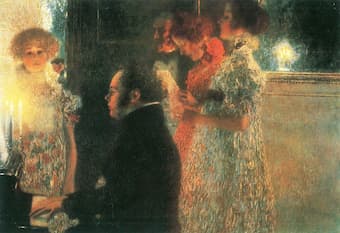
Klimt: Schubert at the Piano
Schubert died before much of his work was published. These sonatas were not printed for another decade, so they influenced the next generation of composers more than Schubert’s contemporaries.
Schubert grappled with Beethoven’s titanic legacy by addressing it directly. He included several Beethoven references in the sonatas, including quotes from the Pathétique sonata, the Archduke trio, the Emperor concerto, and more.
Schubert’s decision to address this Beethoven influence so blatantly can be read in two ways: as an homage or as an assertion that his work deserved to be evaluated alongside Beethoven’s.
Whatever Schubert meant by them, they were much-needed proof that the genre still had room to grow – even beyond Beethoven.
1830s: Schumann – Piano Sonata No. 1 (1833–1835)
Robert Schumann wrote this dramatic piano sonata in the mid-1830s.
At the time, he was in his early twenties and had just given up his dreams of becoming a virtuoso pianist after a finger injury. He focused on composing and editing his legendary music journal, the Neue Leipziger Zeitschrift für Musik.
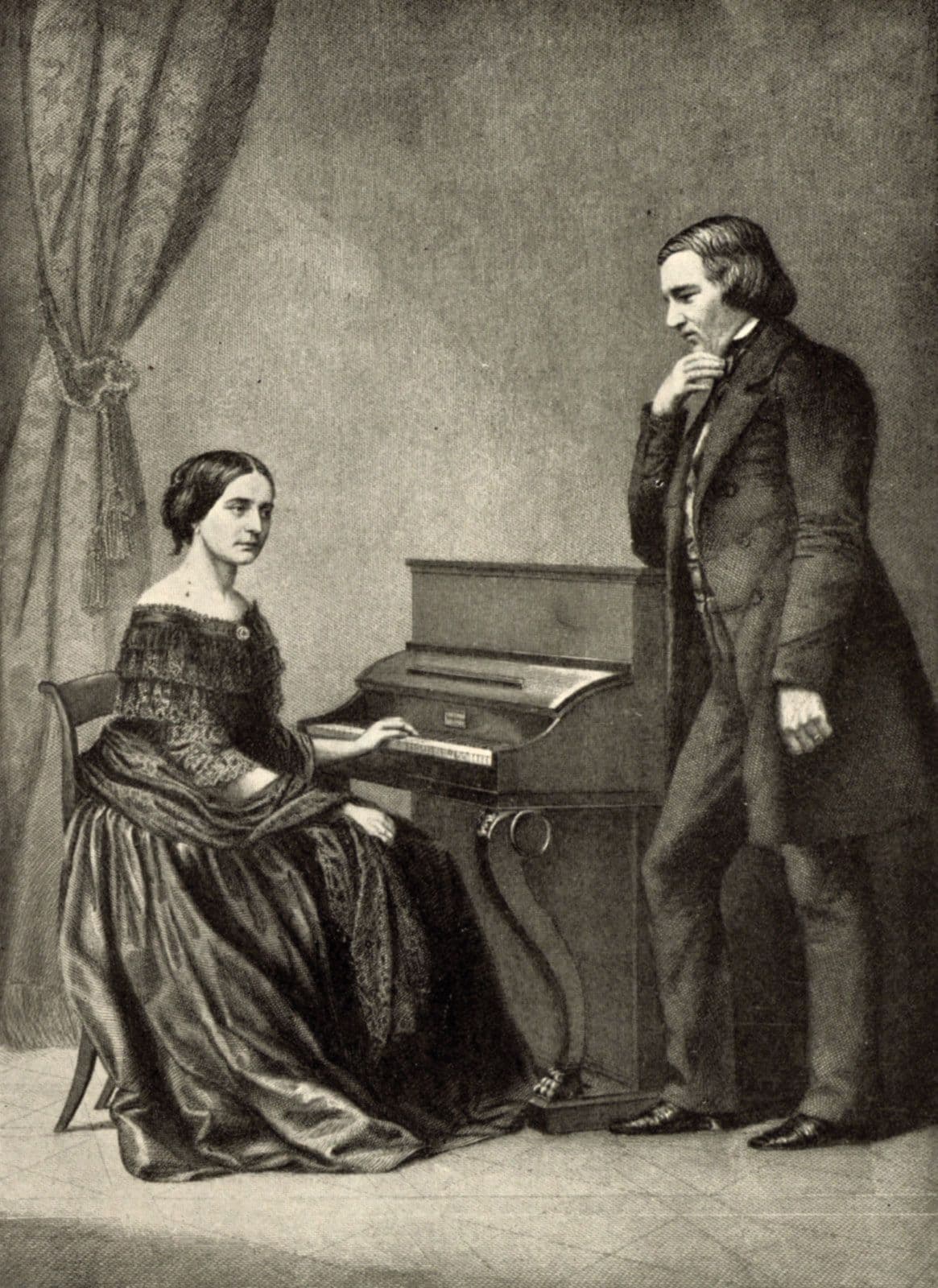
Robert and Clara Schumann, 1850
He was also falling in love with pianist Clara Wieck, whom he had known since she was nine. They would declare their love to one another in 1836, but in the years before, they communicated as colleagues – and flirted as friends.
His first piano sonata explored Schumann’s longing for Clara. He published it under the pseudonym Florestan and Eusebius, two alter egos he’d created to represent two different sides of his personality and dedicated it to her. He later described the sonata as “a solitary outcry for you from my heart… in which your theme appears in every possible shape.”
The sonata does not follow typical 19th-century piano sonata convention. Instead, it embraces an atmosphere of improvisation and pining rapture, offering a vision of the piano sonata as autobiographical narrative. That was a vein that other composers would return to mine.
1840s: Chopin – Piano Sonata No. 3 (1844)
In the summer of 1844, Chopin – then in his mid-thirties – wrote his third piano sonata.
The number is striking; by the same point in his life, Beethoven had written over twenty. This trend was emerging across the board: composers were not writing piano sonatas at the same rate as their forerunners.
Smaller, freer genres like fantasias, nocturnes, preludes, and the like came into vogue during the 1830s. When composers did write piano sonatas, they tended to write few at most, and made them serious statement pieces, always aware of Beethoven’s monumental shadow.
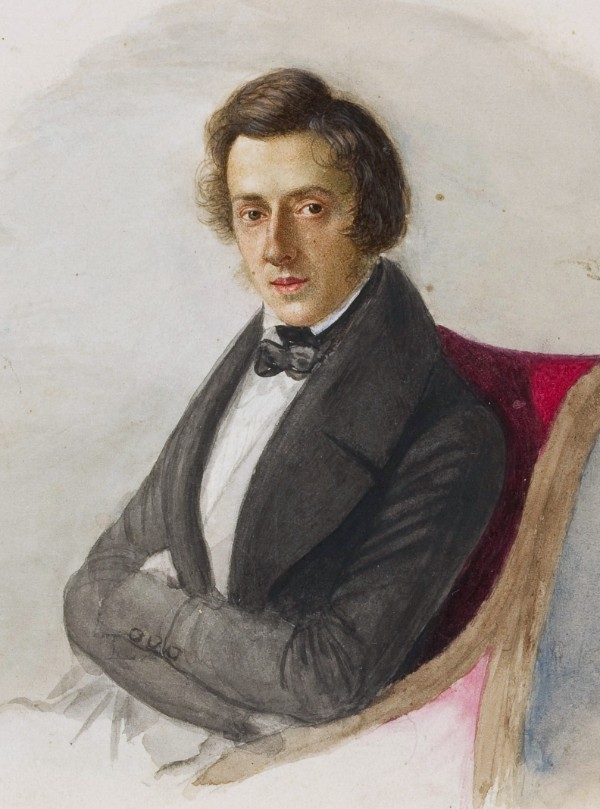
Maria Wodzińska: Frédéric Chopin, 1836 (Wasaw: National Museum)
This is the case with Chopin’s third piano sonata. The opening is a weighty Allegro maestoso; the second movement, a brief wisp of scherzo; the third, an operatic largo; and the finale a biting, presto rondo in a minor key. It was clearly meant to be heard as an intellectually and musically rigorous work.
1850s: Liszt – Piano Sonata in B minor (1842–1853)
Franz Liszt completed his B minor sonata in 1853 and dedicated it to Robert Schumann.
However, by the time a published copy arrived at the Schumann household, Robert had been committed to an asylum due to his mental health issues. Clara Schumann was devastated by her husband’s decline, and she didn’t like Liszt or his music, so she never performed it publicly.
Liszt himself had retired from public performance, focusing on teaching, composing, and conducting. As a result, the work wasn’t premiered until 1857, when Liszt’s student Hans von Bülow tackled it.
The work’s reception was hostile, in part because of its avant-garde structure: it consisted of a single movement that discarded traditional development in favour of a slower, more gradual metamorphosis.
It’s fair to ask: when does a piano sonata cease to be a piano sonata and turn into something else?
Beethoven’s legacy was still looming large – but with this sonata, Liszt began to knock down the walls between genres.
1860s: Grieg – Piano Sonata (1865)
Liszt’s breaking of the genre in the 1850s typified how more and more composers turned away from piano sonatas in favour of freer solo genres, or the drama of piano concertos. As a result, there aren’t as many universally acclaimed piano sonatas from the second half of the century compared to the first.
However, some composers still wanted to try their hand at the genre. Grieg was one of them. He wrote his piano sonata over eleven inspired days in 1865, at the age of 22.
Grieg doesn’t fully embrace every aspect of the Austro-German sonata tradition; it’s early, but it offers glimpses of Grieg’s mature, folk-influenced style. For example, the second theme in the first movement resembles a Norwegian halling dance.
It’s a transitional work, straining against standardised sonata form and toward the folk-inflected voice that would define the rest of Grieg’s career. He would never return to the genre again.
1870s: Tchaikovsky – Grande Sonata in G major (1878)
Tchaikovsky, like Grieg, wrote his first piano sonata in his early twenties. But unlike Grieg, he returned to the genre in 1878, at the age of 38.
The historical record is unclear as to why. He struggled during the composition, writing in a letter to his brother, “I’m working on a sonata for piano… [it] does not come easily.”
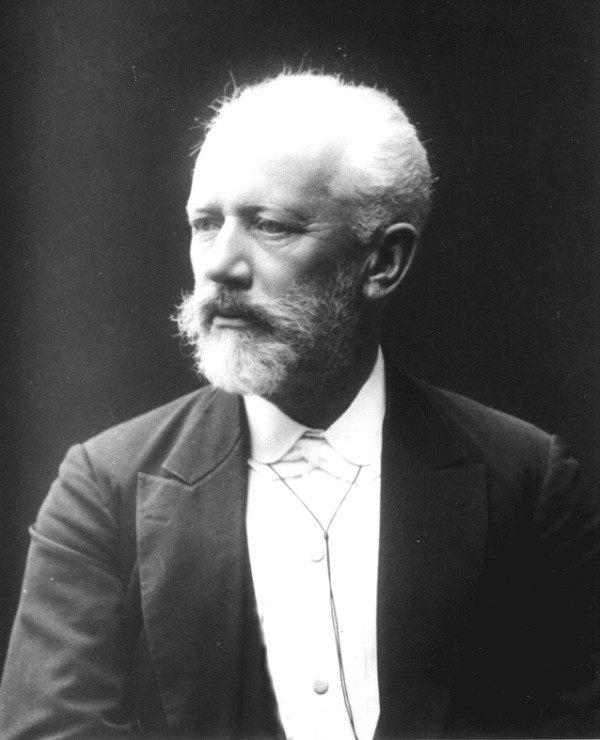
Pyotr Ilyich Tchaikovsky in 1893
Halfway through, he got sidetracked by a visiting friend and rumoured former love interest, violinist Josef Kotek, and his inspiration magically returned. (He wrote his famous violin concerto in about a month.) Afterwards, he returned to this sonata refreshed.
The work was celebrated in Tchaikovsky’s lifetime, but it has since fallen out of favour, with pianists preferring his first piano concerto and piano trio over this sonata.
1880s: Aulin – Piano Sonata, “Grand Sonate Sérieuse” (1885)
Valborg Aulin was born in Gävle, Sweden, in 1860. She began taking piano lessons from her grandmother as a child, later enrolling at the Royal College of Music in Stockholm. In 1885, she left for Copenhagen to study composition under Niels Gade, Grieg’s teacher.
That same year, she wrote this piano sonata. Not surprisingly, it shares striking similarities with Grieg. Its F minor key and subtitle (“Grand Sonate Sérieuse”) may also reference Schumann’s third piano sonata, also in F minor and labelled the “Grande Sonata” by Schumann himself. Aulin was clearly in conversation with the past.
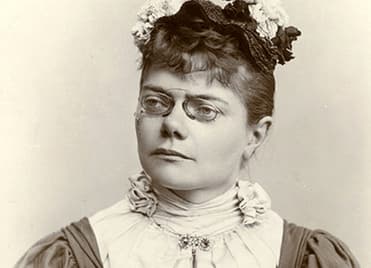
Laura Valborg Aulin
To the best of our knowledge, Aulin never returned to the form, typifying her generation’s relationship with the genre: writing a piano sonata, then focusing on single-movement works.
She never married and moved away from Stockholm in her forties, so she had no children or influential students or colleagues to help keep her work alive. Still, even though her work fell into obscurity, it is brilliant and shines a light on the genre’s history as the century came to a close.
1890s: Scriabin – Sonata No. 1 (1892)
Around his 20th birthday, Scriabin injured his right hand from overpracticing works by Liszt and Balakirev. His injury was so dire that a doctor told him he’d never play again.
He channelled his emotions about the diagnosis into his desperate first piano sonata, written after he graduated from the Moscow Conservatory.
The sonata’s threatening, bass-heavy opening nods to his reliance on his left hand while his right was injured. The second movement expresses sorrow; the third is a demonic scherzo; and the finale is a bleak funeral march, representing the death of his career.
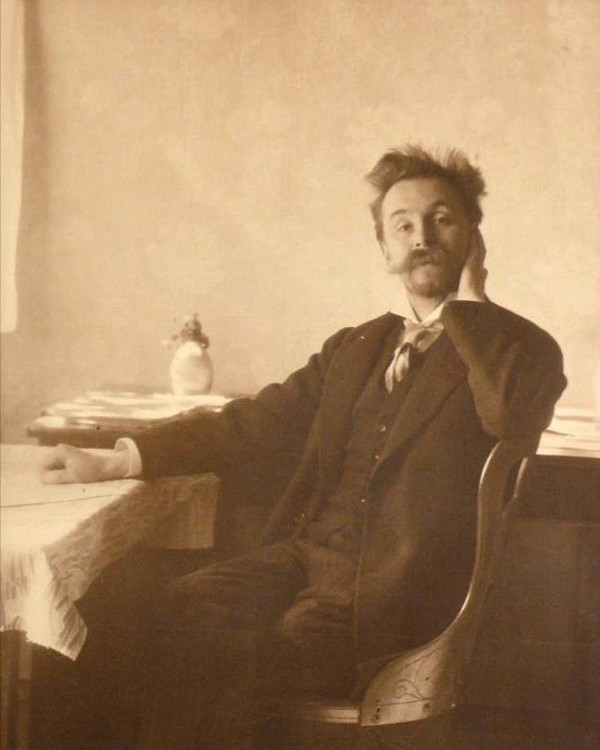
Alexander Scriabin
Unlike many of his peers, Scriabin returned to the piano sonata genre ten times, making him one of the comparatively few composers who championed it into the 20th century.
However, even though he embraced the form, he innovated within it. By the end of his career, he used the genre as a container for radical experimentation with tonality and mysticism.
The piano sonata was still around, but it had grown increasingly unrecognisable since Beethoven’s day.
Conclusion
In the end, the piano sonata genre evolved into a tool especially well-suited for structural innovation and autobiographical storytelling. Schubert helped to codify the model of the post-Beethoven piano sonata; Liszt later helped shatter it. Schumann used it to express his love; Scriabin used it to express his grief.
During the 19th century, the piano sonata was constantly asking what role it had to play. Decade after decade, countless composers answered the question with meaningful, moving works we still enjoy today.
For more of the best in classical music, sign up for our E-Newsletter