Dutch composer Douwe Eisenga is offering the sheet music of his popular composition For Mattia as a free download for pianists and harpists. Written in 2017 at the request of Mattia’s parents, the piece commemorates their daughter, who died by suicide in 2015 after a long struggle with mental illness. The work became an unexpected success in the Netherlands, entering the Dutch Classical Top 400 less than a month after its release. Nearly ten years later, Eisenga has decided to share the music freely, hoping it will continue to reach listeners and performers worldwide.
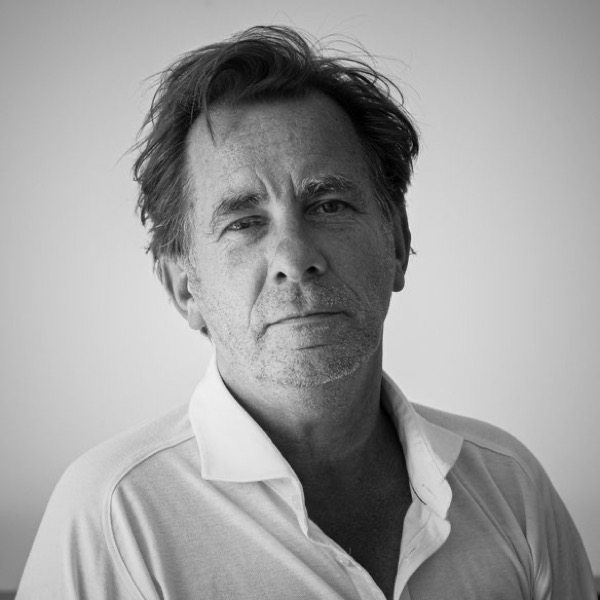
Douwe Eisenga © Kees de Kroo
Although For Mattia was written in her memory, Eisenga explains that the composition does not tell her story. Her name is hidden in the first theme, and the music follows a classical sonata form, which he believes contributes to its timeless quality.
For Mattia (original version)
Since its release, For Mattia has appeared in the Dutch Classical Top 400 every year and inspired new arrangements, including a version for marimba and alto saxophone featured in a theatrical production about grief. Eisenga is currently preparing an arrangement for harp and string ensemble for a harp festival in Toronto in summer 2027.
Despite the work’s continuing success, Eisenga’s relationship with the music has hardly changed. “If anything has changed, it is my gratitude for having been allowed to write this piece,” he said. “That gratitude has only grown over these ten years.”
Yet the work’s popularity also brought mixed feelings. As a father of three, Eisenga found it difficult even to imagine the grief of losing a child. He sometimes felt uncomfortable with the professional opportunities that came from such a personal tragedy. Mattia’s parents, however, have always reassured him that their daughter would have welcomed the music’s success. “Mattia would love that ‘her’ music has taken flight like this,” they told him. For them, their daughter remains present through the music.
His decision to give away the score, however, came from a different kind of discomfort. Eisenga had grown tired of promoting his work through social media, particularly the constant “look at me” posts. About a year ago, he decided to stop and began considering what he could offer instead of asking people to listen, buy music, or attend concerts.
“I could think from abundance instead of scarcity. That I could give something unconditionally.”
The result was a free download of the shorter version of For Mattia, a piece that had already given him so much.
For Mattia (short version)
The original For Mattia lasts just over eight minutes, while the shorter, four-minute version gained popularity after Eisenga performed it on Dutch television. By skipping the original’s more abstract middle section, the shorter version is more accessible to students and amateur pianists and harpists.
For Eisenga, music takes on new meanings through the experiences of those who perform and hear it.
“Every listener creates their own story with every piece of music and attaches their own meaning to it,” he explained. “I don’t want to dictate emotions in my music; I want to give every listener the space to recognise their own experiences in the notes.”
Anyone can download the score without providing an email address, making a donation, or leaving a message. Although the music has been widely shared, Eisenga does not keep track of who receives it. The score has appeared in a harp magazine, and new performances have emerged on YouTube.
“If there is a goal at all, it is the unconditional passing on of the comfort this music can bring.”
Over the years, Eisenga has heard from many listeners who connected with For Mattia in different ways. One story has stayed with him. After a concert, a woman told him that her husband had listened to the piece continuously during his final three days in hospice care.
“Those are stories that leave me very quiet,” he said.
Another experience dates back to 2003, when Eisenga composed The Flood, Requiem to commemorate the fiftieth anniversary of the devastating 1953 flood in the Netherlands.
After the concert series, he received a letter from a woman who had attended with her father. As a child, the man had experienced the disaster, but for fifty years he had been unable to speak about it. After hearing the requiem, he finally began to share his memories.
“For the first time in fifty years. That is what music can do.”
Eisenga is also considering making more of his compositions freely available, including Julia, another work connected to Mattia. Julia was Mattia’s second name, and the composition grew from an unused idea in Eisenga’s composition diary, where he regularly records musical sketches, experiments, and thoughts. Giving the later work Mattia’s second name felt natural to him.
His creative process reflects an interesting balance between intellectual discipline and instinct. He explained that composing is largely a matter of the mind, requiring a certain detachment for the music to achieve universal value. Yet when deciding whether a piece is ready to be shared, he relies on a much more physical response.
“The music must give me goosebumps,” he said, or, if it has an irresistible groove, make him want to jump around his study.
“That is primal, that is the foundation. That is music.”
The shorter version of For Mattia is available as a free download for piano and harp through Douwe Eisenga’s website.
For more of the best in classical music, sign up for our E-Newsletter