
Franz Liszt had a number of worldly vices, and alcohol, cigars, and cognac ranked high on that list. Mealtime with Franz Liszt invariably meant getting hammered! When he attended a banquet in Prague in 1846, Hector Berlioz was in attendance
Liszt
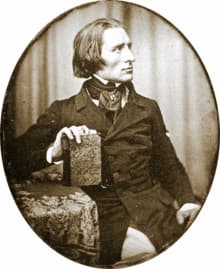
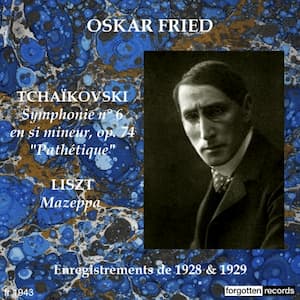
Lord Byron’s narrative poem from 1819, Mazeppa, was one of the great influential pieces of Romantic writing. Plays, musical pieces, operas, novels, even circus performances were based on the work. The poem tells the legend of Ivan Mazepa (1639-1709). Mazepa
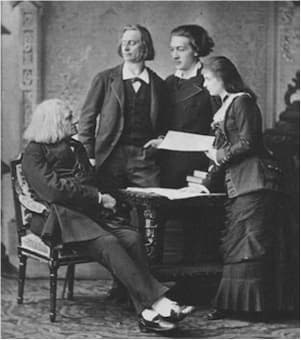
Franz Liszt first met Hector Berlioz a few months after the July Revolution. He attended the first performance of Berlioz’s Symphonie fantastique in the company of the composer on 5 December 1830. Almost immediately, Liszt started work on his piano
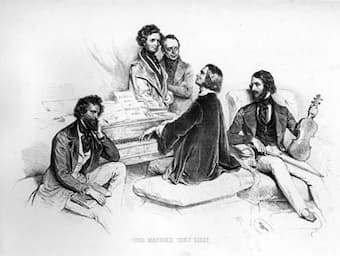
Franz Liszt was the greatest piano virtuoso of his time; possibly the greatest of all time! His sensational technique and captivating concert personality turned him into the ultimate rock star of the 19th century. However, this notoriety also created uncertainty,
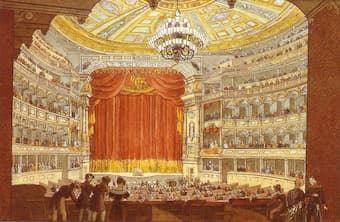
Enjoying the shores of Lake Como with Marie d’Agoult in 1837, Franz Liszt (1811-1886) immersed himself in a close reading of Dante’s Divine Comedy. The idea of composing a symphony to Dante’s Divine Comedy, one that would combine music, poetry
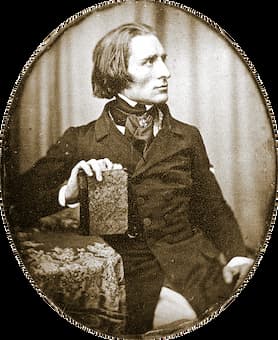
Franz Liszt was born to Marie Anna Lager and Ádám Liszt on 22 October 1811. His father was a gifted amateur singer, pianist and cellist who took part in summer concerts at the Esterházy estates. He personally knew Joseph Haydn,
In 1839, Franz Liszt (1811-1886) returned to Hungary, which he had left in 1822 at age 11. In the new nationalism that was sweeping Europe, he was hailed as a true Hungarian champion. As part of his musical explorations of
In our current musical world, we can hear, literally, anything at anytime. Want a string quartet – The Kronos is on call. Want a piano recital – voilá, Lang Lang appears (if that’s who you want). A full orchestra can