
Few works in the violin repertoire inspire as much devotion – and as many recordings – as Felix Mendelssohn‘s Violin Concerto in E minor. A cornerstone of the Romantic violin canon, this concerto balances elegance, virtuosity, and lyricism. Its popularity
Mendelssohn
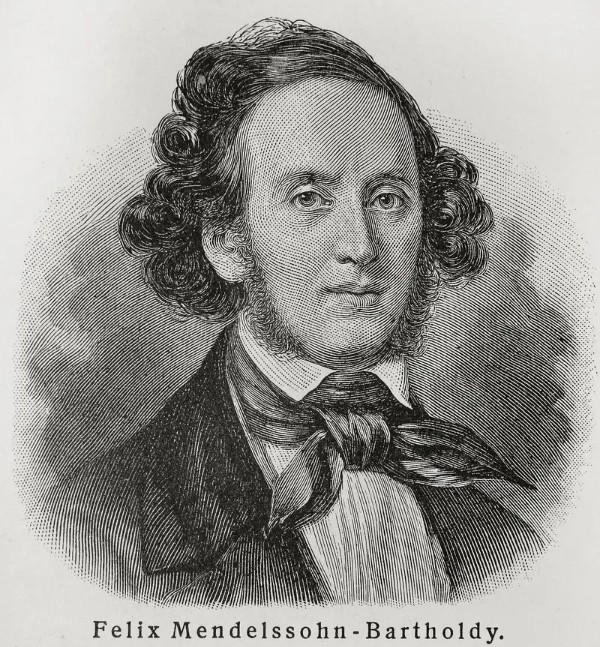

Felix Mendelssohn (1809–1847) traveled to England and Scotland in 1829, and that visit was important for his musical writing, as it was the source for not only his Third Symphony but also for The Hebrides Overture, despite them being written
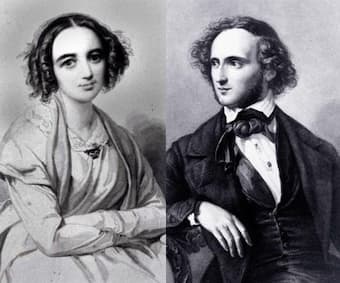
Felix Mendelssohn (1809–1847) and his older sister Fanny Mendelssohn Hensel (1805–1847) shared an extraordinary musical bond. Trained together in childhood by the same teachers, the two prodigies developed strikingly similar foundations. As musicologist Angela Mace Christian told smithsonian.com in 2017,
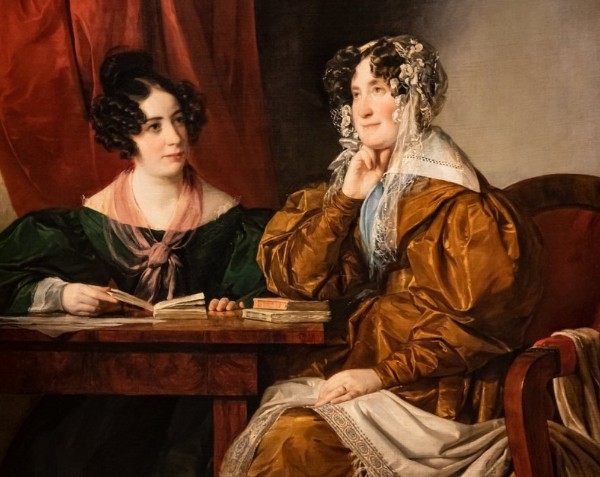
Felix Mendelssohn is often credited as the man who popularised Johann Sebastian Bach. Although he mounted important performances of Bach’s St. Matthew Passion, leading to a Bach revival, Felix was not the only member of his family who made this
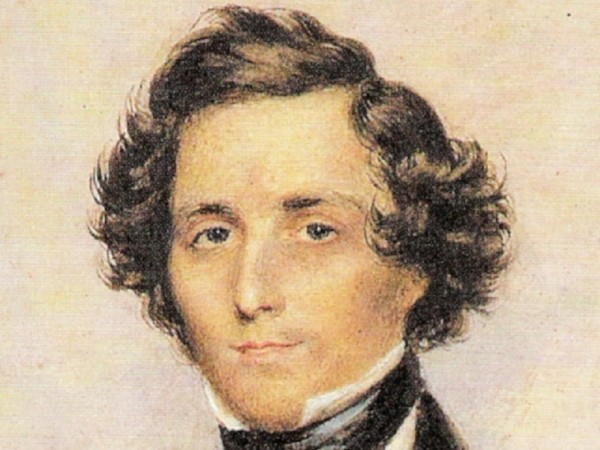
Felix Mendelssohn (1809-1847) is often painted as the polite and well-mannered Romantic. We certainly know him as the composer of fairy wings, sparkling scherzos, and elegant melodies. But as soon as you spend a little time at the piano with
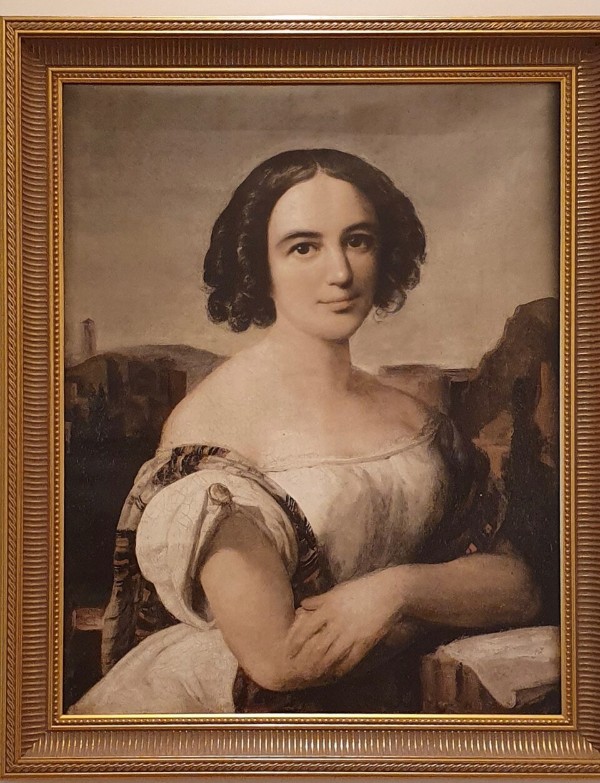
Fanny Mendelssohn-Hensel (1805–1847), elder sister to the celebrated Felix Mendelssohn, was a prodigious composer. Did you know that she composed over 460 works, including songs, chamber music, choral pieces, and solo piano compositions that rival her brother’s works in sophistication
Felix Mendelssohn (1809–1847) is often celebrated for his orchestral masterpieces like the Italian Symphony or the incidental music to A Midsummer Night’s Dream. However, Mendelssohn was not only a prodigious composer but also one of the finest pianists of his
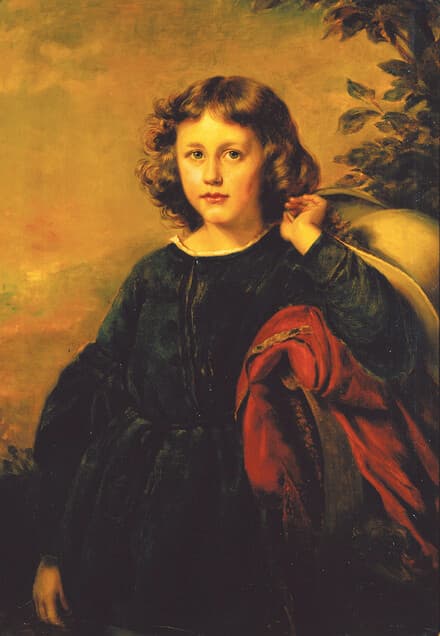
In the spring of 1836, Felix Mendelssohn met a singer named Cécile Charlotte Sophie Jeanrenaud, who was a member of the Cäcilienverein choir in Frankfurt. He was immediately attracted to her. That summer, he returned to Frankfurt, wanting to get