If composing were a video game, writing a symphony is the final boss: the hardest challenge to meet, requiring the composer to use everything they’ve learned about their craft.
Historically, symphonies have been the form composers feared above all others – and also the one they wanted most to conquer.
Because of their high creative stakes, many of the greatest works of classical music are symphonies.
Today, we’re looking at what a symphony is, how it developed, what makes it so great, and what essential symphonies you will enjoy.
Symphony: The Basic Definition
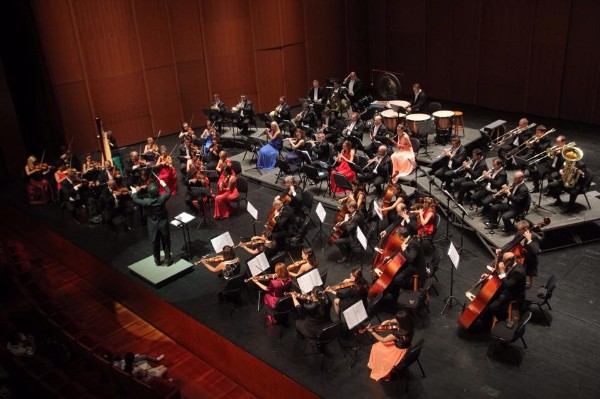
Bucharest Symphony Orchestra © Wikipedia
The definition of a symphony is pretty simple: it’s an intricately crafted work for full orchestra in four movements.
The first movement – sometimes introduced by a stately slow section – is usually a dramatic, energetic Allegro that sets the stakes.
The second movement is slower, offering contrast and a space to breathe.
The third movement draws on dance rhythms, sometimes humorous or punchy.
Then, the fourth and final movement provides a resolution to the struggle that has come before.
When eighteenth- and nineteenth-century symphonies veered from this general pattern, those changes made major impressions on audiences.
How Did the Symphony Develop?
Variations on the word symphony – such as sinfonia or sinfonie – began appearing in works in the seventeenth century.
By the mid-eighteenth century, a standardised form called a sinfonia had emerged. A sinfonia was often placed before, after, or even during a performance of another work, such as a suite or opera.
Sinfonias grew into three-movement works, with a fast movement, slow movement, and then a fast dance movement for a happy and satisfying ending.
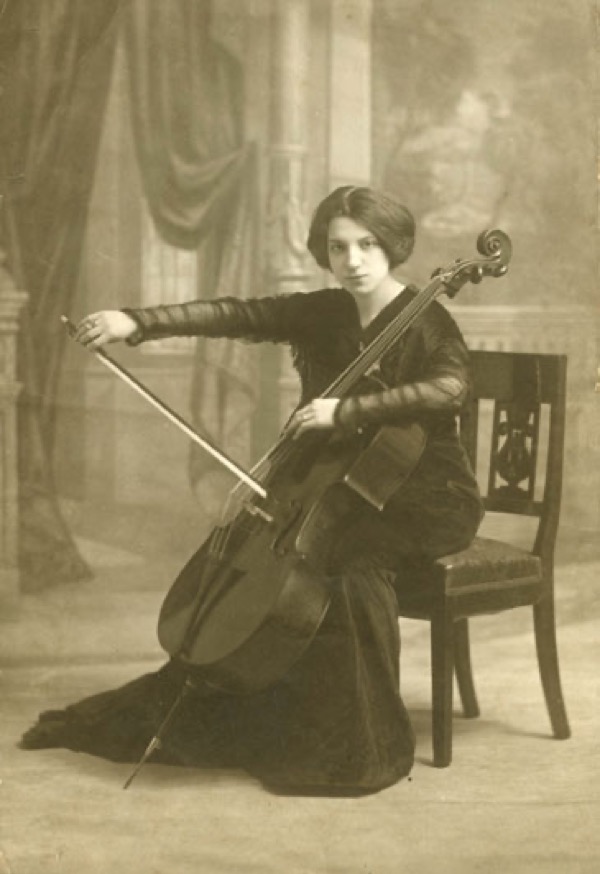
Marianna Martines’s Sinfonia
During the second half of the eighteenth century, the genre evolved into something more complicated, thanks to the patronage of the European aristocracy and the talented composers they hired: men like Joseph Haydn and Wolfgang Amadeus Mozart.
During his decades-long career working for the Esterházy family, Haydn spent most of his time in their rural palace, with free creative rein over their private orchestra.
During this time, Haydn solidified the symphonic template – and wrote over a hundred. Mozart built on Haydn’s accomplishments, lending his own twist to the form, but he died at 35.
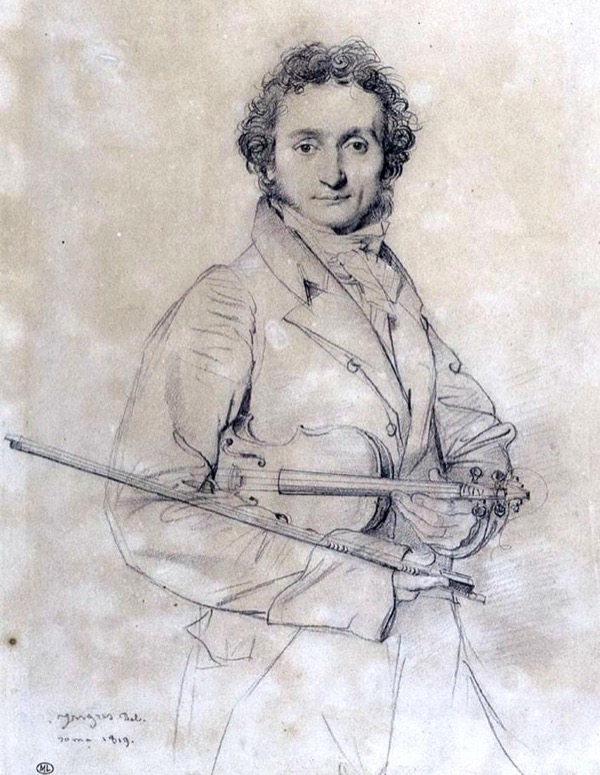
Beethoven’s Symphony No. 3
Ludwig van Beethoven’s first symphony was written between 1799 and 1801. It is an intriguing, if relatively conventional, entry into the genre.
However, by his third symphony (nicknamed Eroica, or the Heroic), which he initially dedicated to Napoleon, he had reimagined the symphony as something that could make profound political and philosophical statements.
Taken together, Beethoven’s nine symphonies, written over a quarter century, redefined the genre and ushered the symphony into the Romantic era.
By the time Beethoven died in 1827, the symphony was widely acknowledged to be the most important, serious genre that a composer could attempt.
Why Did Writing a Symphony Become So Terrifying?
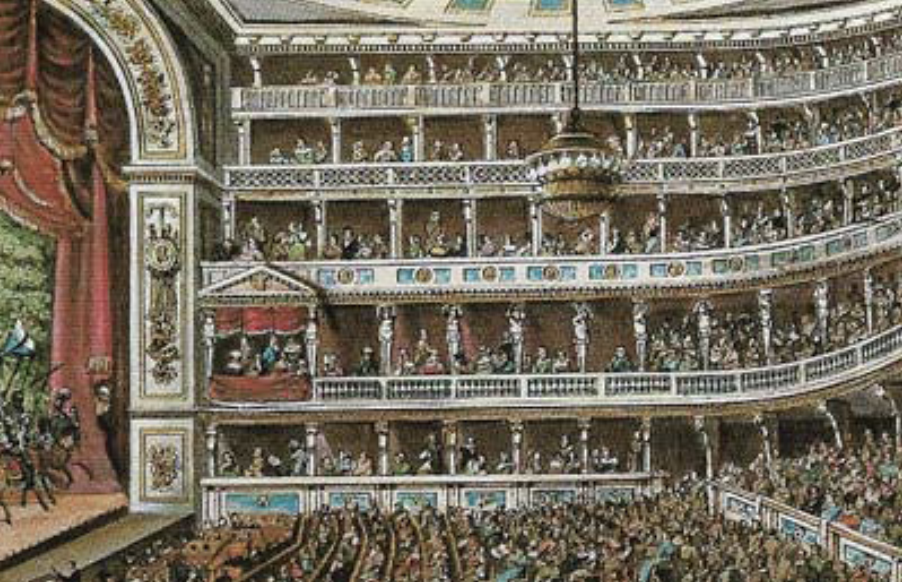
The Theater An Der Wien, Vienna where Beethoven’s 5th and 6th symphonies were performed © waso-cms-production.studiobravo.com.au
The terror wasn’t irrational; it was an accurate read of the stakes.
A string quartet or piano sonata could fail relatively quietly. However, a symphony failed in public, in front of critics, patrons, and rivals, with a full orchestra and a concert hall full of people watching.
The form demanded the largest forces, the most investment in time, and the most complex architecture a composer could attempt. It also required substantial networking and financial investment to organise and hire the players.
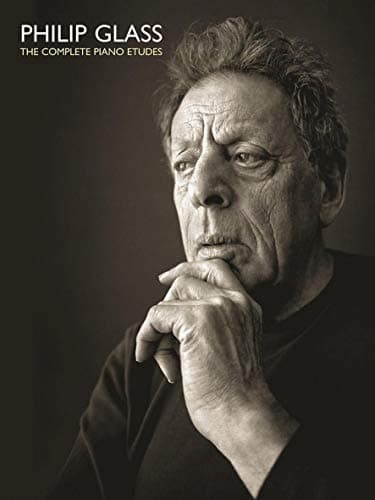
Brahms’s Symphony No. 1
By the mid-nineteenth century, the symphony had become the genre by which serious composers were judged – not just against their contemporaries, but against the entire history of the tradition.
This is why so many composers approached their first symphony with something closer to dread than excitement – and why some of the greatest ones took years, even decades, to attempt it at all.
What Makes a Great Symphony?
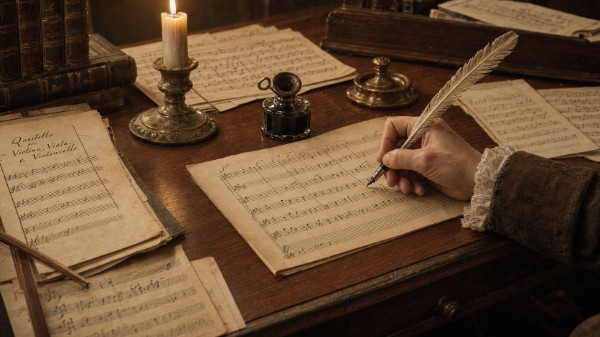
Composers have been trying to answer this question for generations. Here are a few ideas.
A great symphony should have internal cohesion. That means its four movements should feel like they all belong to the same piece, rather than being separate works stapled together. Composers can do this by using rhythm, melody, or even a general emotional trajectory.
But a great symphony should also have contrast. Just like a symphony shouldn’t feel stapled together, it also can’t be too samey from movement to movement – or else it risks getting boring. Therefore, emotional contrast and range are a must.
And for all its ambition, a great symphony still has to succeed at the fundamentals: memorable melodies, interesting harmonies, and smart orchestration to create specific sonic effects.
Famous Symphonies to Start With
Here are five symphonies from different eras to get you started.
Haydn’s Symphony No. 94 (“Surprise”)
Haydn’s Symphony No. 94 – nicknamed the “Surprise” – earned its nickname due to the surprising loud notes that come out of nowhere in the second movement Andante. Legend has it that Haydn wrote it to keep audiences awake. That story is likely apocryphal, but still funny.
Mozart’s Symphony No. 41 (“Jupiter”)
Mozart’s Symphony No. 41 was his final symphony, written during a blaze of creativity in 1788. It was nicknamed “Jupiter” after the Roman king of the gods because of its unprecedented technical achievements. The finale features a joyful fugue with a whopping five themes played at once.
Beethoven’s Symphony No. 5
You know this one already, even if you don’t think you do: the first movement starts out with bum bum bum BUM! Listen to how Beethoven takes that four note pulse and alters it relentlessly throughout the entire first movement. The rest of the symphony is fantastic, too.
Dvořák’s Symphony No. 9 (“From the New World”)
Czech composer Antonín Dvořák wrote his Symphony No. 9, “From the New World”, in 1893 while teaching in America. He was inspired by the energy of the folk traditions he encountered there. The melody of the second movement Largo is sometimes described as a Black spiritual, but it’s actually all Dvořák’s own.
Shostakovich’s Symphony No. 5
During the Soviet Union’s Great Purge of the 1930s, composers had to make sure they stayed on Stalin’s good side; if they fell out of favour, they could face censorship or even execution. This symphony was Shostakovich‘s attempt to write a crowd-pleaser to get back into Stalin’s good graces after the dictator was less than impressed with one of his operas. It has remained in the repertoire ever since.
Conclusion
The symphony has survived for centuries because it demands everything, both from the composers who write them, and from the listeners who follow along.
If you’re new to classical music, the symphonic repertoire can feel intimidating. But that’s fitting. Composers felt the same way.
What you’re hearing in these works is the sound of someone attempting something enormous. When they’ve succeeded, the results have echoed through generations.
For more of the best in classical music, sign up for our E-Newsletter