
Franz Liszt (1811–1886) was the original piano superstar. He had the looks and the locks, all paired with theatrical flair and fingers that moved at blazing speed. He was the prototypical musical showman, but behind his flamboyant public demeanour was
Liszt
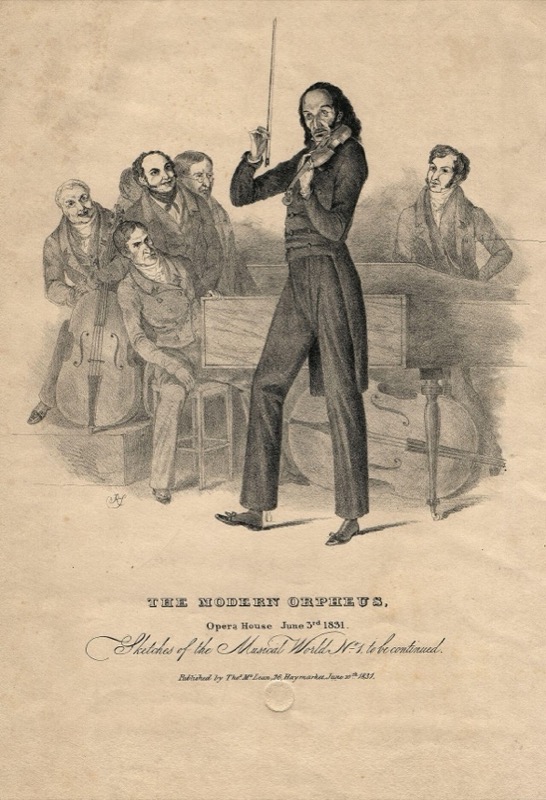
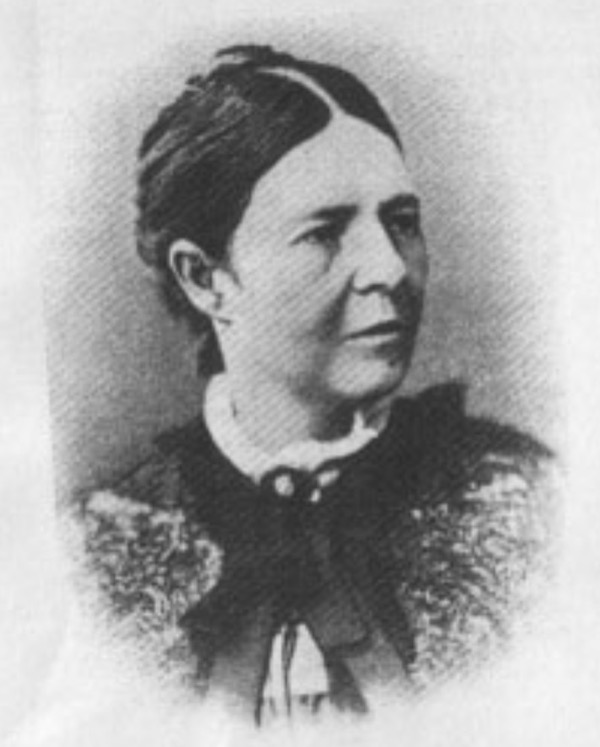
Franz Liszt is one of the most celebrated figures of nineteenth-century music: a composer, conductor, mentor, and pianist who redefined modern virtuosity. The longest modern Liszt biography is Professor Alan Walker’s three-volume work, which was published between 1983 and 1996.
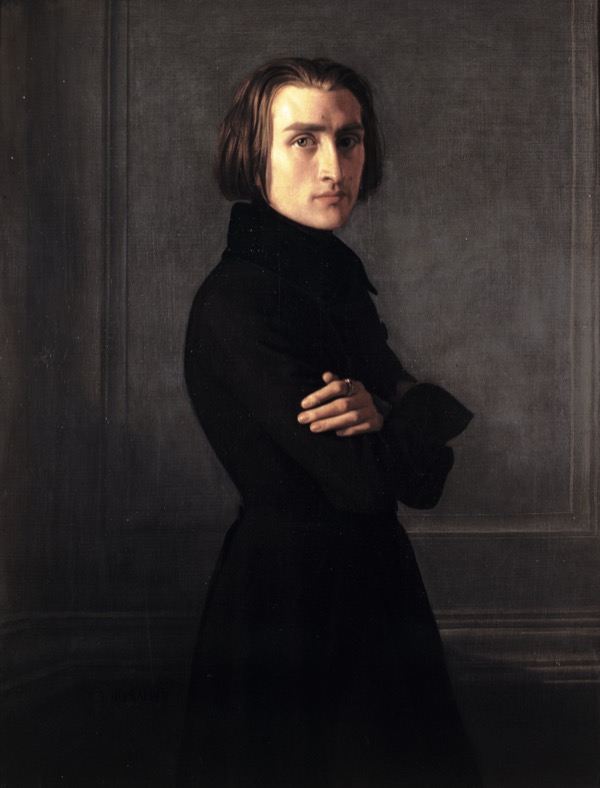
Franz Liszt was many things: the most celebrated piano virtuoso of the nineteenth century, a prolific composer, a conductor, a teacher, and a Catholic abbé. He was also a prodigious letter-writer, and his correspondence reveals a mind that was restless,
Few composers in classical music history are as shrouded in mythology as Franz Liszt. He is the ultimate nineteenth-century showman: a dazzling virtuoso whose thunderous piano works are often dismissed as all flash and ego. His fame, scandalous love life,
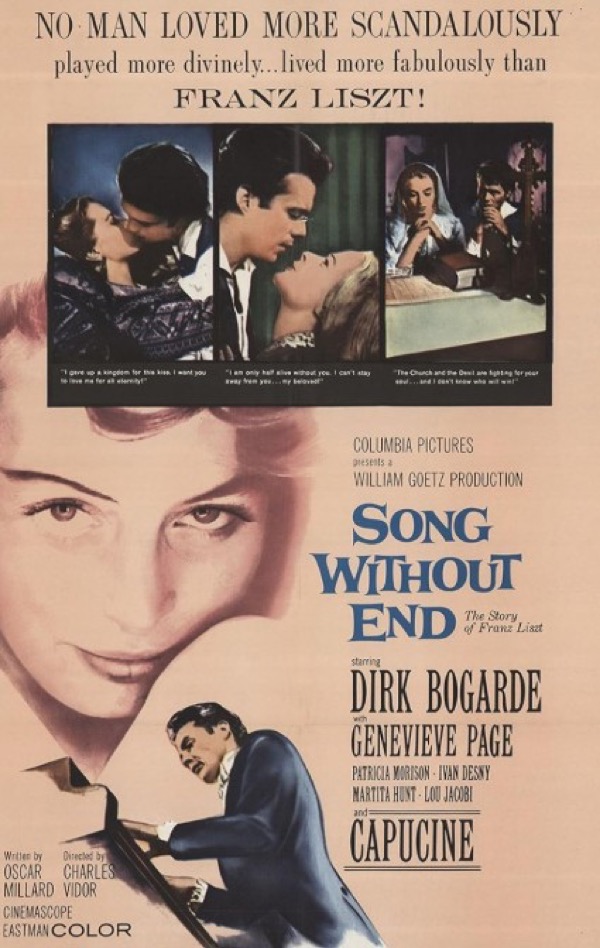
In 1960, Columbia Pictures released the romantic biopic Song Without End, tracing the love affair between pianist/composer Franz Liszt and the married Princess Carolyne zu Sayn-Wittgenstein. One would assume that this real-life story of forbidden love would make a great
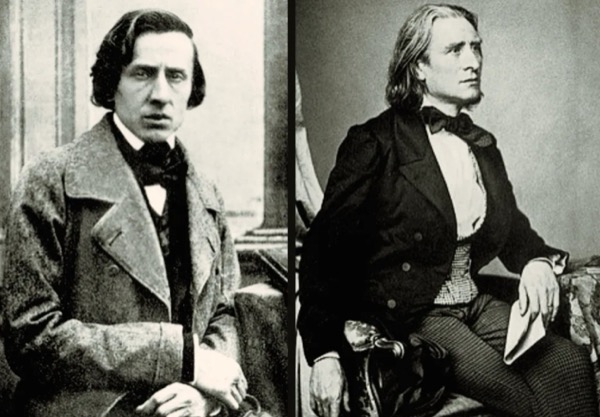
The relationship between Franz Liszt and Frédéric Chopin was complex and influential. Despite their contrasting personalities (Chopin was more of an introvert, while Liszt was a flamboyant extrovert), the two composers have remained linked in music lovers’ minds for generations.
Franz Liszt was one of the most powerful musical connectors of the nineteenth century. As a virtuoso pianist, composer, teacher, conductor, and tireless advocate for others’ music, he stood at the center of an international network of composers who admired
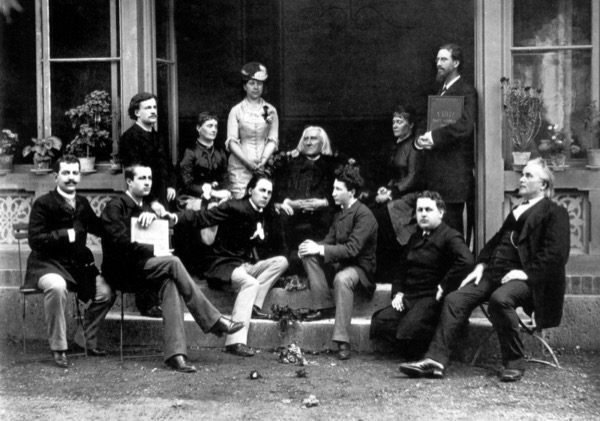
Franz Liszt is remembered today as one of the most revolutionary pianists in history, but his influence extended far beyond his own performances and compositions. During his decades teaching in Weimar, Rome, and Budapest, Liszt trained an extraordinary circle of