The third of Frances Wilson’s essays celebrating Wigmore Hall.
People, programmes and new challenges
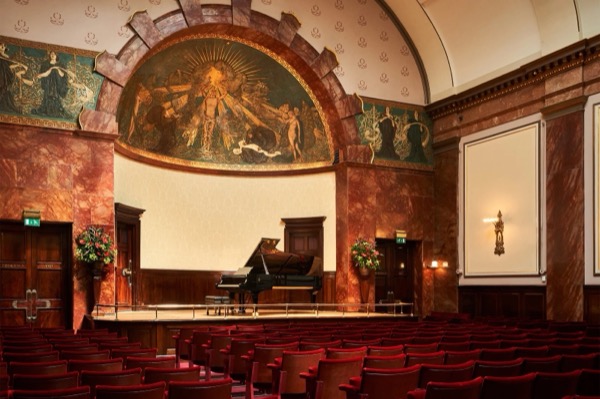
Wigmore Hall today
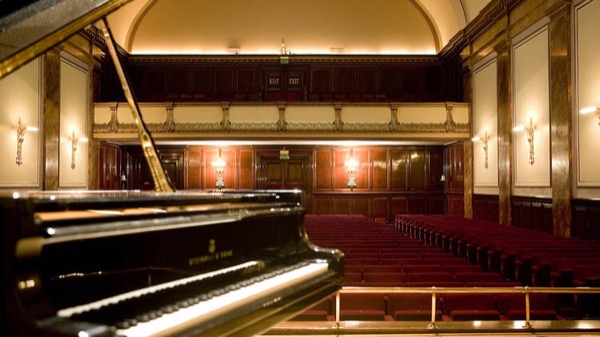
View from the stage, Wigmore Hall
Wigmore Hall has a broad remit and, in addition to lunchtime, evening and Sunday morning concerts, offers a lively education programme, masterclasses and study days, music for small babies and toddlers, and “Wigmore Lates”, concerts that start at 10pm and feature not only classical music but also jazz, folk and world music. A broad range of performers is presented – from the “big names” of international classical music (Igor Levit, Andras Schiff, Stephen Hough, Angela Hewitt, Sarah Connolly, Christian Gerhaher…) to younger artists at the start of their professional careers, and to musicians from other cultures (the African Concert Series, for example, is a popular regular feature in the hall’s annual programming).
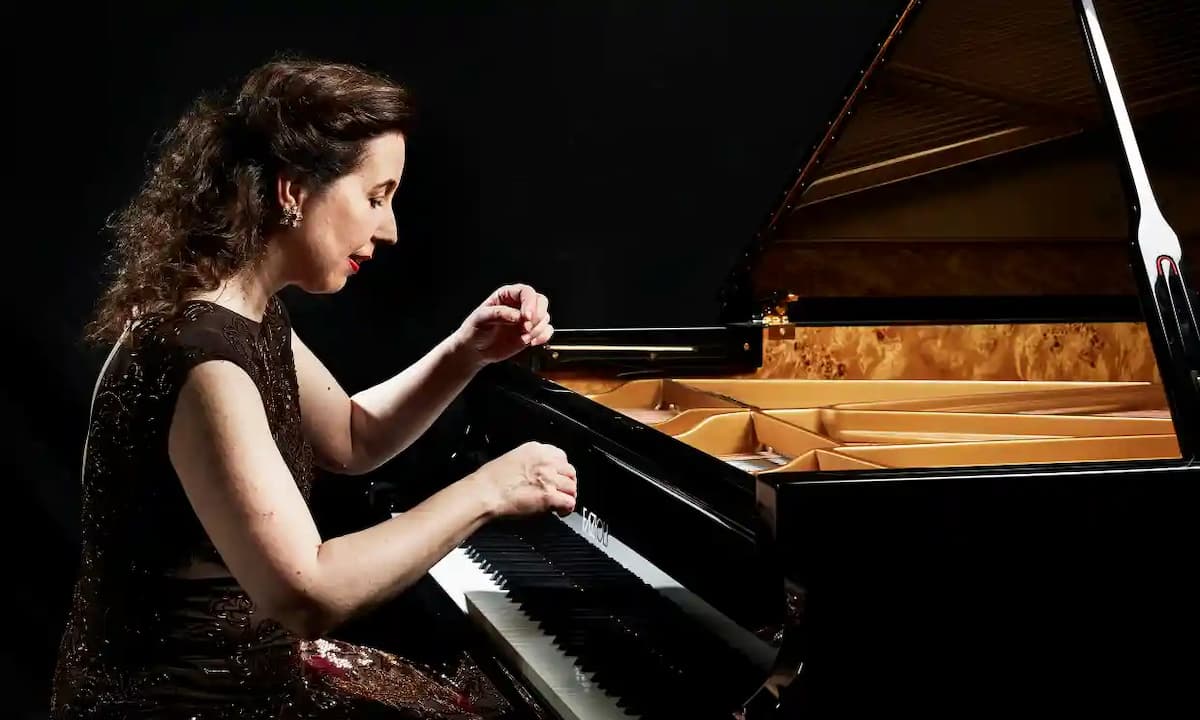
Angela Hewitt © Keith Saunders
Tunde Jegede – Kora Concerto | NOK Orchestra, Mohamed Gueye
In 2025, Director John Gilhooly revealed that he would no longer receive funding from Arts Council England, citing ACE’s “crippling”, “onerous”, and “exhausting” policy demands and red tape. The hall is now self-sufficient, thanks to a major campaign that raised £10 million. Freed from the restraints of ACE, the Wigmore can consistently deliver superb artistic quality and a wide range of programming.
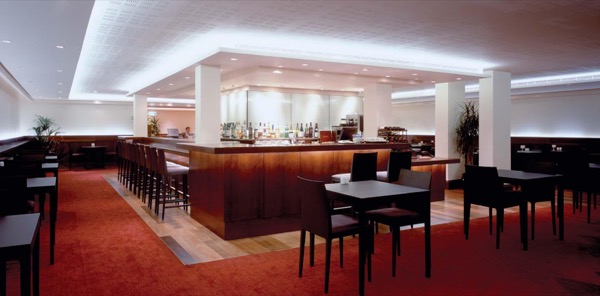
Bar and restaurant, Wigmore Hall
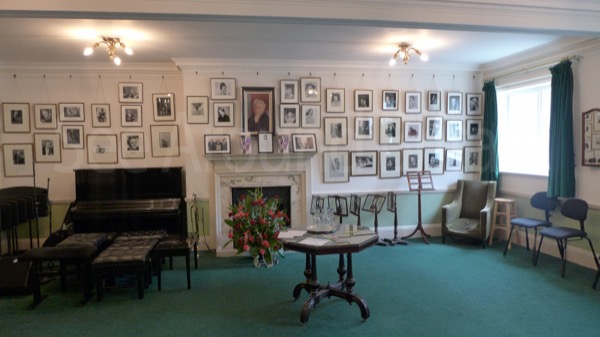
Green Room, Wigmore Hall
COVID-19 dealt a terrible blow to live performance. I was at Wigmore Hall on the last day of February 2020, for a concert by American pianist Jonathan Biss, scorching his way through Beethoven‘s piano sonatas. The house was packed, with many friends and colleagues from the piano world in attendance. There was little talk of the “novel virus”, and when a friend hugged me in the vestibule, we both laughed and said, “Maybe we shouldn’t have done that!” At that time, neither of us knew that within three weeks, London’s concert halls would be shuttered and silent.
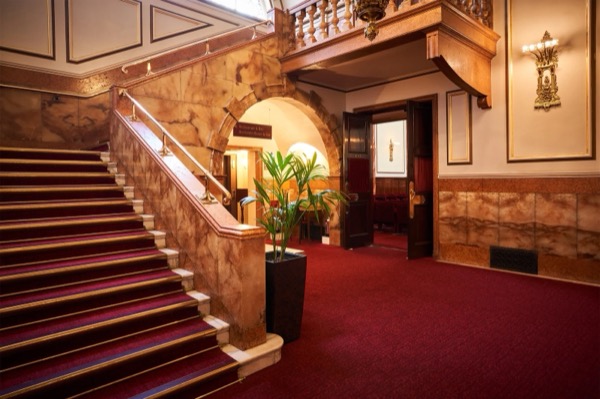
Wigmore Hall vestibule
In summer 2020, 11 weeks after closure, music filled Wigmore Hall again. John Gilhooly, the energetic and inspiring director since 2005, refused to be defeated by the virus and, in the spirit of Dame Myra Hess‘s concerts from the National Gallery during the Second World War, on 1st June, Sir Stephen Hough played the first of a series of livestreamed concerts from an empty hall (the hall had had its own broadcasting facilities from 2011). It was poignant and moving for all sorts of reasons, not least because his opening piece was the Bach–Busoni Chaconne, which Busoni himself had played in the hall in November 1902. Inspiring, uplifting and painfully wonderful, there was Stephen Hough on stage, immaculate in his usual concert attire, playing beautifully to an empty hall. The return of live music offered a glimmer of hope.
Stephen Hough – Bach/Gounod/Hough, Méditation (Ave Maria)

Wigmore Hall
The livestreamed series proved hugely popular (Hough’s concert received some 800,000 views) and gave those of us who ached for the return of proper live concerts an opportunity to enjoy music from the beloved “sacred shoebox”. But anxieties were raised about the number of people watching online concerts and livestreams: would those enjoying music from the comfort of their living rooms (and not paying £10 for a glass of wine in the bar) return when the concert halls reopened? In fact, audiences surged back to the Wigmore, with a marked increase in the number of younger attendees.
Today, Wigmore Hall seems more popular than ever, and my only regret is that, now that I no longer live in London, I can’t simply nip on a train and be there in an hour. When I worked in London and reviewed regularly for Bachtrack.com, I was at the hall several times a week, sometimes several times a day – at lunchtime and in the evening. Now, concert trips have to be planned more carefully, but I still love the unique atmosphere of Wigmore Hall (known affectionately amongst some of us as “the Wiggy”) and enjoy its ambience from afar, through its social media presence, reviews and reports from friends and acquaintances who are regulars at the hall.
“As a piano music collector, some of my favourite recordings have come from live recitals at the Wigmore…It is a treasured venue, even from this side of the pond.” (T Weir, Illinois)
Simon Höfele & Elisabeth Brauss – Richard Strauss, Das Rosenband Op. 36 No. 1
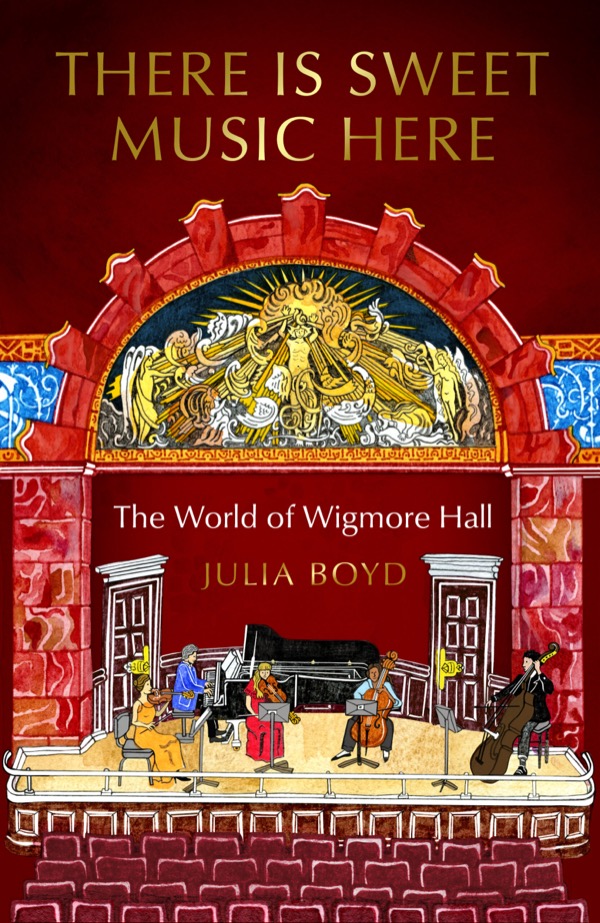
Julia Boyd, There is Sweet Music Here: The World of Wigmore Hall (Elliott & Thompson)
To coincide with Wigmore Hall’s 125th birthday, Julia Boyd’s new book There is Sweet Music Here: The World of Wigmore Hall tells the story of Wigmore Hall, one of the world’s most beloved concert halls, in vivid, enthralling detail, from its opening in 1901 to the present day. An enjoyable, fascinating and highly detailed read, There is Sweet Music Here is a wonderful tribute to Wigmore Hall, the many musicians who have graced its stage, and the audiences and others who make the venue so special.
Happy Birthday, Wigmore Hall!
There is Sweet Music Here: The World of Wigmore Hall is published in the UK by Elliott & Thompson.
For more of the best in classical music, sign up for our E-Newsletter