August is here, and Bayreuth is in the air. The 2026 festival features the German tenor Klaus Florian Vogt singing in all four parts of The Ring of the Nibelung. Elsewhere, the British-German soprano Sarah Wegener has impressed audiences with her historically informed interpretation.
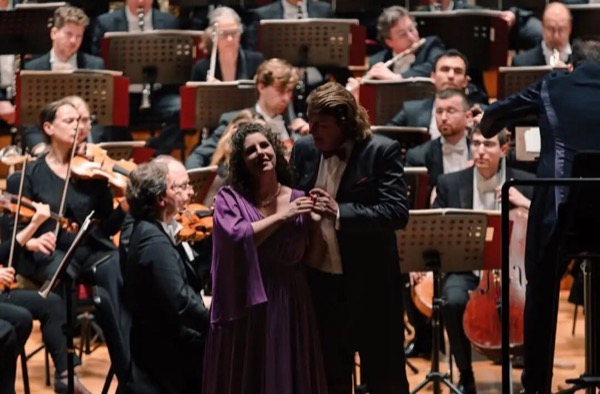
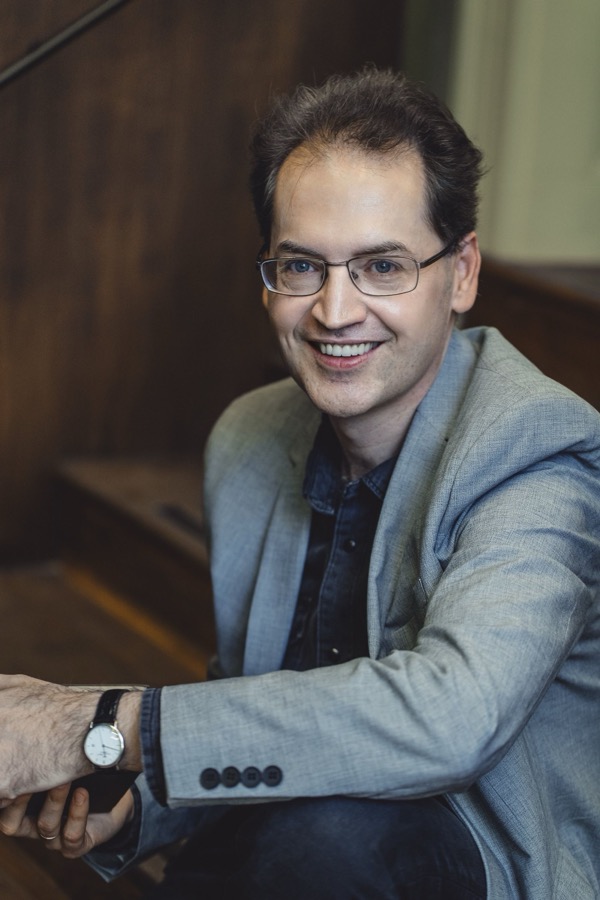
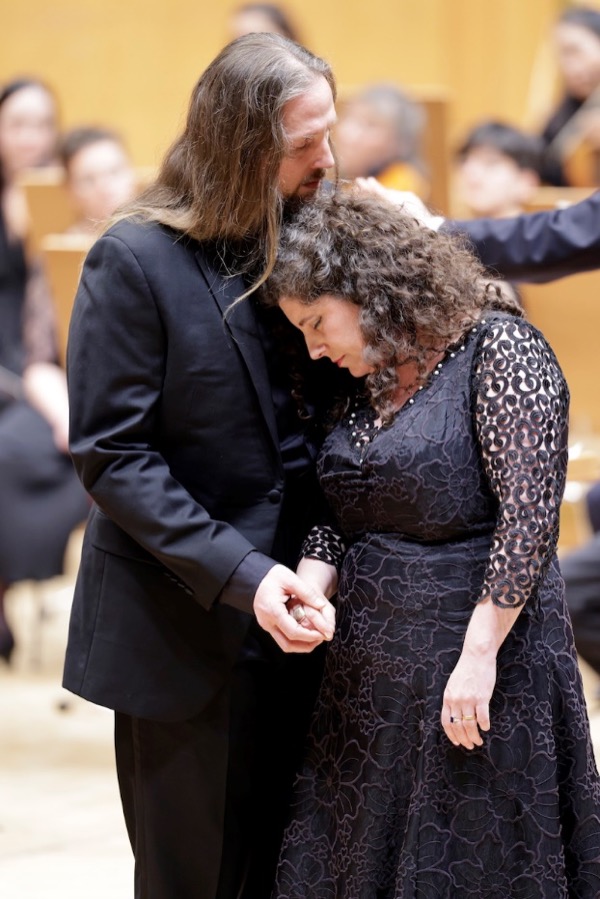
Performing at Shanghai Oriental Art Centre © Martin Seifert
When both of them visited Shanghai this May, I asked them about their fascination with Wagner and how they understood their roles as Sieglinde and Siegmund. They performed a concert version of Die Walküre, in collaboration with the Leipzig Gewandhaus Orchestra and the conductor Andris Nelsons.
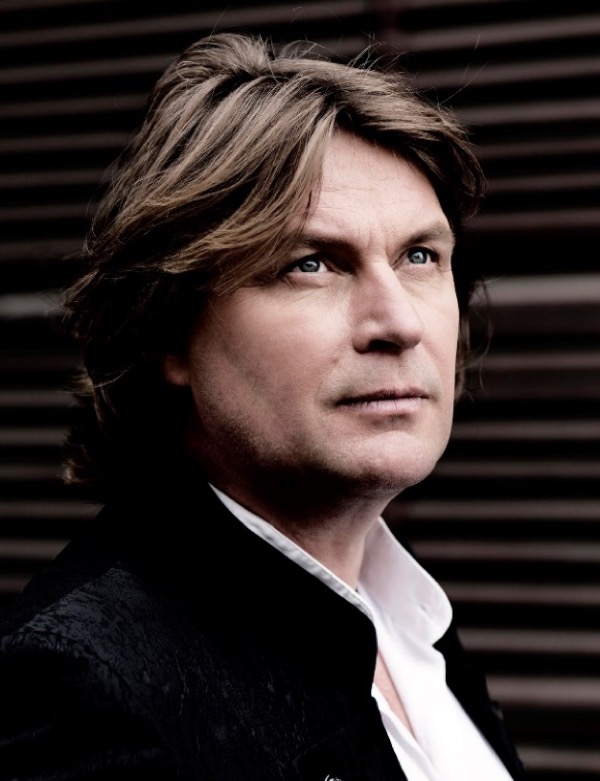
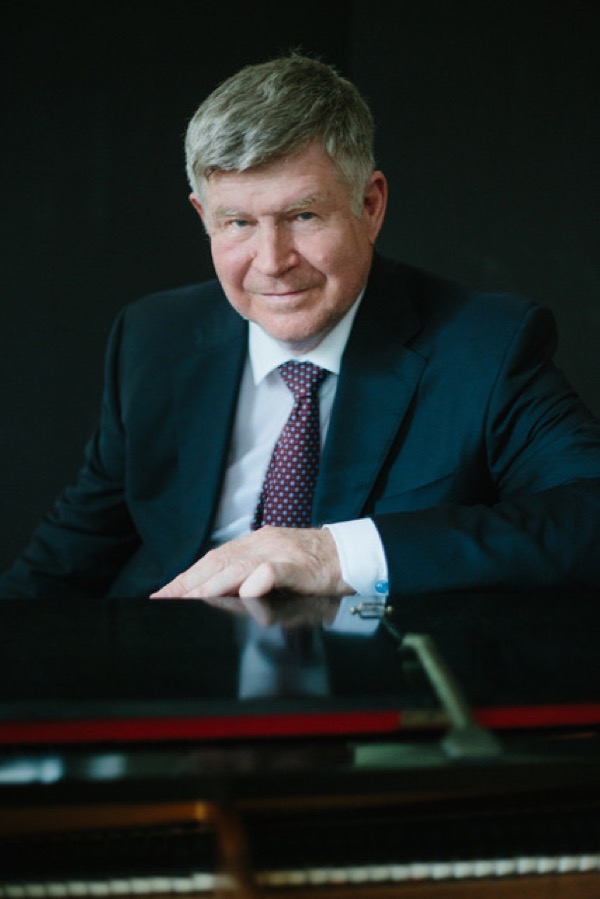
Klaus Florian Vogt
Klaus Florian Vogt: Heldentenor Knows No Fear
You were once a professional horn player. How did you become a Wagnerian Heldentenor?
Why Wagner? Because his music is incredibly attractive and addictive. Even before I became a singer, I was playing in an opera orchestra, surrounded by his music. I got to know a great deal of Wagner’s repertoire while sitting in the pit, and many of his works fascinated me from the very beginning.
I truly believe that without Wagner’s music, without his characters and his world, I would not be the singer I am today. His music inspired me so deeply that I wanted to step onto the stage and bring these roles to life. It is a great joy and a wonderful gift to perform these incredible parts and share this magnificent music with audiences.
Tenor Klaus Florian Vogt plays the horn after 6 hours of Meistersinger
In the First Act of Die Walküre, what are your favourite passages and what are the most difficult parts?
As Siegmund, the most difficult thing is to sing the whole set through (laughs). The fascination of the First Act is that it begins very softly, in a low and calm atmosphere, and then gradually expands into something much more passionate and intense. There are many soft (piano) markings in Wagner’s music. A great conductor and a responsive orchestra can create such beautiful, delicate dynamics.
I especially love the moment when I first connect with Sieglinde, as my character, Siegmund, realises he has found someone who understands him: “You blessed woman, now at last you are embraced by a friend” (Dich selige Frau hält nun der Freund). Of course, the famous “Winter Storms” (Winterstürme) is a wonderful moment.
Klaus Florian Vogt sings Winterstürme from Die Walküre
Compare the concert version with the fully staged opera; do you need to make adjustments?
In a concert version, I can bring my own clothes and choose what I want to wear (laughs). So there isn’t any costume that could potentially distract or limit me. I’m not disturbed by having to do all kinds of exaggerated actions on stage. I can decide how I want to express the character and what I want to do.
But coming back to the orchestra: first of all, when you are working with an orchestra like the Gewandhaus, you can really feel that they are all very familiar with opera and well trained in this repertoire. They know how to work with singers; they understand what singers need; and they can be incredibly flexible.
For a concert version, the feeling is, for me, mentally almost the same as in a staged performance, because I still try to enter the character, to perform and to sing, and to immerse myself in the emotions and the story of this person. When we have a little bit of space on the stage, we will also act and move in ways that are possible within the given space.
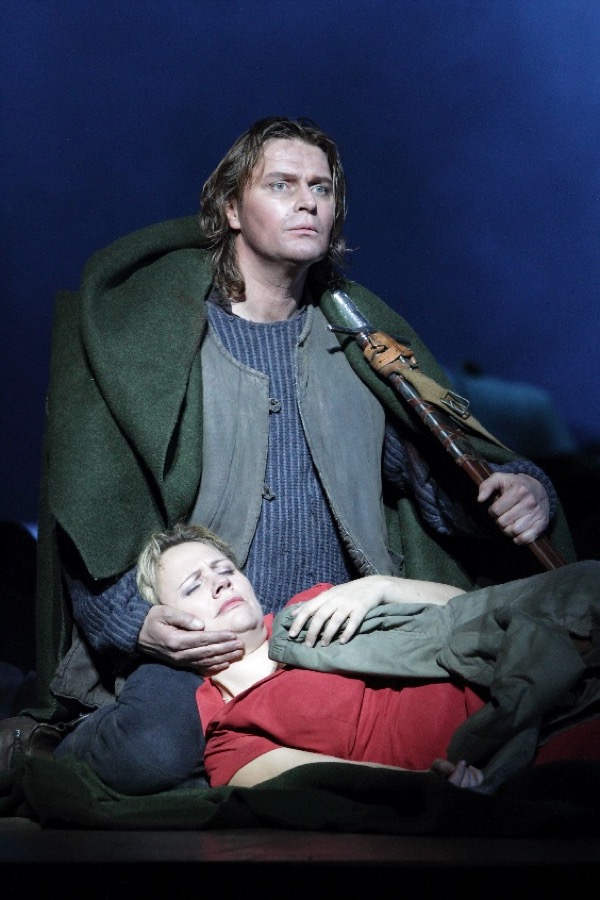
Klaus Florian Vogt as Siegmund in the 2012 Bavarian Staatsoper production
This summer, you will be singing in all four parts of the Ring cycle. Could you share your experience at the Bayreuth Festival?
Singing in Bayreuth is truly something special, first thanks to the beautiful Festspielhaus and its extraordinary acoustics. Then, I love the entire atmosphere there. Because you see the orchestra musicians every day and share the same artistic journey, the collaboration becomes something very personal.
For example, several musicians from the Gewandhaus Orchestra are involved in Bayreuth, so you develop an even stronger bond with them. The same applies to the chorus. We rehearse together every day, and we all develop a deeper connection.
Klaus Florian Vogt sings Walther’s song at the 2008 Bayreuth Festival
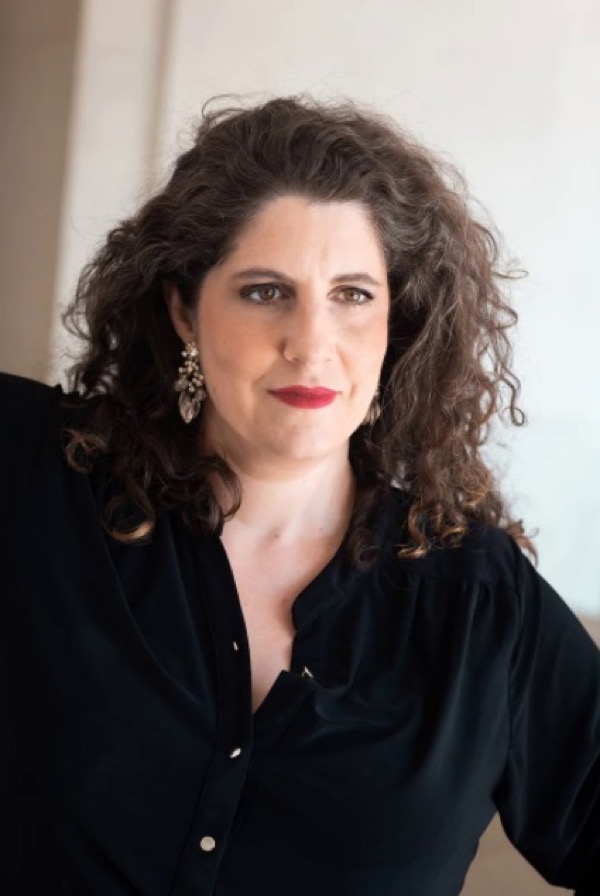
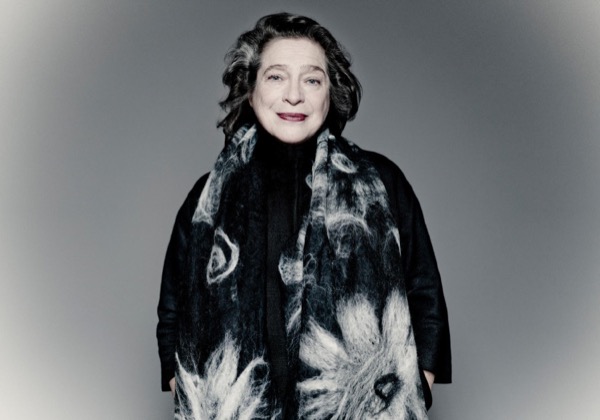
Sarah Wegener
Sarah Wegener: Historically Informed Wagner
What would you say are Sieglinde’s defining moments?
Sieglinde has beautiful lyrical passages, with long cantilena lines and legato singing overall. So I couldn’t really choose just one particular moment. I think you have to experience the whole First Act as one great arc. It begins softly, almost like a whisper, and then the emotions gradually rise. As the emotional flow develops, the music grows bigger and bigger until it becomes overwhelming — pure emotion!
Musically and harmonically, there are passages that I love very much. For example, there are moments where the singing is almost like speech, rather than a traditional melody. During “You are the spring” (Du bist der Lenz), in which my role, Sieglinde, says, “I had seen only strangers all my life…” (Fremdes nur sah ich von je) and then, “when my eyes beheld you, you were my own… I first saw a friend” (als mein Auge dich sah, warst du mein Eigen… zuerst ich den Freund ersah). At that moment, the lyrics change, and the music changes too.
Sarah Wegener as Sieglinde in 2024 © Thomas Brill
What do you need to adjust when working with the conductor Kent Nagano on a historically informed performance of Wagner?
We deliberately “exaggerate” the articulation and pronunciation so that the text comes through more clearly. The vocal coaches and German language specialists asked us to emphasise every single word. We spent a great deal of time simply working on the meaning and expression behind every phrase.
Scholars and researchers also explained the markings in the original score to us. They encouraged me to explore some of the vocal effects associated with Wagner’s favourite soprano, Wilhelmine Schröder-Devrient, including those more primal, almost scream-like sounds. In my upcoming performance of Die Walküre in China, I will also explore these colours with the same kind of courage; in some passages, I even sing completely without vibrato.
Sarah Wegener sings Sieglinde with Kent Nagano at Lucerne Festival
Sometimes people think that with period instruments, the sound will automatically be softer, but that’s not necessarily true. In fact, the gut strings themselves produce a rougher, powerful resonance, and balancing them with the voice can be much more challenging. Of course, we also used a lower tuning. We tuned to A = 435 Hz instead of A = 440 Hz, which gave the sound a golden, warmer, rounder aura. I absolutely love this kind of sonic colour.
You also sing German lieder extensively. Compared with operatic roles, what does it take to be a good art-song singer?
A great art song performer has to be like a chameleon. You need to have the ability to shift emotions extremely quickly. Opera arias are usually centred around one dominant emotion (of course, not always). Often, the entire aria may be about “I love him, I love him, I love him…” and then suddenly it can transform into “I have lost him,” or something completely different.
Art song is different. In reality, a song may last only two to six minutes, yet it can contain twenty different emotional states. While shifting between them so quickly, the singer has to be courageous and passionate enough to dive into something that you may not even fully understand yourself. You simply say: “Okay, what does it feel like to be someone who is completely crazy, for example?” Maybe I know something about that myself… (laughs). You have to throw yourself into an emotion and become it completely, rather than standing outside it and simply “acting” it.
Sarah Wegener sings Richard Strauss’ Befreit
On the opera stage, if you add too many colours to your singing, audiences sometimes may not appreciate it, because they want to hear a big voice. But in art song, you can explore vocal colours to the extreme — even allowing something that might sound “ugly”. You can give everything you have, without boundaries or limitations.
Sarah Wegener sings Hugo Wolf’s Die Kleine
Of course, you also depend on your partner — a pianist who is willing to feel what you are experiencing truly. We breathe together, shape the music together, and trust each other. If a pianist wants to perform art songs with me, they have to be very, very brave, and they also have to love exploring every possible colour of sound.
Lastly, I would add that a concert version of Die Walküre allows the singers to focus on the characters truly. Without the elements of scenery and costumes, it can become an even more personal, natural, and authentic expression of the self. A concert performance still contains a strong theatrical element — if you come to experience it, you will feel its power.
For more of the best in classical music, sign up for our E-Newsletter
Bayreuth Festival
https://www.bayreuther-festspiele.de/en/