
Camille Saint-Saëns was not a deeply religious man, and he certainly had “a repugnance for religious ceremonies.” On one occasion he even made arrangements for someone else to represent him at a baptism service where he was to become a
In essence

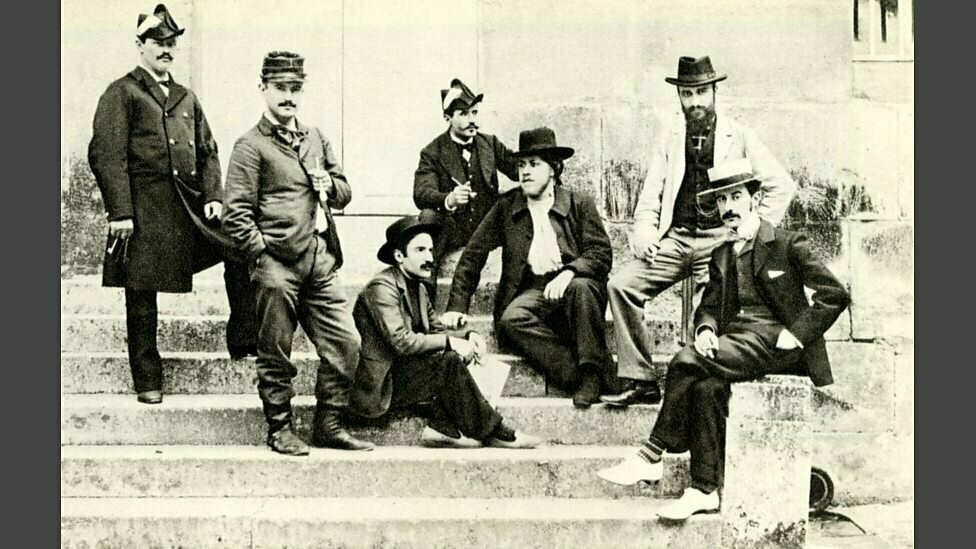
Bela Bartók once famously said, “Competitions are for horses, not artists.” Bartók’s quip draws attention to the fact that judging music competitions in artistic performance and composition are fundamentally, and unavoidably an inexact science. Judged by experts with different tastes,
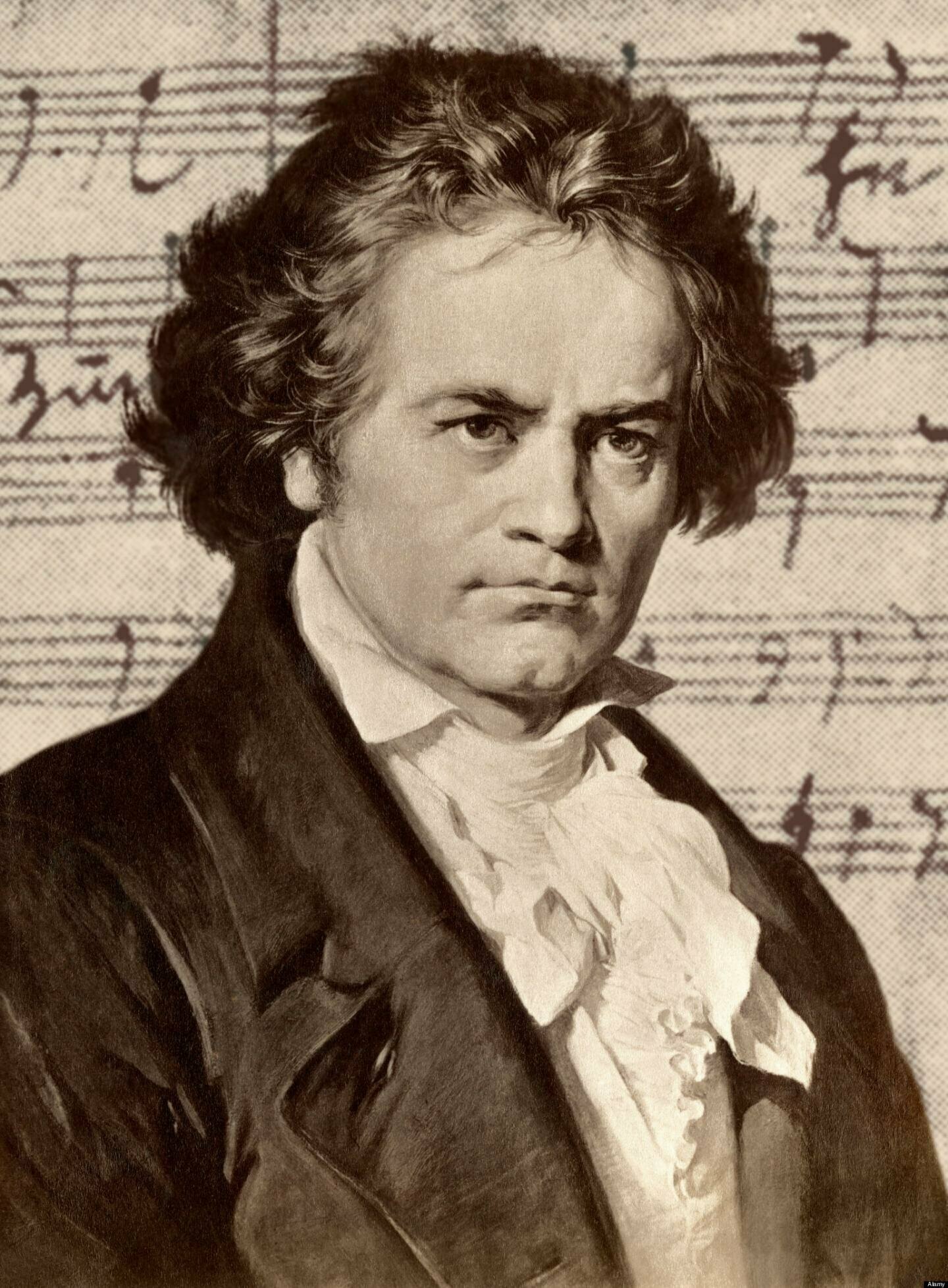
Classical music has transformative power, as perhaps you’ve noted in the previous article, which features large symphonic works. A piece of music can transport you to a different time and place and the collective response for and from the audience,
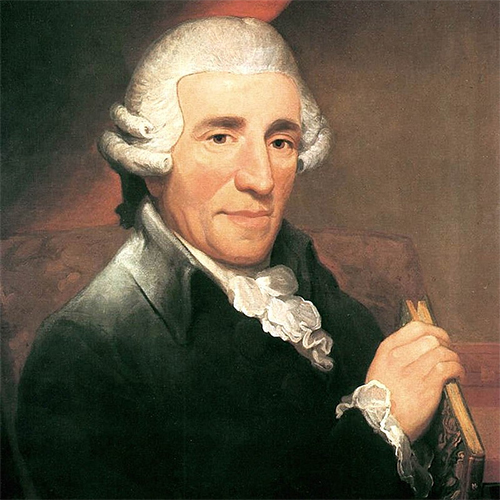
What does nothing sound like in music? Silence would be a good starting point, but then it wouldn’t be music. Amazingly, Haydn’s oratorio The Creation “opens with nothing short of a musical impossibility, the sound of infinite nothingness.” A contemporary
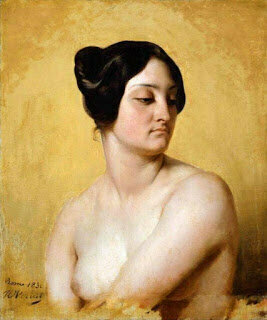
It is not clear when Giaochino Rossini and Olympe Pélissier first met, but by 1832 they were undoubtedly in a relationship. He had departed for Paris in 1830 and had left his wife Isabella Colbran unceremoniously behind. She was an
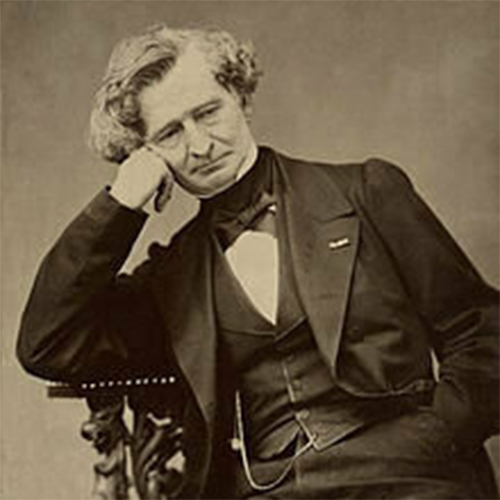
The Most Famous Competition for French Arts Students There can be no doubt that the most famous competition for French arts students, offering winners a funded period of study in Rome, was the “Grand Prix de Rome”. Established in 1663
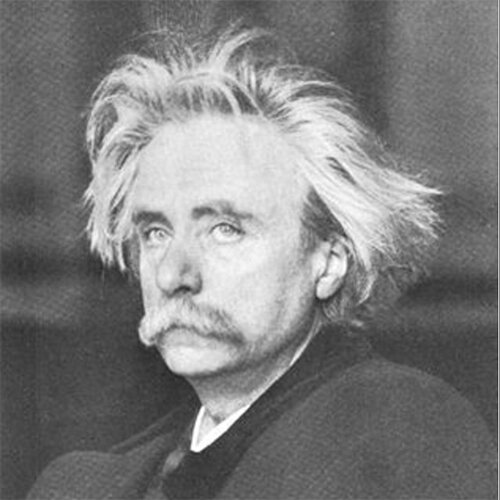
We often forget the connections between composers. When you start to look at who knew who, particularly in the 20th century, connections are not only local but also international. The Australian composer Percy Grainger (1882-1961) knew the piano works of
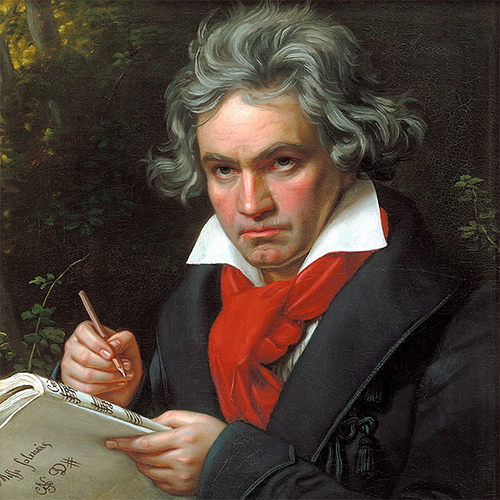
Introducing new and unknown pieces of music to a wider public audience is always a special occasion. Ludwig van Beethoven scheduled such a concert full of premieres at the Theater an der Wien on 22 December 1808. Of course, Beethoven