
Magnificent pipe organs of various sizes and innovative designs are an integral architectural and musical part of most dedicated concert halls. Freed from its customary sacred and/or liturgical functions, the instrument is capable of taking on a number of exciting
In essence
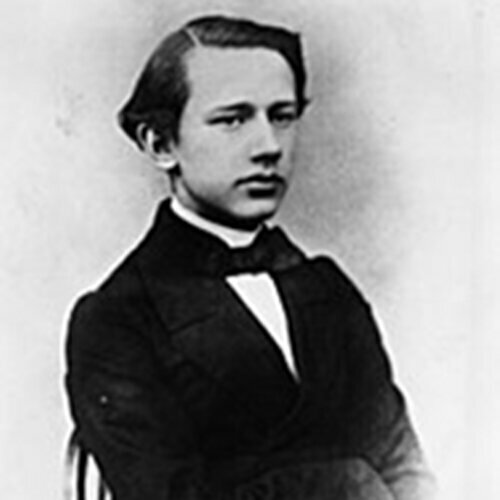
Pyotr Ilyich Tchaikovsky was, and still is, an international musical superstar. However, the first professional composer of consequence in Russia was an elusive man who simultaneously craved and loathed fame. In a letter to his music publisher, he writes, “I
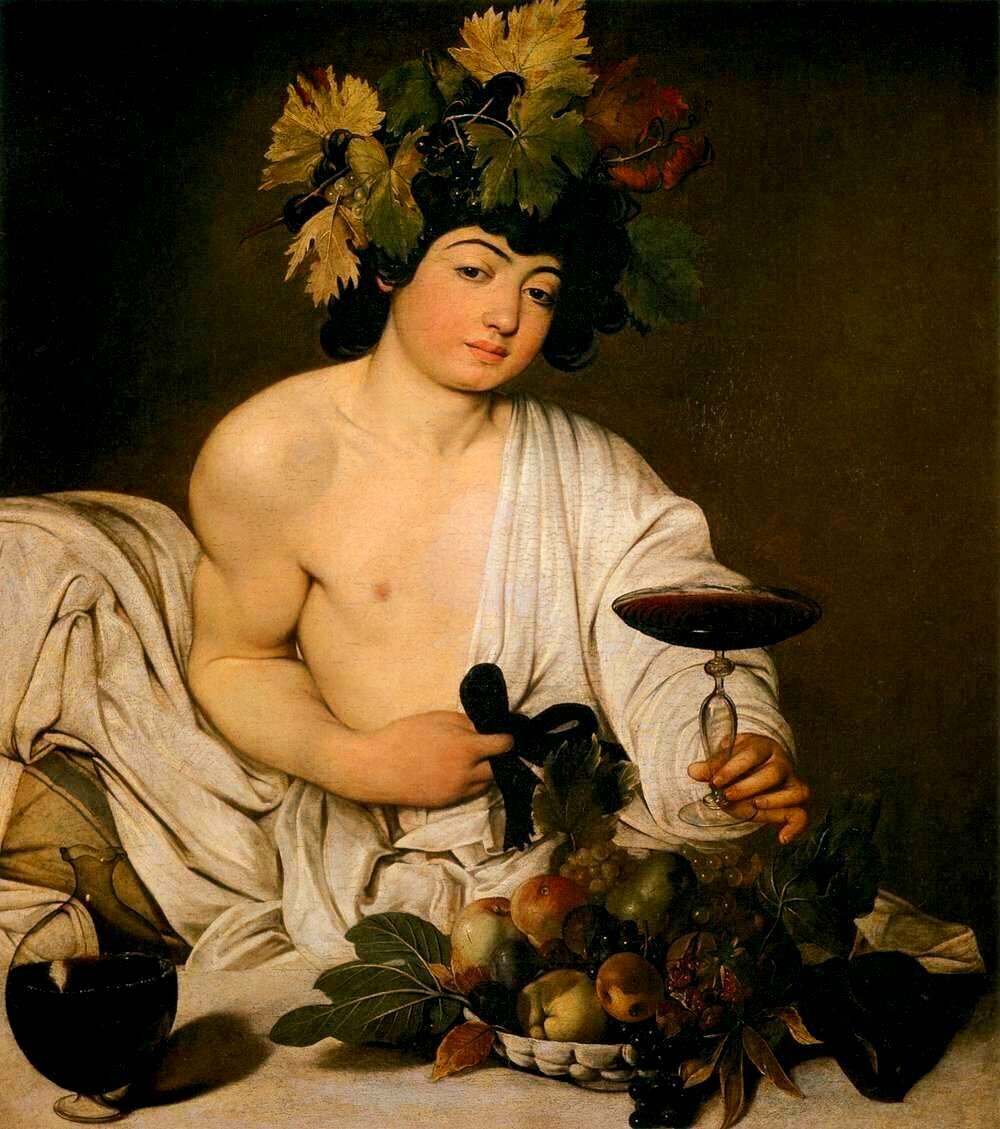
In Greek mythology, Dionysus was the god of the grape harvest, winemaking and wine. The god is usually depicted riding in a chariot leading a procession of exotic beasts, wild female followers and bearded satyrs. Dionysus also functions as the

Ottorino Respighi was a master of looking to the past for inspiration while, at the same time, producing music that was truly modern. We would expect a work entitled Toccata to be like the toccatas we know from the past:
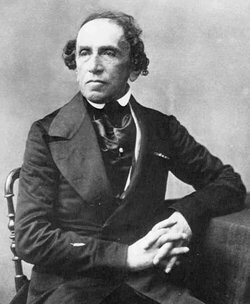
Giacomo Meyerbeer completed his opera Le Prophète in 1849. Based on the Anabaptist seizure of power in the 16th century, it details the elevation of John of Leyden as “the Prophet,” and culminates in a final cataclysm when John and
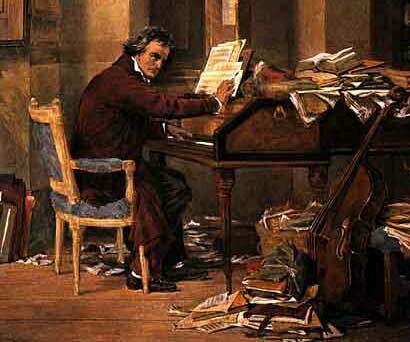
When Beethoven was on his deathbed, his publisher supposedly sent him a case of red wine. According to eyewitnesses, Beethoven weakly muttered, “Pity, pity, too late!” Dr. Wawruch, the physician in attendance throughout Beethoven’s final illness, opened his medical report
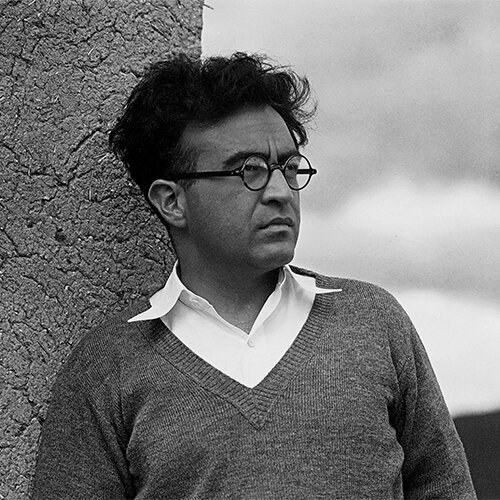
In 1935-36, the Mexican composer and conductor Carlos Chávez brought out his second symphony, the Sinfonía India. Written in 1935 while he was in New York, the symphony received its premiere in a radio broadcast with the Columbia Symphony Orchestra
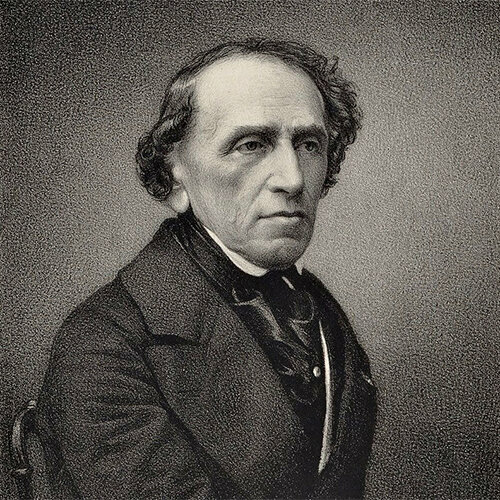
Giacomo Meyerbeer’s five-act opera Robert le diable premiered at the Paris Opera on 21 November 1831. It was the first of four works for which Meyerbeer was to become one of the most prominent composers of opera at the time.