
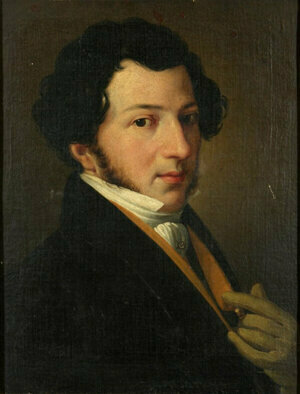
They probably first met in Bologna around 1815, and the union between Giaochino Rossini and Isabella Colbran was to become one of the most successful artistic alliances in the history of music. Rossini was a rising star when he was
In essence
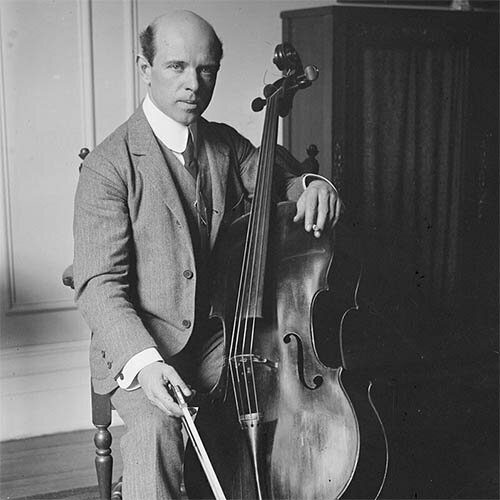
After his self-imposed exile from Spain with the defeat of the Republican government, cellist Pablo Casals started his concerts with a traditional Catalan Christmas song, El Cant dels Ocells (The Song of the Birds). The lyrics describe the joy of
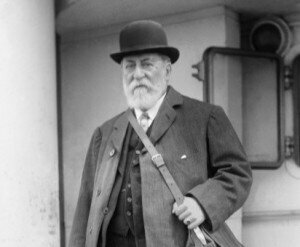
Going against the grain of French musical life in the mid-19th century, Camille Saint-Saëns’ main love was instrumental music. Extraordinarily active in the field of chamber music, not only as a composer but also as a performer, he might rightfully
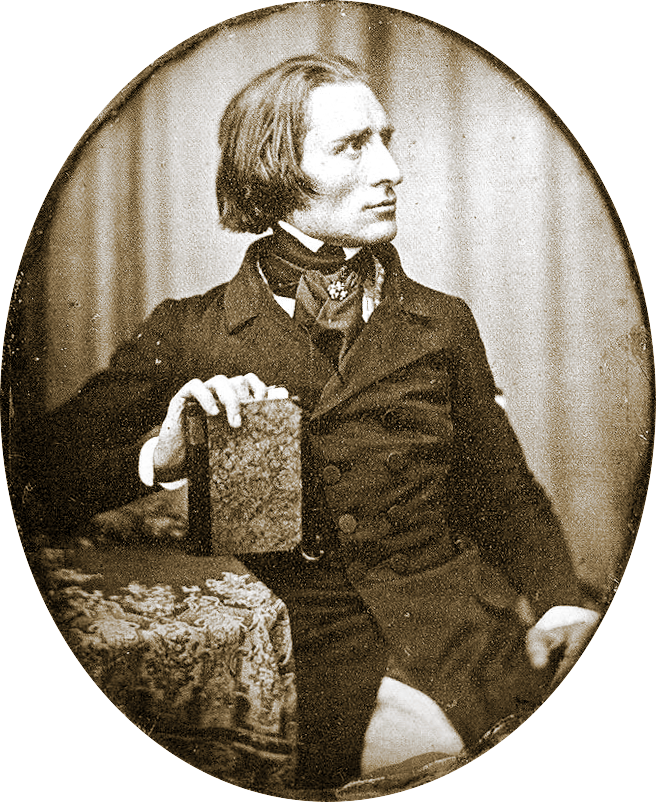
Musicians and composers in the 19th century clearly understood that the orchestral tone color could be significantly enhanced by the sometimes subtle, sometimes seismic impact of the pipe organ’s commanding voice. In his famous treatise on orchestration, Hector Berlioz wrote,
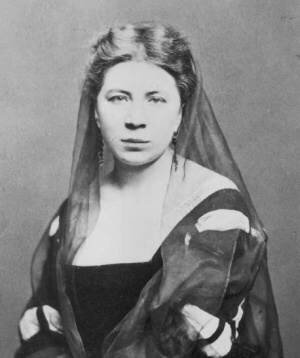
The Belgian mezzo-soprano Désirée Artôt (1835-1907) studied with Pauline Viardot and Francesco Lamperti in London and in Paris. She started her career at the Paris Opera in 1858 when Giacomo Meyerbeer engaged her to sing in his Le prophète. Berlioz,

For a variety of extra-musical reasons, Camille Saint-Saëns has never been taken seriously as one of the great French composers of the late 19th-century. Historically informed, widely read in the French classics, religion, Latin, Greek, and acquiring a taste for
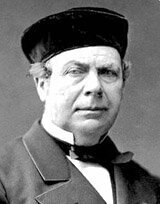
Félix-Alexandre Guilmant (1837–1911) was one of the first performers and composers in a long line of French organists who took advantage of the versatility of the symphonic pipe organ. Devoted to the organ from an early age, he went to
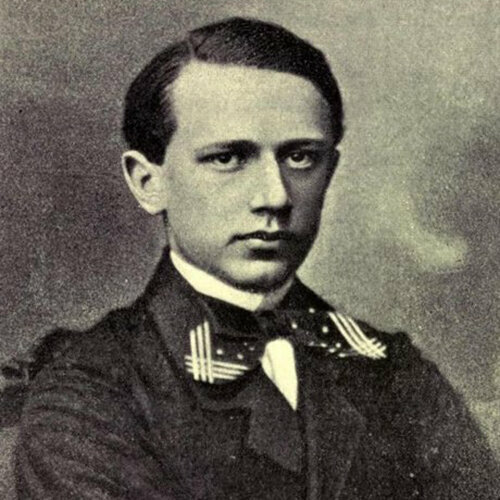
Boris Asafyev, one of the founders of Soviet musicology, wrote the following summary assessment regarding Pyotr Ilyich Tchaikovsky, “He was the first composer of a new Russian type… in a deeply original, personal and national style he united the symphonic