
It was one of those memorable evenings in the history of music. Joseph Haydn had come to London at the age of 62 on a second concert tour arranged by the impresario Johann Peter Salomon. And on 2 February 1795,
In essence
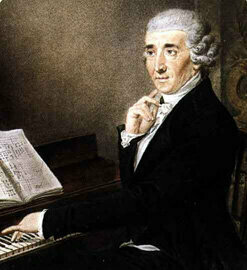

Romantic artists have long been fascinated with the Orient. Paradoxically, this attraction became even more powerful because it concerned essentially unknown territory. Guided by a more or less imagined Orient, a good deal of music was motivated by the picturesque.
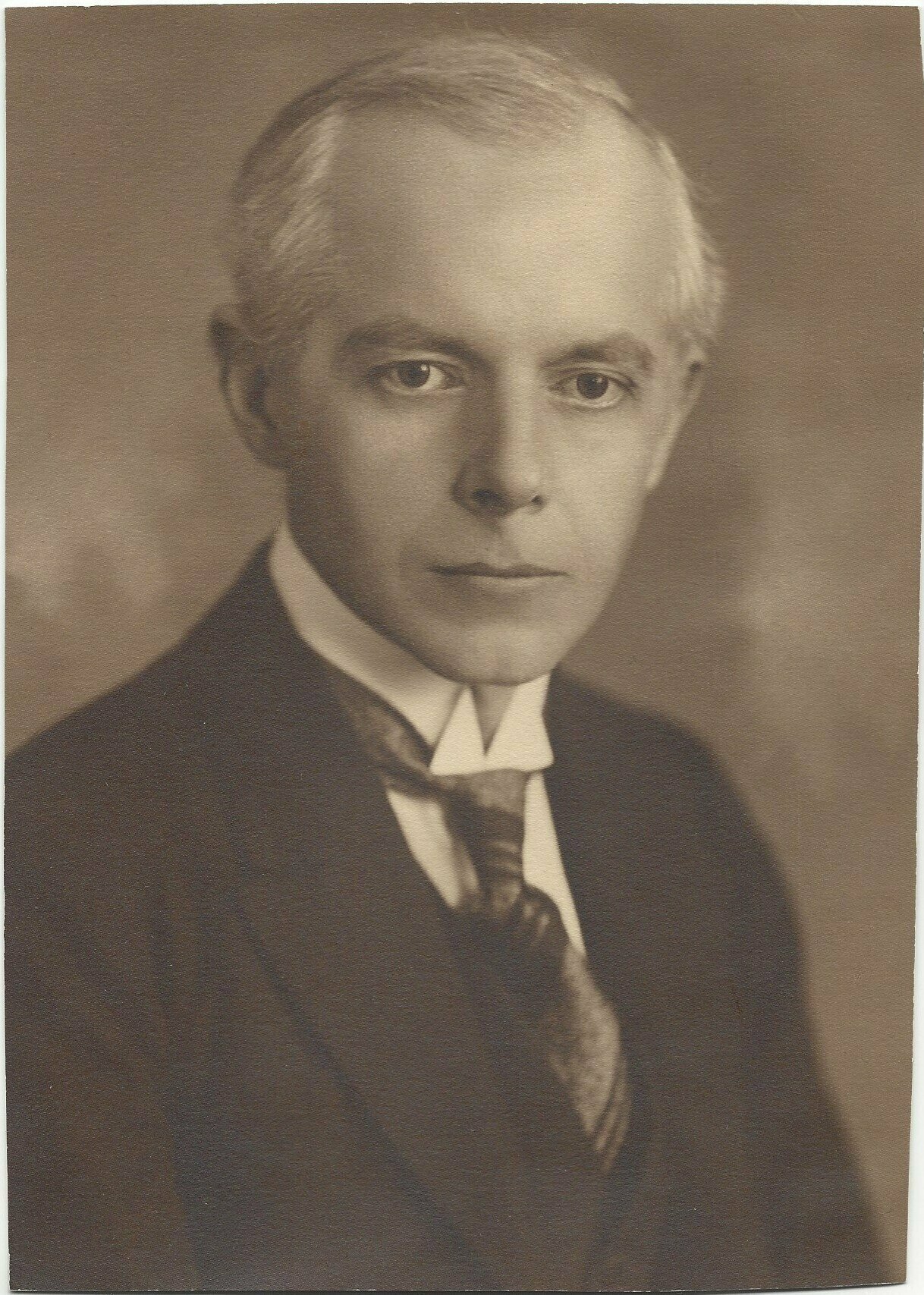
Béla Bartók’s first ballet, The Wooden Prince (1916) takes us to the story land of princes and princesses, and, of course, evil fairies. But, to get it on stage, Bartók had to contend first with the evil management of the
Christmas has long attracted musical contributions from composers in various vocal and choral genres. In purely instrumental terms, however, the subject of Christmas appears limited to a concerto grosso by Corelli and some pastoral symphonies in Handel’s Messiah and Bach’s
Growing up, I still vividly remember standing in front of what seemed like an endless collection of Middle Eastern folk tales in the public library of my hometown. Compiled into a multi-volume work under the title “One Thousand and One
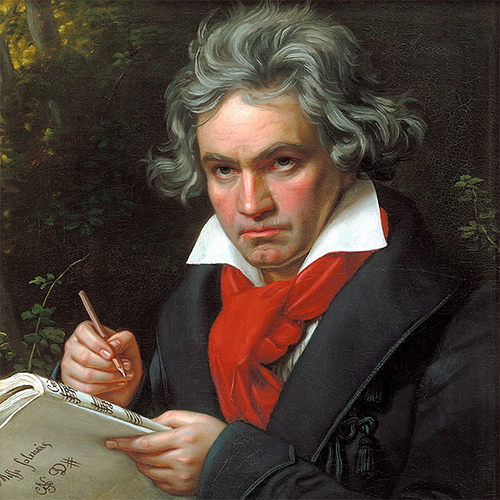
To her close friends she was simply known as “Babette,” but everybody else referred to her as Princess Anna Louise Barbara Odescalchi. That, of course, was her married name as she had wed Prince Innocenz Odescalchi in Pressburg, currently called
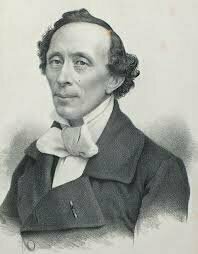
In his 1853 collection of stories for children, Danish writer Hans Christian Andersen told the story of the Princess and the Pea, or, as in his title, The Princess ON the Pea. He had first told the fairy tale, which
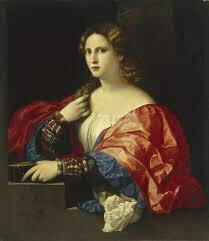
Professionally, Giulio Caccini (1551-1618) was known as an accomplished singer and the inventor of a new musical style that had the power to “move the affections of the soul.” Privately, he seemed to have been a difficult and proud man,