
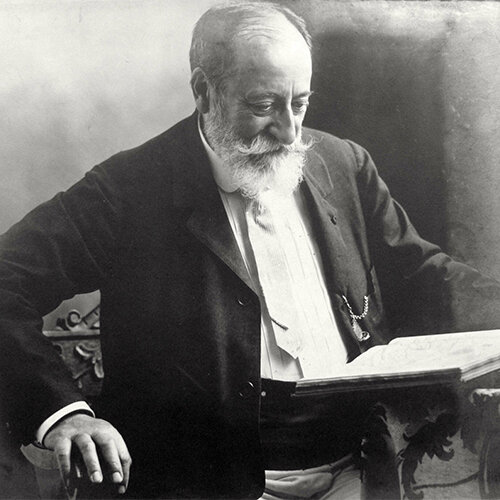
Approaching his 80th birthday, Camille Saint-Saëns was appointed by the French government as “First Delegate to the Franco-American Commission for the Development of Political, Economic, Literary, and Artistic Relations” for the 1915 Panama-Pacific Exposition in San Francisco. Organized to commemorate
In essence
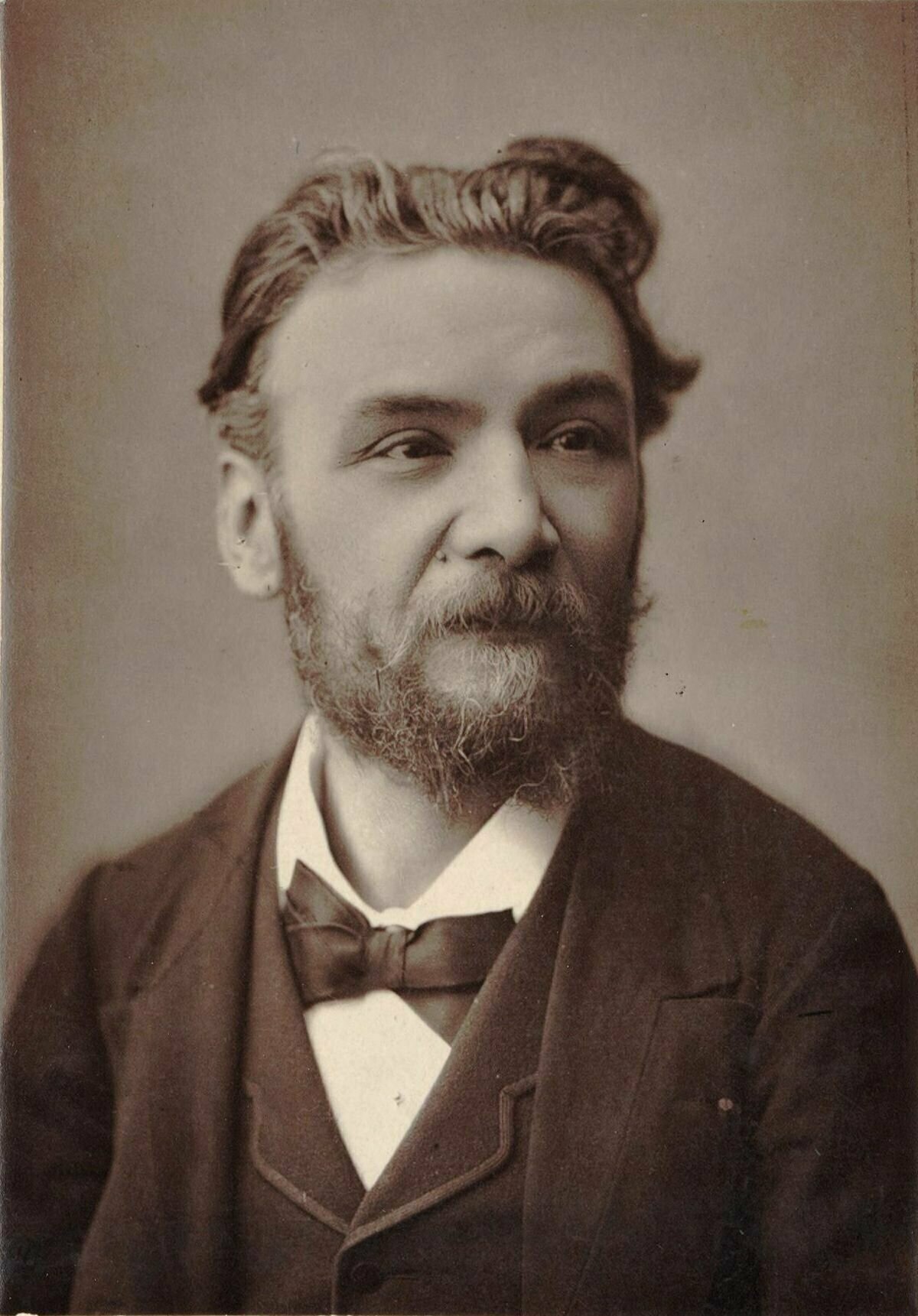
The Louisiana territory was a huge tract of land in North America, stretching from the Canadian provinces of Alberta and Saskatchewan all the way to the mouth of the Mississippi River and the city of New Orleans. From 1699 until
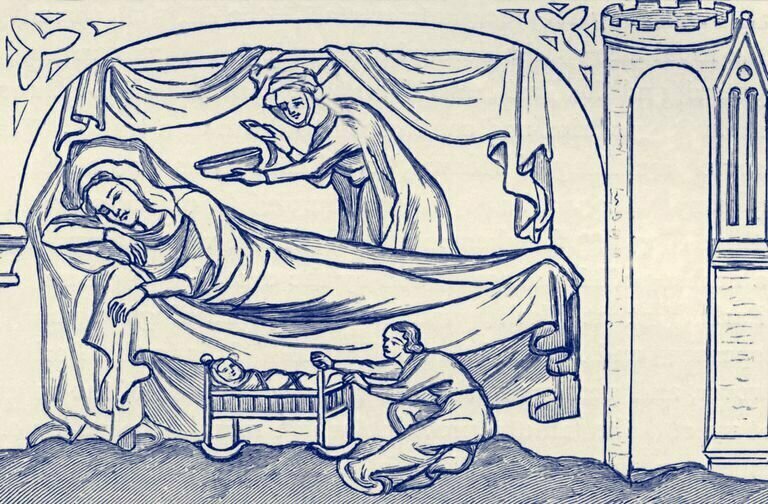
Although rocking cradles are a rarity these days, cradle songs remain a favorite for getting the little one to sleep, and calming the air in general.
The French choral movement known as the orphéons originated during the French Revolution. Within 15 years, the initiative was so popular that it led to the creation of the Paris Orphéon choral society, an organization eventually directed by Charles Gounod.
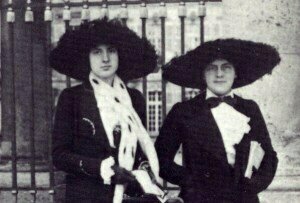
For the longest time, the Prix de Rome competition was a “good ole boys” affair. After a century of the compositional Prix de Rome being closed to women, the Education Minister Joseph Chaumié made the surprise announcement at a press
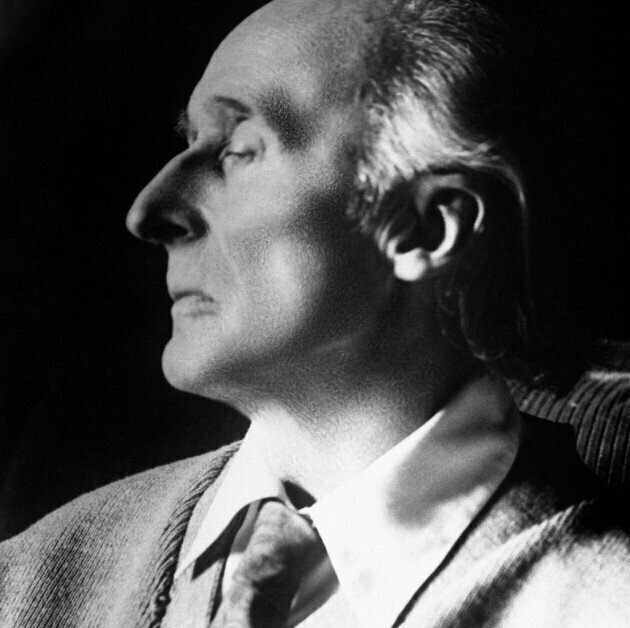
English composer Frederick Delius (1862-1934) first went to Scandinavia as a young man working for his father. He went first to Sweden and then, in his off hours, went to Norway and began a lifelong fascination with the country, its
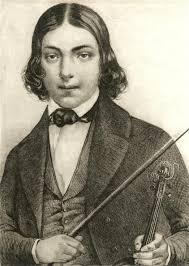
Anton Rubinstein called Henryk Wieniawski (1835-1880) “the greatest violinist of his time.” A combination of French schooling and Slavonic temperament, Wieniawski had impeccable technique and produced a wonderfully warm and rich tone. As such, he made light work of technical
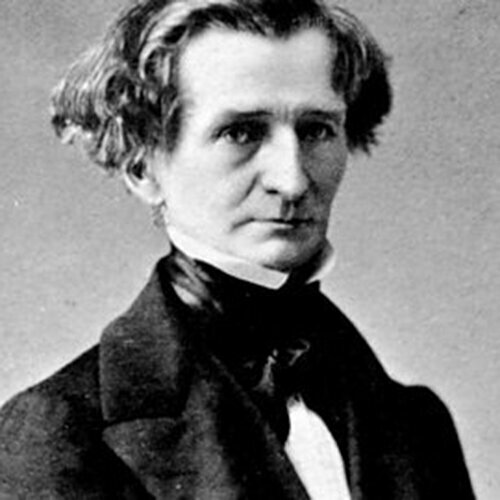
In 1827, Hector Berlioz went to a play and came away transformed. At the Odéon Theatre in Paris, a performance of Shakespeare’s Romeo and Juliet took his heart. Everything about the play and the performance affected him – the raging