Ask a cellist to name the great 19th-century cello concertos, and you’ll get the same four or five answers: Schumann, Saint-Saëns, Brahms’s Double, Dvořák.
What you won’t hear about is everything else – and there was a lot of everything else! Across the century, cello concertos were written constantly, just not by the composers we now call great. They were written by touring virtuosos, cellists who needed a vehicle built to their own hands and nobody else’s, and who published their concertos, if they published them at all, almost as an afterthought to the touring.
Today we’re tracing the history of the cello concerto through the 1800s, the century when it came into its own and proved its mettle as one of the great solo instruments of the art.
1800s: Ludwig van Beethoven – Triple Concerto for Violin, Cello, and Piano (1804)
At the turn of the 19th century, touring cellists usually wrote cello concertos to showcase their virtuosity.
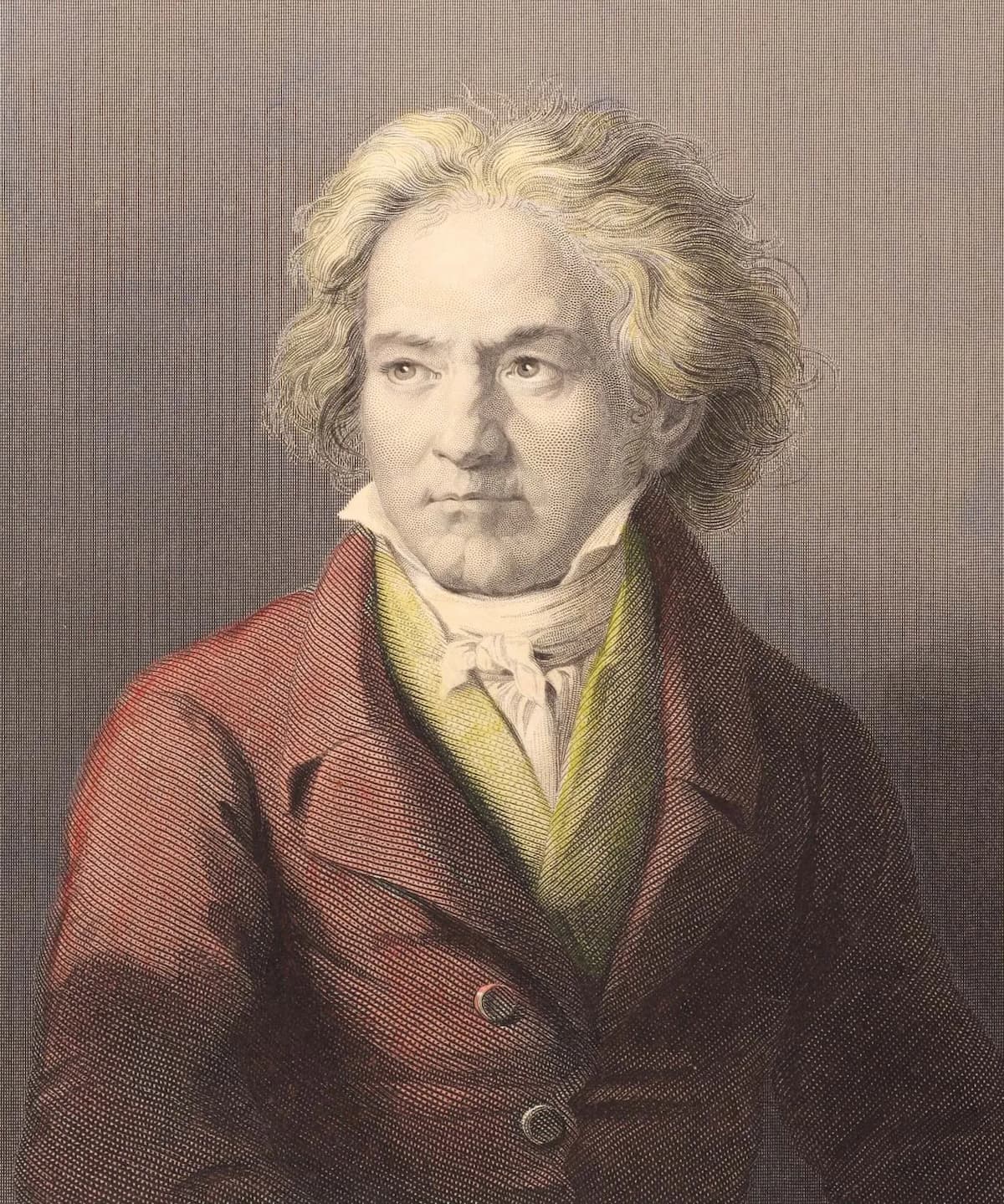
However, in 1804, Beethoven wrote a concerto in which virtuoso fireworks were secondary. In his Triple Concerto, he gave the cello equal billing with the violin and piano – and even gave the work’s opening solo line to the cellist.

Riedel: Beethoven, 1801
Initially, the innovation didn’t land. The Triple Concerto wasn’t premiered until 1808, when audiences were distracted by the Napoleonic Wars, and it struggled to find a foothold. Even today, it is among Beethoven’s least popular concertos.
However, Beethoven’s willingness to treat the cello as a solo instrument in orchestral art music was noted. It opened the door to later giants like Schumann, Saint-Saëns, and Dvořák to write their own cello masterpieces.
1810s: Max Bohrer – Cello Concerto No. 1 (1819)
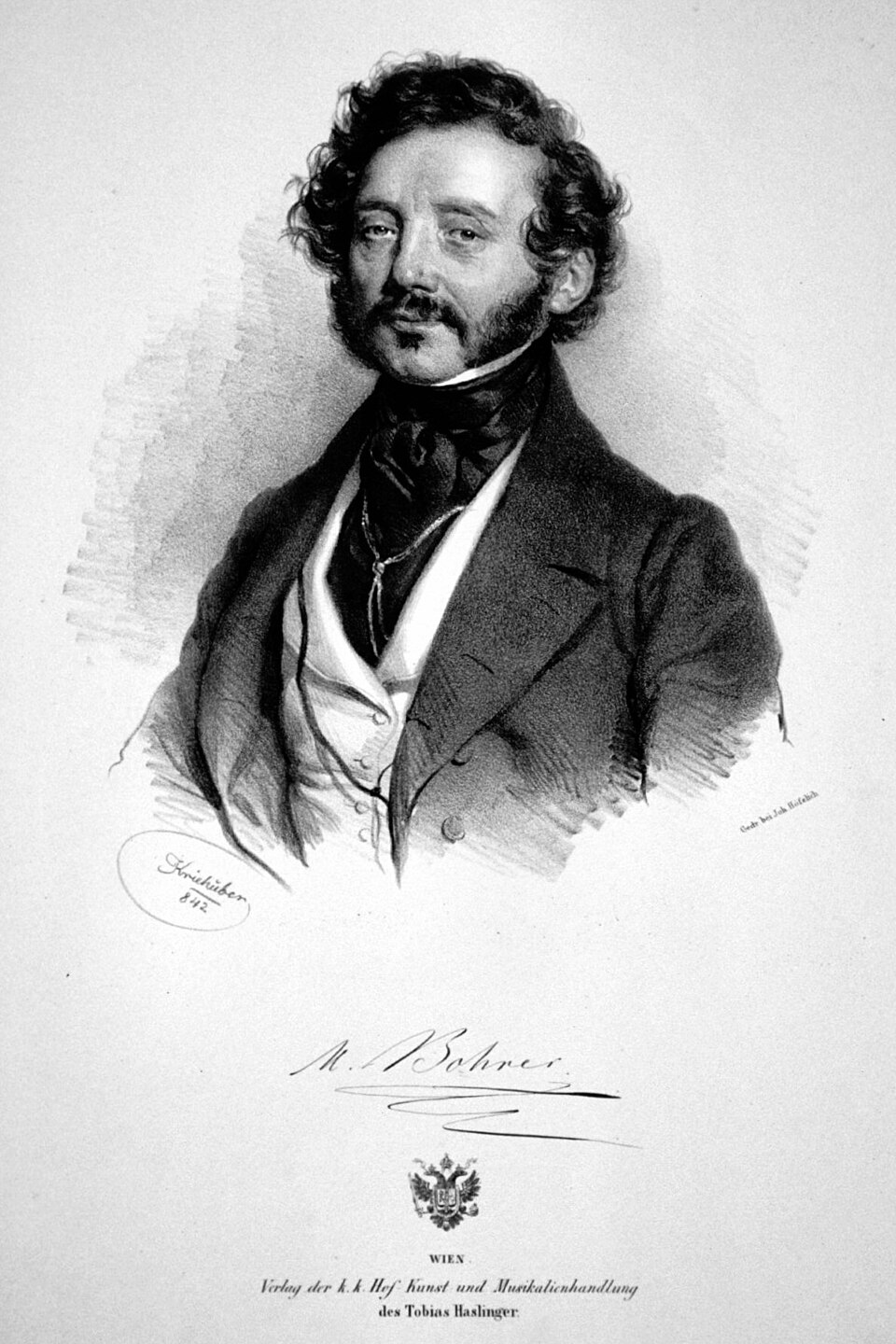
Max Bohrer
Max Bohrer: Cello Concerto No. 1 in D Major, Op. 1 (Alexander Hülshoff, cello; Jena Philharmonic Orchestra; Nicolás Pasquet, cond.)
Cellist Max Bohrer was born in Munich to a musical family in 1785. By 14, he had joined the court orchestra there. He would later work in the Berlin court orchestra and the Württemberg court orchestra, with a stint in Paris.
He and his brother Antoine, a violinist, toured Europe in a string quartet. (Beethoven was among the contemporary composers they championed.) Sometimes the two co-composed works in Paganini’s bravura style.
In 1819, Max Bohrer wrote a cello concerto. It employs the same opera-inspired language that Paganini’s violin concertos (written around the same time) would draw on. The aim here was less to create an enduring piece of art music, and more to provide a thrilling vehicle for Bohrer’s tours – which, by all accounts, it succeeded brilliantly at.
1820s: Bernhard Romberg – Cello Concerto No. 6 (c. 1820), “Concerto militaire”

Bernhard Romberg
Bernhard Romberg: Cello Concerto No. 6 in F Major, Op. 31, “Military” (Raphael Wallfisch, cello; London Mozart Players)
Bernhard Romberg, born in 1767, was among the most influential cellists of his generation. In 1790, the year he turned 23, he joined the court orchestra of the Archbishop of Cologne in Beethoven’s hometown of Bonn. Beethoven, then 19, admired him and his playing. (His cello writing also inspired Brahms.)
Romberg made important contributions to the cello. He pioneered the Romberg bevel, a lowered fingerboard that lets the C-string vibrate more easily. He also advocated for the construction of ½ and ¾ sized cellos so children could learn.
His sixth cello concerto, subtitled Concerto militaire, is noteworthy for its inclusion of trumpets and timpani sections. It hasn’t entered the standard repertoire, but it proved the cello could hold its own as a solo instrument against an expanded orchestra.
1830s: Adrien-François Servais – Cello Concerto No. 1 in B minor (1834)
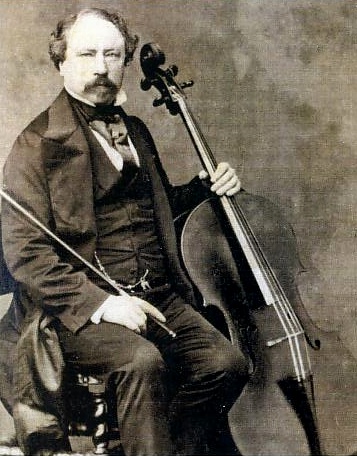
Adrien-François Servais
Adrien-François Servais: Cello Concerto in B Minor, Op. 5 (Didier Poskin, cello; KBS Symphony Orchestra; Patrick Davin, cond.)
Adrien-François Servais was born in Halle, near Brussels, in 1807. He began his music studies on the violin before switching to the cello. He won first prize at the Brussels Conservatory in 1829, made his Parisian debut in 1833, and embarked on an international career as a soloist.
Following in Bohrer’s footsteps, he earned the nickname “the Paganini of the cello” from Berlioz and Rossini.
He was the first major cellist to use an endpin instead of squeezing the instrument between his knees.
Servais composed his elegant first cello concerto to use while on tour. Like Bohrer’s work, it drew more on operatic aesthetics than the traditional musical language of Germanic concertos. Servais kept it to himself for many years, only publishing it in 1848.
1840s: Jacques Offenbach – Grand Concerto for cello in G major “Concerto militaire” (1848)
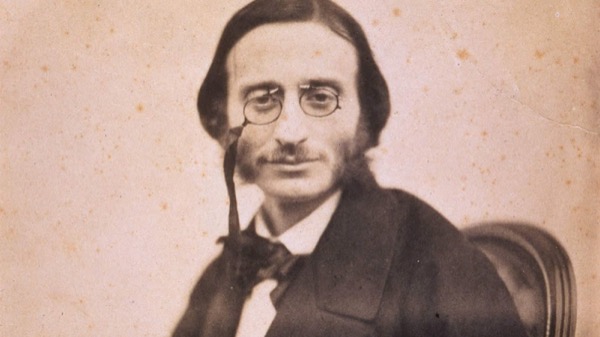
Jacques Offenbach
Jacques Offenbach: Concerto militaire (Jérôme Pernoo, cello; Les Musiciens du Louvre; Marc Minkowski, cond.)
Today, Jacques Offenbach is best known for his operettas, but he began his career as a cello virtuoso.
Born in 1819, he studied cello at the Paris Conservatoire and spent years as a working cellist, touring and playing in the Paris Opéra-Comique orchestra.
He dreamed of performing on stage himself and seemed set to break through after presenting satirical works at salons, but those ambitions were delayed in 1848, when the revolution broke out.
In the meantime, he composed this flashy cello concerto, nicknamed the “Concerto militaire.” He never published it, and the parts of the score were dispersed into various libraries and personal collections. A version of the score was recreated in the 1940s, but the authentic version was not rediscovered until the mid-2000s.
1850s: Robert Schumann – Cello Concerto (1850)
In October 1850, orchestral instruments were on Robert Schumann’s mind, having just arrived in Düsseldorf to serve as the city’s new music director. He wrote his cello concerto in a burst of inspiration and finished it in just two weeks.
He composed the concerto for the sheer love of the game, with no commission and no soloist in mind. He wrote it because “there are so few works for this lovely instrument,” as he said in a letter to a potential publisher.
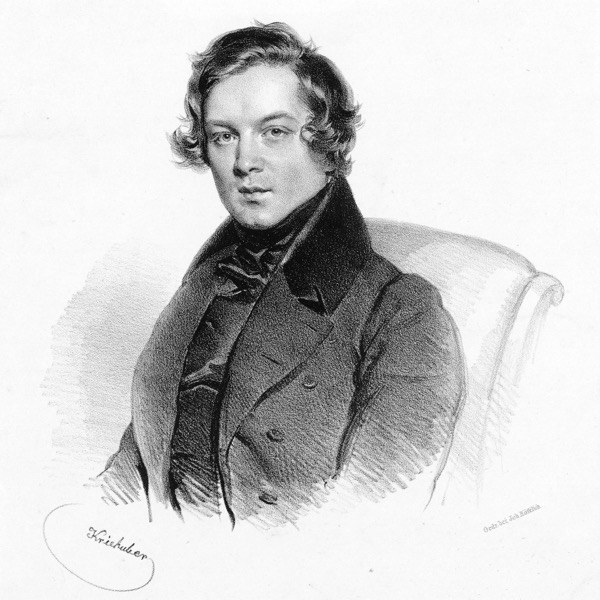
Robert Schumann (1839)
This origin clearly sets the concerto apart from the work of Bohrer, Romberg, Servais, and Offenbach. It is an early example of the growing divergence between composers and interpreters during the Romantic era.
Its three movements run together without pause, and Schumann kept the cello mostly in its middle and upper register, avoiding virtuosity for virtuosity’s sake. As a result, it is perhaps the earliest 19th-century solo cello concerto to earn a place in the canon.
1860s: Karl Davydov – Cello Concerto No. 3 in D major (1868)
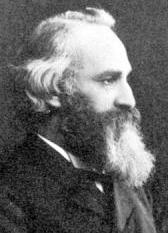
Karl Davydov
Karl Davydov: Cello Concerto No. 3 in D Major, Op. 18 (Wen-Sinn Yang, cello; Shanghai Symphony Orchestra; Terje Mikkelsen, cond.)
Karl Davydov was born in 1838 in present-day Latvia. He studied mathematics before turning to music, training as a composer and embarking on a career as a touring cellist.
In 1863, at the age of 25, he became one of the first professors at the St. Petersburg Conservatory; a few years later, he wrote this concerto. It is one of four that he wrote during his career.
None of his concertos entered the Western repertoire. Still, they provide an invaluable insight into what high-level Russian cello playing of the era valued: secure technique paired with fluidity and soaring lyricism. Davydov’s students would go on to influence the development of the cello concerto in the decades to come.
1870s: Camille Saint-Saëns – Cello Concerto in A minor (1872)
This concerto came at a pivotal moment in French music history. After the Franco-Prussian War, which lasted from July 1870 to January 1871, French composers sought to differentiate themselves from the Austro-German musical tradition.
Different composers reacted to this pressure in different ways. Some abandoned concertos altogether, while Saint-Saëns tried his luck at a uniquely French one: fleet, fluid, flashy, and, importantly, a single movement. Instead of using the traditional Germanic model of a three-movement concerto, Saint-Saëns used a cyclic form – i.e., used the same theme throughout a piece – that Berlioz and Liszt had championed.
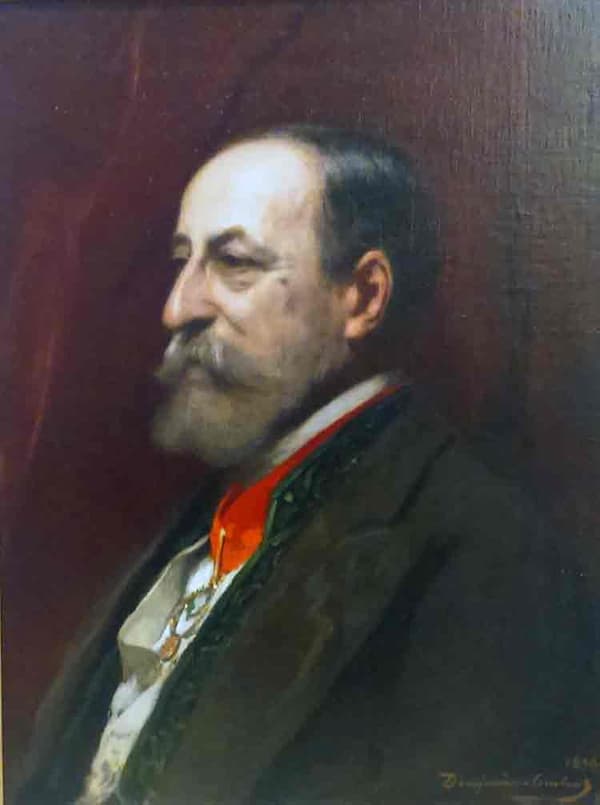
Portrait of Camille Saint-Saëns by Benjamin Constant
The result was one of the most successful French concertos of the 19th century – and one of the most beloved cello concertos, period.
1880s: Johannes Brahms – Concerto for Violin and Cello (1887)
Brahms wrote this concerto as a peace offering. He and his longtime friend and colleague, violinist Joseph Joachim, had fallen out in 1883 during Joachim’s divorce. The manuscript was an olive branch.
Joachim accepted it. He and Robert Hausmann, cellist of the Joachim Quartet, contributed and were the soloists at the premiere in 1887. Afterwards, Brahms gave Joachim a copy of the manuscript inscribed with the words “to him for whom it was written.”
The Brahms Double holds a prominent but unusual place in 19th-century cello literature. It shares similarities with the Beethoven Triple concerto: both were the only multi-instrument concerto their respective composers wrote, and both were received relatively coolly.
It also joins the ranks of longer-lived cello concertos in the repertoire written by non-cellists: a space occupied by Saint-Saëns and Brahms’s mentor Schumann.
1890s: Antonín Dvořák – Cello Concerto in B minor (1894–1895)
Cellist Hanuš Wihan, a friend of Dvořák and a student of Davydov, asked Dvořák for a cello concerto for years.
Dvořák kept turning him down, believing that the cello’s lower and upper registers precluded it from being a successful solo instrument.
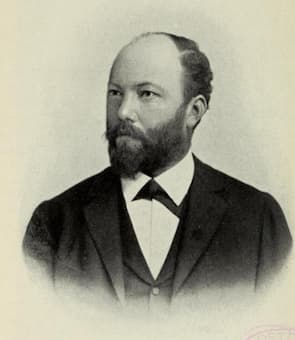
Hanuš Wihan
However, in 1894, he heard cellist-composer Victor Herbert perform his second cello concerto in New York. Dvořák was inspired, and he wrote his own cello concerto in four months between 1894 and 1895.
The concerto became the greatest of the century, and the battle between non-cellists and cellists came to a satisfying conclusion: the great work of a cellist-composer inspired a non-cellist to write the defining cello concerto of the century.
In the end, Dvořák proved once and for all that the cello could indeed take the lead in a Romantic-era concerto.
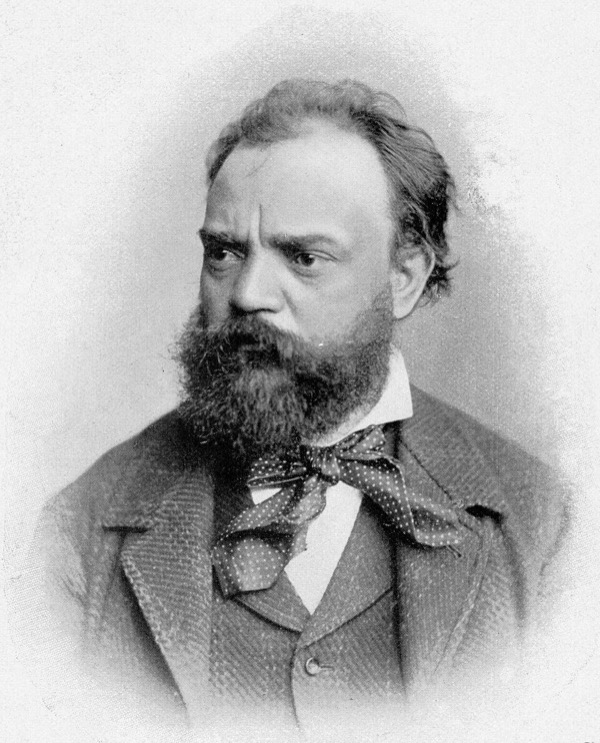
Antonín Dvořák, 1882
Conclusion
Looking back at the century, certain patterns become clear. The concertos written by cellists – Bohrer, Romberg, Servais, Davydov – are virtuosic, opera-inflected, built for the road, and mostly gone from the stage today. Meanwhile, the ones written by outsiders – Beethoven, Schumann, Saint-Saëns, Brahms, and finally Dvořák – are the ones still performed every season.
Together, each one tried to answer the question: could a cello take the starring role in a Romantic-era concerto? A century that began with Beethoven handing the cello an opening solo line closed with Dvořák handing it off to the century’s great masterpiece. Every concerto in between – famous or forgotten – was the argument being made.
For more of the best in classical music, sign up for our E-Newsletter