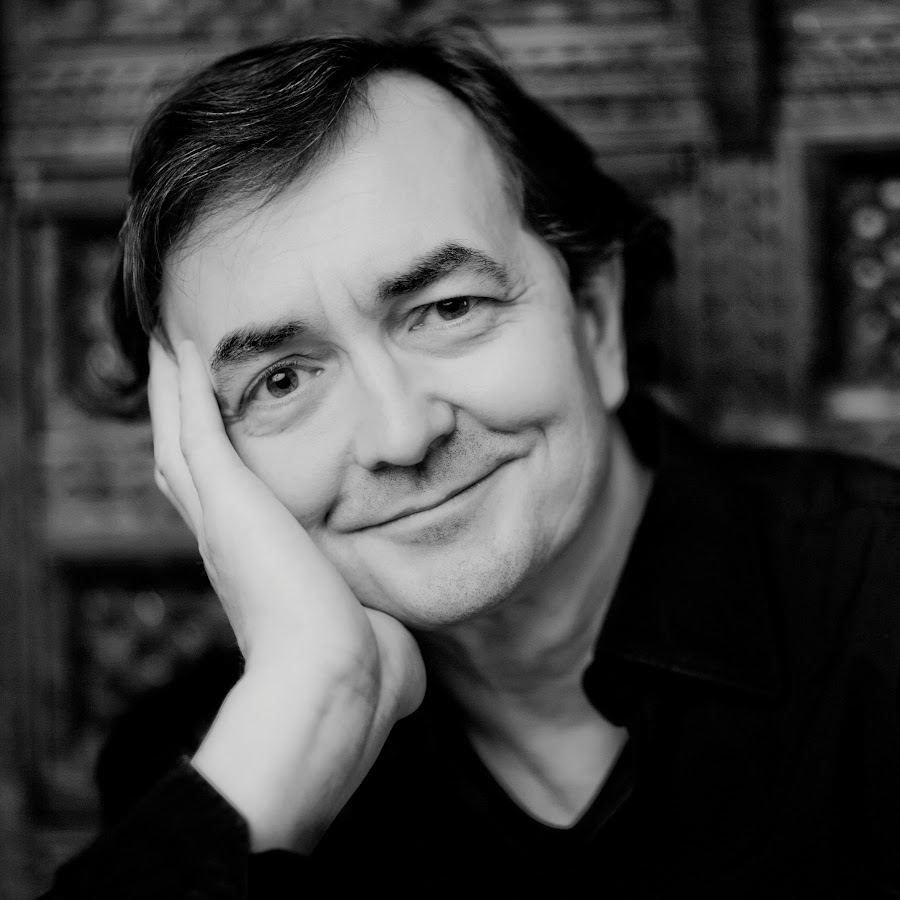
In the vast universe of music competitions, the Van Cliburn International Piano Competition, held once every four years, is among the most prestigious events of its kind. Winners and runners-up receive substantial cash prizes, plus concert tours at world-famous venues.
The 2009 competition named Haochen Zhang, one of the youngest winners in the event’s history, a Gold Medal winner. He shared the first prize with the remarkable Japanese pianist, Nobuyuki Tsujii, who has been blind from birth.
How is it possible for a blind pianist to win one of the most coveted musical prizes in the world? To celebrate Tsujii’s birthday on 13 September, let us take the opportunity to explore how Tsujii developed his unique cassette method for learning a vast pianistic repertoire.
Nobuyuki Tsujii plays Chopin: Etudes, excerpts (2009 Cliburn)
From Braille to Sound
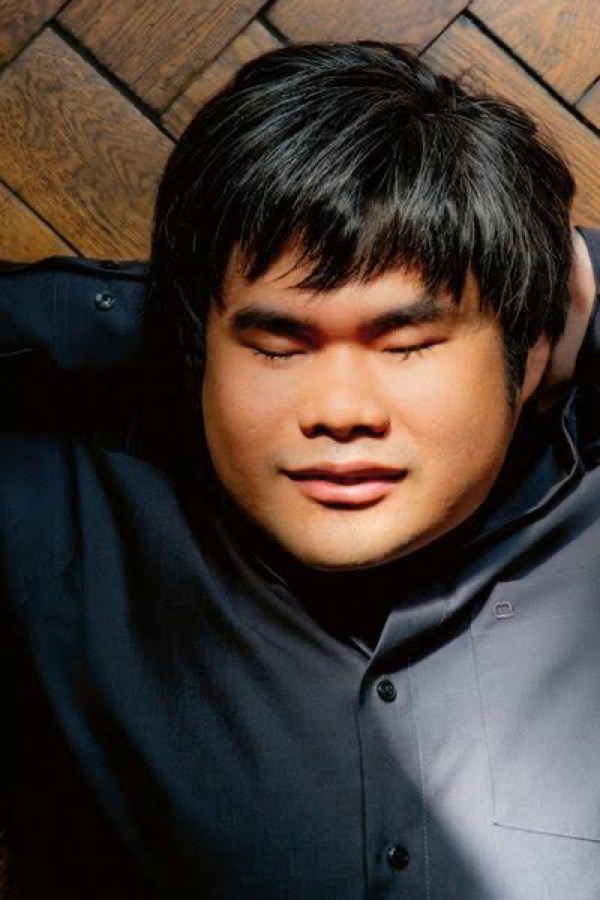
Nobuyuki Tsujii
Born blind due to a developmental disorder of the eye called microphthalmia, Tsujii started picking out tunes on a toy piano at only two years old. Born with perfect pitch, he could instantly repeat notes and chords.
He began formal piano studies with Masahiro Kawakami at age four, and his mother initially helped him read the music during piano lessons. He also used Braille music scores to learn new pieces, but the variety of scores available was limited for a professional performer.
Taking advantage of Tsujii’s extraordinary listening abilities, his childhood teacher developed a unique method. Instead of giving the young pianist a complete recording of someone playing a piece, he would ask his assistants to translate the score into sound.
Nobuyuki Tsujii plays Beethoven: Sonata in B-flat Major, Op. 106 (excerpt)
The Cassette Method
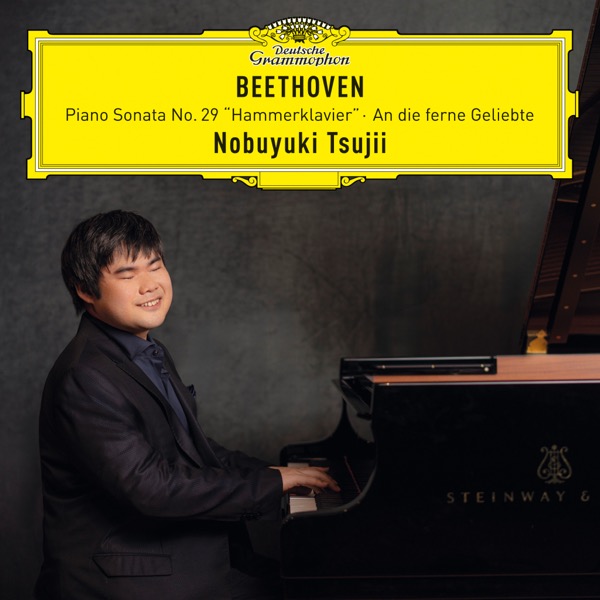
Nobuyuki Tsujii — Beethoven: Piano Sonata No. 29 “Hammerklavier”; An die ferne Geliebte (Deutsche Grammophon)
The music was divided into small sections of several measures, and one tape recorded the right hand while another recorded the left. These recordings included verbal comments about articulation, phrasing and other instructions from the score.
Tsujii sought a neutral recording, without interpretation, essentially producing a precise view of the music on the page. He described these tapes as “music sheets for ears.” Tsujii then listened to these recordings repeatedly and memorised each section. Once the hands were secure, he put them together at the piano.
Only then would Tsujii begin to work on his interpretations. It is a slow process, and by 2010, Tsujii had committed well over 100 classical works to memory. It takes him roughly one to three days to learn a very short piece, but for something longer, like a large-scale sonata or concerto, it can take up to one month.
For Tsujii, the Van Cliburn competition was not a competition at all. As he relates, “I was not nervous, not at all… I had fixed my mind to enjoy playing music as much as possible instead of competing with others.”
Nobuyuki Tsujii plays Kapustin: Concert Etude
Beyond the Competition

Nobuyuki Tsujii, California, March 28, 2025
“It was nothing but a pleasure to play to such a warm and enthusiastic audience. I really enjoyed playing, and when I finished, I just thanked those who gave me such an opportunity.
When my name was announced, I was very much surprised. First, I was awarded the prize for the Best Performance of New Work, and I was surprised and satisfied with it.”
“When Haochen Zhang was announced to be the Gold Medalist, I thought everything was over, and I was happy to have won a prize. Then, my name was called, and I was surprised, as were my interpreter and my mother. It was one of the most exciting and moving moments in my life; I can hardly explain what I felt.” (Munro, The Fresno Bee, 2011)
Since then, Tsujii has continued to add pieces to his repertoire by relying on his trusted cassette method. These include piano concertos by Rachmaninoff, Chopin, Beethoven, Grieg, Prokofiev, and Tchaikovsky, as well as sonatas and works by Liszt, Debussy, and Kapustin.
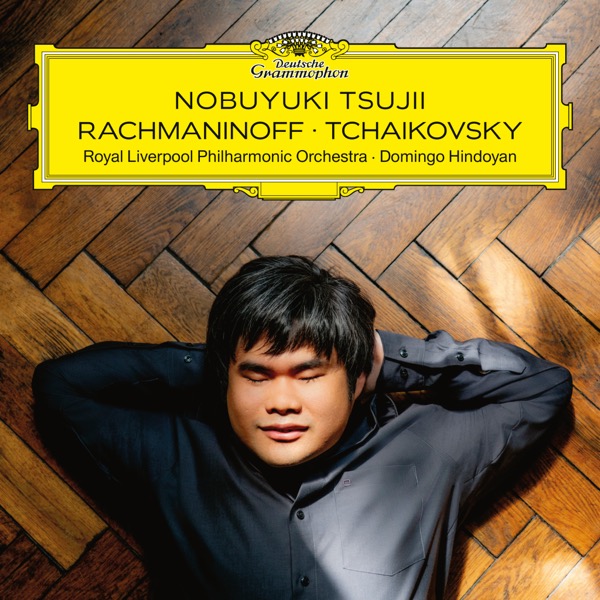
Nobuyuki Tsujii — Rachmaninoff · Tchaikovsky, Royal Liverpool Philharmonic Orchestra, Domingo Hindoyan (Deutsche Grammophon)
In 2026, Tsujii released Rachmaninoff’s Third Concerto with Tchaikovsky’s Nutcracker arrangements for Deutsche Grammophon. And the most ambitious new work already on the horizon is Shostakovich’s Piano Concerto No. 2. It is scheduled for the 2026/27 season in Japan, Liverpool, and London.
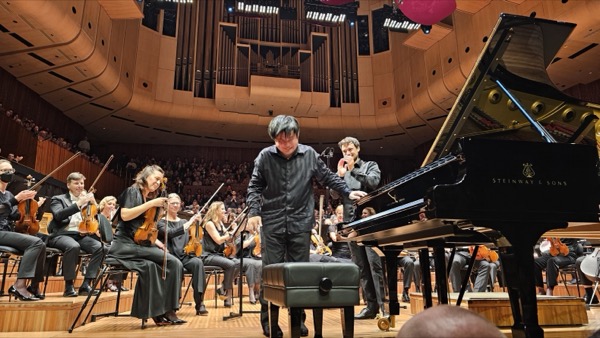
Nobuyuki Tsujii, Sydney Opera House, 2024
For more of the best in classical music, sign up for our E-Newsletter