Throughout classical music history, composers often endured years of study and obscure premieres before achieving gradual recognition.
But every so often, a single piece can shatter that trajectory.
During the 19th and early 20th centuries, a handful of composers experienced legendary overnight successes: times when a single piece exploded onto the scene, instantly transforming an unknown or underappreciated composer into a household name.
Here are six extraordinary cases where one composition’s premiere changed everything: six moments when years of training and ambition crystallised into sudden, unforgettable musical fame.
Carl Maria von Weber – Der Freischütz (1821)
In 1821, Carl Maria von Weber was a respected 35-year-old Kapellmeister in Dresden, but, despite having written a handful of operas, he hadn’t yet achieved a true breakout hit.
Consequently, when Weber’s new opera Der Freischütz (The Marksman) was chosen to inaugurate Berlin’s brand-new Schauspielhaus theater, it was a bold gamble.
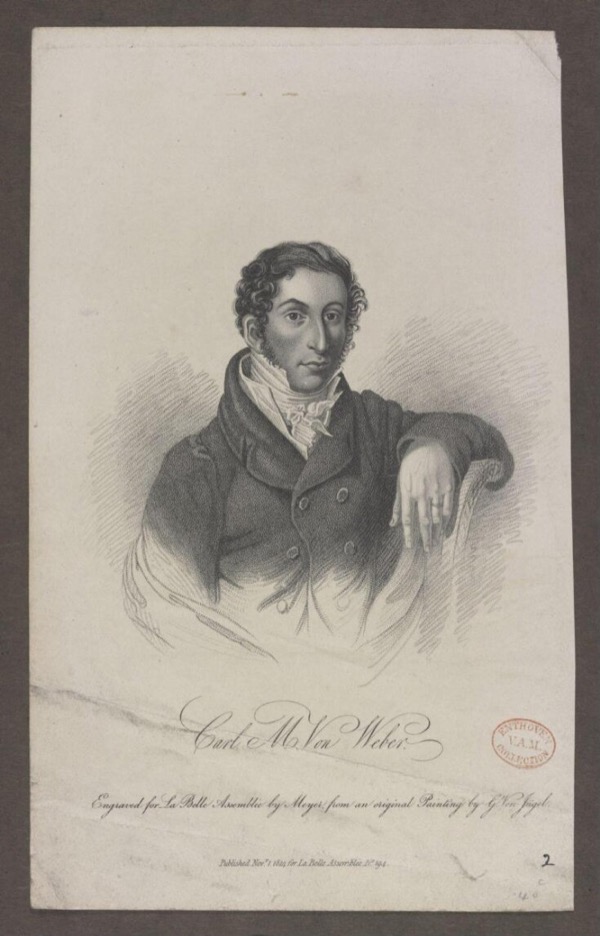
Carl Maria von Weber
Opening night – 18 June 1821 – became legendary for its enthusiastic audience response. Weber noted in his diary that out of seventeen numbers, fourteen were “uproariously applauded.”
The opera soon swept like wildfire across the German-speaking world – and beyond. By the end of 1822, at least 30 theaters had staged it, and Berlin alone saw its 100th performance within five years. Virtually overnight, Weber became the standard-bearer of German Romantic opera.
This ghostly folk-infused opera proved to be the defining masterpiece of Weber’s career.
Pietro Mascagni – Cavalleria rusticana (1890)
In 1889, Pietro Mascagni was an obscure 26-year-old composer scraping by in provincial Italy. He’d dropped out of conservatory and spent years conducting touring companies and teaching music in a small town.
However, opportunity knocked when music publisher Edoardo Sonzogno announced a competition for a one-act opera.
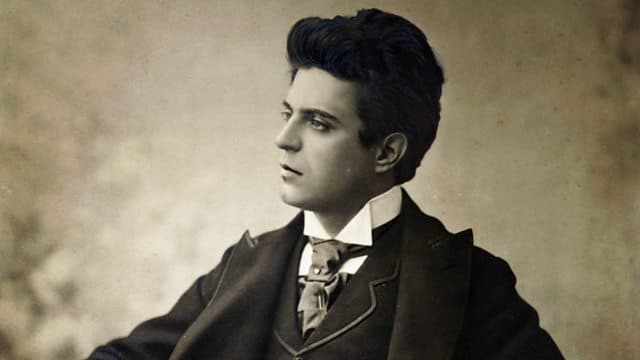
Pietro Mascagni
Mascagni seized the chance. He chose to dramatise a gritty Sicilian love-triangle story, Cavalleria rusticana, based on Giovanni Verga’s novella and play about passion, betrayal, and a fatal duel on Easter Sunday.
An inspired Mascagni composed at a feverish pace; the score poured out of him in about two months.
But when it came time to submit it, the insecure young composer lost his nerve and stuffed the manuscript in a drawer. Only thanks to his wife, who mailed it in, did Cavalleria make the competition deadline.
To Mascagni’s astonishment, his opera was selected to premiere at Rome’s Teatro Costanzi. The debut on 17 May 1890 was a sensation, and he won first prize in the competition.
Mascagni was called back for forty curtain calls. Word of the opera spread rapidly, and within weeks, Cavalleria was the hottest ticket in Italy.
Mascagni kept composing, but no later work of his ever matched this sudden, shocking triumph.
Sergei Rachmaninoff – Prelude in C-sharp minor (1892)
In the autumn of 1892, a tall, dark-haired 19-year-old pianist-composer named Sergei Rachmaninoff gave a recital at an industrial exhibition in Moscow. On the program was a little piano piece he’d just written: a brooding Prelude in C-sharp minor.
Rachmaninoff had composed the prelude shortly after graduating from the Moscow Conservatory in the spring of 1892. Legend has it he conceived the piece in a flash of inspiration. “One day the Prelude simply came, and I put it down,” he later said. “It came with such force that I could not resist it.”
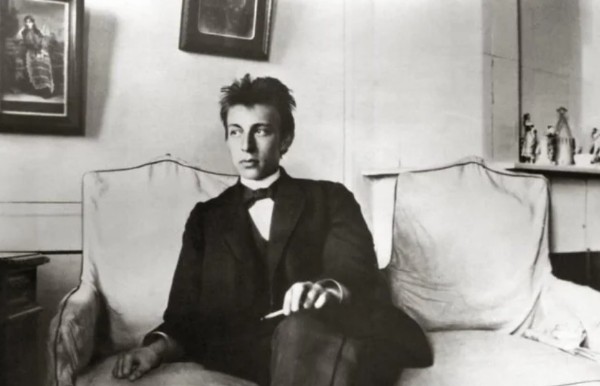
Sergei Rachmaninoff
After its premiere at the industrial exhibition in Moscow, publishers began printing the prelude (often without paying the young composer any royalties).
Within a few years, the prelude was being transcribed, arranged, and performed all over Europe and America.
Its fame spread via family connections: Rachmaninoff’s cousin, pianist and conductor Alexander Siloti, helped introduce it to Western audiences in 1898 by featuring it on tour.
For Rachmaninoff, the Prelude in C-sharp minor became both a blessing and a curse. It certainly made his name known – perhaps too well known. The prelude became so popular that audiences would clamour for it at all his concerts.
The composer eventually grew weary of his own overnight hit. “Many, many times I wish I had never written it,” Rachmaninoff confessed with exasperation in 1912.
Engelbert Humperdinck – Hansel and Gretel (1893)
Engelbert Humperdinck was nearing 40 and earning his living as a music teacher when an idea sparked by a family Christmas play changed his life.
In 1890, Humperdinck’s poet sister asked him to write a few simple settings of poems she’d written based on the fairy tale of Hansel and Gretel. Humperdinck obliged with some charming tunes for the kids to sing.
But soon the project took on a life of its own: those songs grew into a singspiel, and then into a full-length opera.
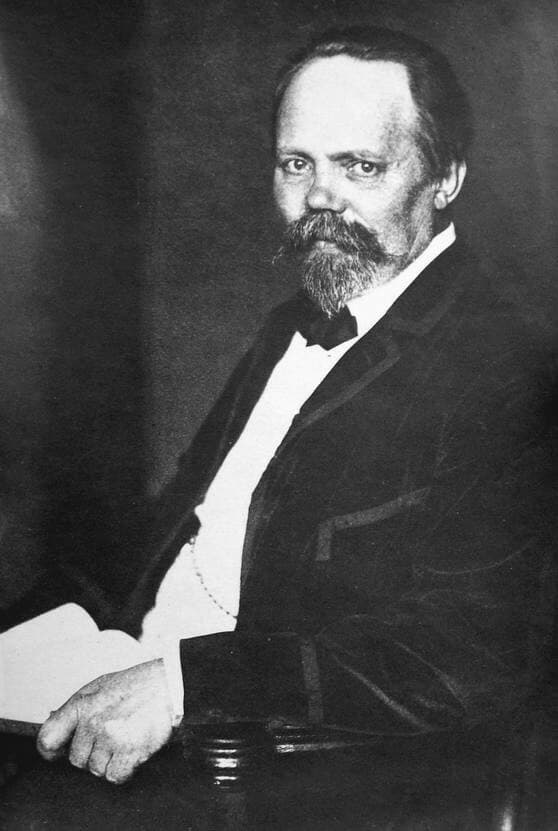
Engelbert Humperdinck
By 1893, the score of Hänsel und Gretel was complete, and the composer sent a copy to his friend Richard Strauss. Strauss was so enthusiastic that he personally conducted the world premiere on 23 December 1893.
Hänsel und Gretel was an instant and overwhelming success. The crowd in Weimar was enchanted by the opera’s mix of cosy folk melodies and Wagnerian orchestral lushness.
Such scenes repeated across Europe: within a year, Gustav Mahler had mounted Hänsel und Gretel in Hamburg. One report from a Vienna performance noted it was “a great success… The composer was called 16 times by the enthusiastic audience.”
By the 1894–1895 season, the opera was playing in cities from London to New York, winning the hearts of children and adults alike.
Although he wrote other works, none ever rivalled Hänsel und Gretel‘s fame. It remains one of opera’s greatest overnight successes.
Igor Stravinsky – The Rite of Spring (1913)
By the spring of 1913, Igor Stravinsky was a rising young composer in the artistic hotbed that was late Belle Époque Paris.
His earlier ballets for Sergei Diaghilev’s Ballets Russes – the shimmering Firebird (1910) and quirky Petrushka (1911) – had put him on the map as a talented new voice steeped in Russian folklore.
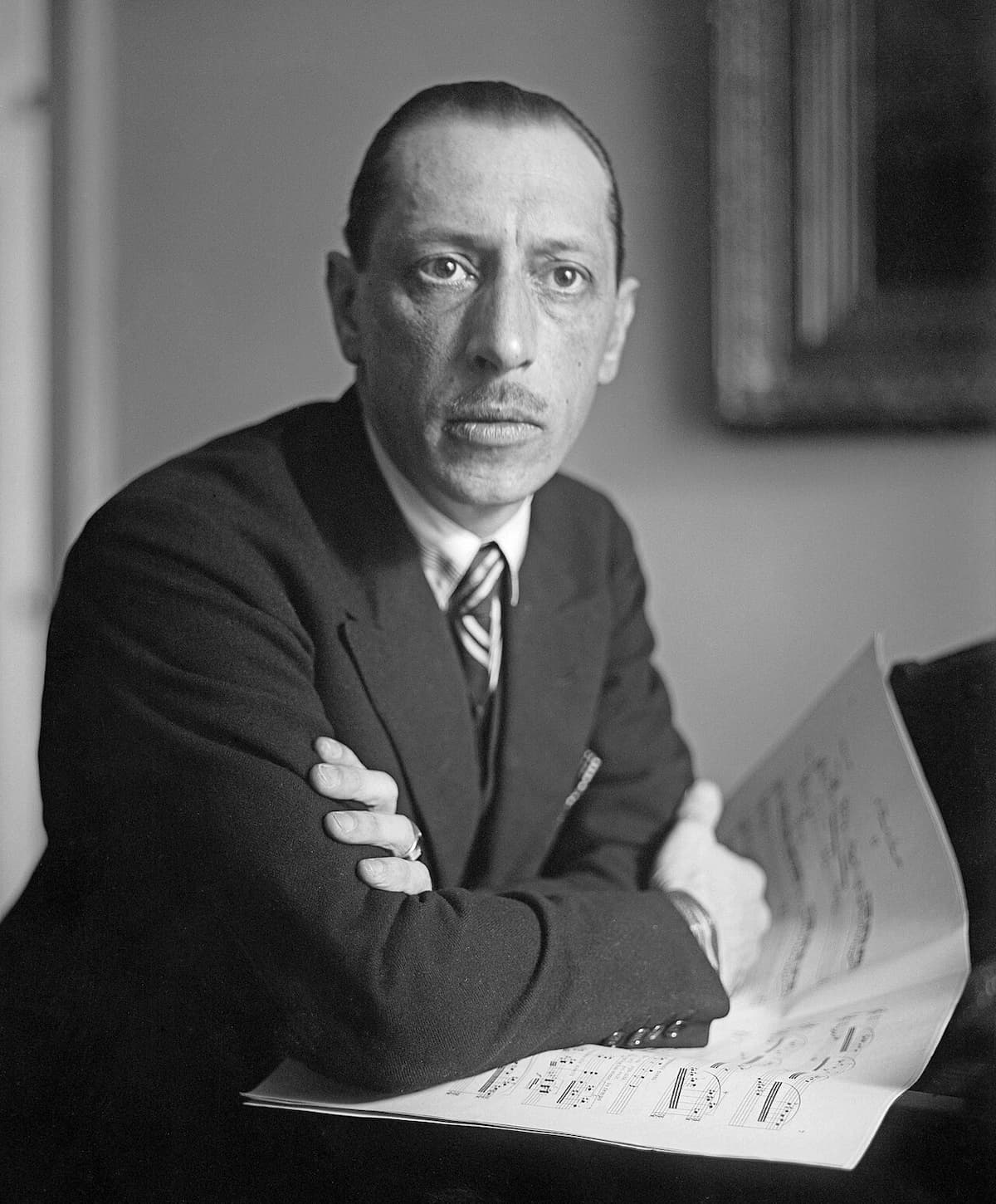
Igor Stravinsky
But nothing could prepare the world for Le sacre du printemps (The Rite of Spring), Stravinsky’s bold ballet about pagan ritual sacrifice in prehistoric Russia.
The premiere took place on 29 May 1913 at Paris’s Théâtre des Champs-Élysées, a brand-new modern theater packed with fashionable society and artists.
What unfolded that evening has since become the stuff of legend: the most infamous opening night in musical history.
The Rite quickly erupted into a veritable barrage of jagged rhythms and grinding dissonances that crashed against the genteel sensibilities of the sophisticated Parisian audience.
The music, combined with the choreography, caused pockets of the crowd to start booing and catcalling.
Viewers shouted insults at the stage; some laughed nervously while others answered back with shushes, and soon, spectators were yelling at each other. Fistfights even broke out in the aisles.
At one point, the clamour grew so loud that the dancers could not hear the orchestra, and the performance nearly fell apart.
Backstage, Stravinsky was so furious at the hostile reaction that he reportedly slipped out of the theater in a rage before the performance ended.
However – the next day, everyone in Paris was talking about The Rite of Spring. For Stravinsky, this infamous premiere of his brilliant score made him a household name across the musical world.
Dmitri Shostakovich – Symphony No. 1 (1924–1925)
In 1925, a teenage student at the Leningrad Conservatory named Dmitri Shostakovich stunned his professors by completing an impressive symphony as his graduation project. It would go on to propel him to instant stardom.
A child prodigy in a time of political turmoil, Shostakovich had entered Petrograd Conservatory at 13 and endured years of hardship – practicing piano in unheated rooms, barely eating during a famine, even playing piano accompaniment for silent films to help support his family after his father’s death.
The premiere took place the year after it was written, on 12 May 1926, with the Leningrad Philharmonic conducted by Nikolai Malko.
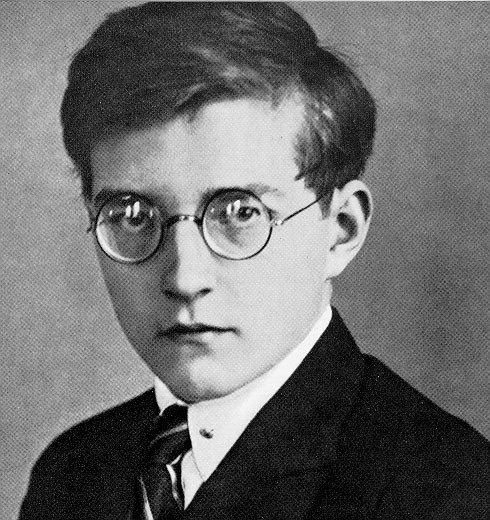
Dmitri Shostakovich, 1925
The performance was a spectacular success, and the news spread quickly in musical circles: a conservatory student had written a symphony that could stand toe-to-toe with seasoned professionals.
The piece’s fame did not stay confined to Leningrad. Shostakovich’s teacher, composer Alexander Glazunov, helped send the score abroad, complete with his recommendation.
Within a year, Shostakovich’s symphony was being performed in cities across Europe and America, with esteemed maestros like Bruno Walter and Leopold Stokowski taking up the work. It was the start of his global fame.
Conclusion
Overnight success in classical music is the exception, not the rule – which makes all of these premieres so noteworthy.
Although musical mastery is achieved over a period of years or even decades, musical success can sometimes turn on the events of a single night.
As we’ve seen, the impacts of those nights continue to reverberate for listeners today, every time we hear now-beloved classics like the Rite of Spring, the C-sharp minor Prelude, and Cavalleria rusticana.
For more of the best in classical music, sign up for our E-Newsletter